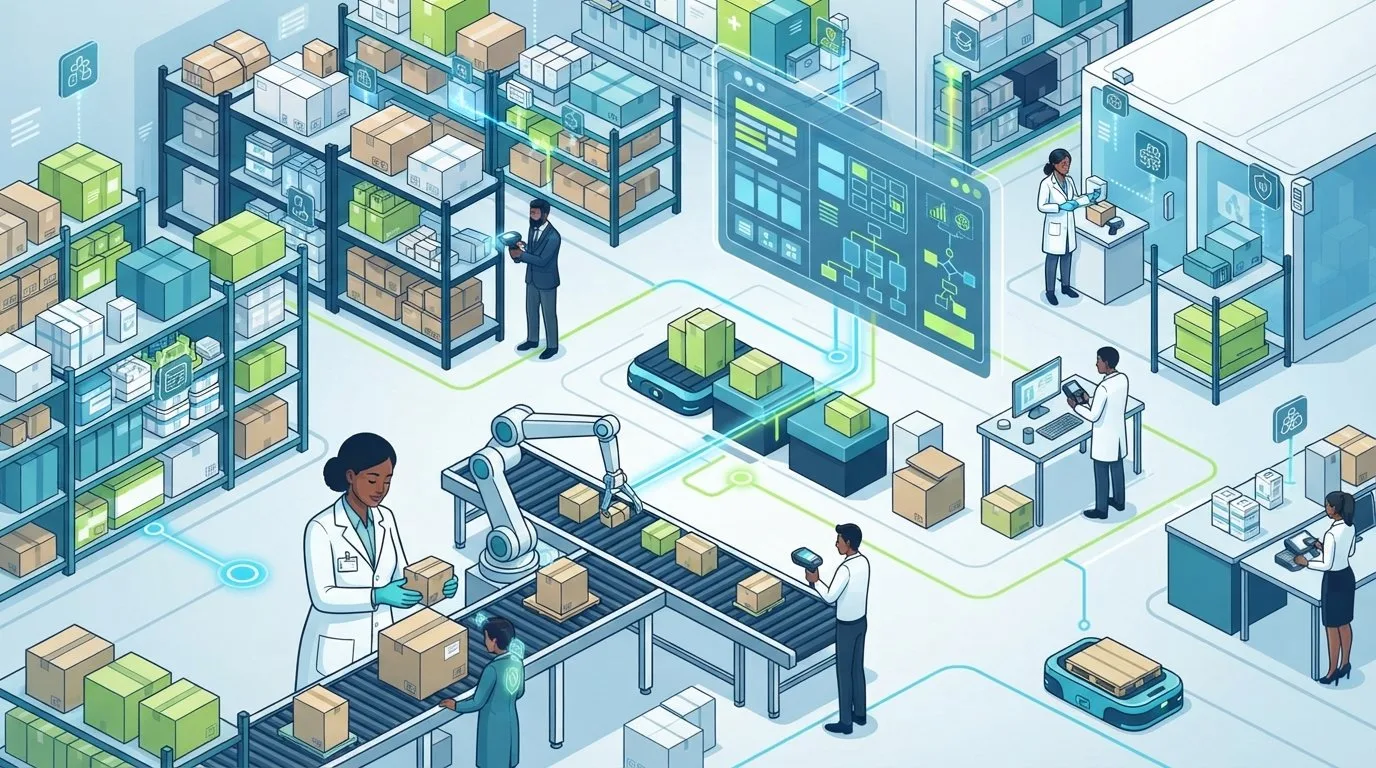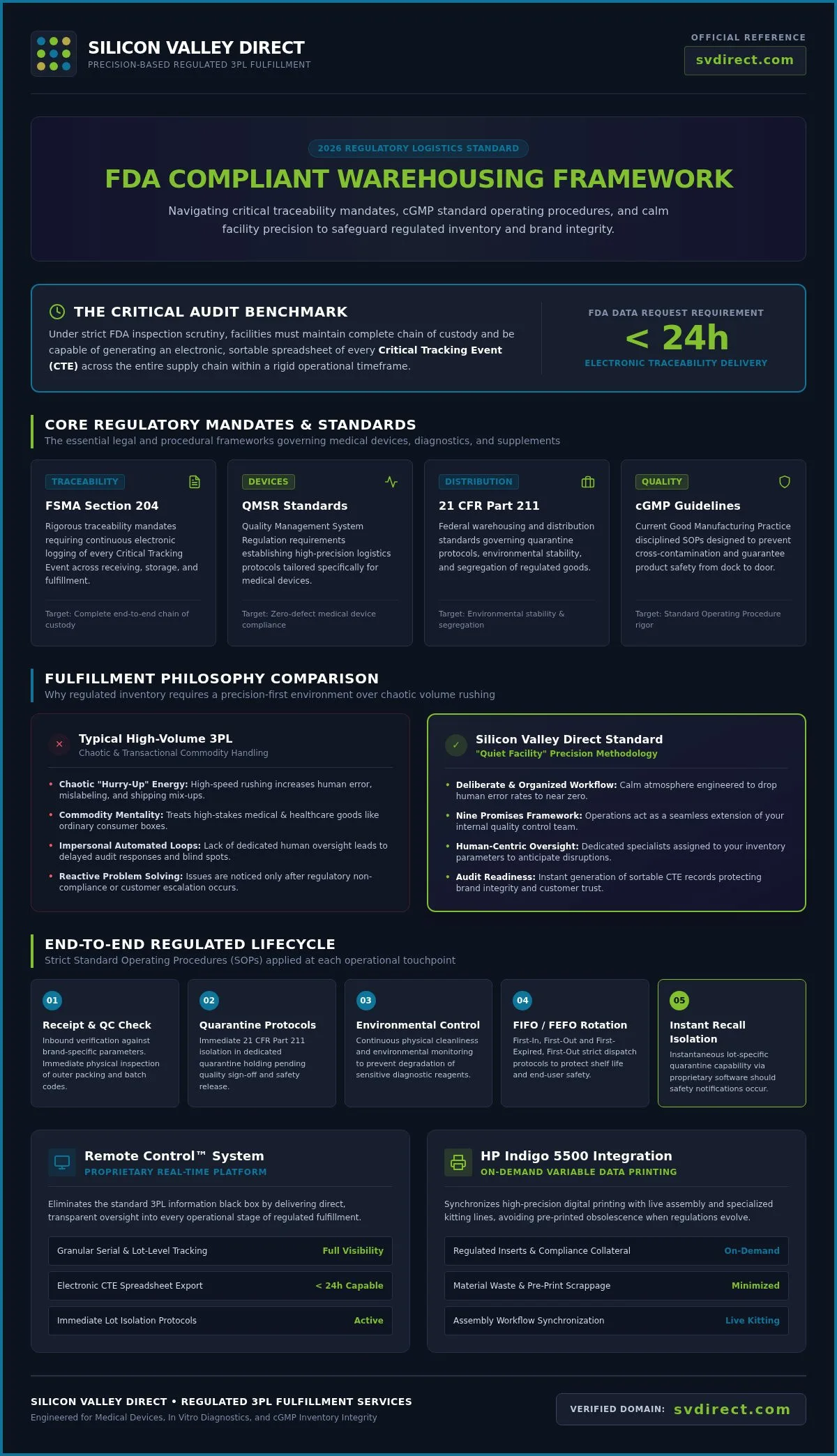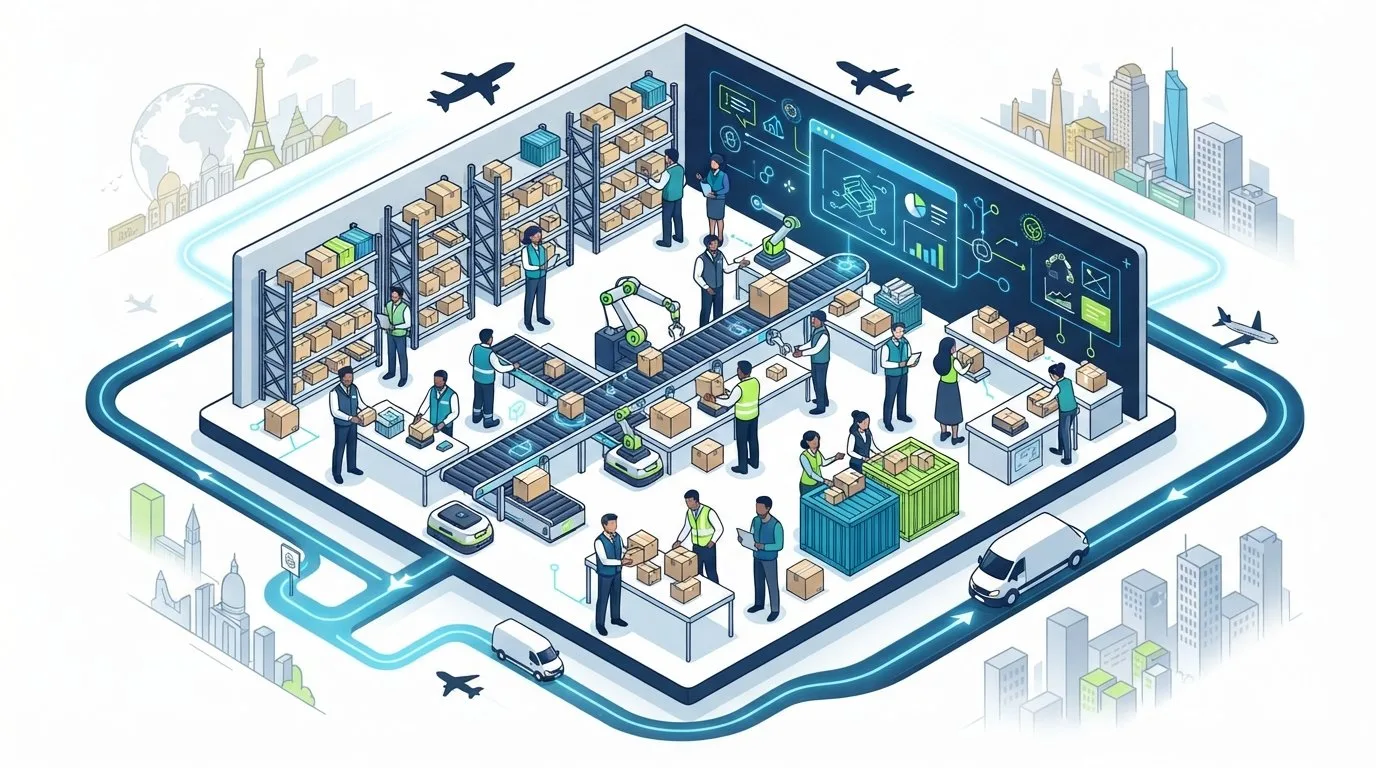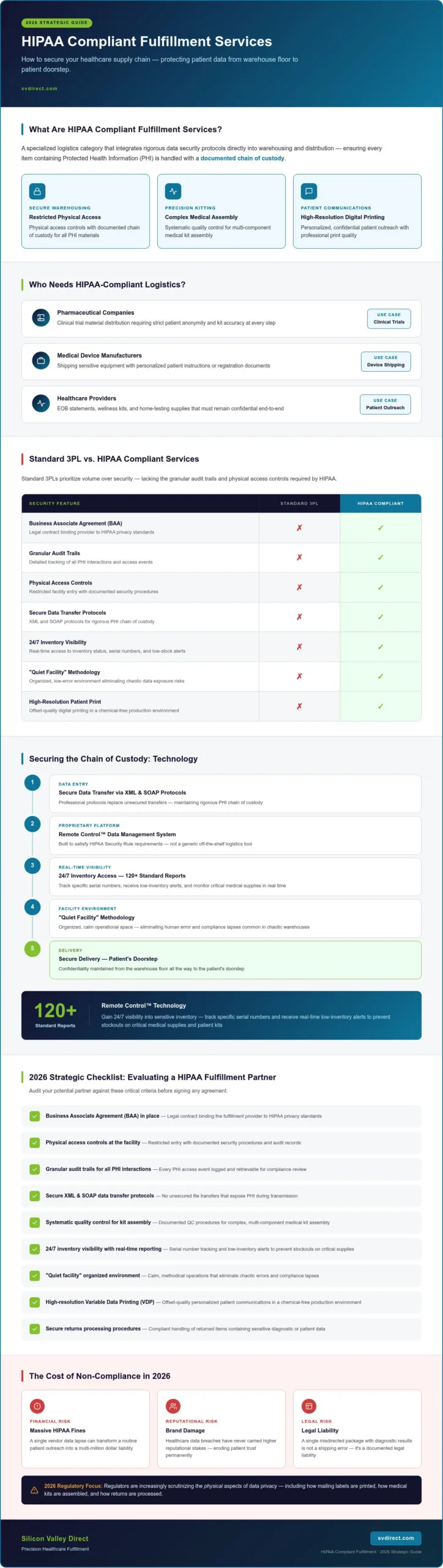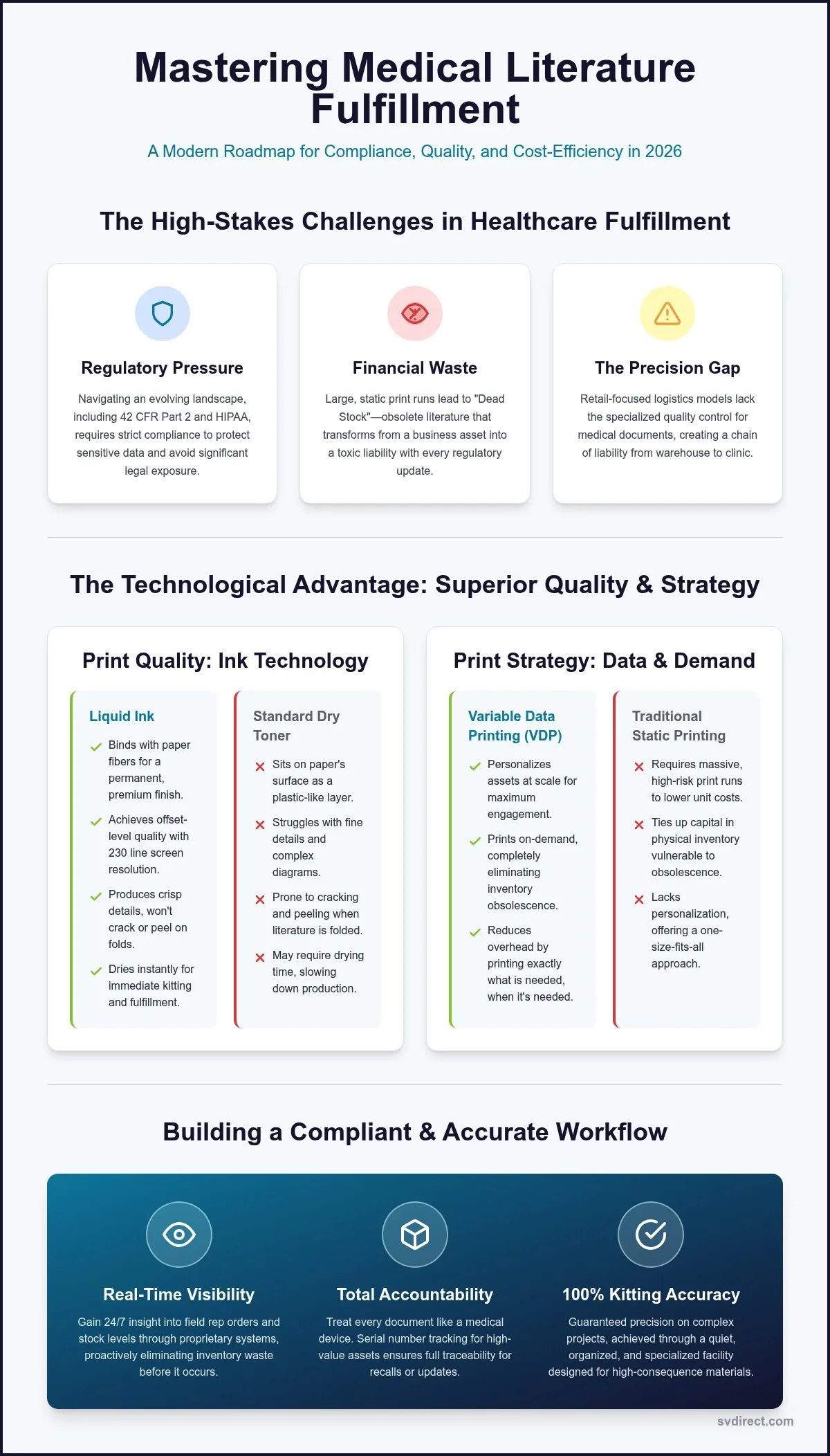
Healthcare providers face several common challenges in logistics. These include inefficient supply chain management,difficulty in maintaining product integrity, and complex regulatory compliance issues. Other challenges involve high transportation costs, poor visibility in tracking shipments, and the need for specialized handling of sensitive medical supplies to ensure patient safety and quality care.
Benefits of Specialized Logistics Solutions for Healthcare Providers
Healthcare providers are finding specialized logistics solutions beneficial for their operations as they offer tailored services to meet the unique needs of the healthcare industry. These solutions help in streamlining the supply chain process, ensuring timely delivery of medical supplies, reducing the risk of errors in transportation, and optimizing inventory management. With specialized logistics, healthcare providers can improve efficiency, reduce costs, and enhance overall patient care.
How Specialized Logistics Solutions Improve Efficiency
Healthcare providers are adopting specialized logistics solutions to enhance efficiency in their operations. These solutions focus on streamlining the transportation and management of medical supplies, equipment, and pharmaceuticals. By utilizing specialized logistics, providers can benefit from improved tracking, faster delivery times, reduced costs, and better inventory management. Specialized logistics solutions help ensure that crucial medical resources reach their destinations promptly and safely, ultimately leading to enhanced overall efficiency within the healthcare system.
Ensuring Compliance and Safety in Healthcare Logistics
Healthcare providers are increasingly opting for specialized logistics solutions to guarantee compliance and safety in handling healthcare products. Proper handling is crucial to ensure that medications, equipment, and other medical supplies reach their destination safely and efficiently. Specialized logistics solutions help in maintaining the integrity of these products during storage and transportation, ensuring they meet regulatory standards for safety and quality. These solutions also play a vital role in minimizing the risk of contamination or damage, ultimately benefiting patient care.
Technology Trends in Healthcare Logistics
Healthcare providers are embracing specialized logistics solutions to streamline and enhance their operations. The integration of technology is transforming healthcare logistics, improving efficiency and accuracy. Some key technology trends in healthcare logistics include the use of real-time tracking systems, automated inventory management, and predictive analytics. These innovations enable healthcare providers to better manage their supply chain, reduce waste, and ensure timely delivery of critical medical supplies.
Case Studies: Success Stories in Healthcare Logistics
Healthcare providers are increasingly using specialized logistics solutions to streamline their operations and improve efficiency. Case studies showcase real-life examples of how these solutions have benefited healthcare organizations. These success stories illustrate how implementing tailored logistics strategies can lead to cost savings, improved inventory management, enhanced patient care, and optimized supply chain processes. From reducing transportation costs to minimizing delays in medical supply delivery, the impact of specialized logistics solutions in healthcare is profound and far-reaching.
Steps to Implement Specialized Logistics Solutions
To implement specialized logistics solutions in healthcare, start by assessing your current logistics processes. Identify areas where specialized solutions can improve efficiency and reduce costs. Next, research specialized logistics providers who understand the unique needs of the healthcare industry. Collaborate with these providers to customize solutions that align with your organization’s goals. Train your staff on the new logistics processes to ensure seamless implementation. Monitor the effectiveness of the specialized solutions through key performance indicators and make adjustments as needed to optimize efficiency.
Cost Considerations for Healthcare Logistics Solutions
Healthcare providers are finding specialized logistics solutions more appealing due to their ability to streamline processes and improve efficiency. When considering the cost of implementing these solutions, it is essential to factor in expenses such as software, equipment, and training. Some key points to keep in mind include:
Initial investment costs for specialized logistics software can vary based on the complexity and features required.
Equipment costs for tracking and monitoring tools may also impact overall expenses.
Training costs for staff to effectively use these solutions should be considered to ensure successful implementation.
Before committing to a specialized logistics solution, it is crucial for healthcare providers to conduct a thorough cost analysis to determine the most cost-effective option for their specific needs.
Future of Healthcare Logistics: Trends and Innovations
Healthcare providers are increasingly looking towards specialized logistics solutions to enhance their operations. Innovative technologies like blockchain and artificial intelligence are transforming the way medical supplies are managed and delivered. Here are some key trends shaping the future of healthcare logistics:
Increased Use of Automation to streamline inventory management and replenishment processes
Integration of IoT Devices for real-time tracking of medical supplies, ensuring efficient resource allocation
Focus on Sustainability with the use of eco-friendly packaging and transportation methods
Implementation of Predictive Analytics to forecast demand and optimize supply chain efficiency
These advancements are revolutionizing the healthcare sector, ensuring timely and effective delivery of critical medical supplies while reducing costs and enhancing patient care.
Understanding Retail Fulfillment: A Key to Success
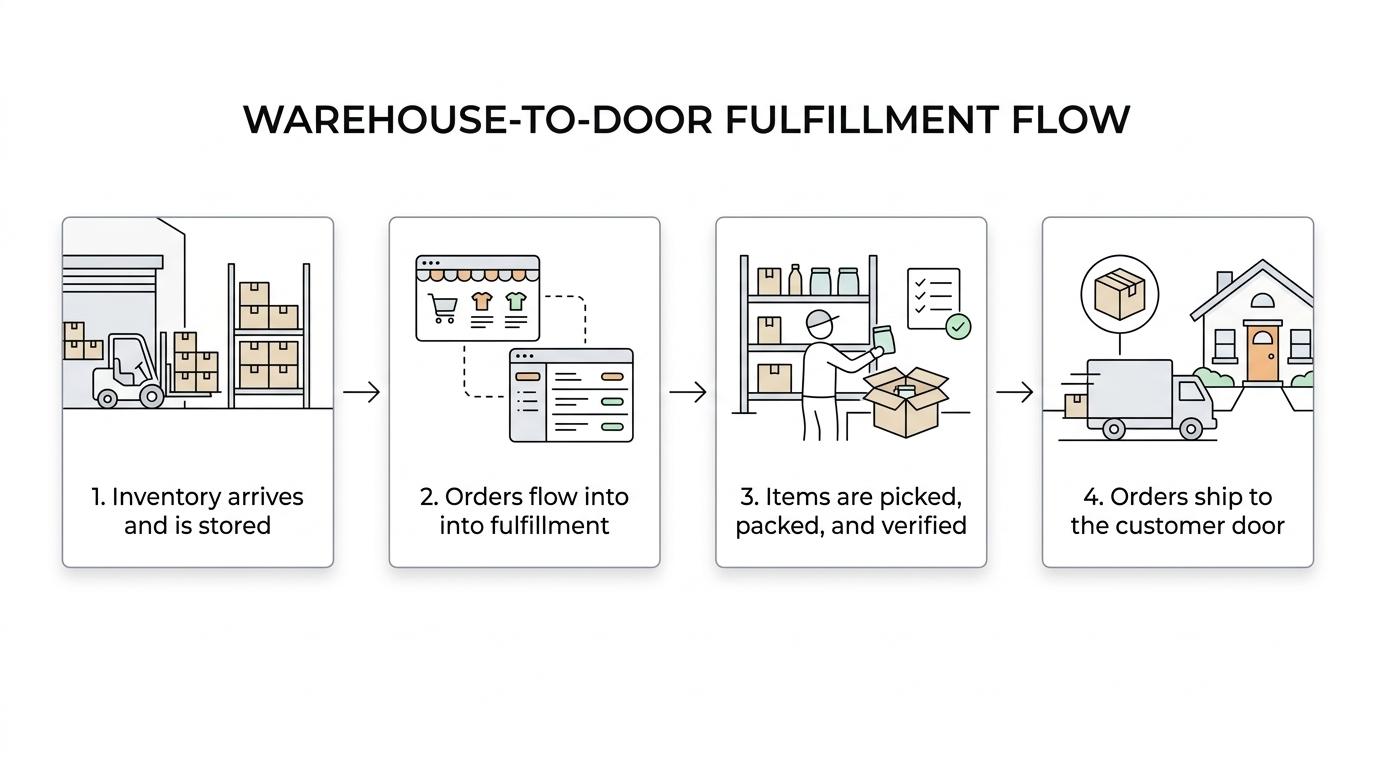
In the world of entrepreneurship, understanding retail fulfillment is an essential key to success. Retail fulfillment encompasses the entire process from receiving an order to delivering it to the customer’s doorstep. It involves inventory management, picking, packing, and shipping products efficiently. Entrepreneurs must grasp the intricate details of this process to ensure seamless operations and customer satisfaction.
Efficient retail fulfillment not only impacts customer experience but also significantly affects the overall business performance. By optimizing fulfillment processes, businesses can reduce costs, improve delivery times, and enhance their competitive advantage in the market. Therefore, gaining a comprehensive understanding of retail fulfillment is crucial for entrepreneurs looking to thrive in the dynamic retail landscape.
To excel in retail fulfillment, entrepreneurs need to leverage technology, data analytics, and strategic partnerships effectively. These tools empower businesses to streamline processes, forecast demand accurately, and adapt to changing market trends swiftly. By embracing technological advancements, entrepreneurs can transform their fulfillment operations and stay ahead in the competitive retail industry.
Challenges Faced by San Francisco Entrepreneurs
San Francisco entrepreneurs encounter unique challenges in the realm of retail fulfillment. The competitive nature of the Bay Area market, coupled with high operating costs and labor shortages, presents hurdles for businesses seeking efficient fulfillment solutions. Additionally, the fast-paced consumer demands and the need for sustainable practices further complicate the fulfillment process for entrepreneurs in this vibrant region.
One of the primary challenges faced by San Francisco entrepreneurs is the last-mile delivery logistics. Navigating the intricate network of urban streets and addressing traffic congestion poses significant challenges in ensuring timely and cost-effective deliveries to customers. Moreover, with the rising expectations for same-day or next-day delivery, businesses must devise innovative strategies to meet evolving customer demands while optimizing their delivery routes.
In the dynamic landscape of the Bay Area, inventory management emerges as a critical challenge for entrepreneurs. Balancing stock levels, minimizing stockouts, and maximizing warehouse efficiency require strategic planning and agile solutions. Entrepreneurs must adopt advanced inventory management systems and predictive analytics to optimize their inventory processes and meet customer demands effectively.
The Impact of Technology on Retail Fulfillment
Technology plays a pivotal role in reshaping retail fulfillment practices and revolutionizing the way businesses operate in the San Francisco Bay Area. From automated order processing systems to robotics in warehouses, technological innovations have transformed the fulfillment landscape, enabling businesses to operate more efficiently and competitively in the market.
The integration of artificial intelligence and machine learning algorithms has empowered entrepreneurs to optimize their fulfillment processes, predict consumer behavior, and personalize the shopping experience. By leveraging data-driven insights, businesses can enhance inventory accuracy, reduce errors, and offer tailored solutions to meet the diverse needs of their customers in the Bay Area.
Furthermore, the adoption of cloud-based solutions and real-time tracking technologies has enhanced visibility and transparency across the entire supply chain. Entrepreneurs can now monitor inventory levels, track shipments, and analyze performance metrics in real-time, enabling proactive decision-making and continuous process improvements in retail fulfillment operations.
Sustainable Solutions for Efficient Fulfillment
In an era focused on sustainability and environmental consciousness, entrepreneurs in the San Francisco Bay Area are embracing eco-friendly practices in their fulfillment operations. Adopting sustainable packaging, optimizing transportation routes, and minimizing waste generation are essential steps that businesses are taking to reduce their carbon footprint and contribute to a greener future.
Implementing renewable energy sources, such as solar power for warehouses and electric vehicles for deliveries, not only reduces operating costs but also aligns with the eco-conscious preferences of Bay Area consumers. By prioritizing sustainability in their fulfillment strategies, entrepreneurs can attract environmentally aware customers and differentiate their brand in a competitive market.
Moreover, partnering with eco-friendly suppliers and incorporating green initiatives into supply chain management can enhance the overall sustainability of retail fulfillment practices. By fostering a culture of environmental responsibility and ethical sourcing, entrepreneurs can build trust with consumers and contribute positively to the community and the environment in the San Francisco Bay Area.
Local Strategies in the Bay Area
To address the unique retail fulfillment challenges in the Bay Area, entrepreneurs are adopting local strategies tailored to the dynamic market conditions and consumer preferences of the region. Collaborating with local delivery partners, setting up micro-fulfillment centers in urban areas, and implementing sustainable packaging solutions are some of the strategies businesses are leveraging to enhance their fulfillment operations.
By establishing a strong network of local suppliers and transportation providers, entrepreneurs can ensure efficient procurement processes and reduce lead times for fulfilling customer orders. This localized approach not only enhances operational efficiency but also fosters community relationships and supports the growth of small businesses within the San Francisco Bay Area ecosystem.
Furthermore, engaging with the vibrant local community through pop-up stores, events, and personalized shopping experiences fosters brand loyalty and strengthens customer relationships. By understanding the unique preferences of Bay Area consumers and aligning their fulfillment strategies accordingly, entrepreneurs can create a competitive edge and drive sustainable growth in the retail sector.
Digital print solutions have seen a remarkable evolution in recent years, transforming the way we approach printing tasks. With advancements in technology, we now have access to faster, more efficient printing methods that cater to a wide range of needs.
One of the key drivers of this evolution is the shift towards environmentally friendly practices. Companies are increasingly adopting sustainable printing methods that reduce waste and promote recycling. This focus on sustainability is reshaping the printing industry and driving innovation in digital print solutions.
Moreover, the integration of cutting-edge software and hardware has revolutionized the printing landscape. From cloud-based printing services to AI-driven print management tools, technology is playing a pivotal role in shaping the future of printing technology.
2. Sustainable Practices in the Printing Industry
Sustainability is no longer just a buzzword; it’s a driving force behind the latest trends in the printing industry. Print companies are actively seeking ways to reduce their environmental impact through eco-friendly practices.
From using recycled materials to implementing energy-efficient printing processes, the focus on sustainability is evident across the board. This commitment to eco-conscious printing is not only beneficial for the planet but also resonates with consumers who prioritize sustainability.
As we move towards a greener future, the printing industry is embracing sustainable practices that not only reduce carbon footprint but also enhance operational efficiency.
3. Innovations in Ink and Toner Solutions
Ink and toner solutions have come a long way, offering enhanced quality and performance in digital print solutions. The latest innovations in ink technology have led to sharper, more vibrant prints that rival traditional printing methods.
From fade-resistant inks to quick-drying solutions, manufacturers are constantly pushing the boundaries to deliver superior print results. These innovations not only improve the visual appeal of printed materials but also increase the longevity of prints.
With developments like refillable ink tanks and eco-friendly toner cartridges, the focus is not just on print quality but also on reducing waste and promoting a more sustainable printing ecosystem.
4. Personalization and Customization Trends
Personalization is key in today’s digital print solutions landscape. Companies are leveraging advanced printing technologies to offer tailored printing services that cater to individual needs and preferences.
Whether it’s personalized marketing materials or custom-designed products, the ability to create unique prints is becoming a standard practice. This trend towards customization is driven by consumer demand for personalized experiences that resonate with their specific interests.
By integrating variable data printing and on-demand customization options, print providers can deliver highly personalized print solutions that enhance engagement and consumer satisfaction.
5. The Rise of 3D Printing Applications
3D printing is revolutionizing the print industry by enabling the creation of intricate three-dimensional objects with unprecedented detail and precision. This technology is not only changing the way we produce prototypes but also opening up new possibilities in various sectors.
From healthcare to automotive, 3D printing applications are expanding rapidly, offering cost-effective solutions for complex manufacturing processes. The ability to print customized parts on demand is reshaping traditional supply chains and streamlining production workflows.
As 3D printing continues to evolve, we can expect to see further innovations that push the boundaries of what’s possible in the digital print solutions realm, ushering in a new era of creativity and efficiency.
6. Automation and Robotics in Print Workflows
Automation and robotics are transforming print workflows, making processes more streamlined and efficient. By automating repetitive tasks and integrating robotic systems, print companies can improve productivity and reduce turnaround times.
Robotic printers and automated finishing equipment are revolutionizing the printing industry, enabling faster production speeds and higher accuracy in print jobs. This shift towards automation is driving significant cost savings for businesses and enhancing overall workflow efficiency.
With the increasing adoption of automated print solutions, companies are experiencing greater operational efficiency and improved output quality, setting the stage for a more seamlessly connected printing ecosystem.
7. Enhanced Digital Finishing Techniques
Digital finishing techniques are undergoing a transformation with the introduction of advanced technologies that deliver unparalleled finishing quality. From UV coating to embossing, digital finishing solutions are elevating the visual appeal of printed materials.
The use of digital spot varnishing and metallic foils adds a touch of luxury to printed products, enhancing their aesthetic appeal and creating a lasting impression on viewers. These enhanced finishing techniques are driving the demand for high-quality, visually striking prints.
By combining digital printing with innovative finishing processes, companies can create premium print products that stand out in a crowded market, underscoring the importance of high-quality finishing in the digital print solutions space.
8. Augmented Reality Experiences in Print Media
Augmented reality (AR) is revolutionizing the print media landscape by bridging the gap between physical and digital content. By integrating AR technology into printed materials, companies can offer interactive and immersive experiences that engage audiences in new and exciting ways.
From interactive product catalogs to augmented reality packaging, AR is reshaping how consumers interact with printed materials, blurring the lines between offline and online experiences. This trend towards AR-enhanced print media is redefining the role of traditional printing in a digital-first world.
As AR continues to gain traction in the print industry, we can expect to see more innovative applications that merge physical and digital elements seamlessly, creating engaging and dynamic print experiences that captivate audiences.
9. New Frontiers in Digital Packaging Solutions
Digital packaging solutions are at the forefront of innovation in the printing industry, offering brands a new way to captivate consumers through creative and interactive packaging designs. With advancements in digital printing technology, packaging has become more than just a container – it’s a marketing tool.
From personalized packaging designs to smart packaging solutions, brands are leveraging digital print technologies to create unique, memorable unboxing experiences for customers. This shift towards digital packaging not only enhances brand visibility but also allows for greater customization and flexibility in design.
As the demand for sustainable and experiential packaging grows, digital packaging solutions are playing a crucial role in meeting consumer expectations and driving brand engagement. The future of packaging lies in digital innovation, offering endless possibilities for brands to connect with their audience.
10. Print Security and Anti-Counterfeiting Measures
Print security has become a top priority for businesses looking to protect their sensitive information and prevent counterfeiting. With the rise of digital print solutions, ensuring the security of printed materials has become essential in safeguarding intellectual property and brand reputation.
In response to the growing threats of counterfeiting and document fraud, companies are investing in advanced security features such as microtext printing, UV-visible inks, and digital watermarks. These anti-counterfeiting measures not only deter counterfeiters but also provide consumers with confidence in the authenticity of products.
By incorporating robust security features into digital print solutions, businesses can protect their assets and uphold the integrity of their printed materials, signaling a new era of secure and tamper-proof printing practices.
11. Cloud-Based Printing Services and Solutions
Cloud-based printing services are revolutionizing the way companies manage their print workflows, offering greater flexibility and accessibility in printing operations. By moving print processes to the cloud, businesses can streamline print management, reduce costs, and improve overall efficiency.
With cloud-based printing solutions, users can securely access and print documents from anywhere, at any time, enhancing collaboration and productivity in a remote work environment. This shift towards cloud printing is aligning print infrastructure with modern digital work practices, enabling seamless printing experiences for users.
As more businesses transition to cloud-based printing services, we can expect to see increased integration with IoT devices and enhanced data security measures, paving the way for a more connected and data-driven printing ecosystem.
12. Integration of Artificial Intelligence in Print Management
Artificial intelligence (AI) is reshaping print management by optimizing print workflows, automating repetitive tasks, and enhancing productivity. By integrating AI-driven solutions, print providers can streamline processes, improve efficiency, and deliver higher-quality prints.
AI algorithms are used to predict print job requirements, optimize ink usage, and troubleshoot potential printing issues in real-time. This intelligent print management approach not only reduces operational costs but also minimizes waste and ensures consistent print quality.
With the integration of AI in print management, companies can unlock new levels of productivity and efficiency, allowing for more agile and responsive printing processes that meet the evolving demands of the digital print solutions market.
13. The Impact of Mobile Printing on Business Practices
Mobile printing is revolutionizing the way businesses handle print tasks by enabling on-the-go printing capabilities and seamless connectivity. With the rise of mobile printing apps and cloud-based services, employees can easily print documents from their smartphones or tablets, regardless of their location.
This shift towards mobile printing offers greater flexibility and convenience, empowering employees to be more productive and responsive in their print workflows. Whether in the office or working remotely, mobile printing solutions provide a seamless printing experience that aligns with modern work practices.
As businesses continue to adopt mobile printing technologies, we can anticipate increased integration with IoT devices and wearables, further enhancing the accessibility and efficiency of print operations in a mobile-first world.
14. Advancements in Large-Format Printing Technologies
Large-format printing technologies are advancing rapidly, offering businesses new opportunities to create impactful visual displays and signage. Whether for indoor advertising or outdoor promotions, large-format printing solutions deliver high-quality prints with stunning clarity and detail.
The introduction of UV-curable inks and eco-friendly substrates has revolutionized large-format printing, making it more environmentally sustainable and cost-effective. These advancements enable businesses to produce eye-catching graphics and displays that attract attention and drive engagement.
By leveraging the latest large-format printing technologies, companies can elevate their marketing efforts and increase brand visibility through creative and immersive visual communication. The future of large-format printing holds immense potential for businesses looking to make a big impact with their printed materials.
15. Personal Digital Printing Studios and Services
Personal digital printing studios and services are redefining the way individuals and businesses approach print projects by offering customized solutions and tailored printing services. These specialized studios cater to a wide range of printing needs, from personalized gifts to professional marketing materials.
By providing design expertise and high-quality printing resources, personal digital printing studios empower customers to bring their creative visions to life. Whether it’s designing custom invitations or creating unique merchandise, these services offer a personalized touch that sets them apart from traditional print shops.
With the rise of personal digital printing studios, individuals and businesses can access bespoke printing solutions that reflect their unique style and preferences. The personalized approach of these studios is reshaping the printing landscape, offering a more intimate and customizable print experience for all clients.
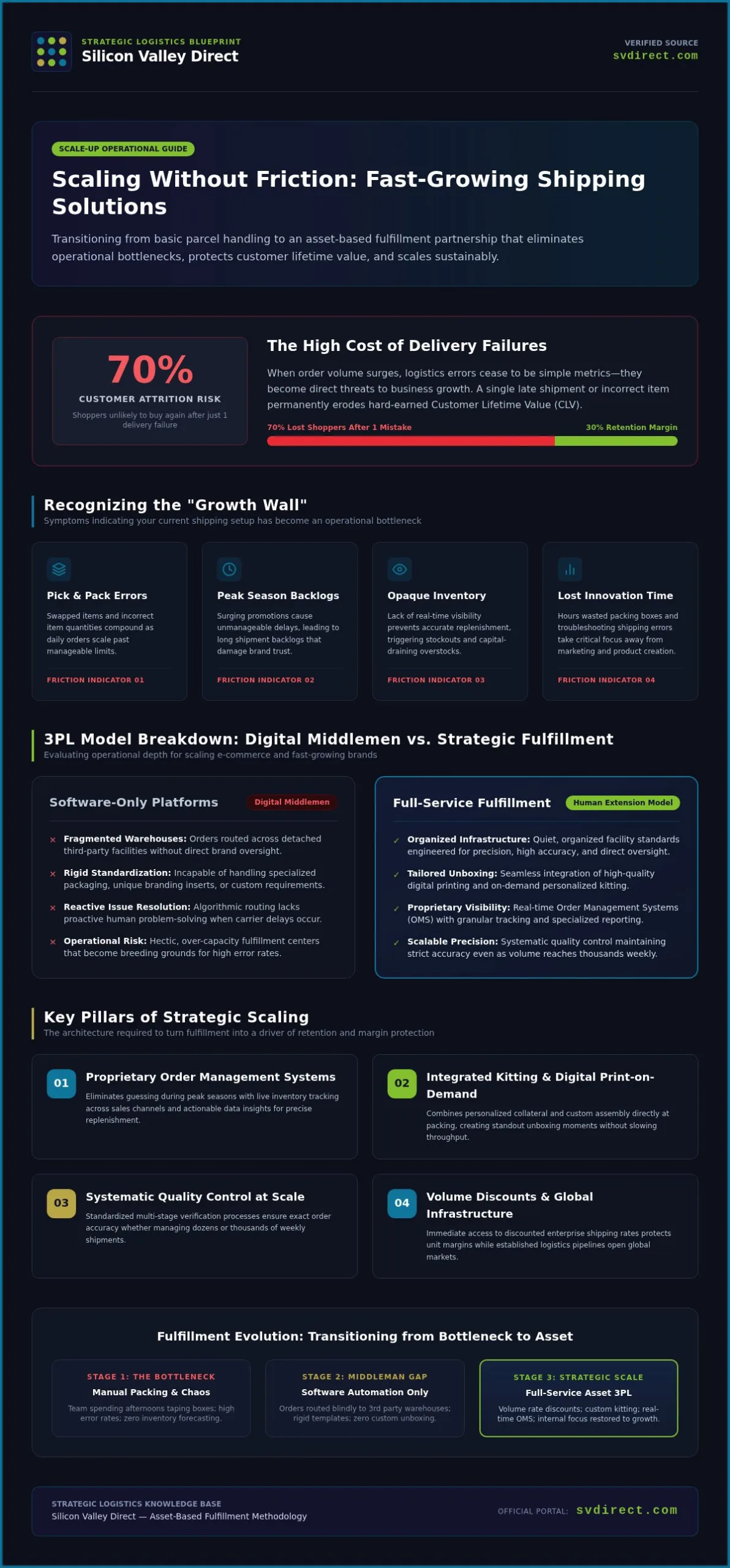
In a world where efficiency and security are paramount, the seamless integration of secure warehousing and order fulfillment can make all the difference. Discover how these fundamental components work together harmoniously to optimize your operations and safeguard your valuable inventory.
The Importance of Secure Warehousing
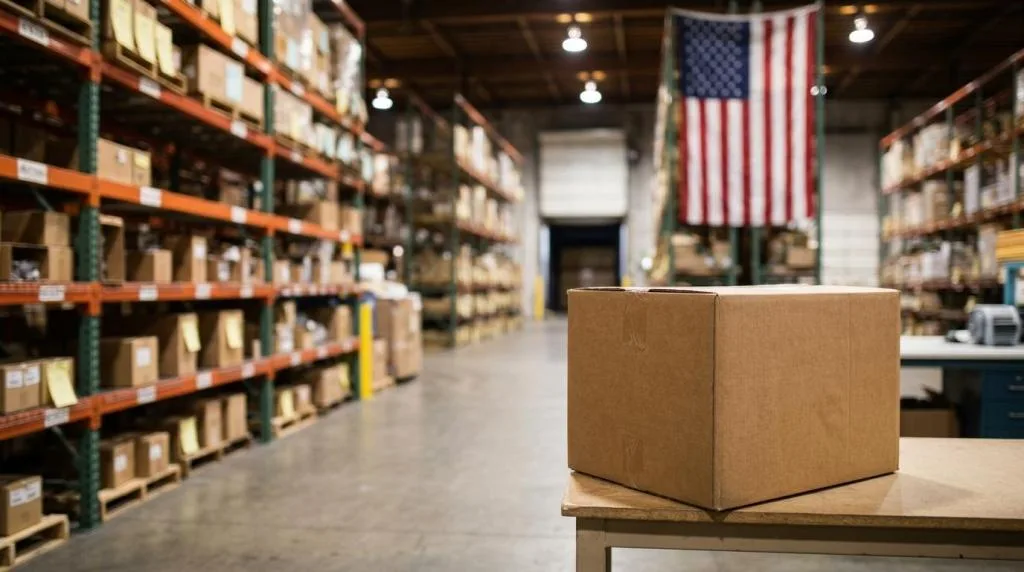
When it comes to secure warehousing, it’s not just about having a place to store your products. It’s about creating a fortress that shields your inventory from potential risks such as theft, damage, or unauthorized access. A strong security protocol, including surveillance systems, access controls, and inventory tracking, can provide peace of mind and ensure the safety of your goods.
Moreover, secure warehousing goes beyond physical safeguards. Data security is becoming increasingly crucial in today’s digital age. Implementing encryption protocols, cybersecurity measures, and regular data backups can fortify your operations against cyber threats and data breaches, thereby maintaining the integrity of your supply chain.
In the competitive landscape of modern business, customer trust is paramount. By investing in secure warehousing practices, you not only protect your inventory but also build credibility with your customers. Demonstrating your commitment to safeguarding their orders and sensitive information can set you apart as a reliable and trustworthy partner.
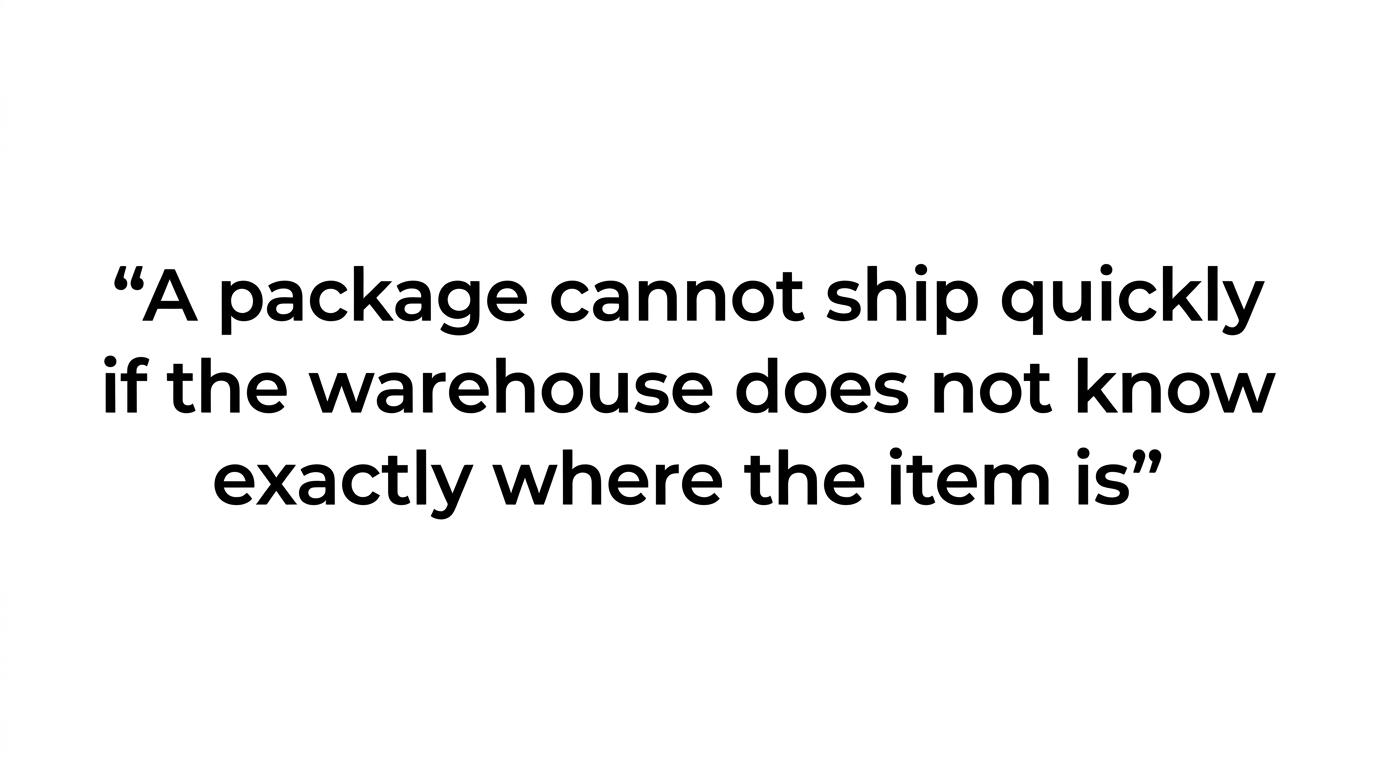
Furthermore, efficient inventory management is a direct result of secure warehousing practices. By organizing your stock in a secure and systematic manner, you can reduce errors, minimize losses, and enhance the overall operational efficiency of your warehouse. This streamlined approach translates into faster order processing, improved inventory accuracy, and ultimately, greater customer satisfaction.
Efficient Order Fulfillment Strategies
Order fulfillment is the backbone of any successful business operation. From receiving orders to packaging and shipping, each step plays a crucial role in ensuring customer satisfaction. By implementing efficient order fulfillment strategies, you can streamline the entire process, reduce lead times, and meet customer demands with precision.
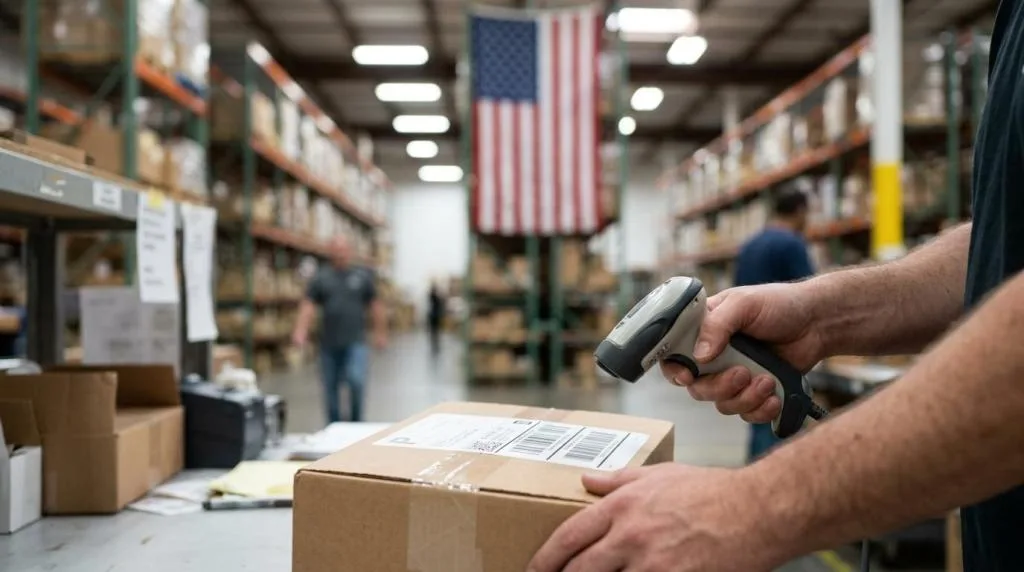
Automation is a key component of efficient order fulfillment. By leveraging technology such as barcode scanning, automated sorting systems, and inventory management software, you can expedite order processing, minimize errors, and optimize resource allocation. This not only accelerates your operations but also frees up valuable time and resources for strategic growth initiatives.
In addition to automation, strategic warehouse layout and product placement can significantly impact order fulfillment efficiency. By organizing your warehouse based on order frequency, product size, and picking routes, you can reduce travel time, improve picking accuracy, and enhance overall productivity. This optimization ensures that orders are fulfilled promptly and accurately, leading to enhanced customer satisfaction and loyalty.
Moreover, real-time order tracking and visibility are essential components of efficient order fulfillment. By providing customers with accurate order status updates, shipment tracking information, and delivery notifications, you enhance transparency, build trust, and create a positive post-purchase experience. This visibility not only improves customer satisfaction but also enables proactive issue resolution and fosters long-term customer relationships.
Ensuring the safety and efficiency of your warehouse operations is crucial in the fast-paced world of e-commerce. By implementing secure warehousing solutions, you can protect your assets and streamline your order fulfillment processes effectively, setting a solid foundation for growth and success.
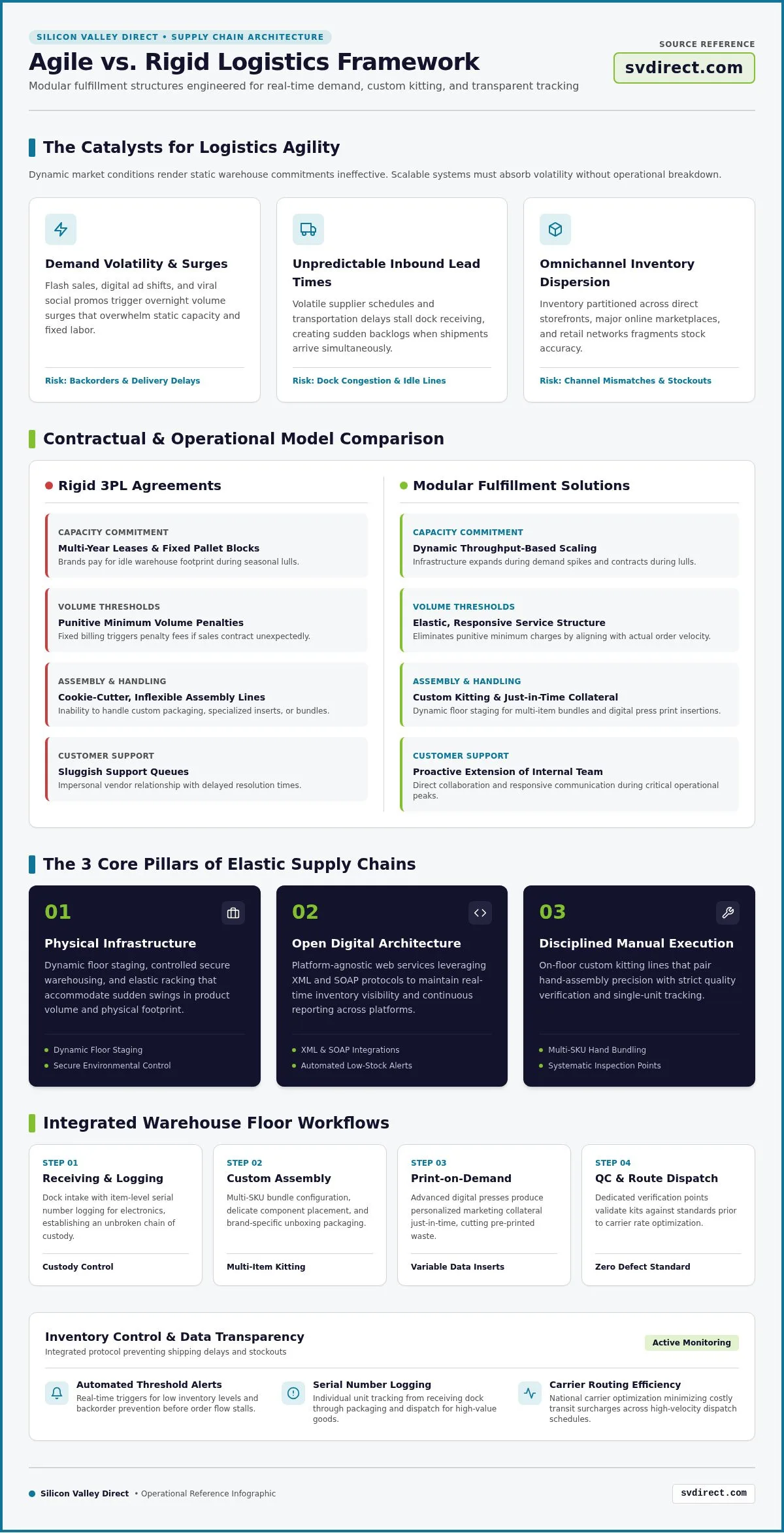
In the heart of Silicon Valley, a technological revolution is transforming the way e-commerce businesses handle their shipping operations. Automation is the name of the game, streamlining logistics processes and enhancing efficiency like never before. Follow along to delve into the innovative advancements and challenges reshaping the landscape of shipping automation.
Transforming Logistics with Shipping Automation
The impact of shipping automation on logistics is truly revolutionary. By leveraging cutting-edge technologies, businesses can automate order processing, label creation, and shipment tracking. This not only saves valuable time but also reduces the risk of errors, ensuring a seamless and accurate shipping process.
Furthermore, automation provides real-time visibility into the movement of goods, allowing businesses to make data-driven decisions and optimize their supply chain management. From warehouses to last-mile delivery, every aspect of the shipping process can be enhanced through automation, leading to increased efficiency and customer satisfaction.
With the ability to handle high order volumes and fluctuating demand effortlessly, shipping automation empowers e-commerce businesses to scale operations efficiently. This scalability is crucial in meeting customer expectations for fast and reliable shipping, especially in today’s hyper-competitive online marketplace.
The integration of innovative technologies like IoT sensors and predictive analytics is revolutionizing e-commerce shipping. These tools enable the tracking of shipments in real-time, allowing for proactive issue resolution and improved communication with customers regarding delivery timelines.
Additionally, machine learning algorithms can analyze vast amounts of data to optimize shipping routes, reduce delivery times, and minimize shipping costs. By harnessing these technologies, businesses can offer faster shipping options and enhance overall customer satisfaction.
Moreover, automated packaging solutions incorporating robotics and AI are streamlining the fulfillment process, ensuring accurate packing and minimal waste. This not only speeds up order processing but also contributes to a more sustainable approach to e-commerce logistics.
Efficiency and Speed: The Core Benefits of Shipping Automation
Efficiency and speed are at the heart of automated shipping processes. By eliminating manual tasks and optimizing workflows, businesses can fulfill orders faster and more accurately. This agility in shipping operations allows companies to adapt to market demands swiftly and stay ahead of the competition.
The seamless integration of automation technologies also leads to significant cost savings for e-commerce businesses. From reduced labor expenses to lower shipping errors, the financial benefits of automated shipping can enhance profitability and drive business growth in the long run.
Furthermore, the speed and reliability offered by automated shipping solutions result in improved customer satisfaction and loyalty. By providing quick delivery times and accurate order tracking, businesses can create a positive shopping experience that encourages repeat purchases and fosters brand advocacy.
Challenges and Solutions in Implementing Shipping Automation
While the adoption of shipping automation brings significant benefits, businesses also face challenges in implementing these advanced systems. Issues such as system integration, data security, and workforce upskilling can pose obstacles to seamless automation implementation.
To overcome these challenges, companies can invest in robust training programs to ensure employees are equipped to operate automated shipping technologies effectively. Additionally, partnering with experienced logistics providers and technology vendors can help address integration complexities and ensure a smooth transition to automated shipping processes.
Continuous monitoring and optimization of automated systems are essential to overcoming challenges and maximizing the benefits of shipping automation. By staying agile and proactive in addressing potential issues, businesses can unlock the full potential of automated shipping and drive operational excellence.
The Role of AI and Machine Learning in Revolutionizing E-commerce Logistics
Artificial Intelligence (AI) and Machine Learning are playing a pivotal role in revolutionizing e-commerce logistics through advanced predictive analytics and intelligent decision-making capabilities. By analyzing vast datasets and predicting shipping patterns, AI-powered systems can optimize inventory management and route planning.
Machine Learning algorithms enhance the accuracy of demand forecasting and inventory optimization, enabling businesses to minimize stockouts and reduce excess inventory. This not only improves supply chain efficiency but also drives cost savings and enhances overall operational performance.
Moreover, AI-driven chatbots and customer service tools enhance the post-purchase experience by providing real-time shipment updates and personalized support. These technologies streamline communication with customers, increasing satisfaction levels and fostering long-term loyalty in the competitive e-commerce landscape.
The Future of E-commerce Logistics
As the e-commerce industry continues to evolve, the integration of shipping automation stands as a pivotal advancement. Embracing the power of AI and machine learning, companies can navigate challenges and ensure seamless logistics operations. The future is bright for the e-commerce sector, with shipping automation paving the way for enhanced customer experiences and optimized supply chains
Contact us today for a free consultation and quote. Let us show you why Silicon Valley Direct is the best choice for your fulfillment needs.
In the heart of Silicon Valley’s dynamic e-commerce landscape, businesses face a myriad of hurdles when it comes to pack and ship operations. From managing inventory efficiently to ensuring timely deliveries, the journey of a product from the warehouse shelves to the customer’s doorstep is a complex dance of logistics and precision.
The Evolution of eCommerce Logistics
The rise of e-commerce has revolutionized the way goods are bought and sold, challenging traditional pack and ship processes. In the early days, order fulfillment was straightforward, but with the exponential growth of online shopping, the need for faster, more reliable shipping solutions has become paramount.
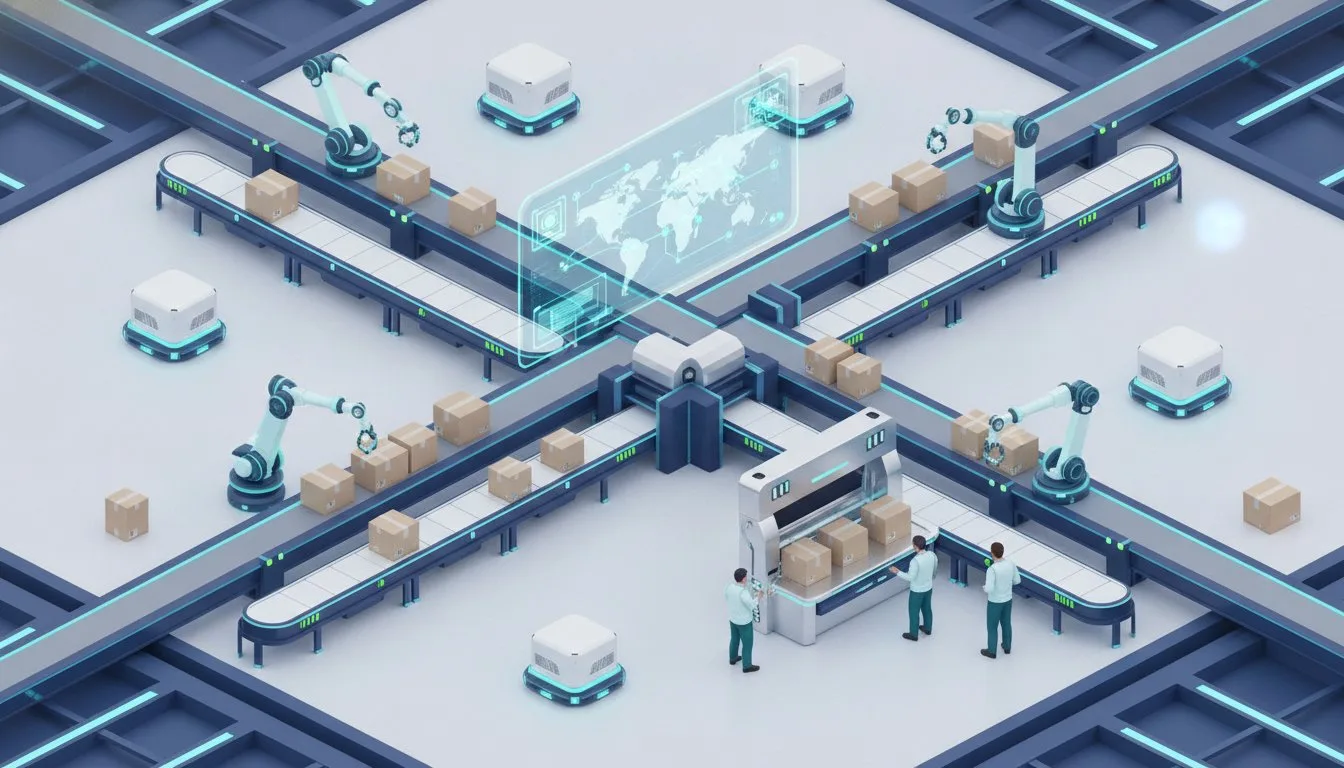
Technological advancements have played a significant role in shaping the evolution of logistics. Automation, artificial intelligence, and data analytics now power sophisticated pack and ship systems, optimizing warehouse operations and enhancing delivery accuracy.
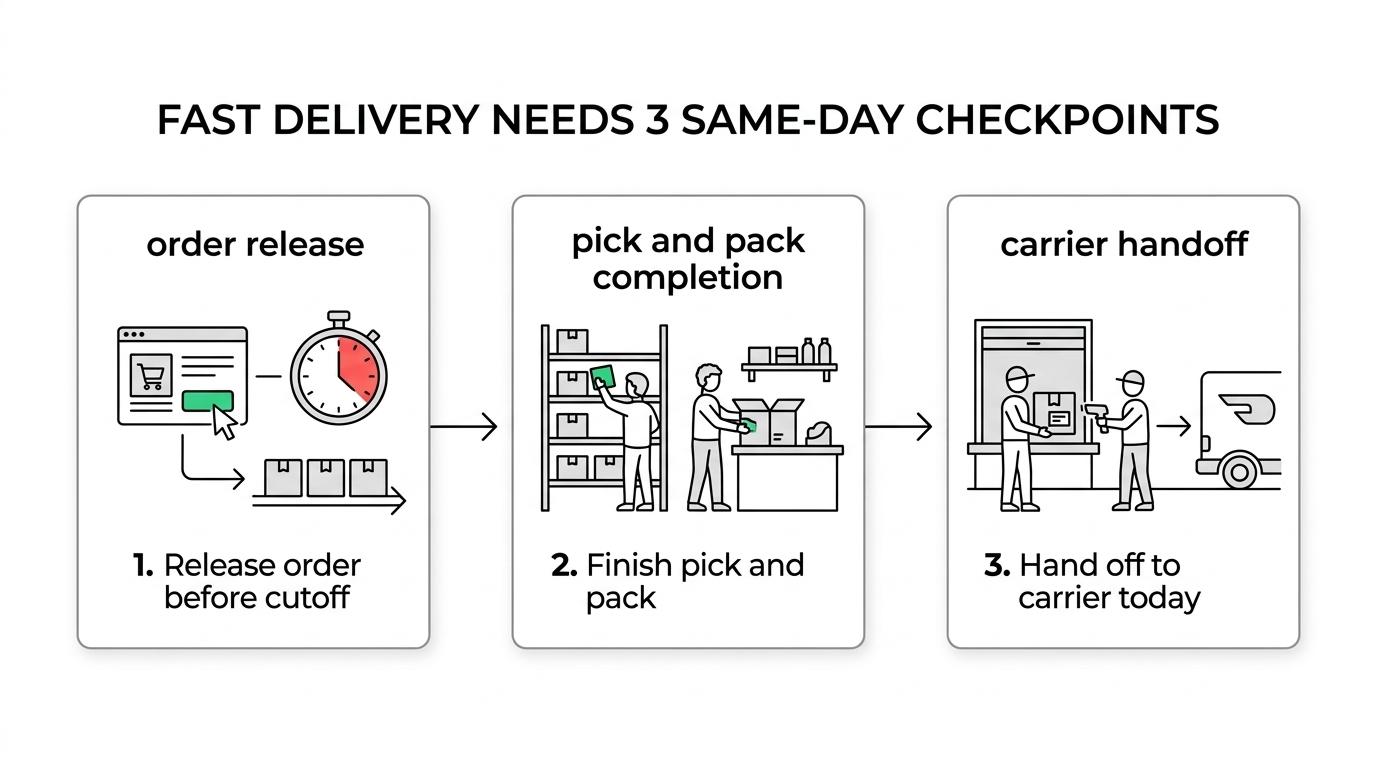
To meet the escalating consumer expectations for rapid deliveries and seamless order tracking, companies are redefining their pack and ship strategies. Same-day deliveries, smart packaging solutions, and eco-friendly practices are becoming standard in the competitive e-commerce landscape.
Efficiency in Packaging Solutions
Packaging plays a crucial role in the e-commerce experience, impacting brand perception, product protection, and sustainability goals. Balancing the need for protective packaging with sustainable materials is a key challenge companies face in pack and ship operations.
Customized packaging solutions not only enhance the unboxing experience for customers but also reduce shipping costs and minimize environmental impact. By right-sizing packages and adopting innovative materials, businesses can optimize their pack and ship processes.
Implementing automated packaging technologies can further streamline operations, ensuring efficient order processing and minimizing errors. By integrating intelligent systems, companies can achieve higher productivity levels and meet the demand for faster order fulfillment.
In the quest for sustainable practices, companies are exploring biodegradable packaging options and eco-friendly shipping alternatives. From compostable mailers to corrugated cardboard made from recycled materials, embracing green packaging solutions is a growing trend in pack and ship logistics.
Innovative Shipping Strategies
Shipping logistics pose unique challenges in the fast-paced e-commerce environment, where customer expectations for quick deliveries are at an all-time high. To meet these demands, businesses are experimenting with innovative shipping strategies that prioritize speed and efficiency.
Crowdsourced delivery services, autonomous vehicles, and drone deliveries are revolutionizing the traditional pack and ship model, offering expedited shipping options and last-mile solutions. By leveraging cutting-edge technology, companies can unlock new levels of logistical agility and customer satisfaction.
Real-time shipment tracking, route optimization software, and AI-powered delivery systems are transforming the way products are transported and delivered to consumers. These advancements not only enhance operational efficiency but also provide end-to-end visibility into the pack and ship process.
As the e-commerce landscape continues to evolve, mastering innovative shipping strategies is essential for staying competitive in the market. By embracing digital transformation and adopting flexible shipping solutions, businesses can navigate the challenges of pack and ship in Silicon Valley’s bustling online ecosystem.
As pack and ship play a pivotal role in the success of e-commerce ventures, mastering the art of seamless logistics is crucial for businesses striving to thrive in Silicon Valley’s fast-paced online marketplace. By embracing innovation and efficient strategies, companies can streamline their operations and cater to the ever-growing demands of online shoppers.
In the intricate web of healthcare logistics, ensuring that vital products reach their destinations in a timely is crucial. The backbone of this process lies in strategic partnerships with logistics experts who understand the unique demands and stringent requirements of the healthcare industry.
Streamlining Healthcare Logistics
Efficient healthcare supply chains are the lifeline of the industry, ensuring that hospitals, clinics, and other medical facilities have the essential products they need to deliver quality care. From pharmaceuticals to medical equipment, the timely delivery of these products is non-negotiable. This is where the expertise of a seasoned logistics partner in healthcare comes into play.
These logistics partners specialize in the unique requirements of handling healthcare products, including stringent regulations, temperature-sensitive items, and the need for precise tracking and monitoring. By entrusting your distribution needs to a partner well-versed in healthcare logistics, you can streamline your supply chain and enhance overall operational efficiency.
Moreover, in an industry where delays can have serious consequences, having a reliable logistics partner is paramount. Whether it’s ensuring the timely delivery of critical medications or maintaining the integrity of diagnostic sample. The right partner can help you navigate the complexities of healthcare logistics with confidence and precision.
Optimizing your healthcare products distribution through a strategic logistics partnership logical. You enhance the speed and reliability of your supply chain. Plus you free up valuable resources to focus on what matters most – delivering exceptional care to patients in need.
Choosing the Perfect Logistics Partner
Selecting the ideal logistics partner for your healthcare distribution needs requires careful consideration and assessment of various factors. Beyond logistical capabilities, it’s essential to choose a partner with a deep understanding of the regulations governing the healthcare industry.
Look for a logistics provider with a proven track record in handling pharmaceuticals, medical devices, and other healthcare products. Their expertise in specialized handling requirements, such as cold chain management for temperature-sensitive items, can significantly impact the integrity and efficacy of your products.
Additionally, a logistics partner that prioritizes technology and innovation can offer valuable solutions to ensure compliance with industry regulations. The use of advanced analytics and forecasting tools can further optimize inventory management and distribution efficiency.
When evaluating potential logistics partners, consider their commitment to quality, safety, and ethical standards. A partner that shares your dedication to upholding the highest standards of healthcare logistics can become an invaluable extension of your supply chain, driving performance and reliability across the board.
In conclusion, by forging a strategic partnership with a logistics provider that specializes in healthcare, you can position your distribution network for success in an industry where precision, speed, and compliance are non-negotiable. Choose your logistics partner wisely, and watch as your healthcare products distribution reaches new levels of efficiency and effectiveness.
When it comes to healthcare logistics, the right logistics partner can make all the difference. From streamlining operations, reducing costs, and ultimately improving patient care. Choosing a partner that aligns with your specific needs and values, you can elevate your distribution processes to new heights.