


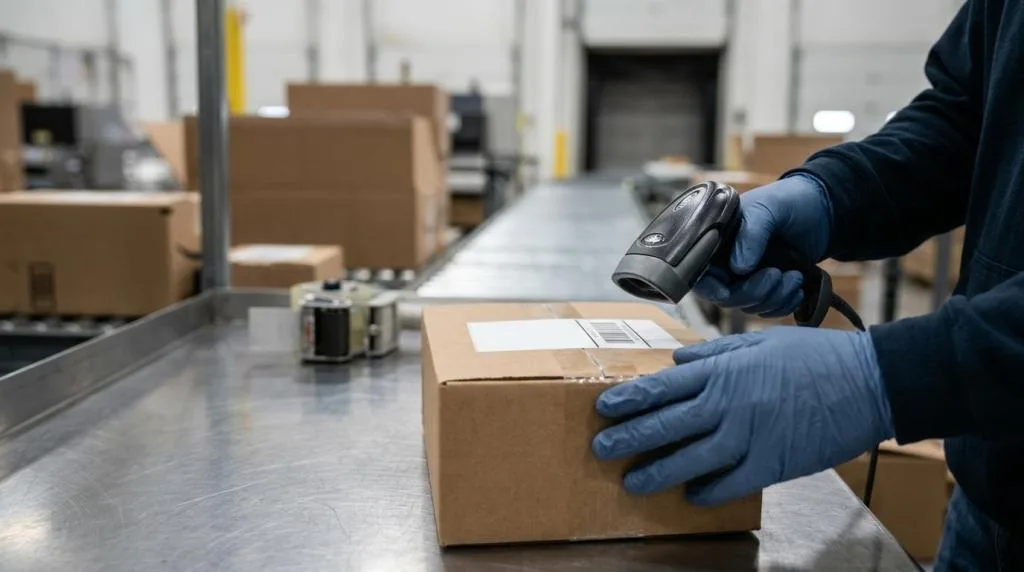
Best Pick and Pack Solutions for Brands
Pick and pack solutions sit at the center of ecommerce performance because they decide whether an order leaves the warehouse fast, accurately, and at a sustainable cost. When the process is strong, brands ship faster, reduce customer service tickets, and protect gross margin during growth spikes. The main problem these solutions solve is operational friction: turning live orders and stored inventory into correctly packed shipments without stock errors, carrier delays, or labor bottlenecks. For many brands, the right fulfillment setup becomes a growth system, not just a warehouse function.
What makes a pick and pack solution actually effective?
The best pick and pack solutions combine speed, control, and visibility. Amazon FBA and SVDirect illustrate the core model: barcode-driven picking, real-time inventory data, and disciplined packing workflows that keep error rates low while preserving carrier choice and customer experience.
A strong solution does five things well. It receives inventory cleanly, stores it logically, picks the correct SKU and quantity, packs to channel requirements, and pushes orders into the right carrier service at the right cutoff time. If one of those steps breaks, the whole economics of fulfillment shift.
Accuracy is the first filter. A provider can promise fast shipping, but if mis-picks trigger reships and refunds, your landed cost climbs fast. Best-in-class operators use barcode scans, location controls, and a second verification step on higher-risk orders. That is why claims like Red Stag’s 99.6% accuracy or SVDirect’s double-verified accuracy matter more than generic “fast fulfillment” language.
Speed matters too, but only in context. Same-day shipping is useful if your order cutoff, carrier pickups, and inventory sync can support it consistently. Common misconception: a 2-day delivery promise and same-day warehouse processing are the same thing. They are not. One measures internal cycle time, the other includes carrier transit zones and service selection.
The most effective partners also give brands clear reporting, responsive human support, and room to scale without forcing large minimums too early.
How does the pick and pack process work from order to shipment?
The standard workflow is receiving, putaway, picking, packing, and shipping. FedEx Fulfillment and SVDirect follow this structure because it reduces inventory drift, makes cycle counts easier, and creates clean handoffs between warehouse operations and carrier dispatch.
Step 1: Inventory is received, inspected, and assigned to warehouse locations. Good operators create a dock-to-stock process so product becomes sellable fast. If inbound inventory is mislabeled or bundled incorrectly, then stockouts and oversells usually show up days later, not at receiving.
Step 2: Orders flow from Shopify, Amazon, or another channel into a warehouse management system. The WMS creates pick tasks, often by zone, wave, or batch. Barcode validation confirms the picker is at the right bin and holding the right SKU. Pro tip: ask how exceptions are handled when an item is missing from its assigned location. That answer tells you more than a sales deck.
Step 3: Packing, label creation, and carrier handoff close the loop. The warehouse checks packaging rules, inserts branded materials if required, and pushes tracking back to the storefront. If your orders include retail routing guides, lot control, or Amazon prep, then this last stage becomes more specialized and much less forgiving.
What are the best pick and pack solutions for growing brands?
The best options depend on channel mix, SKU profile, and service expectations. SVDirect, Amazon FBA, ShipBob, Red Stag, and Fulfillrite are all credible benchmarks, but each wins for a different operating model rather than a universal “best for everyone” claim.
For fast-growing brands, the strongest choice is usually the provider that fits your order pattern, not the biggest logo. A beauty brand with light parcels needs something very different from a furniture brand with oversized cartons.
- Silicon Valley Direct (SVDirect): A strong fit for multichannel ecommerce brands that want same-day shipping, no minimum order requirement, 80+ integrations, dedicated account management, and West Coast fulfillment from Union City, California. It stands out for brands that value real-human support, custom workflows, and warehouse visit access.
- Amazon FBA / Multi-Channel Fulfillment: Best for sellers with heavy Amazon volume or brands that want Prime-adjacent speed and massive scale. The trade-off is less packaging control and a tighter fit with Amazon’s rules and fee model.
- ShipBob: Well suited to DTC brands that want distributed inventory, cloud reporting, and fast national coverage. Case studies cite major shipping-time reductions, though pricing is custom and network fit matters.
- Red Stag Fulfillment: A smart choice for heavy, fragile, or high-value items. Its reputation comes from quality control and secure handling, not low-cost commodity fulfillment.
- Fulfillrite: Often a practical entry point for smaller brands that want transparent, simple pricing and easy onboarding without enterprise complexity.
How do you choose the right pick and pack provider for your SKU mix?
The right provider matches your product physics, order profile, and channel rules. Red Stag and Amazon FBA show why: one is built for bulky, fragile goods, while the other excels at standardized, high-velocity marketplace fulfillment.
Step 1: Profile your catalog honestly. Measure average order size, unit dimensions, weight breaks, fragility, lot or expiry needs, and bundle frequency. Common misconception: average order value tells you enough. It does not. A catalog with one oversized SKU can reshape storage, labor, packaging, and postage costs.
Step 2: Map your channels and service constraints. If you sell on Shopify plus wholesale retail dropship, then routing-guide compliance and carton labeling matter. If you sell healthcare products or literature, then traceability and documentation often matter just as much as shipping speed.
Step 3: Stress-test the fit. Ask for sample invoices, cut-off times, returns SOPs, and a live walkthrough of the client portal. If the provider cannot explain how inventory moves from receiving to exception handling, then you are buying uncertainty, not efficiency.
This is where regional fit matters. A Bay Area brand shipping nationwide may prefer a West Coast node like SVDirect first, then add more distribution later if volume justifies it.
Is a 3PL pick and pack service better than in-house fulfillment?
A 3PL is usually better once order volume, channel complexity, or labor variability rises. Shopify-first brands and Amazon sellers often hit this point sooner than expected because postage, storage discipline, and staffing become harder to manage internally.
In-house fulfillment gives maximum control. You control packaging, walk the shelves yourself, and can make same-hour changes. That can work well when order volume is low, SKUs are simple, and the founding team still wants operational proximity.
A 3PL shifts the economics. You trade some direct control for labor flexibility, negotiated shipping rates, warehouse systems, and execution bandwidth. If your team is spending afternoons printing labels and chasing inventory mismatches, then fulfillment is already taking time away from growth.
The real comparison is not rent versus storage fees. It is fully loaded cost versus fully loaded cost. Include warehouse space, labor turnover, WMS software, packaging supplies, management time, shrinkage, and the cost of shipping from one origin instead of a better-positioned network. Pro tip: if peak season requires temp labor, overtime, and last-minute packaging buys, your in-house model is probably more expensive than it looks.
How do pick and pack fees really compare across providers?
Pick and pack pricing is never just one fee. Amazon FBA and FedEx Fulfillment make this clear: the visible per-order rate is only part of the total cost once storage, receiving, returns, and surcharges are added.
A smart review starts with your average order profile, then tests how each pricing model behaves when volume, SKU count, or carton size changes. If your orders usually contain one item, a simple flat fee can work. If your orders contain three to five items, then “additional pick” pricing becomes far more important.
- Receiving: Per carton, per pallet, per hour, or included only up to a threshold.
- Storage: Per bin, shelf, pallet, or cubic foot. Amazon often prices by cubic foot, while others quote pallet or location fees.
- Pick and pack: First-item fee plus added-item fees, or a bundled per-order rate.
- Value-added work: Kitting, inserts, branded packaging, Amazon prep, and returns processing can materially change margin.
Historical market references help frame the range. Amazon fulfillment fees often land around $2 to $6 per unit depending on size and weight, plus storage. Older FedEx examples cited around $0.40 for pick and pack plus storage of roughly $8 to $15 per pallet per month, though live quotes vary. Common misconception: the cheapest pick fee equals the lowest total fulfillment cost. It rarely does.
How can you onboard to a new pick and pack solution without disrupting orders?
A smooth onboarding depends on clean SKU data, parallel testing, and controlled inventory transfer. Shopify and NetSuite integrations can speed the move, but only if item masters, bundles, and order rules are standardized first.
Step 1: Clean the data before inventory moves. Normalize SKU names, barcodes, bundle logic, dimensions, and reorder thresholds. If the same item exists under two IDs across channels, then your first month will likely produce preventable exceptions.
Step 2: Run a parallel test. Send a limited order set through the new provider, confirm tracking sync, validate inventory adjustments, and test returns. Pro tip: do not skip edge cases. Test bundles, split shipments, backorders, and canceled orders, not just easy one-line orders.
Step 3: Move inventory in phases and protect service levels. Keep safety stock, preserve your current fulfillment path until the new one is stable, and watch cut-off times closely. If peak season is approaching, then move earlier than you think. Brands that wait until Q4 often pay for speed with avoidable errors.
Which technology features matter most in modern pick and pack operations?
The most important features are WMS control, barcode validation, live inventory visibility, and flexible integrations. ShipBob and SVDirect both reflect this reality: software quality often matters more than visible warehouse automation.
Robots get attention, but the real performance gains usually come from cleaner system logic. A modern pick and pack stack should connect your storefront, order management, warehouse management, and carrier tools without manual rekeying. If orders are imported late or inventory updates are delayed, then customer promises break before labor even starts.
Look for real-time order status, location-based inventory, automated shipping rules, and reporting that surfaces aging stock and exception rates. For regulated or sensitive categories, lot tracking and expiration control matter. For custom packaging brands, insert logic and order tagging matter.
Pro tip: ask whether the provider supports 80+ native integrations, custom API options, or both. If your brand changes apps regularly, flexibility in integrations can be more valuable than a sophisticated conveyor line.
How do accuracy and same-day shipping affect margin and customer retention?
Accuracy and same-day shipping directly protect profit. Red Stag’s 99.6% accuracy and ShipBob case studies on shorter transit times show the same pattern: fewer errors and faster fulfillment reduce support costs while improving repeat purchase behavior.
A wrong order is not a small mistake. It can trigger outbound freight, return handling, replacement freight, customer service time, and a lost next purchase. If your average order value is modest, one avoidable mis-pick can erase profit from several correct orders.
Speed also compounds. Same-day shipping shortens order cycle time, increases the chance of hitting promised delivery windows, and reduces “where is my order?” contacts. SVDirect states that more than 99% of orders ship same day, while its double-verification standard aims to reduce costly reships.
- Margin protection: Fewer reships, fewer refunds, lower support labor.
- Conversion support: Faster stated delivery dates can improve checkout confidence.
- Retention impact: Reliable delivery increases trust, especially for replenishment products.
- Brand perception: Clean packaging and correct contents shape the unboxing moment.
If your brand sells supplements, cosmetics, or repeat-purchase essentials, then operational consistency often matters more than shaving a few cents off the pick fee.
When should a brand switch pick and pack partners?
A switch is justified when service quality blocks growth. Amazon MCF and regional 3PLs like SVDirect solve different problems, so the trigger is rarely size alone. The real signal is when your current partner no longer fits your channels, products, or service targets.
Watch for pattern changes, not isolated mistakes. Rising inventory discrepancies, delayed receiving, weak retail compliance, poor reporting, or account support that disappears during peaks all indicate structural fit problems. If a partner cannot support Canada, custom packaging, lot control, or new marketplace rules, growth gets boxed in.
One more misconception deserves attention: brands often wait until performance becomes painful. That is late. If customer complaints are rising or you are manually patching inventory data every week, then planning the transition early is safer than reacting during a crisis.
Ask for KPI transparency before and after the move. Order accuracy, same-day ship rate, dock-to-stock time, shrinkage, and support response times give you the clearest answer on whether the next solution is actually better.