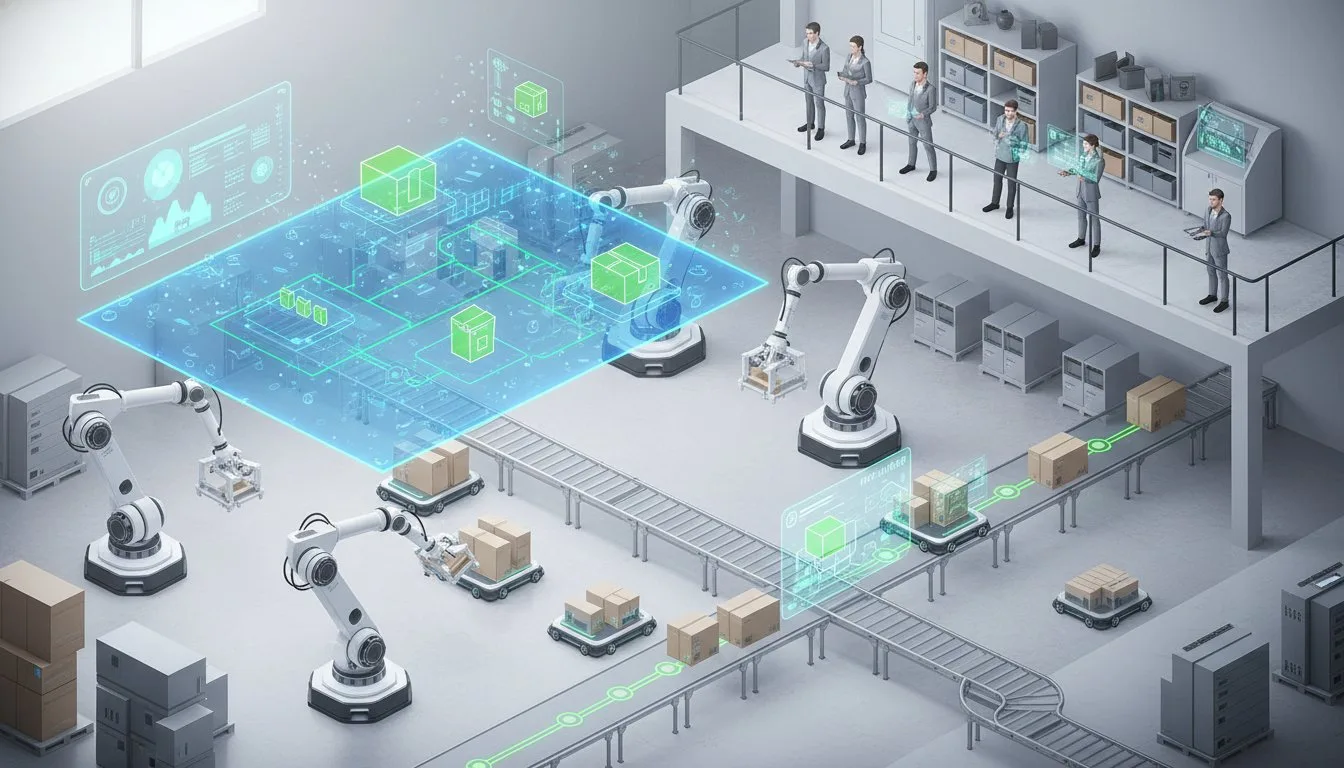
The Strategic Guide to 3PL Inventory Management Software in 2026
What if your warehouse wasn’t just a physical space, but a high-definition digital twin that predicted your next stockout before your customer even hit the checkout button? In 2026, the margin for error in logistics has effectively vanished. You’ve likely experienced the frustration of overselling due to a lag in stock updates or the visibility gap that occurs during complex kitting projects. When manual billing errors start eating into your bottom line, it’s clear that yesterday’s tools can’t keep up with the demands of a $1.8 trillion global market.
We understand that behind every SKU is a promise you’ve made to a customer. This guide explores how advanced 3pl inventory management software architectures transform chaotic supply chains into precision-engineered growth engines. You’ll discover how to achieve real-time synchronization across all sales channels and leverage detailed reporting for more accurate forecasting. We’ll preview the essential features that turn returns management from a headache into a competitive advantage, ensuring your operations remain as sophisticated and reliable as the brand you’ve built.
Key Takeaways
- Understand how the transition from simple stock counting to omnichannel execution platforms creates a high-definition digital twin of your physical inventory.
- Identify the essential features of modern 3pl inventory management software, including real-time synchronization across Amazon, Shopify, and Walmart to prevent overselling.
- Learn to audit a potential provider’s tech stack by evaluating integration libraries and the transparency of their client-facing dashboards.
- Discover how barcode-driven validation and “Smart Pick” logic eliminate the manual errors and travel time that typically erode profit margins.
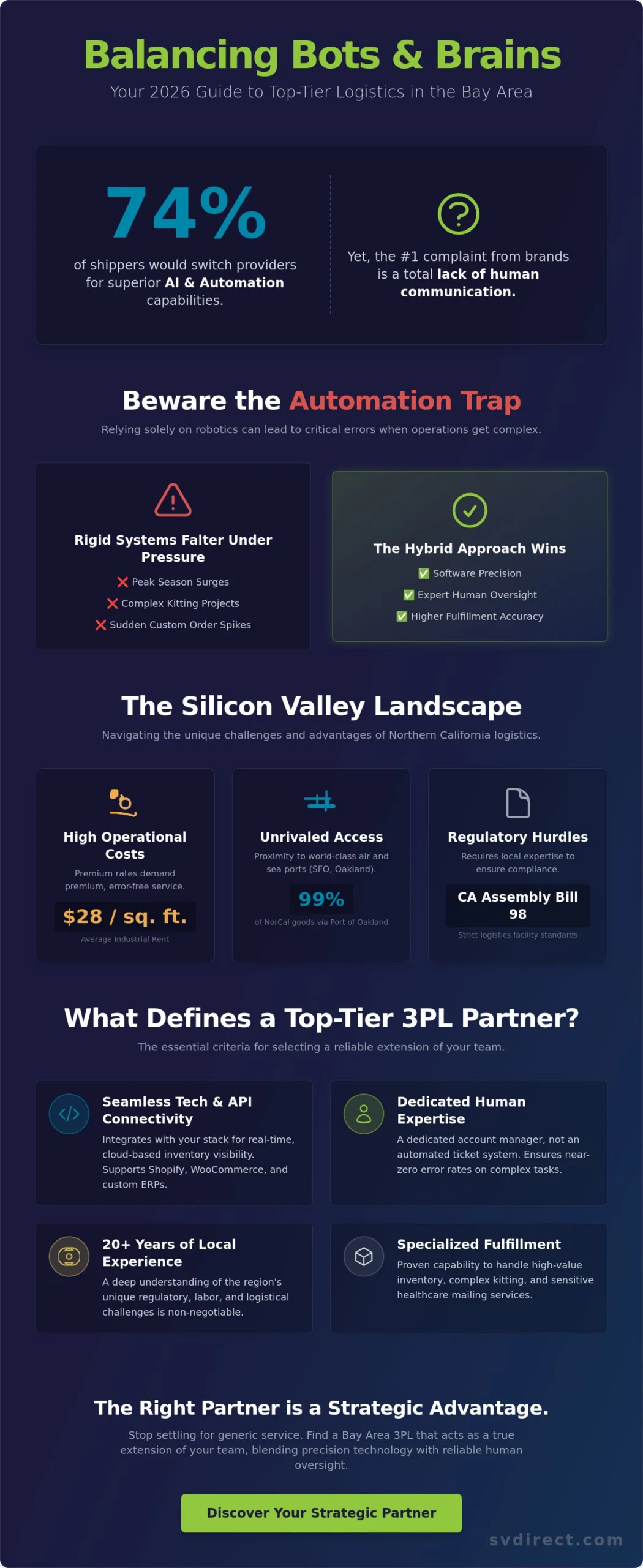
- Explore why a sophisticated logistics strategy requires a balance of innovative software and dedicated human oversight to manage complex kitting and returns.
What is 3PL Inventory Management Software in 2026?
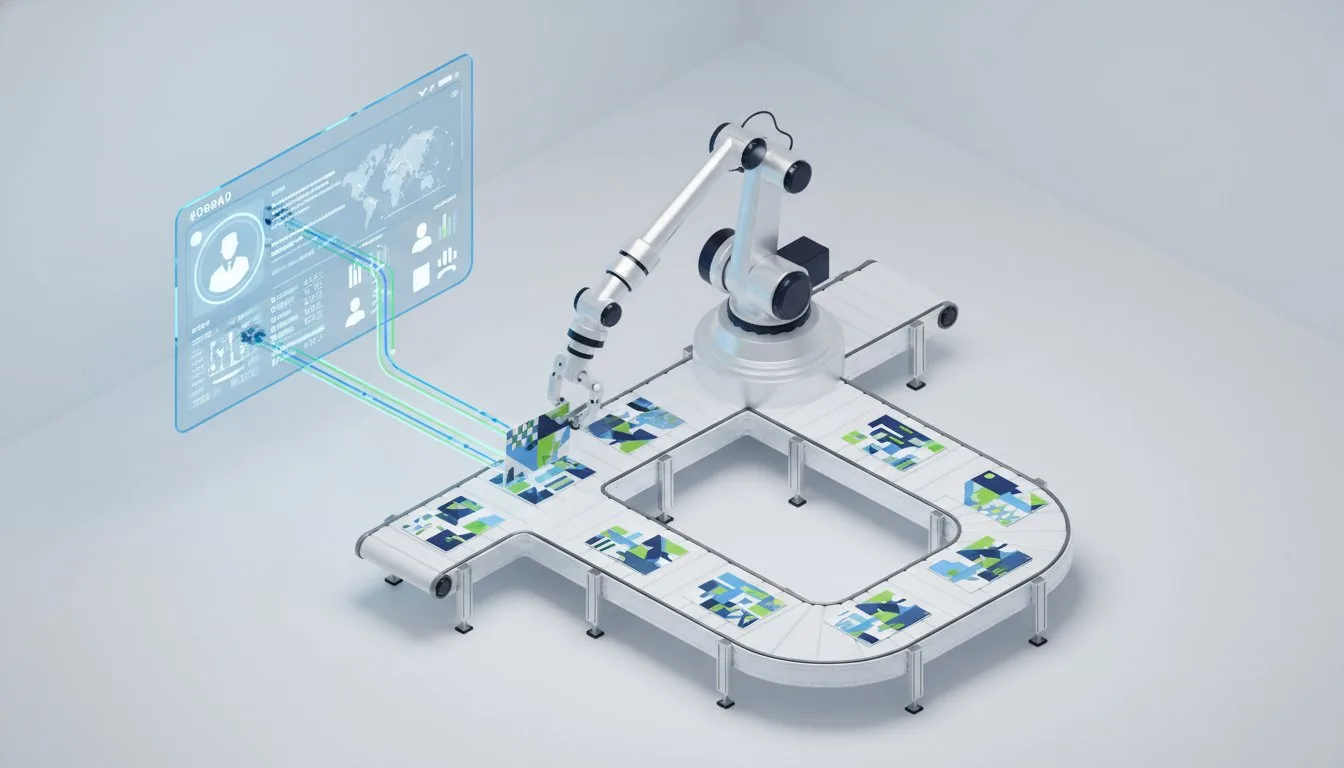
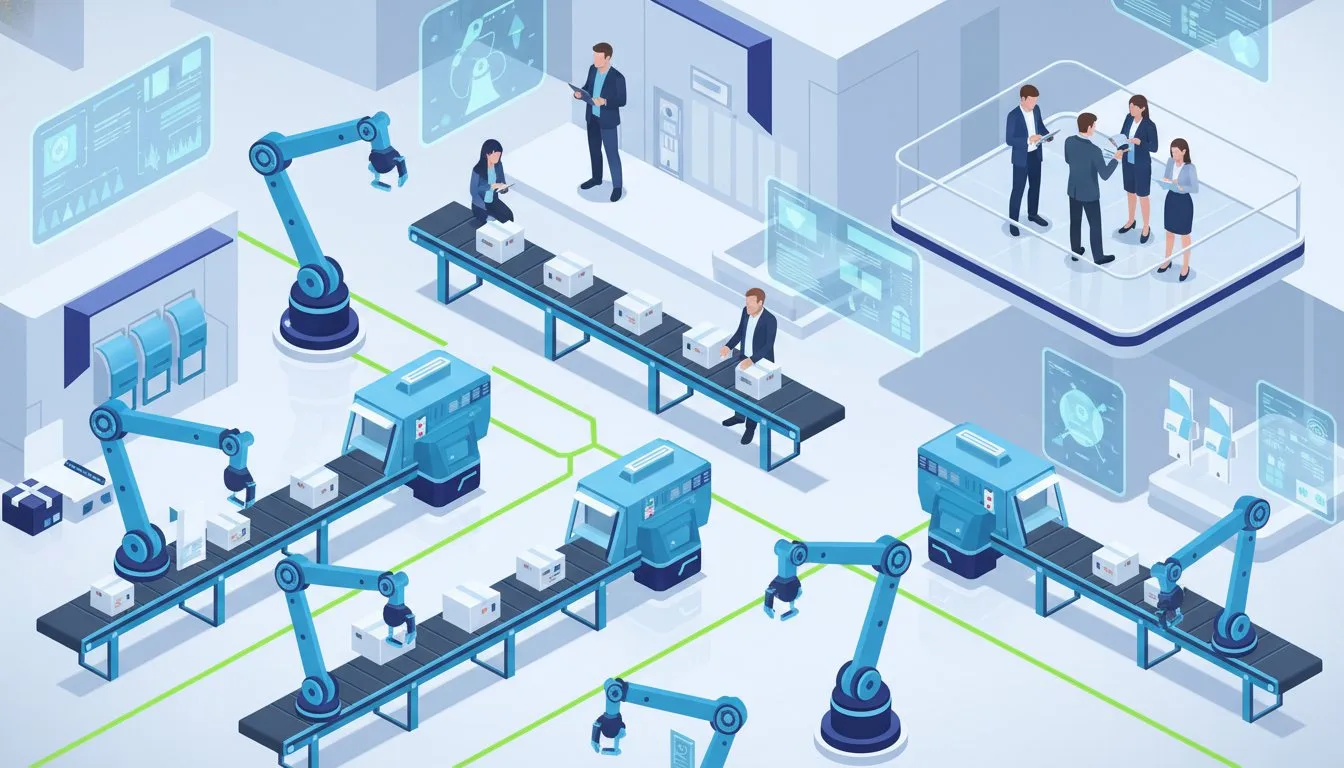
In 2026, 3pl inventory management software serves as the central nervous system for modern commerce. It’s no longer just a digital ledger for counting boxes; it’s a sophisticated Warehouse Management System (WMS) specifically engineered for the complexities of a Third-party logistics (3PL) environment. Unlike traditional software that manages a single brand’s stock, these modern platforms act as an omnichannel execution engine. They provide a “Digital Twin” of your physical inventory, allowing you to visualize stock movements, kitting progress, and returns in real time from anywhere in the world. This digital representation ensures that what you see on your screen is a precise mirror of what’s happening on the warehouse floor.
To better understand how these systems operate within a high-volume warehouse setting, watch this helpful overview:
The Evolution from Basic WMS to 3PL Intelligence
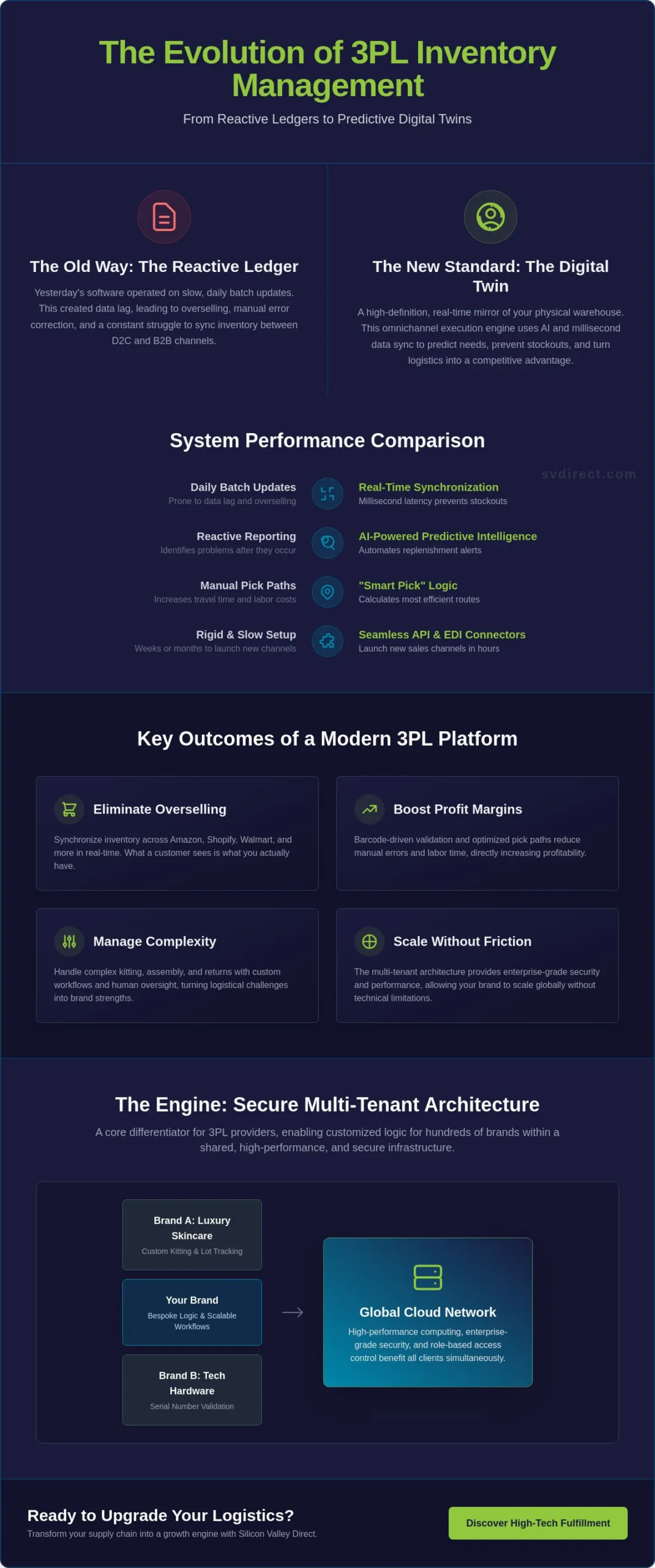
Legacy systems often struggled to bridge the gap between direct-to-consumer (D2C) agility and the rigid requirements of B2B wholesale. They were built for a slower era of commerce where daily batch updates were sufficient. Today, professional transparency demands a web-based interface that provides millisecond-latency data sync. We’ve moved beyond reactive logging into a period of proactive intelligence. Modern 3pl inventory management software integrates AI to analyze historical velocity, offering predictive stock leveling and automated replenishment alerts. This shift ensures you aren’t just seeing what you have, but understanding what you’ll need before a shortage occurs. It’s a proactive stance that transforms the warehouse from a cost center into a growth driver.
Multi-Tenant Architecture: The Core Differentiator
The primary technical requirement for a 3PL provider is the ability to manage hundreds of unique client databases simultaneously without compromising security or speed. Multi-tenancy is the ability to provide bespoke logic for each brand within a shared infrastructure. This ensures that your data remains in a secure silo, protected by role-based access, while still benefiting from the high-performance computing power of a global cloud network. In this environment, a luxury skincare brand and a technical hardware manufacturer can coexist on the same server, each utilizing custom workflows for kitting and assembly that are unique to their specific business model. It’s this balance of customized rules and enterprise-grade security that allows a brand to scale without the friction of technical limitations.
Core Functionalities That Drive eCommerce Growth
Growth in the modern marketplace requires more than just storage; it demands an active execution strategy. When you sell across Shopify, Amazon, and Walmart, your stock levels must be identical across every channel at every second. Modern 3pl inventory management software solves this by providing real-time synchronization that prevents the dreaded “out of stock” notification after a customer has already paid. Beyond simple syncing, these platforms utilize “Smart Pick” logic. This technology calculates the most efficient path through the warehouse, reducing travel time for staff and ensuring that orders are staged for shipping faster than ever before. It’s a proactive approach that turns logistical hurdles into a competitive advantage.
The Power of Seamless API and EDI Integrations
Scalability depends on how quickly your systems can talk to each other. Plug-and-play API connectors are the baseline for rapid scaling, allowing you to launch new sales channels in hours rather than weeks. However, for those moving into big-box retail, deep EDI integration is essential for compliance. This technical sophistication is a hallmark of logistics companies in Silicon Valley, where the proximity to innovation drives a higher standard for digital connectivity. When your software handles the heavy lifting of data translation, you can focus on brand strategy instead of troubleshooting connection errors.
Specialized Modules: Kitting and Healthcare Compliance
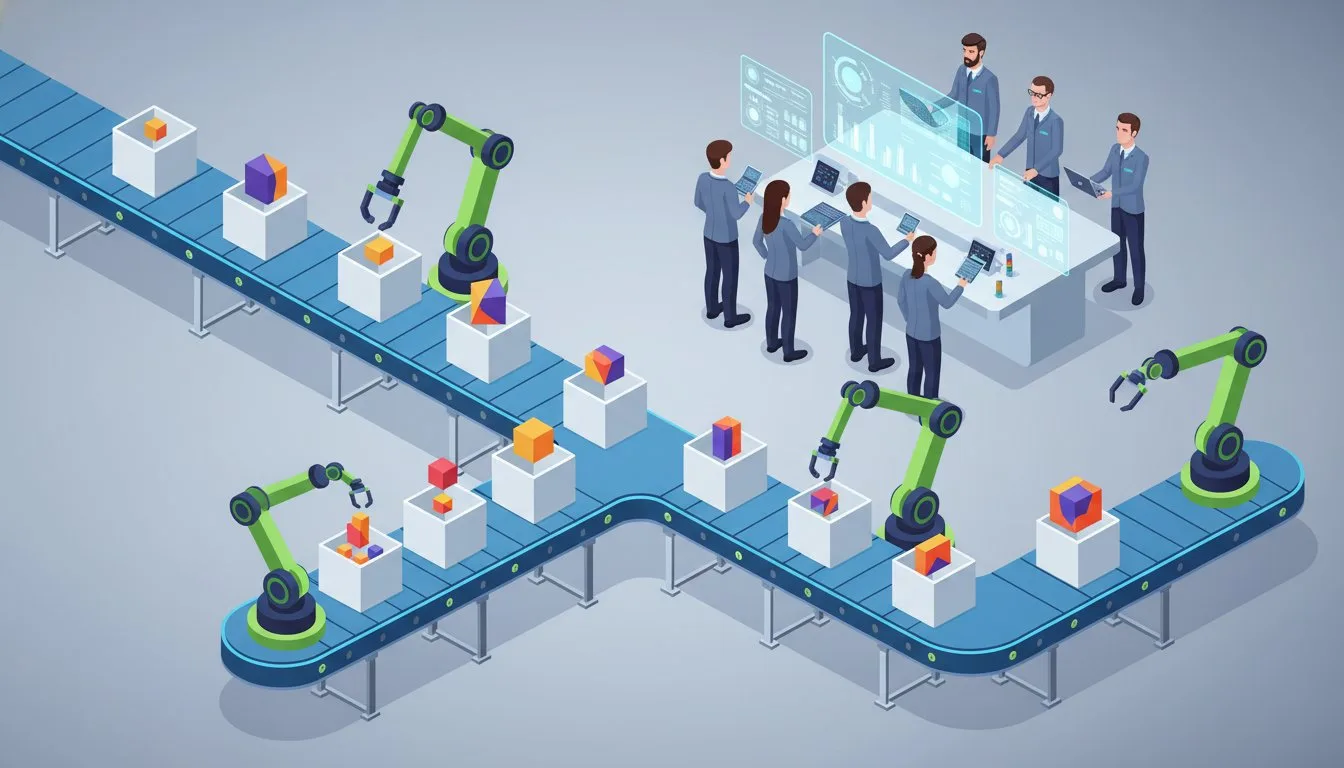
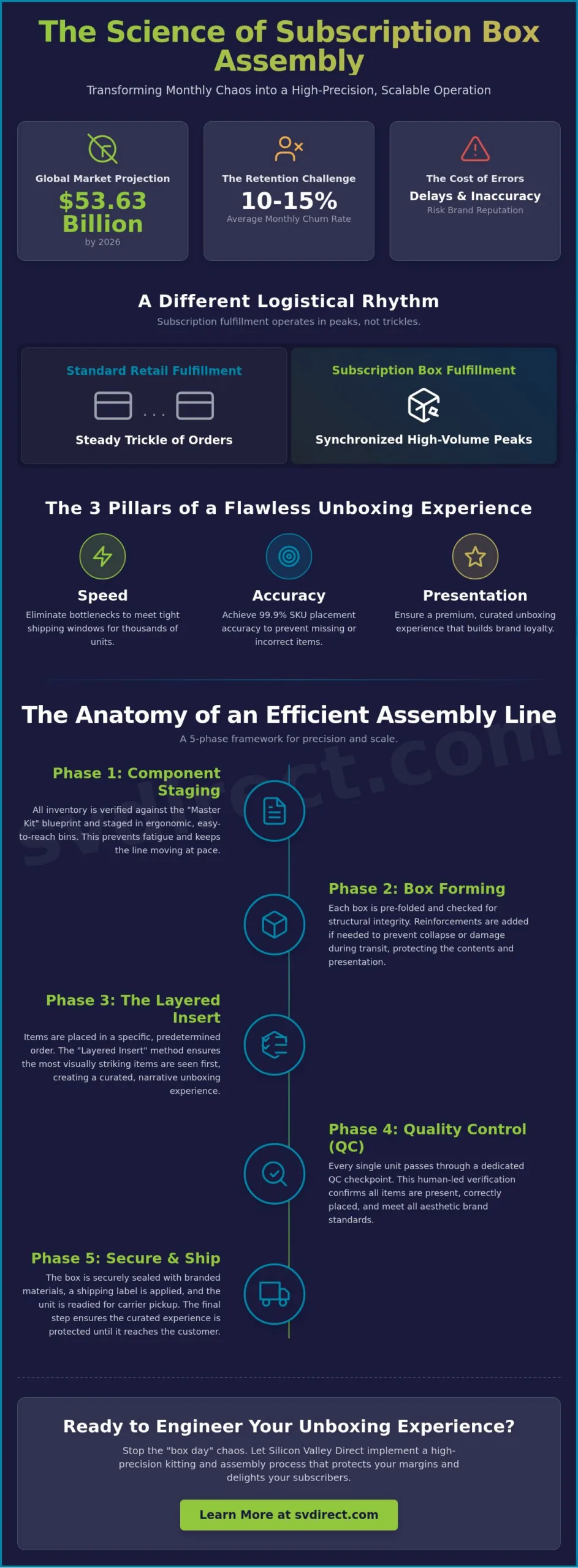
Many providers treat complex projects as an afterthought, but enterprise-grade 3pl inventory management software provides dedicated modules for specialized needs. Our system tracks “work-in-progress” for kitting and assembly services, giving you total visibility as individual components transform into finished subscription boxes or bundles. This level of precision is even more critical for healthcare mailing services. In this sector, lot tracking and expiration date management are mandatory for safety and regulatory compliance. The software ensures that the oldest stock is used first and that any sensitive materials are handled with the specific care they require.
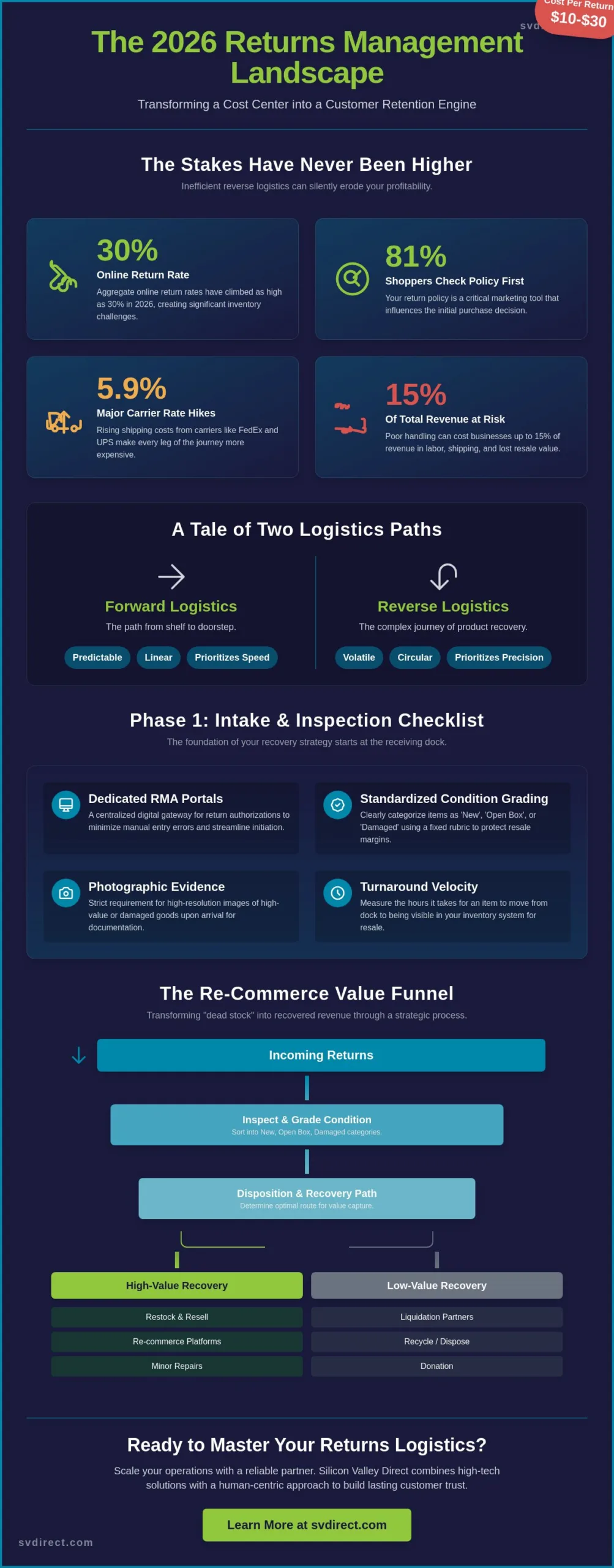
Returns management, or reverse logistics, is often where margins go to die. We use photo verification within our software to provide a “human-in-the-loop” check. This ensures that every returned item is inspected and documented before it’s either restocked or disposed of. If you’re looking for a partner that balances this high-tech precision with personal oversight, you might consider how we can streamline your specific fulfillment needs. This combination of robust software and human expertise creates a stable foundation for any brand aiming to lead its category in 2026.
Modern vs. Legacy Systems: A Performance Comparison
Choosing the right technology partner often comes down to a choice between proactive speed and reactive delay. Legacy systems, often tethered to physical on-premise servers, rely on scheduled batch processing. This means your stock levels might only update once every few hours or even once a day. In a high-velocity eCommerce environment, that delay is an invitation for overselling. Conversely, modern 3pl inventory management software operates on cloud-native architectures that deliver instant updates. When an item is picked in the warehouse, the change reflects on your sales channels in milliseconds, ensuring your digital storefront always matches the physical reality.
Accuracy follows a similar trajectory. Older models frequently depend on manual clipboard entry or spreadsheet reconciliation, which introduces a high probability of human error. Modern systems utilize barcode-driven validation at every touchpoint. From receiving and put-away to picking and packing, every movement requires a scan. This digital trail ensures that accuracy isn’t just a goal; it’s a verifiable reality. This level of precision eliminates the need for you to call a representative for a status update. Instead, client-facing portals provide 24/7 visibility into your operations, offering the same level of transparency you’d expect if the warehouse were your own.
The Hidden Costs of Outdated Logistics Software
The most dangerous part of legacy tech is what you can’t see. “Ghost inventory,” which refers to stock that appears in your system but doesn’t exist on the shelf, leads to backorders and eroded customer trust. Relying on manual data entry creates a labor drain that eats into your margins. Without automated logic, managing FIFO inventory management becomes nearly impossible, significantly increasing the risk of product obsolescence. A modern system automates these rules, ensuring the oldest stock moves first and your capital isn’t tied up in expired goods.
Data Security and Compliance in the Cloud
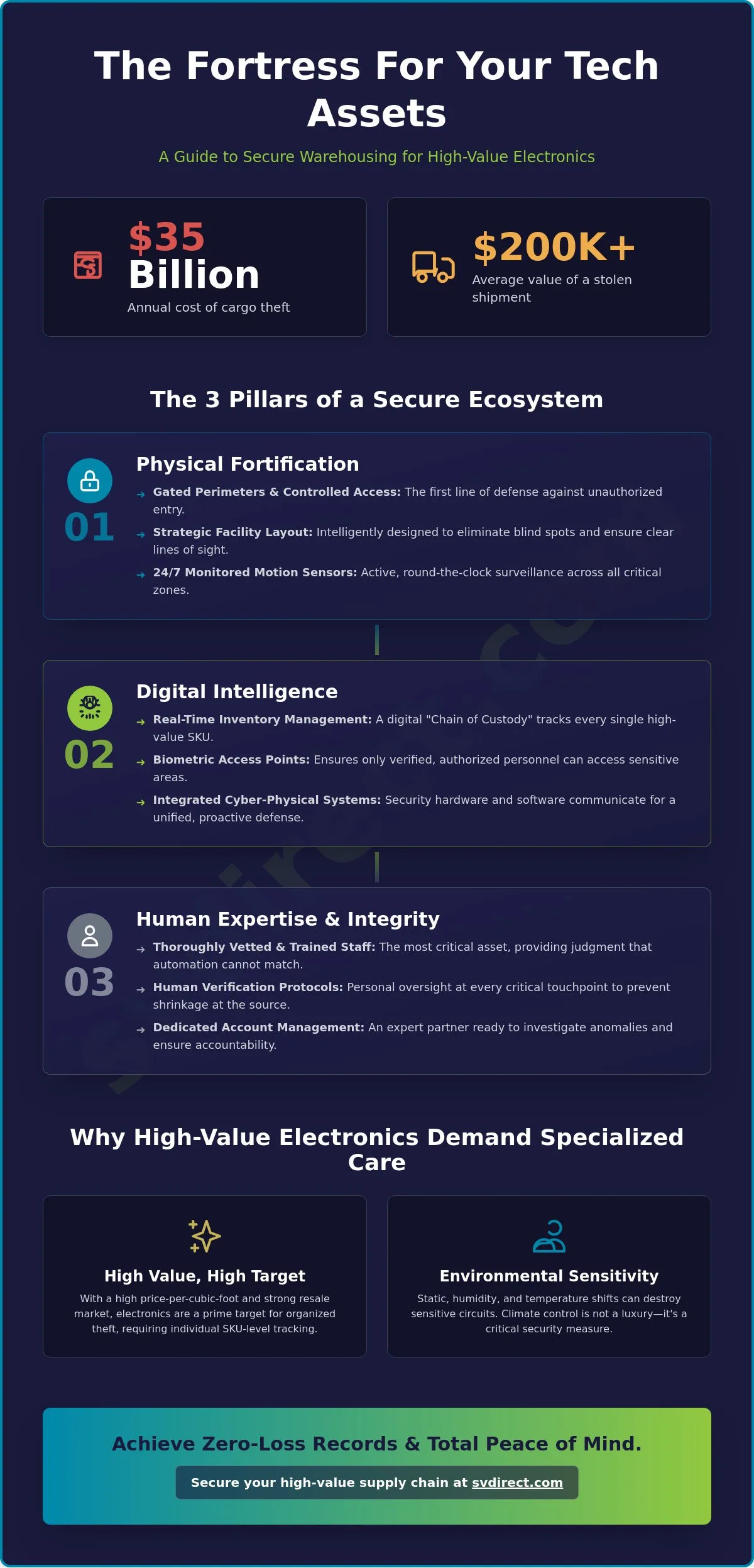
As supply chains become more digital, security is no longer optional. Modern providers prioritize SOC 2 compliance and encrypted data transmission to protect high-value goods and sensitive brand information. Scalability is achieved through elastic cloud resources that expand during peak seasons without the risk of server crashes. This infrastructure guarantees 99.9% uptime, which is vital for operational continuity. For a deeper look at how physical and digital safety intersect, see The Strategic Guide to Secure Warehousing Services. In the high-stakes world of 2026 logistics, a steady hand and a secure server are equally important.
Evaluating Your Provider’s Tech Stack: A Decision Framework
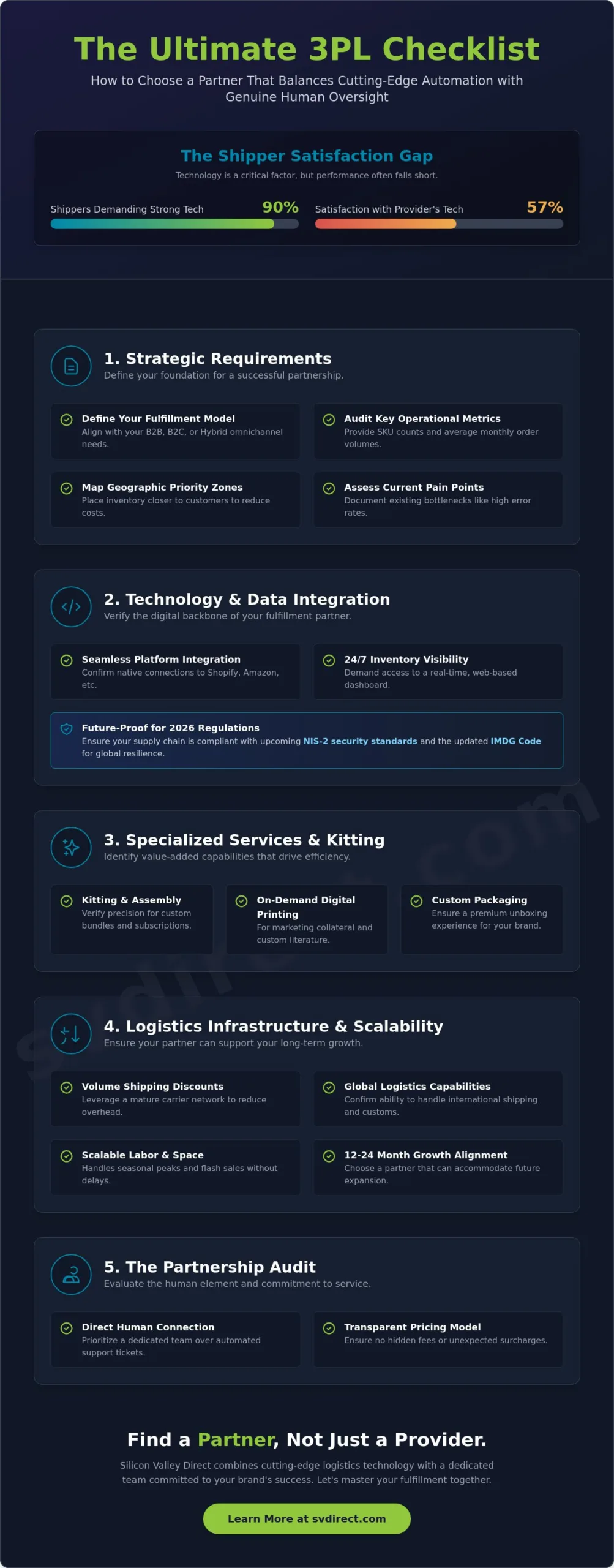
Selecting a logistics partner is a technical investment as much as an operational one. When you vet a provider, you are essentially auditing the 3pl inventory management software that will govern your brand’s growth. A sophisticated tech stack should bridge the gap between your digital storefront and the physical warehouse floor without requiring constant manual intervention. To ensure your partner can handle the complexities of 2026 commerce, utilize this five step framework during your evaluation process.
- Audit the Integration Library: Verify that they offer native connections for your specific sales channels, whether you’re on Shopify, Amazon, or niche B2B platforms.
- Request a Dashboard Demo: A live walkthrough of the client portal is the only way to verify true transparency.
- Verify Carrier Logic: Ask how the system handles “Batch Delivery to Carrier” and ensure tracking numbers are pushed back to your store the moment a label is generated.
- Analyze Reporting Capabilities: Confirm the software can generate custom reports for Lifetime Value (LTV) and shipping margin analysis to help you protect your bottom line.
- Confirm Specialized Support: If you handle sensitive goods, ensure the system natively supports lot tracking, expiration dates, or HIPAA compliance.
Transparency Check: The Client Portal
The ability to see real-time “Pick and Pack” statuses from your own desk is no longer a luxury; it’s a requirement for agile management. You should be able to monitor every order’s journey without picking up the phone. When tracking numbers are pushed back to your store instantly, your customer service team spends less time answering “where is my order” queries. A 3PL without a client portal is a “black box” that limits your growth and obscures critical operational data. Transparency builds the trust necessary for a long term partnership.
Integration Depth vs. Width
While many providers claim to “integrate with everything,” the depth of that connection matters more than the width. A native integration is superior to a middleware solution because it reduces the points of failure and ensures data flows bi-directionally without lag. This depth is vital when managing global shipping services, where customs documentation and international tracking must be handled with absolute precision. Your 3pl inventory management software should also automate the returns and exchanges process, turning a potential loss into a seamless customer experience. If you are ready to move away from “black box” logistics and toward a transparent, tech-forward partnership, we invite you to request a free quote today and see our systems in action.
SV Direct: Where High-Tech Efficiency Meets Human Oversight
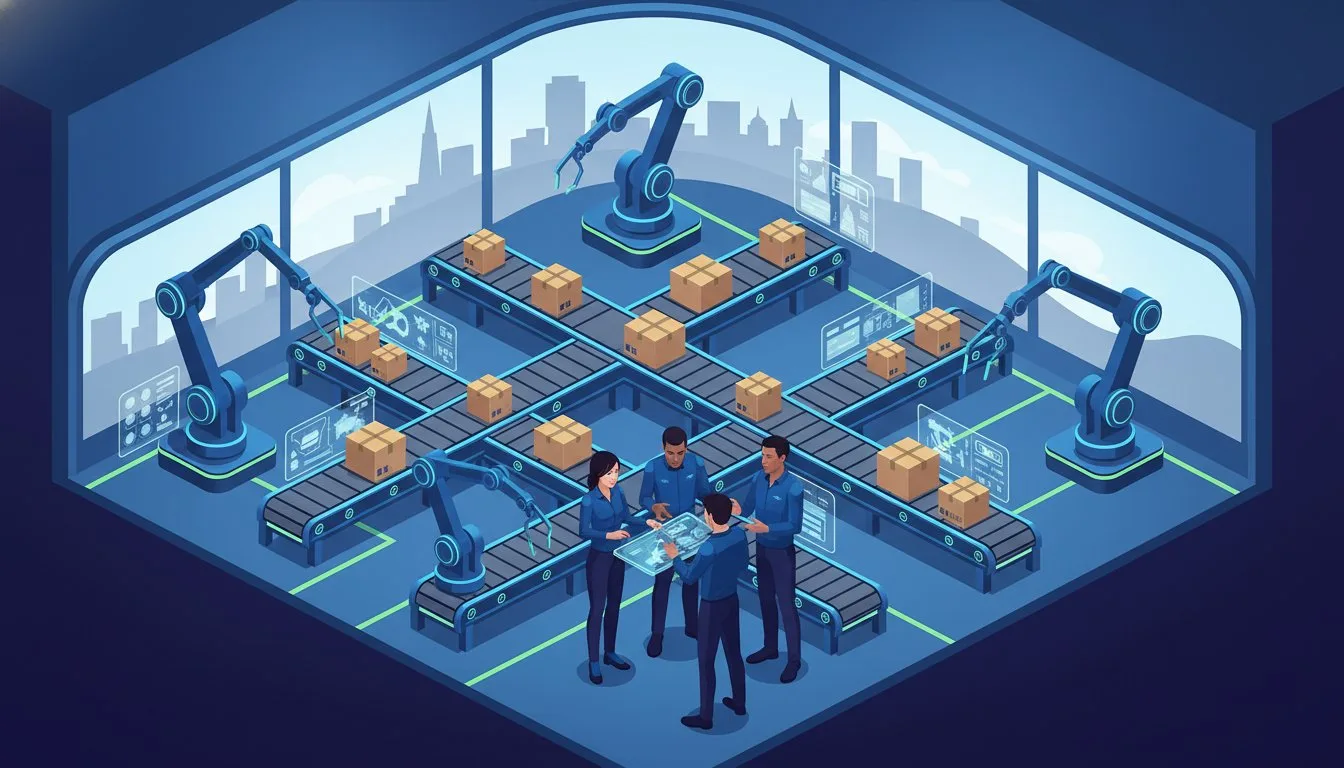
At SV Direct, we believe that the most powerful 3pl inventory management software is only as effective as the experts who manage it. Our proactive stance uses precision technology as a foundation, but we never let automation replace personal accountability. From our headquarters in the heart of Silicon Valley, we operate at the intersection of global innovation and physical logistics. This strategic location allows us to stay ahead of the technical curve while providing the stability of a partner with an extensive operational history. We don’t just offer a software interface; we offer a steady hand in a fast-paced industry.
Every brand has a unique DNA, and your logistics partner should respect that. We don’t force you into a rigid, one-size-fits-all box. Instead, we specialize in tailoring our WMS logic to your specific business rules. Whether you require complex kitting workflows or specialized handling for sensitive goods, our systems adapt to you. This “Human Signature” means that real people oversee every automated process, from initial receiving to final dispatch, ensuring that precision is maintained at every touchpoint. It’s a high-performance partnership that remains accessible and grounded.
A Legacy of Reliability in a Tech-Saturated Market
Since 1999, our organization has evolved alongside the digital revolution, yet our commitment to direct human connection remains unchanged. We explicitly reject the trend of fully automated interactions that treat clients like a ticket number. Instead, we use our software to empower our team to provide bespoke problem-solving. This meticulous approach is why brands trust us for secure warehousing for high-value electronics. We provide the physical infrastructure and the human expertise needed to protect your most valuable assets while maintaining the agility of a modern tech firm.
Ready to Streamline Your Supply Chain?
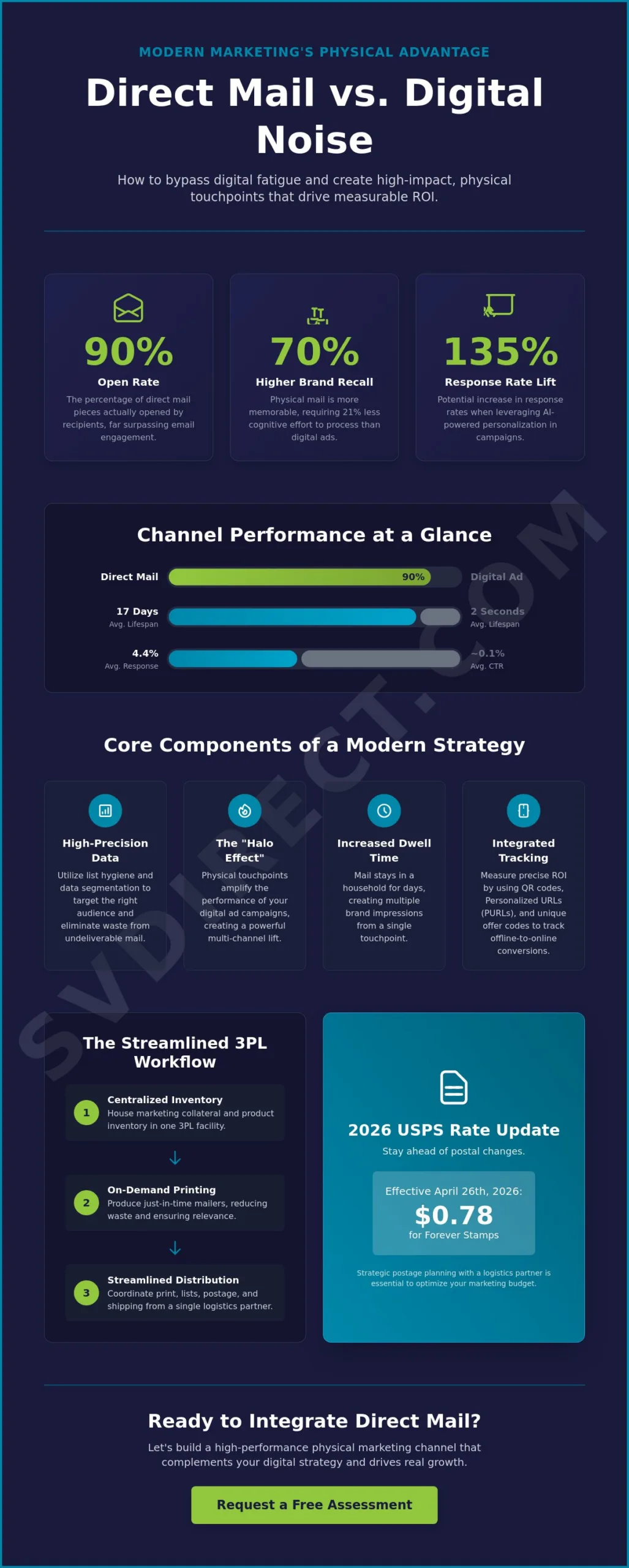
Scaling a business shouldn’t be a source of constant stress. Our 3pl inventory management software provides the granular clarity you need to make informed decisions about your stock levels and shipping margins. By combining on-demand digital printing, complex kitting, and global fulfillment in one integrated system, we eliminate the friction that often slows down growth. We take the time to understand the rationale behind your specific requirements, ensuring our physical operations are just as organized as our digital communication. If you’re looking for a high-performance partner that values transparency and directness, contact our Silicon Valley team today for a personalized logistics audit.
Master Your Supply Chain with Precision Execution
Moving beyond the limitations of legacy systems requires a commitment to real-time data and total transparency. We’ve explored how modern 3pl inventory management software acts as the digital twin of your physical stock, ensuring your brand remains agile across every sales channel. By auditing your provider’s tech stack and demanding deep integration, you protect your margins and your customer promises. The shift from reactive counting to proactive execution is what defines a market leader in 2026.
At Silicon Valley Direct, we bridge the gap between high-tech innovation and seasoned professionalism. Founded in 1999, our organization brings decades of operational expertise to every project. We’re strategically located in the heart of Silicon Valley, specializing in the complex requirements of high-value electronics and healthcare compliance. This unique combination of geographic advantage and industry experience allows us to provide a level of service that remains stable, secure, and deeply reliable.
Experience the precision of Silicon Valley Direct and contact us today.
Scaling your brand shouldn’t feel like a chaotic struggle. With the right technology and a dedicated team by your side, you can turn your supply chain into a steady, reliable engine for growth. We’re ready to help you navigate the future of fulfillment with confidence and care.
Frequently Asked Questions
What is the difference between a WMS and 3PL inventory management software?
While a standard Warehouse Management System (WMS) typically manages a single company’s goods, 3pl inventory management software is specifically designed for multi-tenant environments. This specialized architecture allows us to manage hundreds of unique client databases simultaneously. Each brand operates within its own secure data silo, utilizing bespoke logic and custom workflows while benefiting from our shared, high-performance physical infrastructure.
Can I see my inventory levels in real-time with Silicon Valley Direct?
Yes, we provide 24/7 real-time visibility through our dedicated client-facing portal. You can monitor every order’s journey from your own desk, including live “Pick and Pack” statuses and kitting progress. This level of transparency ensures that your digital records are a precise mirror of our physical warehouse floor, allowing you to make informed stock decisions without delay.
Does your software integrate with Shopify and other eCommerce platforms?
Our 3pl inventory management software features native, deep integrations for Shopify, Amazon, Walmart, and other major marketplaces. These “plug and play” connectors allow for millisecond-latency data synchronization across all your sales channels. By maintaining a constant link between your storefront and our facility, we effectively eliminate the risk of overselling and backorders.
How does 3PL software improve order fulfillment accuracy?
Accuracy is driven by barcode-driven validation at every touchpoint in our facility. From the moment stock is received to the final pack-out, every movement requires a digital scan to verify the SKU and quantity. This rigorous digital trail replaces manual clipboard entry, ensuring that the human element of our service is backed by foolproof technical checks.
Can the software handle complex kitting and subscription box assembly?
Yes, our system includes specialized modules built to manage the nuances of kitting and assembly services. We track individual components as “work-in-progress” items until they are transformed into finished bundles or subscription boxes. This granular tracking provides you with total visibility into your assembly projects, ensuring every kit meets your exact brand standards.
How secure is my data within a 3PL inventory management system?
We prioritize data security through SOC 2 compliance and fully encrypted data transmission for all brand information. Our cloud-native architecture provides 99.9% uptime and includes robust disaster recovery protocols to ensure operational continuity. Your data remains siloed and protected by role-based access, maintaining the same high standards we apply to our physical warehousing services.
What happens if my sales channel is not on your standard integration list?
We pride ourselves on total flexibility and bespoke problem-solving for our partners. If your specific sales channel is not on our standard list, our technical team can often utilize our robust API to build a custom connection. We reject impersonal business models in favor of direct collaboration, ensuring our technology adapts to your growth rather than limiting it.
Does the software support international shipping and customs documentation?
Our software fully supports global shipping and logistics, including the automated generation of complex customs documentation. The system calculates necessary duties and prepares international paperwork the moment an order is placed. This automation allows you to reach a global audience with the same precision and speed as your domestic shipments.