What if a mailing error started well before a document reached the printer? In healthcare, disconnected files, recipient data, personalization, and mail preparation can create handoffs where mistakes are harder to catch and responsibilities are less clear. Reliable healthcare document management and mailing depends on coordinating the full workflow, not just getting pieces into the mail.
Accuracy and patient trust matter, but evaluating a mailing partner also means understanding who owns each step, how you’ll see progress, and how issues will be resolved. This guide walks through the process from approved files and data to printing, preparation, mailing, and fulfillment. It also explains how to compare providers based on practical controls, visibility, and fit with your workflow.
You’ll find the key requirements to clarify before requesting a scoped proposal, including how recipient data is handled, how personalized documents are checked, and what reporting or tracking is available. With a clear view of the workflow and its ownership, you can ask specific questions and assess whether a potential partner can support your needs.
Key Takeaways
- See how healthcare document management and mailing connects approved files, recipient data, production, mail preparation, and delivery.
- Use an adaptable workflow to clarify approvals, data validation, inspection, dispatch, and who owns each handoff.
- Compare providers by workflow scope, data handling, quality checks, visibility, and how they manage exceptions.
- Prepare a checklist of document types, volumes, personalization needs, schedules, approval owners, and reporting requirements before requesting proposals.
- Compare internal coordination with outsourcing selected production steps, while keeping client oversight and process ownership clear.
Healthcare document management and mailing: what the workflow includes
Healthcare document management and mailing coordinates document data, production, mail preparation, and delivery as a connected workflow. It may include approved files, recipient data, production steps, and records that help teams understand what was prepared and where handoffs occur. Because the scope varies by organization and project, define the process instead of assuming what a service includes.
This work sits within the broader field of Health information management (HIM), which encompasses the management of health information. A mailing service may handle specific production and dispatch tasks. A connected workflow coordinates the transitions between approved content, data, printing, and mail preparation, with clear responsibility at each step.
Which healthcare communications may enter a mailing workflow?
Patient communications, statements, forms, and educational materials may each follow a different path. For billing statements generated through upstream billing workflows, providers often rely on revenue cycle specialists like Meridian RCM to handle claims management before data is exported for mailing. Treat every document type as its own workflow. Identify its approved content, intended audience, data source, and required production steps. This keeps the scope clear and separates document production from clinical content creation, medical advice, or healthcare software.
Where document management ends and mailing operations begin
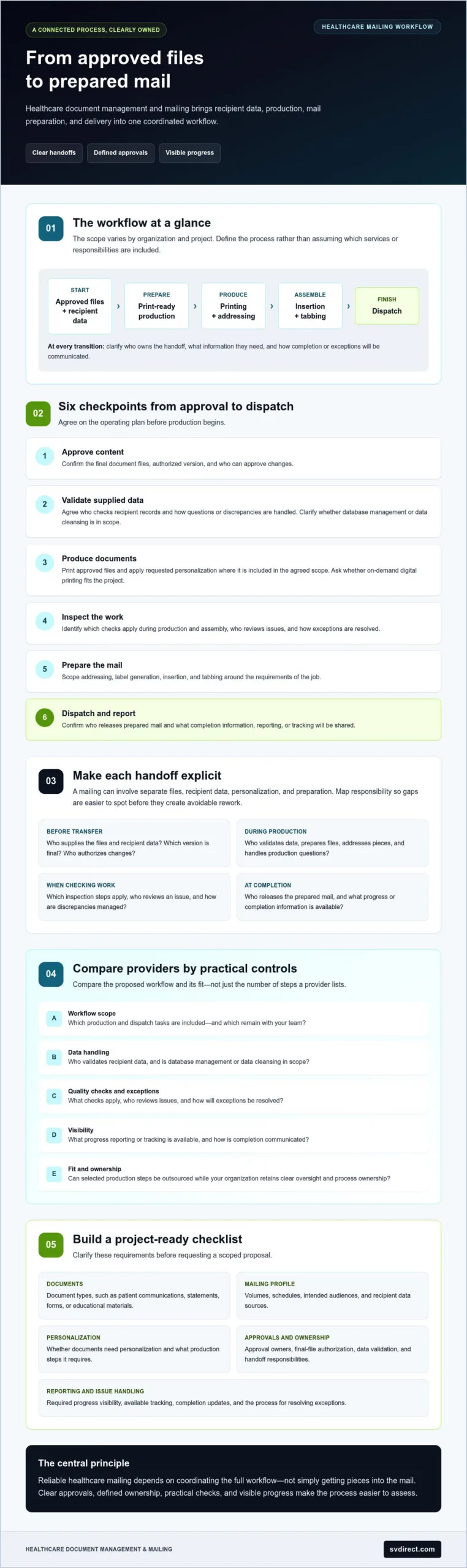
The production handoff typically begins when approved files and recipient data are ready for print. From there, operational steps may include printing, addressing, label generation, insertion, tabbing, and dispatch. Confirm who owns each handoff, what files or information they need, and how completion or exceptions will be communicated.
Workflow at a glance:
Approved files and recipient data → Print-ready production → Printing and addressing → Insertion and tabbing → Dispatch
For example, a team might approve a statement file and its recipient data, then transfer both for production. Before work begins, agree who validates the supplied data, who prepares the files, and who handles addressing and insertion. This ownership map can expose gaps before they lead to avoidable rework.
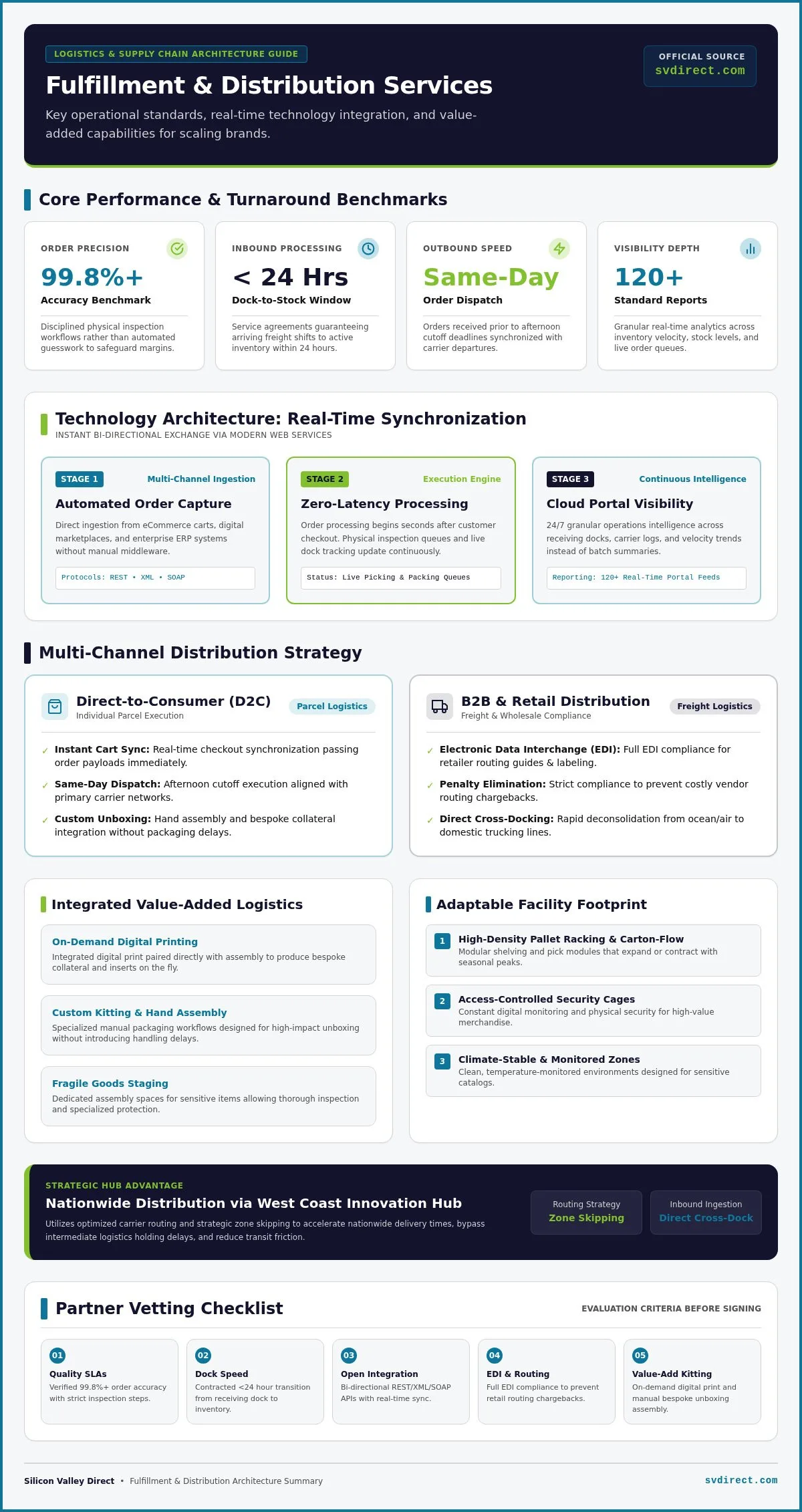
Silicon Valley Direct documents capabilities including digital and variable data printing, addressing, label generation, insertion, and tabbing, alongside healthcare mailing services. Its online order management page describes order placement and progress tracking. Confirm which functions apply to the healthcare mailing workflow you’re considering. The useful measure is not how many steps a provider lists, but whether the proposed workflow and responsibilities fit the documents being mailed.
How healthcare documents move from approved data to prepared mail
A dependable production flow starts with clear approvals, not with a print run. Before transferring files or recipient data, agree who supplies them, who reviews them, which version is final, and who can authorize changes. Define who handles data validation, production questions, and exceptions. These decisions give the healthcare organization and service provider a shared operating plan.
Prepare approved files and recipient data
Confirm that document content and mailing data are ready for the intended production process. Ask whether database management or data cleansing is included in the project scope, and clarify what each party will review. If the workflow needs printed materials produced as required, ask whether on-demand digital printing fits the project.
Coordinate printing, inspection, and mail preparation
Map the production work in order. The sequence can vary by document and mailing, but this adaptable flow helps identify approvals and handoffs:
- 1. Approve content: Confirm the final document files and authorized version.
- 2. Validate supplied data: Agree who checks recipient records and how questions or discrepancies are handled.
- 3. Produce: Print the approved files, applying personalization where requested and included in the scope.
- 4. Inspect: Identify the checks that apply during production and assembly, and who reviews any issue.
- 5. Prepare: Scope addressing, labeling, insertion, and tabbing based on the job’s requirements.
- 6. Dispatch: Confirm who releases prepared mail and what completion information will be shared.
Variable data printing places different copy or images on individual printed sheets to support personalized mailings. It can tailor a communication to its recipient, provided the data, content, and personalization rules have been approved for the project.
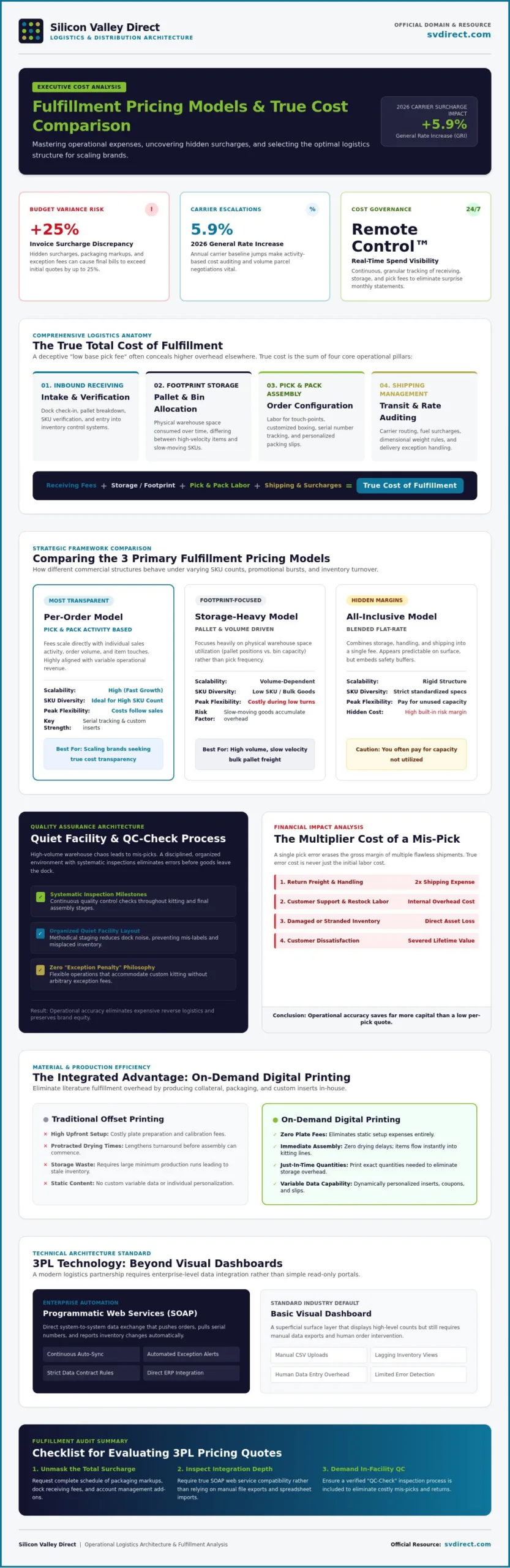
Silicon Valley Direct documents digital and variable data printing, addressing, label generation, machine insertion, and tabbing. Its QC-Check process provides systematic inspection during assembly. Treat this as a documented assembly process, not a guarantee of accuracy across every mailing step. Confirm which checks apply to your job, where they occur, and how exceptions are raised. The American Health Information Management Association (AHIMA) offers broader professional context on health information management and the document lifecycle.
A practical next step is to record the file owner, data reviewer, approval authority, and provider contact for each handoff. When defining the project scope, you can request a quote for healthcare mailing services and outline the workflow requirements for discussion.
How to compare healthcare document management and mailing providers
Compare providers against your actual workflow, not a broad list of capabilities. Ask what each provider performs, what your team retains, and how information moves between steps. For healthcare document management and mailing, fit depends on clear ownership, documented processes, and visibility into exceptions, not simply the number of services listed in a proposal.
Use this comparison framework to guide conversations. Record what a provider can document now and what needs to be confirmed for your project.
Evaluation area
Questions to ask
What to verify
Workflow scope
Which steps are included, from receiving approved files to dispatch?
Documented capabilities and any out-of-scope handoffs.
Data handling
How are files and recipient data received, validated, accessed, retained, and disposed of?
Project-specific procedures and substantiation for any privacy, security, or compliance statements.
Quality checks
What inspections and approval checkpoints occur, and how are exceptions handled?
The steps actually covered by the documented checks.
Visibility
Which milestones, records, and reports can your team access?
Availability and relevance of each tracking or reporting function for this workflow.
Accountability and integration
Who owns each handoff, and how would the process connect with your existing systems or procedures?
Named contacts, escalation steps, and any proposed integration details in writing.
What to ask about data handling and quality checks
Request a clear description of how files and recipient data move through the provider’s process. Ask who can access them, how long they are retained, and how they are disposed of. Ask the provider to substantiate each privacy, security, or compliance statement and specify which controls apply to your project. A general assurance is not a substitute for written, project-specific detail.
What to ask about tracking and accountability
Identify which order milestones, order histories, inventory visibility, and standard reports are available, then confirm which apply to healthcare mailings. Silicon Valley Direct’s online order management visibility includes order placement and progress tracking. Confirm whether these functions apply to your project and who responds when an order encounters an exception.
Assess service integration carefully. A provider may coordinate several production steps, but don’t assume it can connect to a particular platform or accept a specific data format without confirmation. Ask the provider to explain how its proposed process would fit your existing procedures and what information it needs from your team.
Build a healthcare mailing checklist around your documents and process
A clear project brief helps turn healthcare document management and mailing requirements into a workflow a provider can scope. Start with the documents and decisions involved, then record owners, handoffs, and open questions. This makes proposals easier to assess and helps prevent important requirements from surfacing only after production planning begins.
Define the project scope before requesting proposals
For each document type, capture its format, approximate volume, recipient-data source, mailing frequency, personalization needs, and required production steps. Note whether print on demand, variable data printing, or recurring fulfillment may be relevant. Separate confirmed requirements from items that need review by your organization’s legal, privacy, or security stakeholders. Confirm project-specific privacy and security expectations with qualified internal stakeholders instead of making assumptions.
Project checklist
- Document types and file formats
- Volumes and mailing schedule or frequency
- Recipient-data source and validation owner
- Personalization requirements and approved content
- Production steps needed, such as printing, addressing, insertion, or tabbing
- Approval owners and points where files or data change hands
- Privacy and security questions assigned for internal review
- Exception contacts and preferred method for raising issues
- Order status updates, records, and reports decision-makers need
Make the checklist specific. “Personalized statement” is less useful than noting which fields or content vary, who approves those variations, and what source supplies the data. Also distinguish a recurring schedule from a one-time mailing so providers can respond to the actual workflow rather than a broad description.
Set expectations for exceptions and reporting
Before seeking proposals, agree how incomplete files, data questions, or production concerns should be raised and resolved. Name the client-side decision-maker and provider contact for each type of issue. Specify the order-status updates and reports your team needs, then ask providers to confirm what they can provide for the project. Clear expectations make accountability easier to assess.
Use the completed checklist as a working brief. It doesn’t replace internal review. Instead, it gives your team and prospective provider a shared starting point for clarifying scope, responsibilities, and open questions.
When a connected healthcare document and mailing partner makes sense
Keeping print and mailing in-house can offer direct control, but it also means assigning staff, capacity, and expertise to each step. A partner may suit your operation when several teams coordinate recurring production or when specific capabilities are difficult to manage internally. Compare both approaches using the same criteria: who controls approvals, whether capacity matches the schedule, what expertise the workflow requires, and how clearly you can see progress.
Outsourcing selected production steps can bring printing, addressing, insertion, or other mailing tasks into a more coordinated workflow. It doesn’t transfer ownership of approved content, recipient data, or organizational decisions. Your team still needs to oversee requirements, approve the work, and clarify who will address questions or exceptions.
Signs your team may benefit from connected support
Consider outside support if recurring print, data, and mailing work passes between multiple internal groups, or if your current capacity doesn’t match the production schedule. Then assess the specific need: Would variable data printing support approved personalized communications? Is print on demand a fit? Do the mailing steps require capabilities your team doesn’t maintain? These questions help define a useful scope without assuming that outsourcing automatically reduces costs, prevents errors, or ensures compliance.
What to include in a first conversation with Silicon Valley Direct
Bring representative document examples, expected workflow steps, volume and schedule estimates, audience-data responsibilities, and questions about status reporting. Ask which steps Silicon Valley Direct can support through its healthcare document management and mailing, digital and variable data printing, database management, and fulfillment services. Confirm what remains client-owned and which capabilities or claims need project-specific verification, including any privacy, security, or compliance statements.
Use the conversation to assess fit rather than assume every service applies to every project. Discuss how approved files and data would move through the proposed workflow, which milestones you need to see, and who would be your point of contact for production questions. If online order placement or progress tracking is relevant, confirm whether those Remote Control functions are available for the healthcare document management and mailing workflow you’re discussing.
A well-scoped conversation gives both teams a clearer basis for defining responsibilities and a proposal. If your requirements are ready to discuss, request a free quote and scope your healthcare document management and mailing needs with Silicon Valley Direct.
Make your next healthcare mailing easier to scope
A reliable healthcare document management and mailing workflow starts with clear ownership, approved files, and recipient data that’s ready for production. Map each handoff, then evaluate providers on the services they document, the checks they perform, the visibility they offer, and how they handle exceptions. A practical project checklist helps your team turn those priorities into specific questions before work begins.
Silicon Valley Direct provides printing, mailing, and fulfillment services, including documented digital printing, variable data printing, and mail preparation capabilities. Remote Control supports online order placement and progress tracking. Confirm which functions apply to your healthcare project. The right next step is a conversation about your documents, workflow, and responsibilities, with project-specific details clearly confirmed.
With the scope in focus and the right people involved, you can move forward with greater clarity and confidence.
Frequently Asked Questions
What does healthcare document management and mailing include?
Healthcare document management and mailing can coordinate approved document files, recipient data, printing, addressing, insertion, and mail preparation for dispatch. The scope depends on the organization and project. Before work begins, establish who approves content, validates data, handles exceptions, and owns each handoff. Ask the provider to confirm its responsibilities in writing so the project scope is clear, rather than relying on a broad service label.
Is healthcare document management the same as healthcare mailing?
No. Healthcare mailing focuses on producing and preparing physical communications for dispatch. Document management can also include file approval, data coordination, version control, and process records. The services may overlap, but their boundaries vary by project. Ask the provider to map which tasks it performs and which stay with your organization. Be especially clear about who manages data handling, approvals, and exception resolution.
Can a mailing provider personalize healthcare documents?
Yes. Variable data printing can place different copy or images on individual printed sheets, which may support personalized mailings. Whether it fits a particular healthcare communication depends on approved content, accurate recipient data, and your organization’s requirements. Before adding personalization, confirm who prepares and reviews the files, how data is handled, and which quality checks apply. Define these responsibilities with the provider before production begins.
How do I evaluate a healthcare document mailing provider?
Compare providers on the workflow they can support, file and data handoffs, documented quality checks, exception communication, reporting, and project-specific security requirements. Ask who owns each step and what order visibility is available. Have qualified internal stakeholders review and substantiate any privacy, security, or compliance statements. Focus on documented capabilities and operational fit, not broad assurances that don’t explain how the provider’s process applies to your project.
What information should I prepare before requesting a healthcare mailing quote?
Prepare the document types, project scope, required production steps, mailing frequency, personalization needs, and approval owners. Note who supplies and validates recipient data, what reporting your team needs, and how exceptions should be raised. Don’t send sensitive information until the provider has confirmed appropriate intake procedures for the project. A clear brief helps the provider identify which services may fit and which questions need further review.
What happens if recipient data or print files contain errors?
Agree in advance how the workflow handles incomplete files, data issues, and production questions. Clarify who can pause or approve production, how corrections are recorded, and which client and provider contacts should be notified. Ask what checks the provider performs on supplied materials and what those checks cover. Don’t assume a provider’s review replaces your organization’s own data validation or approval process.
Does Remote Control provide visibility into healthcare mailing orders?
Silicon Valley Direct describes Remote Control as providing online order placement, progress tracking, order histories, inventory visibility, and standard reports. Confirm which features apply to your proposed healthcare mailing workflow. Ask which order milestones and records users can access, what reporting is relevant to the project, and how access is arranged. This helps your team understand what visibility is available without assuming every feature applies to every mailing.