img not found!

Blog

hayward 3pl

SVDirect 3PL Services in Hayward for Fast Shipping

If you need a Hayward 3PL partner that can move orders quickly without adding complexity, Silicon Valley Direct (SVDirect) gives you a nearby fulfillment operation with the systems and support to keep ecommerce moving. We provide full-service 3PL fulfillment from Union City, California for Hayward brands, Bay Area startups, and growing online retailers that need warehousing, pick and pack, shipping, integrations, and day-to-day logistics support in one place.

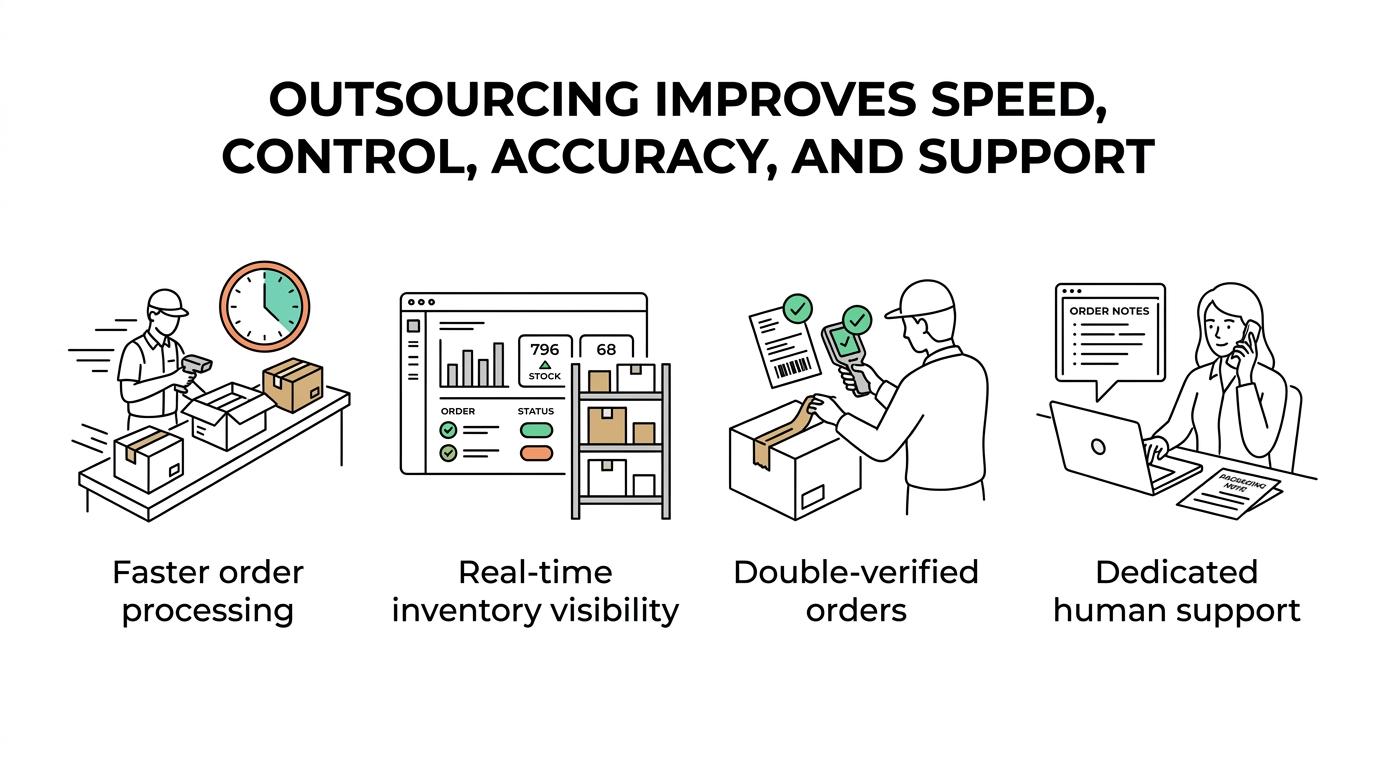
SVDirect is built for businesses that want fast execution and real visibility. You get same-day fulfillment capability, no minimum order requirement, 80+ preconfigured integrations with custom API support, a dedicated account manager, real human phone support, and a 24/7 web portal with reporting that helps you stay ahead of inventory and order flow.

Hayward 3PL fulfillment for ecommerce brands that need same-day shipping

SVDirect handles the operational work that slows growing online brands down: receiving inventory, storing it, picking and packing orders, shipping to customers, and keeping your systems connected so orders keep flowing. For Hayward-area ecommerce businesses, that means you can stay focused on sales, marketing, product, and customer growth while we run fulfillment from our nearby Union City warehouse.

“SVDirect supports Hayward-area ecommerce fulfillment from Union City with same-day shipping capability.”

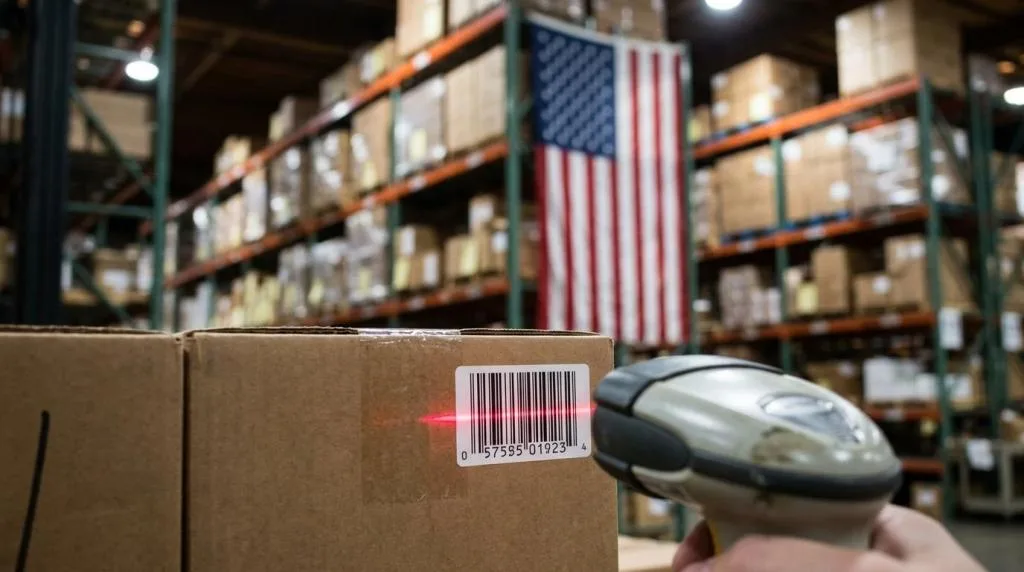
Because SVDirect combines warehousing, order fulfillment, integrations, and reporting in one 3PL service, you avoid the handoff problems that often happen when software, storage, and shipping are treated as separate projects. Our double-verified process is built around 100% order accuracy, which matters when every wrong shipment creates support tickets, returns, and lost customer confidence.

SVDirect is also a practical fit when your volume is still changing. With no minimum order requirement, you do not need to wait until you hit a certain size before getting professional 3PL support.

Union City warehouse access gives Hayward businesses a practical Bay Area 3PL location

For Hayward companies, location is not just a map detail. It affects receiving, replenishment, local coordination, and how confidently you can scale outbound shipping. SVDirect operates from Union City, close to Hayward, in a Bay Area logistics market that city planning and transportation infrastructure already support.

“SVDirect serves Hayward from a nearby Union City warehouse in a region where Hayward officially designates land for warehousing and logistics.”

Hayward’s official planning documents identify an Industrial Technology and Innovation Corridor that explicitly includes warehousing and logistics, and the city describes its centralized Bay Area location as a strong foundation for economic activity. The regional transportation picture also supports distribution use cases, with service from BART, AC Transit, Amtrak, and Greyhound, plus Hayward Executive Airport serving local business transportation needs.

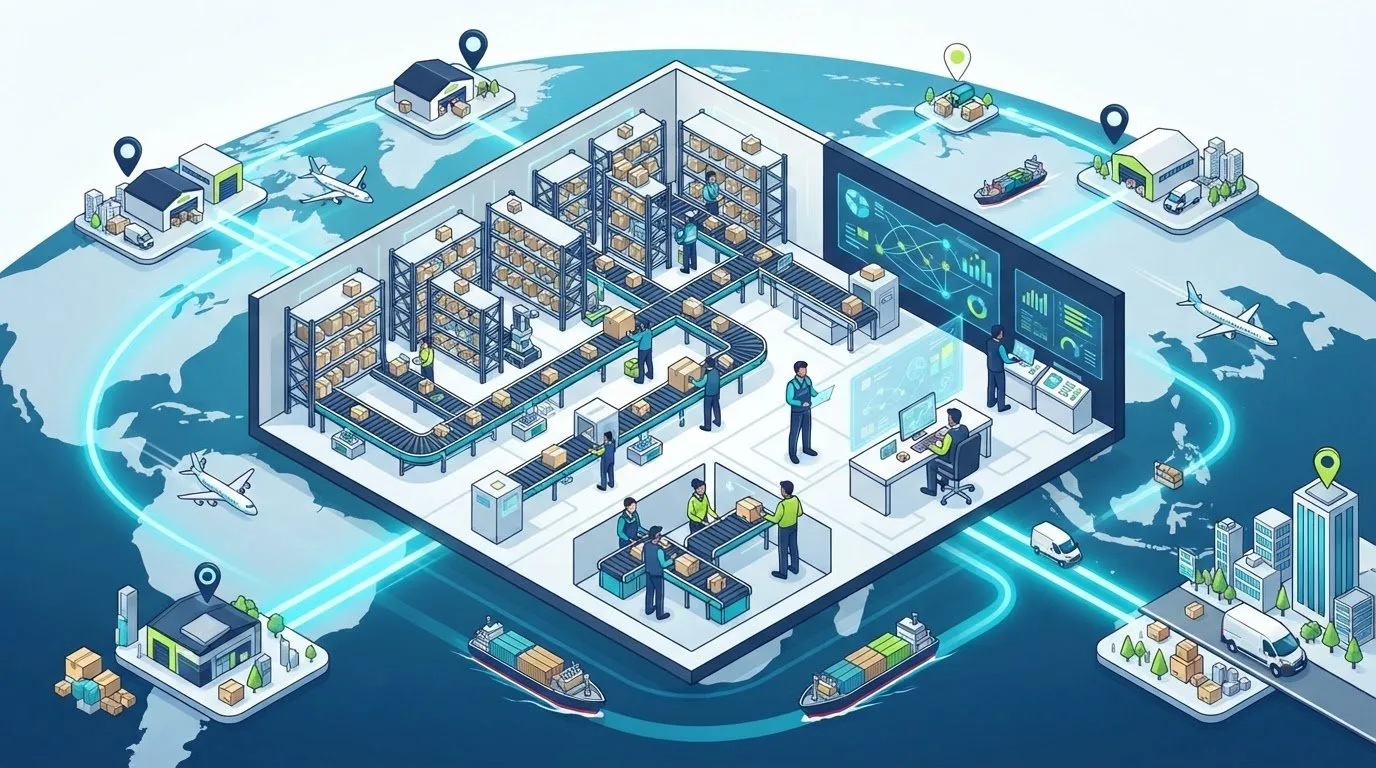
That broader logistics environment matters if your brand brings product in through Northern California and ships across the country. The Port of Oakland reported 184,492 TEUs in April 2026 alone and says it supports more than 98,000 regional jobs and $174 billion in annual economic activity. SVDirect gives Hayward businesses a way to use that Bay Area distribution strength through a nearby 3PL partner instead of trying to build fulfillment internally.

SVDirect 3PL services for Hayward businesses that need more than pick, pack, and ship

SVDirect covers the core 3PL functions Hayward ecommerce brands need, plus specialized services that are hard to manage in-house.

Here is what you can put under one roof with SVDirect:

  • Order fulfillment: Pick, pack, and ship services for ecommerce orders, with same-day fulfillment capability for brands that need speed.
  • Warehousing and inventory management: Storage and inventory handling that support ongoing replenishment, order flow, and cleaner operational control.
  • Integrations and automation: 80+ preconfigured integrations plus custom API support so your ecommerce systems and fulfillment workflows stay connected.
  • Reporting and visibility: A 24/7 customized web portal with extensive reporting, giving you live access to operational information when you need it.
  • Specialized fulfillment: Print-on-demand, literature fulfillment, promotional item distribution, healthcare fulfillment, and presorted mail services.

SVDirect brings these services together so your team does not need separate vendors for standard ecommerce orders, campaign materials, and specialized fulfillment programs. That is especially useful when your online business also ships samples, inserts, printed assets, literature, or regulated materials alongside regular DTC or B2B orders.

SVDirect helps Bay Area startups, ecommerce brands, and multi-channel sellers scale without minimums

Some 3PL providers only become practical after your order count reaches a certain level. SVDirect is different. We work with startups, established ecommerce brands, and growing online retailers that want reliable fulfillment support now, not later.

“SVDirect offers no minimum order requirement, 80+ integrations, and 26+ years of 3PL experience.”

That combination is valuable if your business is still finding its shipping rhythm, launching new products, expanding channels, or preparing for seasonal spikes. You can start with the support you need today and keep building on the same fulfillment relationship as your order volume and SKU count change.

SVDirect is also a strong fit when your fulfillment needs are not standard. If you ship literature, promotional kits, healthcare-related materials, or print-on-demand items, we can support those workflows alongside ecommerce fulfillment instead of forcing you into a one-size-fits-all model.

Hayward 3PL integrations, reporting, and account support that reduce fulfillment friction

Software friction is one of the biggest reasons ecommerce fulfillment becomes expensive. Orders get stuck, inventory counts drift, customer service loses visibility, and your team ends up patching gaps manually. SVDirect helps reduce that risk with 80+ preconfigured integrations, custom API support, and a 24/7 portal built for operational visibility.

For you, that means fewer manual workarounds and a clearer view of what is happening inside fulfillment. SVDirect combines integration support with extensive reporting, so your team can track activity, monitor order flow, and make better decisions without waiting for scattered updates.

Support matters just as much as software. SVDirect gives you a dedicated account manager and real human phone support, which is especially important when you are managing launches, promos, inventory arrivals, or customer service issues that cannot wait on a ticket queue.

Local access adds another layer of confidence. SVDirect welcomes on-site warehouse visits in Union City, which gives Hayward businesses a chance to see the operation, review workflows, and build a direct working relationship with the team handling their inventory and orders.

Why SVDirect is the right Hayward 3PL fit for fast-growing ecommerce operations

SVDirect is a strong match if you want a Hayward-area 3PL that is close enough for practical collaboration and established enough to handle growth. Our 26+ years of 3PL experience, same-day fulfillment capability, double-verified 100% order accuracy, and nationwide plus international shipping reach make us a useful partner for businesses that need both speed and control.

We are especially relevant when you want:

  • A nearby Bay Area 3PL: Union City access for Hayward businesses that want a local operating relationship.
  • A flexible launch point: No minimum order requirement for startups, new brands, and growing sellers.
  • A system-ready fulfillment partner: 80+ integrations, custom API support, and a 24/7 reporting portal.
  • A broader service scope: Ecommerce fulfillment plus print-on-demand, literature, healthcare, and mail-related fulfillment support.

If your brand needs a local 3PL relationship but ships nationwide or across borders, SVDirect gives you both. You stay close to your fulfillment operation while still building for scale.

Talk with SVDirect about your Hayward 3PL requirements

If you are comparing Hayward 3PL options because you need faster shipping, better inventory control, or a fulfillment partner that can support growth without minimums, SVDirect is ready to help. We can support ecommerce order fulfillment, warehousing, integrations, and specialized logistics from our Union City facility near Hayward.

Talk with SVDirect about your products, order flow, channels, and shipping goals, and we can help you determine whether our Bay Area 3PL model is the right fit for your next stage of growth.

3PL for eCommerce: The Strategic Guide to Scaling Logistics in 2026

3PL for eCommerce: The Strategic Guide to Scaling Logistics in 2026

What if your fulfillment operation wasn’t a draining cost center, but the most powerful marketing asset in your 2026 growth strategy? Most eCommerce founders feel the sting of generic brown boxes and the opaque fog of hidden fees that eat into margins. It’s frustrating to watch your brand identity disappear the moment an order leaves your site, leaving you with poor inventory visibility and a lack of support for the custom touches your customers love.

Choosing the right 3PL for ecommerce is no longer just about finding a warehouse; it’s about securing a high-tech physical extension of your brand. You deserve a partner that offers more than just shelf space. By integrating sophisticated software with human oversight, you can turn logistics into a competitive advantage that scales as fast as your ambition. We understand that behind every SKU is a promise you’ve made to a customer, and we’re here to help you keep it.

This guide explores how to achieve seamless software integration and global shipping reach while maintaining a customized unboxing experience. You’ll discover how proactive problem solving and proprietary systems like Remote Control™ provide the transparency you need to navigate 2026’s complex regulatory environment. From specialized kitting to on-demand digital printing, we’ll show you how to scale with precision and personal commitment.

Key Takeaways

  • Learn how a modern 3PL for ecommerce serves as a strategic extension of your brand, moving beyond simple storage to drive a high-tech competitive advantage.
  • Discover how a “quiet facility” methodology and systematic QC-Check processes ensure precision and reliability during your most demanding high-volume seasons.
  • Explore how specialized kitting and on-demand HP Indigo digital printing can transform your packaging into a powerful, customized marketing tool.
  • See how to handle complex international logistics and compliance to reach global markets while leveraging discounted high-volume carrier rates.
  • Master the evaluation process for choosing a partner that prioritizes human oversight and bespoke problem-solving over rigid, automated fulfillment models.

What is 3PL for eCommerce and Why is it Critical in 2026?

3PL for ecommerce is often misunderstood as a simple storage solution. By 2026, the definition has matured into a strategic alignment where a provider acts as the physical manifestation of your brand’s promise. It involves the comprehensive outsourcing of warehousing, inventory management, and fulfillment operations to an expert partner. This shift allows brands to transition from managing logistics as a cost center to leveraging it as a high-performance competitive advantage.

A sophisticated 3PL partnership prioritizes proactive problem solving over reactive fixes. Instead of waiting for a shipping delay to occur, a modern partner uses data and human oversight to anticipate bottlenecks before they impact the customer. This “Silicon Valley” standard of innovation relies on a “quiet facility” methodology. In this environment, precision is the baseline, and every movement is calculated to eliminate the chaos often found in traditional warehouses.

The primary benefits of this model include:

  • Scalability: You can adjust capacity instantly for seasonal spikes without the headache of hiring or training temporary staff.
  • Reduced Overhead: You eliminate the need for long-term warehouse leases, insurance, and expensive material-handling equipment.
  • Global Reach: Your brand gains immediate access to discounted carrier rates and international shipping expertise typically reserved for the highest-volume shippers.

The Evolution of eCommerce Fulfillment Expectations

In 2026, speed is no longer the only metric that matters to consumers. Modern buyers demand extreme accuracy and a personalized unboxing experience that feels intentional. They want to see your brand’s identity the moment the package arrives. Managing a global supply chain now requires navigating complex international regulations and changing duty thresholds. A 3PL for ecommerce must move beyond cookie-cutter workflows to provide custom-fit strategies, such as on-demand printing or specialized kitting, that reflect your unique market position.

3PL vs. In-House Fulfillment: The Tipping Point

Many founders start fulfillment in a garage or a small leased space. You’ll know you’ve hit the tipping point when your team spends more time packing boxes than developing new products. Hidden costs like rising warehouse insurance, tech stack maintenance, and the constant cycle of seasonal labor often mask the true expense of in-house management. The strategic pivot occurs when the capital and time reclaimed by outsourcing generate more growth than the cost of the fulfillment service itself.

Your business reaches its strategic pivot point when the overhead of managing physical operations begins to cannibalize the time required for brand innovation and market expansion.

The Core Pillars of a High-Performance 3PL Solution

A high-performance 3PL for ecommerce relies on more than just square footage. It requires a facility that functions with the precision of a high-tech laboratory. Our “quiet facility” methodology is the foundation of this approach. By maintaining a highly organized, secure, and climate-controlled environment, we eliminate the frantic errors common in traditional warehouses during peak seasons. This stability ensures that every high-volume deadline is met with accuracy rather than chaos.

Inventory management within this framework includes granular control through serial number tracking. This capability is vital for brands in electronics or healthcare where traceability is non-negotiable. You gain real-time visibility into every unit, transforming a warehouse from a black box into a transparent extension of your office. This precision allows your team to focus on growth while we handle the physical complexities of your supply chain.

Proprietary Tech: The Remote Control™ Advantage

Total transparency is only possible when you have 24/7 access to your data. Our proprietary Remote Order Management system, known as Remote Control™, empowers your team with over 120 standard reports. You can monitor order history, inventory levels, and backorders in real time. Automated notifications for low stock levels and receipts ensure you’re never caught off guard. This system bridges the gap between digital strategy and physical execution, providing the informed confidence needed to scale.

Seamless Integration via Web Services

Modern tech stacks require a partner that speaks the language of developers. We prioritize platform-agnostic XML and SOAP protocols to ensure our systems communicate perfectly with your ecommerce platform. These standardized programmatic interfaces significantly reduce custom coding time and minimize the risk of integration errors. No one should have to struggle with rigid, outdated software when trying to scale a business.

Data tagging occurs in real time, allowing for precise reporting across various formats. This technical depth ensures that your digital workflows and physical operations move in lockstep. If you’re ready to see how a tech-integrated approach can streamline your supply chain, you can request a free quote to discuss your specific needs. This level of integration allows for a seamless brand experience that preserves your identity from the digital checkout to the customer’s front door.

Specialized Fulfillment: Kitting, Assembly, and On-Demand Printing

Subscription boxes and promotional kits live or die by the first impression. While many providers treat kitting as a basic add-on, a high-performance 3PL for ecommerce views it as the “secret sauce” of your marketing strategy. Hand assembly allows for a level of care that automated lines simply can’t replicate. We utilize a systematic QC-Check process where every component is verified against your exact specifications. This ensures that every package is perfect before it leaves our facility. It protects your brand from the negative impact of a poorly assembled order and ensures your customers feel valued from the moment they open the box.

Personalized unboxing experiences are no longer a luxury for high-end brands; they are an expectation. For a premium brand like mickyvicky, these details are what turn a simple delivery into a memorable giftable moment. By integrating variable data printing (VDP) directly into the fulfillment line, you can greet every customer by name or include custom vouchers based on their specific purchase history. This just-in-time approach to marketing materials eliminates the need for large, pre-printed inventories that often end up in the trash. It’s a leaner, smarter way to communicate with your audience without adding unnecessary waste to your supply chain. This integration ensures that your marketing team and your logistics team are finally working in total harmony, allowing for real-time adjustments to your promotional strategy.

The Power of On-Demand Digital Printing

We utilize HP Indigo 5500 technology to deliver offset-quality results with digital speed. This system uses liquid ink technology for vibrant, professional inserts and literature. The environmental benefits are significant. We’ve eliminated plates, films, and harsh chemicals, which reduces setup times and overhead. You get a high-quality finish while reducing your carbon footprint. Explore our On-Demand Digital Printing services to see how we bridge the gap between logistics and marketing.

Custom Kitting as a Brand Extension

Custom assembly creates a premium feel that justifies your price point and builds loyalty. Our team manages over 3,000 complex shipments weekly, using a deliberate methodology to ensure consistency. This transforms the unboxing process into a brand extension rather than just a shipping requirement. When you partner with a 3PL for ecommerce that understands hand assembly, you ensure your physical presence is as polished as your digital storefront.

3PL for eCommerce: The Strategic Guide to Scaling Logistics in 2026

Global Logistics and Compliance: Reaching Customers Everywhere

Managing the complexities of international trade requires more than just a shipping label. It demands a sophisticated coordination of B2B and B2C logistics that respects regional regulations and delivery expectations. When you partner with a high-performance 3PL for ecommerce, you gain immediate access to discounted carrier rates that are typically out of reach for independent brands. These volume-based savings directly improve your margins while allowing you to offer competitive shipping prices to a global audience.

Returns management, or reverse logistics, is another critical component of global operations. Instead of viewing returns as a headache, we treat them as a trust-building opportunity. In 2026, regulations like the EU “Withdrawal Button” directive make a clear, accessible returns process a legal necessity. We handle the physical inspection and restocking of returned goods with the same precision as outbound orders. This ensures your inventory remains accurate and your customers feel heard.

Compliance and Secure Mailing

For businesses in the healthcare and financial sectors, logistics isn’t just about speed; it’s about security. Healthcare-specific mailing and Explanation of Benefits (EOB) services require a higher standard of precision to maintain HIPAA compliance. We manage these sensitive workflows with a focus on data integrity and physical security. Our fraud-prevention protocols for rebate and coupon redemption services add another layer of protection, ensuring that your promotional spend is used as intended. You can find more details on our Healthcare Mailing Services for a deep dive into these compliance standards.

Navigating Global Trade in 2026

Expanding your footprint doesn’t have to mean maintaining a dozen international warehouses. Strategic positioning allows you to distribute products globally from a centralized, high-efficiency hub. The landscape has changed significantly with the elimination of the EU De Minimis exemption in July 2026 and the continued suspension of Section 321 in the US. Real-time tracking is essential for customer satisfaction in international orders, as it reduces the anxiety associated with cross-border shipping. Our systems provide the transparency needed to manage these journeys effectively. For a comprehensive look at the current regulatory landscape, refer to our Global Shipping Services trade guide.

How to Choose the Right 3PL for Your eCommerce Growth

Selecting a 3pl for ecommerce is a decision that sets the trajectory for your brand’s future. While some suggest that price is the only factor worth considering, this perspective ignores the massive hidden costs of fulfillment errors and poor customer service. A cheap provider becomes expensive very quickly when you’re forced to apologize for late shipments or incorrect orders. You need a partner that values accountability as much as you do, operating on a foundation of Nine Promises that ensures your reputation remains spotless. This level of service transforms logistics from a basic utility into a strategic asset.

Flexibility is the hallmark of a mature logistics partner. Rigid, automated procedures often fail when faced with the unique challenges of a growing business. You need a “make-it-right” attitude that prioritizes solutions over excuses. This mindset is usually found in organizations with deep roots and a multi-decade history of stability. Since our founding in 1999, we’ve focused on the human element of logistics. This means you’ll always have access to a real person who understands your business, rather than a generic support ticket or an automated bot. Direct human connection remains our most powerful differentiator in a tech-saturated market.

The “Partnership” Litmus Test

A true partner functions as a seamless extension of your team, not just another vendor on your balance sheet. This relationship is built on transparency and a shared commitment to excellence. You can see the results of this approach by exploring our Customer Testimonials, where long-term clients discuss the reliability of our services. Our quiet, organized facility operates with a methodical calm that stands in stark contrast to the hectic and chaotic environment of traditional fulfillment centers. This atmosphere of precision is what allows us to maintain high accuracy rates even during the most demanding peak seasons.

Next Steps: Transitioning to Professional Fulfillment

Transitioning to a professional 3pl for ecommerce starts with a thorough audit of your current logistics. Identify where the gaps in efficiency are costing you time or money. Once you’ve identified these areas, you can begin preparing your data for a seamless integration with a modern Order Management System. We work closely with you during this transition to ensure that your digital workflows and physical inventory move in perfect sync. This proactive approach minimizes downtime and sets the stage for rapid, sustainable growth.

Experience the Silicon Valley Direct difference

Mastering Your Supply Chain for 2026 and Beyond

Scaling a brand requires more than just a warehouse; it demands a partner that acts as a physical extension of your company. You’ve seen how integrating a high-performance 3pl for ecommerce can transform your operations from a logistical burden into a competitive advantage. By prioritizing a “quiet facility” methodology and real-time data transparency, you ensure your customers receive the precision they expect. This strategic alignment allows you to focus on innovation while we handle the physical complexities.

Since 1999, we’ve focused on combining sophisticated technology with a human commitment to service. Our proprietary Remote Control™ system provides the 24/7 visibility you need, while on-site HP Indigo digital printing allows for the custom unboxing experiences that build lasting brand loyalty. You don’t have to navigate the complexities of global trade or kitting alone. Our team provides the steady hand and operational expertise your business deserves.

The path to sustainable growth is paved with reliable systems and proactive problem solving. We’re ready to help you take that next step with confidence.

Frequently Asked Questions

What exactly does a 3PL for eCommerce do?

A 3PL for ecommerce manages the physical side of your business by handling warehousing, order fulfillment, and global shipping. They receive your inventory, store it in a secure facility, and pick, pack, and ship orders as they come in. Beyond basic logistics, a high-performance partner provides specialized services like kitting, assembly, and returns management. This allows you to focus on marketing and product development while your partner ensures operational precision.

How does 3PL integration work with platforms like Shopify or WooCommerce?

Integration occurs through secure web services that allow your storefront to communicate directly with the warehouse management system. We utilize platform-agnostic XML and SOAP protocols to ensure seamless data flow between platforms like Shopify or WooCommerce and our proprietary Remote Control™ software. This connection automates order transfers and provides real-time inventory updates. It eliminates manual data entry, reduces errors, and ensures that your digital and physical operations remain perfectly synchronized.

Can a 3PL handle custom kitting and branded packaging?

Yes, specialized kitting and assembly are central to creating a premium brand experience. Unlike automated facilities, our team performs hand assembly to ensure every subscription box or promotional kit meets your exact aesthetic standards. We also integrate on-site digital printing to produce custom inserts or personalized literature. This bespoke approach transforms a standard shipping box into a powerful marketing tool that reinforces your brand identity the moment a customer opens their package.

What are the typical fees associated with 3PL for eCommerce?

While specific costs vary based on volume and complexity, typical fees include receiving, monthly storage, and pick-and-pack charges. Storage is often calculated per pallet or cubic foot, while pick-and-pack fees generally apply to each individual order. Some providers also include one-time setup fees and monthly minimums. It’s essential to look at the total cost of fulfillment rather than just individual line items to understand the true impact on your business margins.

How does a 3PL help with international shipping and customs?

A 3PL simplifies global expansion by managing cross-border logistics and navigating complex customs regulations. They leverage high-volume carrier discounts to reduce your shipping costs while providing expertise in international compliance, such as the 2026 EU packaging and duty changes. By handling the documentation and coordination required for global trade, they ensure your products reach international customers efficiently. This allows you to scale your reach without needing to manage multiple international warehouse locations yourself.

Is my inventory secure in a third-party warehouse?

Your inventory is protected in a secure, climate-controlled facility designed for high-value goods. We utilize a “quiet facility” methodology that prioritizes organization and proactive security to prevent loss or damage. Real-time visibility through our Remote Control™ system allows you to monitor stock levels and movement 24/7. This combination of physical security and digital transparency ensures that your assets are managed with the same level of care you would provide in-house.

What is the difference between a 3PL and a traditional warehouse?

A traditional warehouse focuses primarily on long-term storage, while a 3PL for ecommerce is an active fulfillment partner. Traditional warehouses rarely offer the technical integration, kitting, or digital printing services required for modern retail. A 3PL manages the entire lifecycle of an order, from the moment a customer clicks “buy” to the final delivery at their door. They act as a strategic extension of your team, providing the infrastructure and expertise needed to scale rapidly.

How long does it take to set up fulfillment with a 3PL partner?

The setup timeline typically ranges from a few weeks to a couple of months, depending on the complexity of your tech stack and inventory. This period involves integrating your ecommerce platform with our software, establishing quality control protocols, and receiving your initial stock. We take a methodical approach to ensure every connection is secure and every workflow is optimized before the first order ships. This deliberate preparation prevents errors and ensures a smooth transition for your customers.

3pl provider

Best 3PL Providers With Dedicated Account Managers

Choosing a 3PL provider with a dedicated account manager is usually less about convenience and more about control. When orders spike, inventory drifts, or a channel integration fails, a named human owner can protect customer experience faster than a generic support queue.

TL;DR: Summary

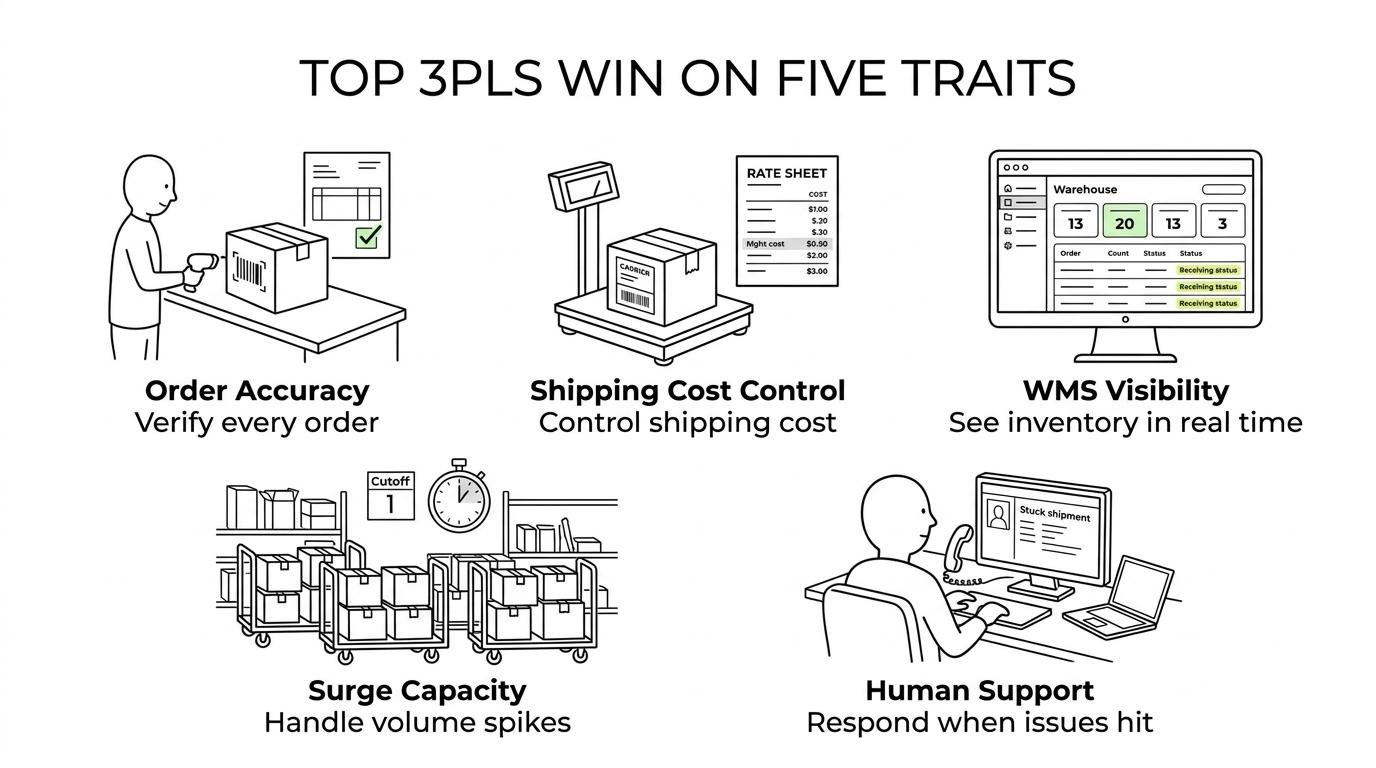
  • The best 3PL provider with a dedicated account manager is usually the one that combines clear account ownership, fast fulfillment, strong integrations, and responsive human support, not simply the lowest storage or pick fee.
  • For growing ecommerce brands, dedicated account management matters because service quality often outweighs price. Inbound Logistics reported 81% of shippers named service as the top 3PL factor, while 19% named cost.
  • A strong fit often includes same-day fulfillment, warehouse and inventory visibility, reverse logistics support, and platform connectivity. SVDirect is one example with a dedicated account manager, no minimum order requirement, same-day shipping, and 80+ preconfigured integrations plus custom API support.
  • If your brand sells on multiple channels or runs promotions, ask how one account manager handles exceptions, cut-off times, returns, and carrier issues. Poor customer service is a major churn trigger in 3PL relationships.
  • U.S. ecommerce demand is still rising. The U.S. Census Bureau reported first-quarter 2026 ecommerce sales of $326.7 billion, up 9.8% year over year, which increases the value of responsive 3PL execution.

That context matters because ecommerce volume is still growing faster than total retail. As fulfillment gets more complex, the best 3PL relationship is often the one that gives your team a single source of truth, a documented process, and fast action when something breaks.

Why does a dedicated account manager matter when choosing a 3PL provider?

A dedicated account manager usually matters more than a small rate difference. For Shopify and Amazon brands, one accountable contact can reduce delays across onboarding, inventory exceptions, and order holds.

A 3PL has two jobs at once: move orders accurately and solve exceptions quickly. The second job is where many partnerships succeed or fail. Inbound Logistics reported that 60% of respondents said poor customer service is the most likely reason to end a 3PL partnership. That is a service problem, not a warehouse square-footage problem.

A dedicated account manager also reduces internal friction on your side. Instead of re-explaining your packaging rules, return logic, and SKU priorities to a rotating support team, your brand works through one owner who knows the account history. A common mistake is assuming any ticketing system can replace account context. It usually cannot when a launch weekend goes sideways.

“SVDirect customers repeatedly mention ‘one person and point of contact,’ a practical sign that dedicated account ownership is real.”

How is a dedicated account manager different from shared customer support?

A dedicated account manager is a named operational owner, while shared support is usually reactive. In practical terms, SVDirect-style account ownership and a general help desk solve very different problems.

Shared support can work for simple, low-velocity accounts with stable SKUs and minimal customization. You submit a question, someone answers, and the transaction ends. That model is cheaper to operate, which is why some providers prefer it. The trade-off is continuity. If your issue involves bundle logic, special inserts, retailer routing rules, or reverse logistics, reactive support can create repeated handoffs.

A real account manager should know your order profile, cut-off times, top exception types, and escalation path. If they do not own those details, the title is cosmetic. Pro tip: ask whether the account manager participates in implementation, inventory reconciliation, and post-launch reviews. If yes, the role is usually operational. If no, it may be customer success in name only.

What are the best 3PL providers with dedicated account managers for growing ecommerce brands?

There is no universal best 3PL provider. The best option depends on channel mix, order volume, product type, and how much human support your team needs when exceptions occur.

  1. Silicon Valley Direct (SVDirect): A strong fit for ecommerce brands that want a dedicated account manager, same-day shipping, no minimum order requirement, real human phone support, and 80+ preconfigured integrations with custom API support.
  2. Regional B2C fulfillment specialists: Often best for brands that need faster West Coast or East Coast parcel delivery and more direct warehouse access.
  3. Multi-channel marketplace 3PLs: Best for sellers balancing Shopify, Amazon, Walmart Marketplace, Etsy, and EDI-driven retail orders.
  4. Healthcare or regulated-product fulfillment partners: Best when lot control, documentation, and process discipline matter as much as speed.
  5. Print-on-demand and literature fulfillment providers: Best for brands shipping marketing collateral, inserts, custom kits, or low-volume personalized items.

The key is fit, not branding. If you need warehouse visits, a regional operator with direct access to the floor can be better than a very large network. If you need broad channel connectivity, prioritize integration depth and API flexibility over rate-card simplicity.

How do you evaluate a 3PL provider’s account management process step by step?

The best way to evaluate a 3PL account team is to test its operating system, not its sales language. A provider like SVDirect should be able to show exactly who owns what and when.

Start with the process, then verify the people behind it.

  1. Ask who your primary contact is and what decisions that person can make.
  2. Request a sample onboarding plan with milestones for integrations, receiving, test orders, and go-live.
  3. Review the escalation path for inventory discrepancies, carrier failures, and order exceptions.
  4. Ask how often you will get business reviews, reporting, and proactive recommendations.

After that, test responsiveness with real scenarios. Ask what happens if your inventory arrives late on Thursday, your promotion starts Friday, and orders surge through the weekend. Customer proof matters here. One SVDirect customer reported that after a Friday-to-weekend sales surge, every order was fulfilled by Monday. That kind of answer is more useful than generic claims about service.

“One SVDirect customer said every order was fulfilled by Monday after a Friday-to-weekend sales surge, which is the kind of fulfillment response brands should verify before signing.”

Which service-level metrics should you check before signing with a 3PL provider?

The most useful 3PL metrics are order accuracy, ship timing, inventory visibility, and exception response. Shopify and BigCommerce sellers need these numbers tied to clear operating rules.

Ask for definitions, not just performance claims. “Same-day shipping” should mean a documented cut-off time and a defined order type. “Order accuracy” should state how the provider counts replacements, reships, and split shipments. If a provider offers double-verified 100% order accuracy, ask what double verification means operationally and how audits are recorded.

You should also review receiving turnaround, cycle count cadence, returns processing, and reporting access. If your catalog changes often, the time to create or update SKUs matters. If your brand handles subscriptions, bundles, or kitting, ask how those workflows are measured separately. A common misconception is that outbound speed alone predicts customer satisfaction. In reality, returns, backorders, and support response often shape the customer memory more than a single fast shipment.

How do same-day fulfillment and dedicated account management work together?

Same-day fulfillment works best when an account manager controls the details behind it. In SVDirect and similar operations, speed without account ownership can still produce preventable errors.

A same-day promise depends on inventory accuracy, order-routing logic, packaging rules, and carrier cut-offs. When one account manager owns those moving parts, changes happen faster and with less ambiguity. That matters during product launches, flash sales, and influencer traffic spikes, when one missing rule can create dozens of held orders.

The practical trade-off is that faster fulfillment requires tighter discipline. Your team must send accurate inbound data, stable SKU content, and clear promotion timing. If that is true, same-day fulfillment paired with dedicated management can turn service into a growth asset instead of a daily risk.

Should you choose a regional 3PL provider or a national network?

A regional 3PL provider is often better for brands that want access, flexibility, and faster decisions. A national network is often better for brands that need inventory positioned in several zones from day one.

Regional providers can offer tighter communication, easier warehouse visits, and more direct issue resolution. That matters if your team is still refining pack-outs, inserts, subscription logic, or custom projects. SVDirect’s Union City, California location and welcomed on-site visits are examples of the kind of proximity some brands value.

National networks can reduce transit time when inventory is split across multiple warehouses. The trade-off is complexity. If your demand forecast is weak, multi-node distribution can increase transfer activity, shrink inventory visibility, and create more reconciliation work. Pro tip: if your order volume is still concentrated on one coast, start with operational clarity before expanding to a wider node strategy.

How do integrations, custom API support, and a 24/7 portal reduce account risk?

Strong integrations reduce manual work, and manual work creates many fulfillment mistakes. A 3PL provider with Shopify, Amazon, NetSuite, and custom API capability can lower both exception volume and support lag.

This is where dedicated account management becomes more valuable, not less. Even with automation, someone must own field mapping, order statuses, SKU synchronization, and returns data. A 24/7 portal gives your team visibility, but a portal alone does not resolve feed failures or duplicate orders. If your 3PL offers 80+ preconfigured integrations plus custom API support, ask who monitors the edge cases after launch.

The best setup combines software visibility with human accountability. If an order imports without a gift-message field or a marketplace flag changes, the right account manager can spot the pattern early and prevent repeated failures.

“SVDirect combines a dedicated account manager with 80+ preconfigured integrations, custom API support, and a 24/7 portal, which is a strong benchmark for multi-channel fulfillment.”

How should startups and small brands select a 3PL provider step by step?

Startups should choose a 3PL provider based on flexibility first, then scale readiness. For early-stage Shopify brands and Etsy sellers, rigid minimums can be as risky as weak service.

Use a simple screen before you compare pricing sheets.

  • Volume fit: Ask whether there is a minimum order requirement and whether seasonal swings are acceptable.
  • Support model: Confirm that a dedicated account manager and real human phone support are included, not sold as an add-on.
  • System fit: Check platform integrations, custom API options, and reporting access through a 24/7 portal.
  • Growth fit: Ask whether the warehouse can support kitting, returns, retail prep, and cross-border shipping as your channels expand.

The common mistake here is picking a provider that fits only today’s order count. If your product line, channel mix, or subscription strategy is likely to change within a year, choose for adaptability. That is often where startup-friendly providers stand out.

What questions should you ask a 3PL provider before onboarding step by step?

The best onboarding questions expose process maturity quickly. A provider like SVDirect should answer them clearly, with names, timelines, and examples.

Use these questions in order so you can separate sales polish from operational readiness.

  1. Who will be my dedicated account manager, and what does that person own after go-live?
  2. What are your receiving, putaway, and same-day shipping cut-off times?
  3. Which integrations are prebuilt, and when is custom API support needed?
  4. How do you handle reverse logistics, exchanges, and damaged returns?
  5. What reporting is available in the 24/7 portal, and how often is inventory reconciled?
  6. What happens during a spike event, a stock discrepancy, or a carrier service failure?

One more practical check matters. Ask for a real customer scenario that shows responsiveness, not just throughput. A testimonial describing a single point of contact or a communicative account manager is useful because it reveals how the relationship feels under pressure, not only how the warehouse performs on a normal Tuesday.

“A customer described SVDirect account manager Adriana as ‘very communicative and organized,’ which is exactly the kind of account-management proof brands should look for.”

California eCommerce Fulfillment Network Guide 2026

California eCommerce Fulfillment Network Guide 2026

Why is your brand still paying a “distance penalty” to reach one of the world’s largest economies from a warehouse three time zones away? If you’re currently vetting an ecommerce fulfillment network california, you likely recognize that shipping from central or east-coast hubs is draining your margins. It’s a common struggle to manage fragmented vendors for printing and kitting while dealing with a frustrating lack of real-time inventory visibility.

This guide explores how leveraging Silicon Valley innovation can transform these logistical hurdles into a streamlined engine for growth. By positioning your inventory strategically, you can achieve the precision and speed your West Coast customers expect. We’ll show you how to integrate your national supply chain through a single-source partner that combines over 25 years of operational stability with cutting-edge digital tools. You will learn how seamless API integrations and on-demand services can reduce your shipping times, lower costs, and provide the human oversight needed to scale your business with confidence through 2026.

Key Takeaways

  • Understand how a strategic location near major ports and tech hubs reduces lead times and simplifies trans-Pacific inbound logistics.
  • Explore the benefits of 24/7 real-time inventory oversight and data-driven decision-making through the proprietary Remote Control™ management system.
  • Learn to scale your brand by integrating custom kitting and high-resolution digital printing directly into your ecommerce fulfillment network california.
  • Discover how a “Quiet Facility” philosophy and 25+ years of operational stability ensure precision and act as a reliable extension of your marketing department.

The Strategic Role of a California eCommerce Fulfillment Network in 2026

California is more than a destination; it’s the primary engine for national distribution. By utilizing an ecommerce fulfillment network california, brands position themselves at the intersection of global trade and domestic speed. Goods arriving from trans-Pacific partners land at California ports, and moving them directly into a nearby warehouse eliminates weeks of cross-country transit before a single order is even placed. This proximity to major ports and the innovation hubs of Silicon Valley ensures your inventory replenishment is fast and responsive.

Reducing Transit Times and Shipping Costs

A Gateway for Global eCommerce Growth

Growth in 2026 requires more than just moving boxes. It demands a sophisticated partner capable of handling complex B2B and B2C international shipments. Being located in a historically innovative area like Silicon Valley allows us to apply programmatic logic to physical logistics. This environment fosters a culture of precision that is vital when integrating specialized needs, such as healthcare mailing services, which require strict compliance and rapid turnaround. Our role as an extension of your company means we don’t just ship; we strategize.

Our facility functions as a proactive partner for your marketing and sales departments. We recognize that global expansion requires a partner who understands the nuances of international customs and the precision of domestic delivery. By utilizing our global shipping services, you bridge the gap between mechanical operations and the personal nature of growing a business. This approach ensures your ecommerce fulfillment network california is a strategic asset rather than just a storage solution. This stability provides a steady hand in a fast-paced market, allowing you to scale internationally while maintaining a grounded, reliable home base.

Silicon Valley Innovation: Integrating High-Tech Order Management

A truly effective ecommerce fulfillment network california is defined by the marriage of physical warehousing and programmatic logic. It isn’t enough to simply store products; you need a digital layer that mirrors every physical movement in real time. We call this high-tech order management. By integrating our proprietary Remote Control™ system into your workflow, you gain 24/7 access to your inventory and order history. This level of transparency removes the guesswork from your supply chain. It provides the quiet confidence that comes from knowing exactly where your stock is at any given second.

Our approach treats fulfillment as a software problem as much as a mechanical one. Automated notifications for low inventory levels act as a vital safety net for growing brands. These alerts prevent stockouts and the subsequent backorder frustration that can damage customer loyalty. By applying Silicon Valley innovation to traditional logistics, we ensure your operations are proactive rather than reactive. This stability is backed by over 25 years of experience; we’ve spent decades refining the code that powers your growth.

The Power of Remote Control™ and Real-Time Reporting

Data drives every successful brand. Our system offers 120+ standard reports that allow you to analyze trends and optimize stock levels with surgical precision. We understand that your brand identity is paramount, so we provide custom-fit web interfaces that match your corporate branding. This creates a professional, unified experience for your internal team. You don’t have to settle for generic dashboards that feel disconnected from your company culture. To see how these tools can transform your daily operations, you can explore remote order management for better transparency and oversight.

Seamless API and Web Service Integration

We prioritize platform-agnostic flexibility to ensure your technology stack remains unburdened. Our web services utilize XML, SOAP, and WSDL standards to ensure your storefront connects effortlessly to our facility. Developers can utilize specific methods like AddOrder and GetOrderInfo to maintain total control over the data flow. Because we use standardized programmatic interfaces, you can significantly reduce custom coding time and launch faster. XML transparency allows your developers to audit every data transfer in real time to ensure total accuracy. If you’re ready to see how these integrations can streamline your ecommerce fulfillment network california, you can request a custom technology walkthrough for your specific needs.

Maximizing Value with Integrated Printing and Custom Kitting

Most 3PL providers treat fulfillment as a commodity, focusing solely on the movement of boxes from point A to point B. However, a high-performance ecommerce fulfillment network california should act as a production partner rather than just a storage facility. By integrating digital printing and kitting under one roof, you eliminate the logistical friction and extra costs of managing fragmented vendors. This unified approach ensures that your marketing materials and product assemblies are handled with the same precision as your inventory management.

Our facility utilizes the HP Indigo 5500 Digital Press, which employs liquid ink technology to produce high-resolution, 4-color results that rival traditional offset printing. Unlike toner-based systems, liquid ink provides a vibrant, professional finish that enhances your brand’s perceived value. We also leverage Variable Data Printing (VDP) to enable personalized marketing materials within every shipment. This means you can include a unique thank-you note or a targeted coupon based on a customer’s specific purchase history, turning a standard delivery into a powerful brand touchpoint.

Integrating professional kitting and assembly services directly into your fulfillment workflow reduces lead times and minimizes shipping errors. You don’t have to worry about coordinating between a printer in one state and a warehouse in another. We handle everything in-house, ensuring your brand experience remains consistent and high-quality.

On-Demand Printing and Literature Fulfillment

Inventory waste is a significant drain on company resources. Our print-on-demand services allow for a “just-in-time” approach to brochures, manuals, and promotional inserts. Digital printing offers a major advantage over traditional offset: speed. Because digital prints are dry immediately, we can move from production to kitting without waiting for ink to set. This makes short-run printing highly cost-effective for startups or brands running seasonal, targeted campaigns. You’ll never have to store dusty boxes of outdated literature again.

Precision Kitting and Hand Assembly

Complex software kits or high-end promotional packages require a human touch and a steady hand. We employ a systematic QC-Check process for every kitting project to ensure that every component is present and correctly placed. For high-value electronics or medical devices, we provide serial number tracking to maintain total accountability throughout the supply chain. This meticulous attention to detail allows us to function as an extension of your marketing department. Whether you’re prepping for a major tradeshow or launching a global influencer campaign, our ecommerce fulfillment network california provides the physical infrastructure and human expertise to make it a success.

California eCommerce Fulfillment Network Guide 2026

Operational Precision: Auditing 3PL Quality and Accuracy

Efficiency isn’t found in a state of chaos. While many logistics providers operate in a frenzy, we adhere to a “Quiet Facility” philosophy. This deliberate methodology removes the hectic errors common in traditional warehouses by prioritizing organization over speed for speed’s sake. By maintaining a steady, methodical pace, our team identifies potential order conflicts before they ever reach the loading dock. This proactive stance is a hallmark of a mature ecommerce fulfillment network california. Since our founding in 1999, we’ve provided over 25 years of supply chain stability. This history matters because it means we’ve navigated every possible logistical challenge and developed the processes to overcome them. For those overseeing their own facilities, you can learn more about Vending SoCal to see how professional vending solutions can enhance a commercial workspace. We also prioritize the environment through green printing practices and HP hardware recycling partnerships, ensuring your brand’s growth aligns with modern sustainability standards.

The QC-Check: A Systematic Inspection Process

Every project carries its own set of nuances, which is why we reject “cookie-cutter” procedures in favor of custom-fit solutions. Our systematic QC-Check process involves multiple inspection points during the kitting and assembly phase. We verify every component against your specific requirements to ensure total accuracy before a package is sealed. Proactive communication between our operational staff and your team prevents project delays by addressing questions the moment they arise. This human oversight acts as a vital safety net, ensuring that the physical reality of your inventory always matches your digital reports. We believe that direct human connection is a powerful differentiator in a tech-saturated market where automation often replaces accountability.

Stability and Experience in a Tech-Saturated Market

In an industry often defined by high turnover and temporary labor, our brand stands out through long-term staff retention and deep industry expertise. This collective experience creates a wise, energetic environment where every team member takes personal pride in the work. Our “Nine Promises” serve as the foundation of client accountability, providing a clear framework for the high-performance partnership we offer. We don’t just provide a service; we act as a steady hand that alleviates the stress of business growth through personal commitment. This dedication is a primary reason why brands choose our ecommerce fulfillment network california for their most complex distribution needs. You can see the results of this precision by reviewing our customer testimonials from partners who have scaled with us over the decades.

Scaling Your Brand with a Seamless 3PL Partnership

Transitioning from in-house fulfillment to a professional ecommerce fulfillment network california represents a significant milestone for any growing brand. When your team spends more time packing boxes than developing new products, you’ve reached a critical bottleneck that hinders long-term growth. Moving to an external partner allows you to offload the mechanical nature of operations while maintaining the high standards your customers expect. It’s about finding a steady hand that can manage the stress of rapid expansion through precision and personal commitment. By utilizing a network that understands the nuances of West Coast logistics, you position your brand for national success without the overhead of maintaining your own warehouse space.

Evaluating a potential partner requires looking beyond basic pick and pack fees. You need a team that acts as a genuine extension of your company. This means they should understand your brand’s voice, your quality control requirements, and your specific kitting needs. Flexibility is paramount, especially when managing high-volume deadlines or seasonal spikes that can overwhelm internal teams. A partner with a multi-decade history provides the reliability needed to navigate these high-stakes periods with quiet confidence. Integrating your storefront with a leader in Silicon Valley 3PL fulfillment services ensures that your back-end operations are as innovative as your front-end marketing.

Choosing a Partner, Not a Vendor

In a market saturated with automated-only solutions, personal oversight remains a powerful differentiator. While our technology provides real-time visibility, our human experts provide the intuition needed to solve complex problems before they escalate. We encourage you to audit your current fulfillment bottlenecks. Are you losing money on shipping zones? Is your inventory data fragmented? Our scalable services are designed for businesses of all sizes, from energetic startups to established enterprises. We provide the physical infrastructure and the seasoned expertise needed to turn your logistics from a cost center into a competitive advantage.

Next Steps: Requesting a Custom Quote

The unique benefits of our California-based network combine the stability of a 25-year history with the cutting-edge capabilities of Silicon Valley. From high-resolution digital printing to programmatic inventory management, we offer a single-source solution for your entire supply chain. The final step in your growth journey is a seamless integration between your storefront and our operational facility. We invite you to begin a consultation to discuss your specific volume requirements and technical specifications. Our team is ready to demonstrate how a bespoke approach to fulfillment can streamline your operations and delight your customers.

Future-Proofing Your Supply Chain Through 2026 and Beyond

Positioning your brand within an ecommerce fulfillment network california is more than a geographic choice; it’s a commitment to operational excellence. You’ve seen how merging physical warehousing with our proprietary Remote Control™ system provides the real-time visibility needed to scale without friction. By utilizing advanced capabilities like the HP Indigo 5500 Digital Press, you can integrate high-end marketing materials directly into your shipments, creating a seamless experience for every customer. We believe that this marriage of tech and touch is what defines a modern market leader.

Our history since 1999 ensures that your logistics are managed by a steady hand that values human oversight over impersonal automation. We act as a proactive extension of your team, identifying conflicts before they ship and ensuring your inventory replenishment stays ahead of demand. This stability allows you to focus on innovation while we handle the mechanical precision of your national distribution. It’s time to stop reacting to supply chain hurdles and start leveraging them as a competitive advantage.

We look forward to helping you transform your logistical challenges into a streamlined engine for growth. Together, we can build a partnership that remains accessible, grounded, and ready for whatever the market brings next.

Frequently Asked Questions

What is an eCommerce fulfillment network?

An eCommerce fulfillment network is a strategic infrastructure of warehouses and digital systems designed to manage the entire post-purchase customer experience. It connects your online storefront to a physical ecommerce fulfillment network california where inventory is stored, picked, and packed. By outsourcing these operations, brands can focus on marketing and product development while ensuring their logistics are handled with precision and technological integration.

Why is California a strategic location for a 3PL hub?

California serves as the vital gateway for trans-Pacific inbound logistics and national distribution. Its proximity to world-class ports and tech hubs significantly reduces lead times for inventory replenishment compared to inland facilities. By positioning inventory here, brands can optimize shipping zones across the United States. This strategic location minimizes transit times for West Coast customers while serving as a high-performance hub for global shipping and logistics.

How does integrated digital printing benefit eCommerce brands?

Integrated digital printing allows brands to produce marketing materials on demand, eliminating the need to store large quantities of outdated literature. This “just-in-time” approach ensures that every brochure, manual, or promotional insert is current and high-quality. By handling both printing and fulfillment under one roof, you remove the friction of coordinating multiple vendors. This streamlined process reduces lead times and lowers the total cost of ownership for your marketing assets.

What is the difference between digital and offset printing for fulfillment?

The primary difference lies in setup speed and drying times. Digital printing, specifically using our HP Indigo 5500 liquid ink technology, produces high-resolution results that are dry immediately. This allows us to move projects directly into the kitting phase without delay. In contrast, traditional offset printing requires expensive plates and lengthy drying periods. Digital is the superior choice for the fast-paced requirements of a modern ecommerce fulfillment network california.

Can a 3PL handle personalized variable data printing?

Yes, our facility specializes in Variable Data Printing (VDP) to create highly personalized customer experiences. This technology allows us to change text, graphics, or names on each printed piece during a single press run. You can include unique thank-you notes or targeted coupons based on individual purchase history. This level of customization turns a standard delivery into a powerful brand touchpoint that drives customer loyalty and repeat business.

What is the ‘Remote Control’ system for order management?

Our proprietary Remote Control™ system is a 24/7 web-based order management portal that provides total inventory transparency. It offers over 120 standard reports, allowing you to track stock levels, order history, and shipping status in real time. This programmatic logic replaces the guesswork of traditional warehousing with data-driven precision. The system is platform-agnostic, ensuring it integrates seamlessly with your existing eCommerce storefront via XML or SOAP standards.

Does Silicon Valley Direct handle international shipping?

Yes, we provide full global shipping and logistics services for both B2B and B2C clients. Our location in a global innovation hub allows us to manage complex international shipments with a high degree of accuracy and speed. We handle the nuances of international documentation and carrier selection to ensure your brand reaches customers worldwide. This global reach is backed by over 25 years of operational history and stable logistics partnerships.

How does the QC-Check process ensure order accuracy?

Our specialized QC-Check process is a systematic inspection methodology that ensures every order is accurate before it leaves the facility. During the kitting and assembly phase, our team performs multiple manual checks against your specific project requirements. We reject “cookie-cutter” automation in favor of human oversight to catch potential errors. This proactive approach maintains the high accuracy levels required for complex healthcare mailing or high-value product fulfillment.

print fulfillment

SVDirect Print Fulfillment for Growing Healthcare Teams

Growing healthcare teams need more than a printer. You need a fulfillment partner that can hold literature, release orders quickly, track what shipped, and give your team clear visibility when printed materials support patient education, provider outreach, product launches, or healthcare operations.

Silicon Valley Direct (SVDirect) provides healthcare-focused print fulfillment from its Union City, California warehouse. We combine print-on-demand, literature fulfillment, warehousing, pick, pack, and ship services, same-day shipping, and 24/7 reporting tools so your team can manage printed materials with more speed, traceability, and control across the U.S. and into Canada.

If your print program is growing, the challenge usually is not just producing pieces. It is keeping inventory current, routing orders accurately, protecting sensitive data, and making sure your internal team can see order status without chasing updates. SVDirect is built to solve that operational layer.

SVDirect healthcare print fulfillment combines print-on-demand, warehousing, and same-day shipping

SVDirect helps healthcare teams run print programs without forcing large production commitments or disconnected vendors. Our print-on-demand service has no minimum requirement, which means you can print what you need, store what makes sense, and avoid tying up budget in oversized runs that may become outdated.

“SVDirect offers same-day printing, same-day shipping, and 24/7 custom portal access for healthcare print fulfillment.”

Because SVDirect operates as a full-service 3PL, your print fulfillment is backed by warehouse operations, inventory management, and nationwide shipping reach. That matters when your team is shipping literature to providers, replenishing field materials, or sending time-sensitive collateral that cannot sit in a queue waiting for manual handling.

We also support same-day order shipping, giving healthcare organizations a faster path from approved material to delivered package.

Print fulfillment for healthcare teams that need literature distribution, replenishment, and order accuracy

SVDirect is a strong fit for healthcare teams that need printed materials to move through a real fulfillment workflow, not a one-time mail drop. We support organizations that are growing and need repeatable execution for ongoing orders, campaign bursts, launch periods, and distributed teams.

SVDirect print fulfillment can support items such as:

  • catalogs
  • brochures
  • data sheets
  • user manuals
  • newsletters
  • white papers
  • case studies
  • postcards

That range is useful when your program includes both operational documents and marketing collateral. A single fulfillment partner can help you keep version control tighter, inventory cleaner, and restock timing more predictable.

Healthcare teams also benefit from SVDirect’s double-verified order accuracy approach, which is designed around 100% order accuracy. When your materials carry product, instructional, or patient-facing importance, that extra control reduces preventable shipment issues and internal rework.

Traceable healthcare print fulfillment with portal access, reporting, and privacy-minded handling

Healthcare print fulfillment is more sensitive than generic mailing. In some medical device programs, tracking through the distribution chain and documented procedures can matter for notifications, recalls, and operational accountability. SVDirect supports that need for visibility with a customized 24/7 web portal, order status tracking, and inventory reporting so your team can see what is on hand, what has shipped, and what needs replenishment.

For healthcare-related orders, SVDirect adds specific checks before shipment. We verify address data, proofread content before printing, and scan envelopes for errors, giving your team a more controlled release process for outbound printed materials.

“For healthcare-related orders, SVDirect uses three checks before shipment: address verification, content proofreading before print, and envelope scanning for errors.”

SVDirect also applies privacy-minded data handling by removing personal identifiable information from its system after 60 days unless you request otherwise. If your workflow touches recipient data, that kind of defined retention practice supports better internal discipline and fewer loose ends.

You also get a dedicated account manager and real human phone support, so questions about inventory, order exceptions, proofs, or shipment timing do not disappear into a ticket queue.

SVDirect supports mixed-media healthcare outreach with integrations and automation

Print now works alongside ecommerce systems, ordering portals, sales teams, and digital outreach. SVDirect makes that operationally easier with 80+ preconfigured integrations, plus custom API and web services support, so healthcare print orders can move into fulfillment without repeated manual entry.

“SVDirect supports 80+ preconfigured integrations and removes personal identifiable information after 60 days unless you request otherwise.”

That matters when your team wants print fulfillment to feel connected to the rest of your operation. Orders can flow in faster, status updates are easier to follow, and reporting becomes more useful because fulfillment data is not trapped in a disconnected process.

SVDirect can also support presorted mail services and literature distribution when your healthcare outreach includes direct mail as part of a broader mixed-media strategy. If you are combining digital campaigns with physical follow-up materials, we help keep the print side responsive instead of slow and fragmented.

Union City, CA healthcare print fulfillment with nationwide and cross-border reach

SVDirect operates from Union City, California, making us a practical choice for healthcare companies in Silicon Valley and the San Francisco Bay Area that want a nearby fulfillment partner they can actually know. On-site warehouse visits are welcomed, which gives your team a chance to see the operation, discuss workflows, and build confidence in how your materials will be stored and shipped.

SVDirect brings 26+ years of 3PL experience to print fulfillment programs that need room to grow. That experience shows up in the details customers care about most: faster onboarding, fewer shipping surprises, clearer communication, and a fulfillment process that can scale from smaller recurring orders to broader national distribution.

Clients have described SVDirect as a “class act fulfillment center” and a “first-rate operation” in fulfillment and direct mail. For a healthcare team, that kind of feedback matters because reliability is rarely about one shipment. It is about whether your partner can support the next hundred orders with the same consistency.

When SVDirect is the right print fulfillment partner for your healthcare program

SVDirect is a strong fit when your team needs fulfillment infrastructure around printed materials, not just print production. That includes situations like these:

  • You need same-day printing or same-day shipping for healthcare literature and related orders.
  • You want print-on-demand with no minimum requirement so inventory stays leaner and updates are easier.
  • You need order tracking, inventory reporting, and portal visibility for distributed teams.
  • Your workflow includes sensitive recipient data and you want defined handling practices.
  • You want Bay Area access with nationwide shipping and support into Canada.
  • You need a real account manager and phone support instead of a self-service-only model.

If your healthcare team is still managing print through spreadsheets, ad hoc vendors, or manual email requests, SVDirect can turn that into a more structured fulfillment process with warehousing, reporting, and faster release cycles.

Talk with SVDirect about your healthcare print fulfillment workflow

If you need healthcare print fulfillment that combines print-on-demand, warehousing, literature distribution, same-day shipping, and tracking-oriented handling, talk with SVDirect. We can review your materials, order flow, inventory needs, integration requirements, and shipping destinations, then help you build a print fulfillment process that is easier to manage as your program grows.

High-Value eCommerce Fulfillment: 2026 Strategic Guide

High-Value eCommerce Fulfillment: 2026 Strategic Guide

In 2025, cargo theft losses in the U.S. surged to approximately $725 million, a 60% increase that drove the average value per theft to $273,990. For brands managing premium inventory, these figures represent more than just a cost of doing business; they’re a direct threat to brand equity. Executing ecommerce fulfillment for high-value goods requires a level of precision and security that standard, high-volume warehouses often overlook.

You know that a high-ticket item isn’t just a package; it’s a promise of quality to your customer. When inventory goes missing or arrives damaged due to poor handling, the damage to your reputation often outweighs the physical loss. This 2026 strategic guide will show you how to protect your margins and scale with confidence by adopting specialized logistics strategies. We’ll explore the shift toward quiet facility methodologies, the latest 2026 TAPA security standards, and the meticulous serial number tracking required to ensure your fulfillment partner acts as a seamless extension of your brand.

Key Takeaways

  • Identify how specialized security protocols and restricted-access zones mitigate the rising costs of inventory shrinkage for premium brands.
  • Master the technical requirements of ecommerce fulfillment for high-value goods, including individual serial number tracking and real-time inventory visibility.
  • Learn why a deliberate, “quiet” warehouse methodology is essential for ensuring the zero-defect shipping and precision handling that luxury items demand.
  • Discover how to leverage integrated HP Indigo digital printing to create personalized, high-end unboxing experiences that reinforce your brand’s reputation.
  • Establish a clear framework for selecting a long-term logistics partner that prioritizes human oversight and technical innovation over raw automation.

The High Stakes of eCommerce Fulfillment for High-Value Goods

Beyond the balance sheet, the psychological impact of the first physical interaction is immense. A flawless unboxing experience serves as a powerful driver of customer lifetime value. If the packaging is damaged or the presentation is sloppy, the perceived value of the brand drops instantly. Precision in the order fulfillment process is what separates a world-class brand from one that struggles with inconsistent customer reviews.

Identifying Vulnerabilities in the Supply Chain

Standard warehouses often suffer from blind spots where high-value inventory is easily misplaced or targeted for theft. These gaps usually occur during the transition between receiving and storage or during the packing stage in chaotic environments. Cookie-cutter procedures that treat a luxury watch the same as a plastic toy ignore the inherent sensitivity of your stock. We define fulfillment security as a strategic combination of physical barriers and total digital transparency. This dual-layered approach ensures that every unit is accounted for from the moment it enters the facility until it reaches the customer’s door.

Customer Expectations for Premium Shipping

Buyers investing in high-ticket items expect a delivery experience that matches the product’s price point. While “Signature Required” delivery is a baseline requirement, it’s only the beginning of a secure logistics strategy. Premium logistics must include custom, tamper-evident packaging to build immediate buyer trust and prevent mid-transit theft. When you refine your ecommerce fulfillment for high-value goods, you transform your logistics from a back-office expense into a brand-building asset. For brands looking to scale, understanding these nuances is critical. You can find deeper insights on protecting sensitive stock in our guide to Secure Warehousing for High-Value Electronics.

Security Standards: Beyond Cameras and Cages

While many providers boast about high-definition camera counts, true security in ecommerce fulfillment for high-value goods relies on a deeper integration of physical infrastructure and digital accountability. Cameras only record events; they don’t prevent them. A robust security posture begins with climate-controlled, restricted-access zones where only vetted personnel handle sensitive inventory. We’ve found that long-term staff retention is a far more reliable security metric than any surveillance system. When a team has worked together for decades, their collective vigilance acts as a human firewall that raw automation can’t replicate.

Digital security completes the circle. By assigning unique serial numbers to every high-value SKU, we create a documented chain of custody that spans from the receiving dock to final-mile delivery. This proactive stance is essential as cargo theft tactics evolve to include sophisticated cyber-physical threats. Real-time visibility isn’t just a feature; it’s the foundation of a modern, secure supply chain that respects the value of your assets.

Serial Number Tracking and Inventory Integrity

Serial number tracking is non-negotiable for high-ticket success. This granular level of detail ensures every unit is physically accounted for at every touchpoint. Integrating this data directly into your store via Remote Order Management allows you to maintain inventory integrity without manual intervention. Automated low-inventory alerts are also essential for high-cost items. These alerts prevent stockouts that could stall your revenue growth and frustrate your most valuable customers. By tracking individual units, we eliminate the ambiguity that leads to shrinkage and inventory variance.

The Role of 24/7 Data Access

Transparency builds trust, especially when you’re managing high-ticket inventory from a distance. Brands need more than just a monthly summary; they require real-time visibility into their stock’s movement. Our proprietary Remote Control™ system provides 24/7 access to over 120 standard reports, allowing you to monitor inventory variance and shipping accuracy from any device. This level of oversight makes the warehouse feel like a physical extension of your own office. Seeing what the warehouse sees in real-time eliminates the stress of the unknown. If you’re ready to secure your supply chain with this level of precision, you can reach out to an expert about your specific logistics needs.

Quiet Methodology vs. Hectic Warehousing: The Precision Advantage

Standard logistics providers often prioritize throughput over care. In a hectic warehouse, noise and chaos are the norm. This environment leads to mis-picks and physical damage that destroy the margins of premium inventory. When executing ecommerce fulfillment for high-value goods, the atmosphere of the facility is just as important as the technology inside it. A frantic pace might move boxes faster, but for a $1,000 medical device or a limited-edition collectible, speed is secondary to safety.

Our deliberate methodology favors a quiet, focused environment. This isn’t just about noise levels; it’s about a steady operational rhythm that prevents the rushed errors typical of high-volume centers. Our non-negotiable QC-Check process involves systematic inspections that automated systems often miss. By identifying order conflicts or packaging flaws before they hit the shipping dock, we provide a proactive layer of protection that raw automation lacks.

The Human Element in High-Value Logistics

High-tech solutions are powerful, but they lack the nuanced judgment required for complex luxury sets. Human oversight remains essential when kitting delicate items or verifying the aesthetic quality of an unboxing experience. We view our role as a partnership, acting as a steady hand and a direct extension of your internal team. This human connection ensures that your specific brand standards are met every time. For brands requiring complex build-outs, our Kitting and Assembly Services provide the meticulous attention to detail that raw automation simply cannot replicate.

Scalability Without the Chaos

Scaling your business doesn’t have to mean increasing your error rate. By using strict prioritization controls and proprietary logistics software, we maintain a calm operational flow even during peak seasons or flash sales. This methodical approach ensures that high-volume deadlines are met without compromising the safety of your stock, a critical component of successful ecommerce fulfillment for high-value goods. We’ve found that a quiet facility significantly reduces physical handling errors compared to traditional, high-stress environments. This environment allows our seasoned experts to focus on precision, ensuring every shipment is a zero-defect event that protects your brand’s reputation.

High-Value eCommerce Fulfillment: 2026 Strategic Guide

Elevating the Unboxing Experience with Integrated Printing

High-value items deserve more than a generic packing slip. When executing ecommerce fulfillment for high-value goods, the printed collateral inside the box is the final touchpoint of your brand promise. Standard laser toner often leaves a gritty, low-budget texture that contradicts the luxury of a premium product. We utilize 7-color HP Indigo liquid ink technology to deliver offset-quality results with digital speed. This integration allows for a seamless transition from a digital order to a physical, high-end presentation that reinforces the customer’s purchase decision the moment they open the package.

Short-run, just-in-time printing is a strategic advantage for high-ticket inventory. It prevents the waste and obsolescence associated with bulk printing, ensuring that every manual or insert is current and accurate. By integrating print workflows directly into the fulfillment line, we eliminate the delays and potential errors of third-party print vendors. This efficiency is vital when managing sensitive stock that requires immediate shipping once an order is placed.

Offset Quality for Digital Speed

Achieving a 230 line screen resolution ensures that product manuals and inserts feature crisp text and vibrant imagery. This level of detail is essential for medical devices or high-end electronics where clarity is both a safety and a brand requirement. Because our HP Indigo sheets are dry immediately upon printing, we can move orders into the packing phase without the risk of ink smearing or delays. Explore our Print-on-Demand Services to see how premium collateral can be tailored to your specific inventory needs.

Personalization at Scale

Personalization is the variable data secret that makes every buyer feel like your only customer. We use XML and SOAP protocols to trigger custom print jobs directly from your order data. This means a customer might receive a personalized thank-you note or a specific guide based on their purchase history. Personalized inserts are proven to drive higher review rates and increase brand loyalty for expensive products. For ecommerce fulfillment for high-value goods, this level of technical integration transforms a standard shipment into a bespoke brand experience that justifies a premium price point.

Choosing a 3PL Partner for High-Ticket Success

Selecting a partner for ecommerce fulfillment for high-value goods is a decision that impacts your brand’s long-term stability. It’s not just about finding a warehouse; it’s about establishing a relationship based on the “Nine Promises” framework. This framework prioritizes transparency, precision, and a commitment to bespoke problem-solving. Your fulfillment provider should act as a steady hand, ensuring that every high-ticket unit is treated with the same level of care you’d provide in your own facility. Precision is non-negotiable when your reputation is on the line.

Location plays a critical role in this equation. Being situated near technological innovation hubs like Silicon Valley offers a distinct strategic advantage. It provides a symbol of global connectivity and places your inventory at the center of the world’s most advanced logistics infrastructure. This proximity allows for faster adaptation to emerging tech trends and ensures your supply chain remains at the cutting edge. High-value goods deserve a high-touch, deliberate fulfillment strategy that raw automation simply can’t deliver.

Transitioning from an in-house operation to a 3PL often feels daunting. The primary fear is a loss of visibility. To avoid common migration pitfalls, you need a partner that emphasizes human oversight and direct connection. A deliberate, quiet facility methodology ensures that your migration is handled methodically, preventing the chaos that leads to inventory shrinkage or data errors during the move.

The Integration Checklist

Your technical infrastructure must be as secure as your physical warehouse. We utilize platform-agnostic web services to ensure your Shopify, Magento, or custom-built store communicates seamlessly with our facility. For developers, we provide a dedicated “System Testing Page” during onboarding to iron out any connectivity issues before a single order is processed. Once you’re live, our Remote Control™ system offers over 120 standard reports. This level of granular data keeps your finance team happy and ensures you have total oversight of your inventory variance and shipping accuracy at all times.

Next Steps for Your Premium Brand

When you’re ready to scale, don’t settle for a cookie-cutter quote that treats your luxury items like commodity stock. A proactive partner anticipates potential order conflicts and packaging vulnerabilities before they hit the shipping dock. We focus on creating custom-fit solutions that align with your specific brand standards. This partnership model ensures that as you grow, your logistics remain a point of pride rather than a source of stress.

Securing Your Brand’s Reputation in a High-Stakes Market

Protecting your margins requires a shift from frantic warehouse models to a deliberate, methodical approach. By prioritizing 2026 security standards and technical integrations like individual serial number tracking, you ensure every package arrives exactly as promised. Our dedicated QC-Check process serves as a non-negotiable safeguard for every order, while our proprietary Remote Control™ system keeps you informed with real-time tracking data and over 120 standard reports.

Since 1999, we’ve provided over 25 years of specialized fulfillment experience to brands that refuse to compromise on quality. Achieving excellence in ecommerce fulfillment for high-value goods is about more than just shipping; it’s about building a partnership that acts as a steady hand for your operations. We combine high-tech efficiency with a human-centric focus to alleviate the stress of business growth through precision and personal commitment.

We’re ready to help your business reach its next level of growth with the care and precision your inventory deserves. Let’s build a secure future for your brand together.

Frequently Asked Questions

What qualifies as ‘high-value’ for eCommerce fulfillment?

High-value items typically include products with a high retail price point, such as electronics, medical devices, and luxury apparel. We generally categorize goods retailing for $500 or more in this bracket due to the increased risk of shrinkage. These items require specialized ecommerce fulfillment for high-value goods to ensure they receive the security and precision handling that standard consumer commodities don’t require.

How do 3PLs prevent theft of expensive items in the warehouse?

Effective theft prevention relies on a combination of physical barriers and digital transparency. Secure facilities utilize restricted-access zones and climate-controlled cages to protect sensitive stock. Beyond cameras, we prioritize long-term staff retention to create a human firewall of trusted experts. Digital accountability through serial number tracking ensures every unit is physically accounted for from receiving to final dispatch.

Is serial number tracking necessary for all high-ticket electronics?

Serial number tracking is an essential requirement for high-ticket electronics and medical devices. This process creates a permanent, documented chain of custody for every individual unit in the warehouse. It simplifies warranty management and provides the necessary data to prevent internal shrinkage. Without this granular level of detail, maintaining inventory integrity for expensive SKUs becomes nearly impossible in a high-volume environment.

What is the difference between standard digital printing and Silicon Valley Direct’s liquid ink technology?

Standard digital printing uses dry toner that can feel gritty or lack depth. Our HP Indigo technology uses liquid ink to achieve offset-quality results with 230 line screen resolution. This ensures your product manuals and inserts feel as premium as the goods themselves. Because the ink dries immediately, we can move orders into the packing phase without risking smudges or production delays.

Can I personalize the packaging for every high-value order automatically?

Personalization is fully automated through the integration of XML and SOAP protocols. These digital triggers allow our print-on-demand systems to generate custom inserts or thank-you notes based on your customer’s specific order data. This variable data printing happens in real-time on the fulfillment line. It allows you to provide a bespoke unboxing experience for every high-value order without adding manual steps to the process.

What happens if a high-value item is damaged during the fulfillment process?

Damage is minimized through a non-negotiable QC-Check process and specialized kitting procedures. In the rare event of an issue, a professional fulfillment partner maintains clear protocols for documentation and immediate reporting. We focus on a steady hand approach to prevent these incidents before they occur. Our deliberate methodology ensures that delicate items are handled with the care required to maintain their pristine condition.

How does a ‘quiet’ warehouse environment actually reduce shipping errors?

A quiet warehouse environment reduces errors by eliminating the frantic noise and chaos found in standard high-volume centers. When workers aren’t rushed by raw speed metrics, they can focus on the precision required for ecommerce fulfillment for high-value goods. This methodical operational rhythm significantly reduces physical handling errors and mis-picks. It transforms the facility into a controlled environment where accuracy is the primary performance indicator.

Is it more expensive to fulfill high-value goods compared to standard CPG?

Fulfilling high-value inventory does involve higher operational costs than standard consumer packaged goods. These costs reflect the additional security measures, specialized storage, and lower-throughput precision handling required to protect your margins. This investment is strategic. The cost of specialized fulfillment is much lower than the financial and reputational damage caused by high shrinkage rates or damaged luxury shipments.

inventory management services

Best 3PL Companies With Real-Time Inventory Reporting

Inventory management services are only as good as the visibility they create. If a 3PL cannot show accurate stock levels, reservations, order status, and channel updates in near real time, the reporting layer is not solving the real problem.

TL;DR: Summary

  • The best 3PLs with real-time inventory reporting are the ones that combine real-time inventory visibility, multichannel integrations, reservation and allocation logic, and a 24/7 client portal, not just attractive dashboards.
  • IBM and Oracle both frame real-time inventory visibility as a control system for reducing overselling and stockout risk, especially across multiple selling channels during order entry and fulfillment.
  • SVDirect is a strong fit for brands that want inventory management services tied to fulfillment execution because it publicly offers 24/7 portal access, 80+ preconfigured integrations, custom API support, and 120+ standard reports with customization.
  • If a 3PL updates stock only in batch files or morning reports, it is weaker for high-velocity ecommerce, flash sales, marketplace sync, and same-day shipping operations.
  • The most useful evaluation criteria are channel sync speed, inventory reservation rules, lot and location visibility, exception reporting, API coverage, and whether the provider can prove inventory accuracy in live workflow tests.

The hard part is that many providers say “real-time” when they mean “frequently refreshed.” For ecommerce brands, the practical question is simpler: can the 3PL help prevent overselling, support confident reorder decisions, and let your team act on inventory changes without waiting for a manual report?

Why does real-time inventory reporting matter in inventory management services?

Yes. IBM and Oracle both treat real-time inventory visibility as an operational control, not a cosmetic dashboard. Accurate live data helps reduce overselling, lowers stockout risk, and improves order promise decisions.

A strong inventory management service does more than show on-hand units. It should process supply, demand, reservations, returns, and order activity into one current inventory picture. IBM describes this as a single centralized view across channels, while Oracle ties live availability directly to order entry and fill likelihood. That distinction matters because customers do not buy from your warehouse. They buy from Shopify, Amazon, retail portals, and sales reps, all at once.

A common mistake is assuming warehouse accuracy alone solves the problem. It does not. If stock is accurate inside the warehouse but stale on your storefronts, you can still oversell after checkout or hold back saleable inventory unnecessarily.

“SVDirect says clients get 24/7 portal access to inventory levels, order status, shipping information, and reporting in one place.”

Visibility is also an industry-wide weak point. Statista reported that 21.8% of surveyed global supply chain executives named visibility as their biggest challenge, ahead of fluctuating customer demand and data management. That is why real-time reporting should be treated as a fulfillment control, not a reporting extra.

How is real-time inventory reporting different from daily inventory reports?

They are not the same. A daily report is a snapshot; real-time reporting is a live operating signal. Oracle and IBM both tie live visibility to current order decisions, not just end-of-day review.

If your brand ships a few wholesale orders each week, a daily spreadsheet may be enough. If you run paid traffic, marketplace listings, subscriptions, or limited releases, delays of even a few hours can create false availability. The gap shows up in canceled orders, split shipments, and support tickets.

Here is the practical trade-off. Daily reports are simpler and sometimes easier to audit. Real-time systems are better for fast-moving commerce, but only if integrations, reservations, and update logic are clean. Pro tip: ask whether the provider updates inventory on order creation, order release, pick confirmation, or shipment confirmation. Those are very different states.

What are the best 3PL setups for real-time inventory reporting?

The best options are fulfillment partners built around multichannel sync, live portal access, and exception control. For most growing ecommerce brands, the right choice is a capability match, not a generic “top 10” brand list.

When evaluating “best,” focus on whether the provider can maintain one usable inventory truth across your channels and warehouse workflow. That includes inbound receipts, available-to-promise logic, reserved stock, backorders, and returns. A portal that only shows total on-hand inventory is incomplete.

  1. SVDirect: Best fit for brands that want 24/7 portal access, 80+ preconfigured integrations, custom API support, same-day shipping, and a fulfillment-centered reporting stack tied directly to order execution.
  2. Regional ecommerce 3PLs with event-based sync: Best for DTC brands that need faster operational response, warehouse access, and close coordination on exceptions.
  3. ERP-connected fulfillment providers: Best for brands with complex order orchestration, B2B workflows, or priority-based allocation requirements.
  4. Specialty 3PLs for healthcare, print-on-demand, or literature fulfillment: Best when inventory visibility must also support regulated handling, serialized items, or custom kitting logic.

The misconception is that “best” always means largest. In practice, the best provider is the one that exposes accurate, actionable inventory states in a way your team can use every day.

How do you evaluate a 3PL’s inventory reporting step by step?

Start with workflow proof. A serious evaluation should test data movement from the cart or marketplace all the way to pick, pack, ship, and return.

Step 1 is to map every inventory state you need to see: on hand, available, reserved, damaged, in transit, return pending, and backordered. If the provider cannot define these states clearly, reporting will be hard to trust later.

Step 2 is to inspect channel behavior. Ask how Shopify, Amazon, marketplaces, EDI feeds, and manual orders update stock. If two channels sell the same SKU, then stock changes must propagate across both without delay or manual intervention.

Step 3 is to review reporting depth. You want live dashboards, scheduled reports, exportable raw data, and exception alerts. A common miss is accepting a demo that shows only high-level totals. Ask to see a specific SKU, a specific order, and the exact event history behind each status.

“SVDirect offers more than 120 standard reports that can be customized and sent automatically.”

Which inventory management service features actually prevent overselling?

The most important features are reservation logic, channel sync, and exception handling. IBM’s inventory visibility model and Oracle’s priority-based allocation both support that view.

A useful provider should be able to explain how each feature connects to order outcomes.

  • Real-time channel updates: Stock changes flow quickly to storefronts and marketplaces after sales, receipts, or cancellations.
  • Inventory reservations: Units are held when an order reaches a defined status, which protects available inventory from double-selling.
  • Priority-based allocation: Higher-priority orders get stock first when supply is constrained.
  • Location visibility: Multi-bin or multi-warehouse stock is visible, so available-to-promise reflects where inventory actually sits.
  • Exception alerts: Negative available balances, stuck orders, and sync failures are surfaced before they become customer issues.

If a provider cannot explain reservations versus allocations, that is a warning sign. They sound similar, but reservations hold stock for a specific order, while allocation rules decide which orders should get limited stock first.

How do portal reporting and ERP or WMS visibility compare?

They serve different jobs. A portal helps clients act; an ERP or WMS helps the operation control inventory at the system level. You usually need both.

A client portal should answer day-to-day business questions quickly: what is available, what shipped, what is backordered, and what needs attention. ERP and WMS layers go deeper into transaction integrity, warehouse locations, receipts, wave logic, and audit trails. If a 3PL only shows a polished portal without strong back-end inventory controls, the reporting may look good while the underlying data drifts.

Pro tip: ask whether the portal is simply displaying nightly exports from the WMS or whether it reflects current warehouse transactions. That answer often tells you how close the system is to true real-time visibility.

How should you test a 3PL’s real-time inventory system before go-live?

Run a controlled live simulation. The cleanest test uses a small SKU set and a short window with intentional inventory events.

First, choose 5 to 10 SKUs with different profiles: fast movers, kits, a low-stock item, and a return-prone item. Load them into the system and confirm beginning balances across all connected channels.

Next, create planned events in sequence: inbound receipt, online order, cancellation, return, manual adjustment, and same-day shipment. After each event, compare the portal, channel listings, and exported reports. If one view lags or contradicts another, you have found a real risk before launch.

Last, test exceptions on purpose. Try an oversell scenario, a delayed receipt, and a partial shipment. If the provider can show how the system flags and contains those issues, that is more valuable than a perfect demo.

“SVDirect says customers do not need to wait for a morning report to know current stock positions.”

How do integrations affect inventory accuracy across Shopify, Amazon, and marketplaces?

Integrations are the backbone. Shopify and Amazon can only reflect inventory as accurately as the data timing, field mapping, and order-state logic behind each connection.

If the integration updates only shipped quantities, then available inventory can stay overstated while orders are queued. If it updates on order import and respects reservations, stock positions are safer. That is why 80+ preconfigured integrations matter less as a headline and more as a sign that a provider has repeatable channel connectivity across common ecommerce stacks.

Another common misconception is that APIs automatically fix reporting. They do not. APIs can move bad logic faster if SKU mapping, bundle components, or location rules are wrong. Ask to see how kits, preorder items, and duplicate SKUs are handled before you assume the sync is reliable.

How should priority-based allocation and reservations be configured step by step?

Use business rules, not guesswork. Oracle’s approach is a good benchmark: current availability should support order-level decisions and priority-based fulfillment.

Start by defining order classes. A brand might prioritize subscription orders, replacement shipments, healthcare orders, or high-value wholesale orders ahead of standard DTC traffic. If everything has top priority, then nothing truly does.

Then set reservation timing. Some brands reserve at checkout, others at payment capture, and others at warehouse release. If fraud risk is high, late reservation may be safer. If overselling risk is high, earlier reservation is safer.

Finally, review constrained inventory scenarios monthly. If one SKU repeatedly runs short, then reorder points, safety stock, or merchandising rules may need adjustment. Reporting is only useful when it leads to changed operating rules.

What reporting should you expect from a strong 3PL inventory portal?

You should expect live operational reporting, historical analysis, and exception visibility. A portal that only shows “inventory on hand” is missing the decisions brands actually need to make.

The best portals give teams direct access without forcing support tickets for every answer. That matters when planners, operations leads, finance, and customer service all need different views of the same SKU activity.

  • Current stock position: on hand, available, reserved, damaged, and inbound
  • Order status visibility: released, picked, packed, shipped, held, canceled
  • Shipping reporting: carrier, service, tracking, cost, and exceptions
  • Inventory movement history: receipts, adjustments, returns, and transfers
  • Custom reporting: scheduled exports, filters, and client-specific dashboards

For Bay Area and fast-growth brands, this is where SVDirect’s model stands out most clearly because it combines 24/7 portal access with customized reporting and direct fulfillment execution.

“SVDirect pairs 24/7 portal access with 80+ preconfigured integrations, which helps brands monitor inventory and order status in one operating view.”

When should a brand switch to a 3PL with real-time inventory reporting?

The right time is usually earlier than teams expect. If your brand sells across multiple channels, runs promotions, or spends too much time reconciling stock manually, the switch is already economically relevant.

Watch for three signals. First, your team is checking multiple systems to answer one stock question. Second, customer support is handling avoidable backorder or cancellation complaints. Third, planners are buying extra safety stock because they do not trust current inventory data. Those are visibility costs, even before you count labor and freight waste.

For startups and growth-stage ecommerce brands, a provider that combines inventory management services, same-day shipping capability, and live reporting can create much tighter operating control without forcing enterprise software overhead from day one.

Heavy Item eCommerce Fulfillment: 2026 Logistics Guide

Heavy Item eCommerce Fulfillment: 2026 Logistics Guide

Did you know that shipping costs for heavy or oversized products now consume up to 22% of total revenue for many brands? With major carriers like UPS and FedEx implementing aggressive 5.9% general rate increases for 2026, the margin for error has never been thinner. If you’re struggling with oversized item surcharges or high damage rates, you’re certainly not alone. Finding the right approach to ecommerce fulfillment for heavy items often feels like an uphill battle against rising fees and complex logistics.

We understand that shipping large goods isn’t just about moving weight; it’s an engineering challenge that requires precision and a steady hand. This 2026 guide is designed to help you navigate these complexities while protecting your bottom line and your customer’s experience. We’ll explore how to achieve predictable fulfillment costs, reduce damage claims through better kitting, and stay compliant with the latest OSHA safety standards for warehouse operations. By the end, you’ll have a clear roadmap for scaling your heavy-goods operations with confidence and expert-level precision.

Key Takeaways

  • Identify the physical infrastructure requirements, such as specialized floor load capacities and industrial racking, necessary to prevent bottlenecks in heavy goods storage.
  • Avoid the “DIM weight trap” by mastering the 2026 volumetric surcharge triggers that impact ecommerce fulfillment for heavy items.
  • Assess the hidden financial and safety liabilities of in-house heavy item handling, from specialized equipment costs to increased workers’ compensation risks.
  • Implement a rigorous QC-Check process and integrated digital printing to ensure manual accuracy and reduce damage claims for complex, oversized kits.
  • Leverage high-tech visibility tools like the Remote Control™ system to maintain real-time oversight of large-scale inventory and global shipping logistics.

The Logistics of Scale: Why Heavy Item Fulfillment Demands a Specialized Strategy

Heavy item fulfillment is an engineering challenge that extends far beyond simple storage. In 2026, the ecommerce landscape has shifted, with carriers like UPS and FedEx implementing cubic volume triggers that redefine what “heavy” actually costs. Effective ecommerce fulfillment for heavy items requires a departure from the traditional high-speed pick-and-pack models designed for small parcels. Those standard models often fail because they lack the specialized infrastructure, such as reinforced industrial racking and high-capacity forklifts, needed to handle goods that exceed typical human lifting limits.

Success in this niche depends on sophisticated logistics management. When products weigh 75 or 100 pounds, the physical constraints of a warehouse change. Floor load capacities must be certified for dense, concentrated weight. A “quiet facility” approach, which focuses on methodical precision rather than frantic speed, ensures that these massive goods are moved without compromising warehouse safety or product integrity. This level of care is vital for maintaining brand trust, as customers expect their high-value, oversized purchases to arrive in pristine condition.

The Threshold of ‘Heavy’: Parcel vs. Freight

Carriers have set clear boundaries for 2026. “Additional Handling” surcharges now typically trigger at 50 lbs or when the longest side exceeds 48 inches. While standard parcel networks can technically handle up to 150 lbs, it’s often more economical to transition to Less-Than-Truckload (LTL) shipping much earlier. LTL offers better protection for bulky items, though it requires specialized loading docks and mechanical handling protocols. Safety isn’t optional; handling items over 50 lbs manually increases workers’ compensation risks, making mechanical assistance an operational necessity.

Common Challenges in Large-Scale Fulfillment

Managing heavy goods introduces unique risks that can erode profit margins. High-value, heavy items face significantly higher damage rates during transit if they aren’t secured with specialized kitting and bracing. Precision in the initial workflow is the only way to protect margins when the cost of a single mistake can reach hundreds of dollars.

  • Transit Damage: Heavy items generate more kinetic energy during movement. Standard cardboard packaging often fails, requiring custom crating or reinforced pallets to ensure stability.
  • White Glove Delivery: Many oversized items require room-of-choice delivery or light assembly. This adds layers of coordination that standard couriers don’t provide.
  • The Return Nightmare: Reverse logistics for a 120-pound item can cost three times the original outbound shipment. Reducing return rates through accurate kitting is essential.

Calculating the Load: Dimensional Weight, Freight, and Heavy Goods Storage

In 2026, the financial viability of shipping large goods depends on mastering the math behind the movement. Many brands focus solely on the physical scale, yet the true “trap” in ecommerce fulfillment for heavy items often lies in the volume. Carrier surcharges have become increasingly complex, moving beyond simple weight to include cubic volume triggers. If your packaging isn’t optimized, you’re essentially paying premium rates to ship air. Precision in this area is the difference between a scalable operation and one that erodes your profit margins with every shipment.

Strategic warehousing also plays a critical role in cost control. Heavy items shouldn’t be stored in high-reach racking unless the infrastructure is specifically rated for those loads. Utilizing floor-level storage or heavy-duty industrial shelving at the base level improves accessibility and reduces the time required for mechanical picking. This methodical approach to storage prevents the “bottleneck” effect that often occurs when standard warehouses try to force oversized goods into a high-velocity parcel workflow. It’s about creating a “quiet facility” environment where every movement is intentional and safe.

Dimensional Weight vs. Actual Weight

In 2026, major carriers like USPS, UPS, and FedEx utilize a dimensional weight divisor of 139 for packages larger than one cubic foot. This means a relatively light but bulky item can be billed at a much higher weight than its physical reality. Choosing the correct box size is the most effective way to protect your margins. To maintain packaging standards for heavy items, you’ve got to eliminate void space which compromises structural integrity and increases volumetric costs. When moving to LTL, the physics of palletization becomes the priority. Maximizing density on a single pallet reduces the number of handling units and lowers your overall freight spend.

“Over Maximum” and “Additional Handling” fees are no longer just penalties; they’re significant revenue drivers for carriers. In 2026, “Additional Handling” surcharges typically apply to packages over 50 lbs, while “Oversize” penalties can range from $75 to $150 per package. These costs are often avoidable through strategic kitting or by shifting the shipment to an LTL network. By auditing your SKU dimensions against carrier thresholds, you can proactively redesign packaging to stay below these expensive triggers.

Freight Class and NMFC Codes

Correctly classifying your shipments is the difference between a profitable quarter and a series of expensive carrier re-bills. National Motor Freight Classification (NMFC) codes are determined by density, stowability, handling, and liability. In 2026, carriers are more aggressive with inspections; an incorrect class can lead to significant retroactive charges. Understanding the relationship between product density and shipping rates allows you to package goods in a way that drops them into a more favorable freight class. Leveraging a partner’s established carrier relationships can often secure better LTL pricing than a single brand could negotiate independently. If you’re looking to audit your current shipping profile for hidden savings, you might want to consult with a logistics expert to see where your density can be improved.

The Hidden Costs of In-House Heavy Fulfillment vs. Professional 3PL Solutions

Many brands assume that managing heavy goods in-house will save money, but they often overlook the secondary costs that accumulate quickly. Managing ecommerce fulfillment for heavy items requires more than just extra square footage. It demands significant capital investment in specialized equipment and high-capacity infrastructure. When you factor in the maintenance of industrial machinery and the rising cost of warehouse labor, the “do-it-yourself” model often becomes a financial burden rather than a benefit.

Scale is the primary driver of this complexity. In 2026, the national average for 3PL warehouse storage is approximately $1.73 per square foot per month. For brands managing fewer than 5,000 pallets, leasing a private warehouse and staffing it with specialized handlers is rarely cost-effective. Professional providers offer the advantage of shared infrastructure, allowing you to access high-tier logistics capabilities without the heavy upfront expenditure.

Infrastructure and Equipment Requirements

Maintaining a safe and organized facility for heavy goods involves strict adherence to safety standards. Standard pallet jacks and light-duty racking aren’t sufficient for loads that often exceed 150 pounds. You need industrial-grade forklifts and racking systems certified for concentrated floor-load capacities. OSHA is currently operating a National Emphasis Program for Warehousing through mid-2026, which focuses specifically on material handling and powered industrial vehicles. Our “quiet, organized facility” methodology ensures that your products are handled in a controlled environment that prioritizes precision over frantic speed, significantly improving accuracy for complex orders.

Labor risks also represent a massive hidden liability. Handling heavy items increases workers’ compensation risks and insurance premiums. Professional 3PLs mitigate these risks through rigorous training and mechanical assistance protocols that many smaller in-house operations can’t sustain. This proactive stance on safety protects your brand from the reputational and financial fallout of workplace accidents.

The Partnership Advantage

A professional logistics provider should act as a steady hand and an extension of your internal team. This isn’t a mere transaction; it’s a partnership grounded in collective experience and proactive problem-solving. In the fast-paced 2026 market, having a partner that anticipates logistics puzzles before they impact the customer is invaluable. Our customer testimonials reflect the stability that comes from these long-term relationships. By using advanced technology like the Remote Control™ system, you gain 24/7 visibility into your inventory, bridging the technology gap that often hampers in-house operations. This level of transparency ensures that even the most complex heavy-item workflows remain predictable and scalable.

Heavy Item eCommerce Fulfillment: 2026 Logistics Guide

Building a Robust Heavy Item Workflow: Security, Kitting, and Carrier Management

Executing successful ecommerce fulfillment for heavy items requires a meticulous workflow that treats every shipment as a high-stakes engineering project. When you’re dealing with multi-part kits or sensitive industrial equipment, the margin for error is non-existent. A single missing component in a 150-pound assembly doesn’t just result in a customer complaint; it triggers a logistical nightmare involving expensive reverse freight and potential field service visits. We focus on a proactive QC-Check process that verifies every element of a heavy shipment before it ever leaves the dock. This methodical oversight is particularly critical for high-value electronics or medical equipment, where security and precision are the primary benchmarks of success. To properly store and organize these sensitive assets, businesses can explore Commercial office furniture sales and turnkey workspace solutions designed for professional environments.

Our approach integrates physical handling with digital precision. By combining secure warehousing with advanced tracking, you maintain total visibility over inventory that’s too large for standard automated sorting. This specialized care ensures that high-value assets are protected from the moment they’re received until they reach the final destination. It’s a steady, reliable system designed to alleviate the stress of managing complex, oversized orders.

Custom Kitting and Assembly for Heavy Goods

Kitting heavy goods is a strategic way to reduce shipping volume and protect profit margins. By using specialized kitting and assembly services, you can consolidate parts into denser, more secure packages that are less prone to transit damage. This process also allows for the seamless integration of print-on-demand product manuals and documentation. Instead of storing thousands of pre-printed, bulky manuals, we print them as needed, ensuring that every heavy equipment shipment includes the most up-to-date technical literature without adding unnecessary weight or clutter to your inventory.

Carrier Management and Global Reach

The “Last Mile” for heavy items is often the most complex phase of the journey. Standard couriers often can’t provide the specialized services required for oversized goods, such as liftgates or inside delivery. In 2026, navigating these accessorial fees is essential, as residential LTL deliveries can incur significant surcharges that diminish the 50-70% savings typically found when shipping heavy items via freight. Our team vets carriers specifically for their ability to handle heavy specialty items, ensuring they have the right equipment and training for a professional delivery experience. For brands with international ambitions, our global shipping services guide provides a roadmap for managing the complexities of cross-border trade for heavy equipment, from customs compliance to international freight coordination.

Precision at Scale: How Silicon Valley Direct Optimizes Heavy eCommerce Logistics

Silicon Valley Direct (SVD) has redefined ecommerce fulfillment for heavy items by blending physical infrastructure with high-tech oversight. Our facility in Union City, California, serves as a hub of innovation, allowing us to integrate seamlessly with the digital ecosystems of our clients. We reject the hectic, disorganized atmosphere common in many large-scale warehouses. Instead, we maintain a “quiet facility” where precision is the priority. This methodical environment is essential for handling heavy, complex goods that require careful manipulation rather than rushed movement.

Our operational history, spanning over two decades, is anchored by SVD’s ‘Nine Promises.’ These aren’t just marketing abstractions; they’re operational standards that ensure reliability for every high-stakes shipment. By prioritizing human connection and personal oversight, we provide a level of stability that automated-only providers simply can’t match. Whether you’re a scaling startup or an established enterprise, our infrastructure is designed to grow with you without sacrificing the accuracy of your heavy-goods logistics. This steady approach allows you to scale without the operational friction that typically accompanies increased weight and volume.

Real-Time Data and Reporting

Visibility is often the biggest hurdle in heavy item logistics, especially when transitioning from parcel to LTL networks. Our proprietary Remote Control™ system provides 24/7 visibility into your inventory, offering over 120 standard reports that can be customized to your specific needs. Through remote order management, you can monitor low inventory levels and track backorders in real-time. This system uses XML/SOAP integrations to ensure a seamless flow of data between your eCommerce platform and our warehouse, providing accurate transit times for even the most oversized shipments. This level of technical sophistication allows you to manage heavy inventory with the same ease as small parcel goods.

Your Partner in Heavy Item Growth

We don’t believe in cookie-cutter solutions for heavy item challenges. Every product has unique requirements, from specialized kitting needs to specific carrier coordination. A true partnership understands the intersection of digital technology and physical kitting precision. We act as a steady hand, alleviating the stress of business growth through personal commitment and operational excellence. Our team projects the personality of a seasoned expert who remains at the cutting edge of innovation, ensuring your logistics are handled by people who respect your time and your brand’s reputation. If you’re ready to move beyond impersonal business models and optimize your logistics, request a free quote for your heavy item fulfillment today. Our team is ready to help you master the complexities of heavy-goods shipping with confidence.

Scale Your Heavy Goods Strategy with Precision

Mastering the complexities of ecommerce fulfillment for heavy items requires a shift from standard parcel thinking to a methodical, engineering-first approach. We’ve discussed how specialized infrastructure and density-focused palletization protect your margins against the aggressive carrier surcharges of 2026. By moving away from hectic in-house models and leveraging a partner with dedicated heavy item kitting and assembly teams, you ensure that even the most complex oversized shipments reach their destination without damage or delay.

Our commitment to precision is backed by a systematic QC-Check process that maintains a 99.9% order accuracy rate. Combined with 24/7 real-time inventory access through the Remote Control™ system, you gain the visibility needed to scale with informed confidence. You deserve a logistics partner that acts as a steady hand, providing the physical strength and digital intelligence required for modern heavy-goods shipping.

The future of your brand depends on reliable logistics that respect your time and your customer’s experience. We’re ready to help you turn these logistical challenges into a distinct competitive advantage.

Frequently Asked Questions

Is eCommerce fulfillment more expensive for heavy items?

Yes, fulfilling heavy items is generally more expensive due to the specialized infrastructure and equipment required. Shipping costs for products over 5 lbs typically account for 12% to 22% of revenue, compared to 8% to 14% for lighter goods. These expenses stem from higher storage fees for floor-level space, the need for industrial forklifts, and aggressive carrier surcharges that penalize both weight and cubic volume.

Can a 3PL handle LTL shipping for my eCommerce store?

A specialized 3PL can certainly manage Less-Than-Truckload (LTL) shipments to bridge the gap between parcel and freight. This is often the most economical choice for items exceeding 150 lbs or 108 inches in length. By leveraging established carrier relationships, a 3PL secures better rates and manages the complex documentation required for freight transport, ensuring your large-scale orders move through the supply chain with precision.

How much does it cost to ship items over 50 lbs?

While base rates depend on distance, packages over 50 lbs generally trigger “Additional Handling” surcharges in 2026. These fees typically range from $25 to $40 per package. For even larger items where length plus girth exceeds carrier thresholds, “Oversize” penalties can reach between $75 and $150. Auditing your SKU dimensions regularly is essential to avoid these expensive triggers and protect your profit margins.

What happens if a heavy item is damaged during fulfillment or shipping?

Transit damage is a significant risk because heavy items generate more kinetic energy during movement. If damage occurs, a professional partner uses documented QC-Check processes to determine where the failure happened. Reducing these claims requires methodical kitting and reinforced packaging; for example, woodcraft experts like FVCreations emphasize precision and professional repair techniques to ensure high-value items maintain their integrity. We prioritize precision in our quiet facility to minimize handling errors before the product ever reaches the carrier, protecting both your inventory and brand reputation.

What is the best way to package heavy items for eCommerce?

The most effective strategy for ecommerce fulfillment for heavy items involves custom kitting and reinforced materials. You should eliminate void space to maintain structural integrity and prevent shifting during transit. For items over 150 lbs, palletization is the industry standard. This protects the product from the rigors of the freight network and ensures mechanical equipment can move the item safely without manual lifting risks.

Can you provide white-glove delivery for heavy eCommerce orders?

Specialized 3PLs coordinate with carriers that offer white-glove services, including room-of-choice delivery and light assembly. While standard parcel networks have a practical limit of 150 lbs, freight partners can manage the final mile for much heavier goods. This service is vital for building customer trust when delivering high-value items like medical equipment or industrial machinery, ensuring the product is handled with care at the destination.

How does kitting help reduce the cost of shipping heavy items?

Kitting allows you to consolidate multiple components into a single, denser package, which can lower your overall dimensional weight. By optimizing the shape and volume of the shipment, you can often stay below the 2026 volumetric surcharge triggers. This process also enables the inclusion of on-demand digital printing for manuals, which reduces the need to store bulky, pre-printed documentation and keeps the total package weight as low as possible.

Is my heavy inventory secure in a 3PL warehouse?

Security for heavy inventory relies on specialized racking and certified floor load capacities. High-value heavy goods are monitored through real-time systems like Remote Control™, providing 24/7 visibility. Unlike standard facilities that may struggle with oversized items, a dedicated 3PL uses industrial-grade shelving and methodical handling protocols to ensure that inventory remains stable and protected from environmental or mechanical damage throughout its stay in the facility.

api integration

How API Integration Reduces Fulfillment Errors Fast

When fulfillment teams talk about accuracy, they often focus on labor, packaging checks, or carrier performance. Those factors matter, but many fast-moving ecommerce errors begin earlier, inside the data itself. If an order arrives late, arrives incomplete, or arrives with the wrong SKU, the root cause is often a disconnected handoff between systems.

API integration changes that handoff. It moves order data, inventory updates, product details, and shipping status directly between platforms instead of forcing people to rekey, reformat, or reconcile information by hand. That shift can reduce fulfillment errors quickly because it removes one of the most common failure points: manual data entry.

Why fulfillment errors grow in disconnected ecommerce systems

Disconnected systems create friction at every step of the order-to-ship cycle. A brand may sell across a storefront, marketplace, subscription platform, and wholesale portal, while fulfillment runs inside a warehouse management system. If those tools do not share data automatically, teams end up copying order records, importing spreadsheets, or correcting mismatched SKU data after the fact.

Each manual touchpoint creates room for mistakes. A typo in a shipping address, an outdated inventory count, a duplicated order, or a missed cancellation can all begin with information that was moved too slowly or entered twice. The warehouse may still pick and pack carefully, yet the order is already compromised before it reaches the shelf.

This is why API integration matters so much in fulfillment. It does not just save time. It reduces the number of moments where data can drift away from the original customer order.

Common sources of error in disconnected workflows include:

  • manual order entry
  • spreadsheet imports
  • SKU mismatches
  • delayed inventory updates
  • duplicate records
  • missed shipping confirmations

Shopify notes that order accuracy is affected by human errors, inventory management problems, system flaws, shipping errors, and communication issues. That is a broad list, yet the common thread is clear: when data is not synchronized cleanly, the operation becomes more fragile.

How API integration improves order accuracy and cuts manual data entry

An API allows systems to exchange data in a structured, repeatable way. In fulfillment, that usually means orders can flow automatically from the selling platform into the warehouse system, inventory can sync back to sales channels, and shipment updates can return to the store and to the buyer without waiting for a manual upload.

That direct transfer matters because it removes repeated re-entry. If a team member does not need to type an order from one screen into another, that person cannot transpose digits in a ZIP code, assign the wrong item variant, or miss a gift-note field while rushing through a backlog. Accuracy improves because the system carries the exact same record from source to execution.

There is solid support for this pattern. Shopify points to automation as a way to reduce human error from manual processes and help prevent fulfillment mistakes or stockouts. NIST documented a 2024 case where real-time integration between production and business systems significantly reduced human error by eliminating most manual data entry. In another context, GS1 US has long reported that structured electronic data exchange reduces errors introduced through manual item setup and document handling.

The speed of improvement is what makes API integration so attractive. Training, audits, and extra reviews help, but they depend on people catching exceptions after the problem is already in motion. API-driven workflows reduce the error opportunity at the source.

Fulfillment stage Manual workflow risk API-connected improvement
Order import Rekeying orders, missed fields, duplicate uploads Orders post automatically with consistent field mapping
Inventory sync Overselling, stockouts, stale channel quantities Real-time or near real-time stock updates
Product data setup Wrong SKU, size, or variant selection Standardized product records across systems
Shipping confirmation Delayed tracking emails, support tickets Tracking flows back automatically after shipment
Order edits and cancellations Missed changes between platforms Updated order status passes across connected systems

A table like this makes the operational logic visible. The core value of API integration is not abstraction. It is precision at scale.

Where real-time API data transfer reduces fulfillment mistakes fastest

The biggest gains usually appear in a few high-volume handoffs. Order import is first. When orders are downloaded automatically within minutes instead of being processed in batches or entered by hand, the warehouse can act on cleaner data much sooner.

Inventory synchronization is next. If product counts are updated in near real time across channels, brands are less likely to sell inventory that is no longer available. Shopify specifically flags inventory problems as a driver of order inaccuracy, and that is easy to see in practice. A perfect pick process cannot rescue an order for an item that should have been marked out of stock an hour earlier.

Shipment visibility also matters. When shipping status returns automatically to the storefront or ERP, customer service teams spend less time chasing answers, and fewer orders slip into “where is my order?” limbo because a file was never uploaded.

Areas where API integration often reduces errors fastest include:

  • Order ingestion: automatic transfer from storefronts and marketplaces into the fulfillment system
  • Inventory syncing: current available quantities posted back to sales channels
  • Product master data: cleaner SKU, UPC, and variant mapping across systems
  • Shipping updates: tracking numbers and carrier events returned without manual upload
  • Exception handling: address issues, holds, and cancellations pushed into the right queue

For a 3PL environment, these handoffs are especially valuable because the fulfillment provider is often connecting to many different ecommerce platforms and business systems at once. Silicon Valley Direct, for example, states that it supports 80+ preconfigured integrations and custom API work for unusual order-data formats. That kind of flexibility matters when a growing brand has outgrown simple CSV uploads but still has unique operational rules.

What order-processing automation can mean for speed and accuracy

The phrase “order-processing automation” can sound vague, though the impact is very concrete. Once systems are connected, the workflow from checkout to warehouse release becomes shorter and cleaner. Orders do not wait for a team member to upload a file. Inventory does not wait for end-of-day reconciliation. Tracking does not wait for someone to send a confirmation batch.

GS1 US has reported that standard product data exchange helps decrease order cycle time and increase order-processing automation. That pairing is important. Speed without structure can create chaos. Structure without speed can create backlogs. API integration helps with both because it uses agreed data fields and repeatable logic.

There is also a strong quality argument here. In a 2024 GS1 US study focused on EPC/RFID data exchange, 99.9% of orders were accurate, with order accuracy improving by more than 3x compared with older methods in the study. While that research addresses a specific supply chain data model, the signal is still relevant: better machine-readable identification and better connected data produce fewer mistakes.

Shopify reports that a good order accuracy rate generally falls between 96% and 98%, while performance below 95% can create real business pressure. That gap may look small on paper. In volume, it is not small at all. A brand shipping 10,000 orders per month at 95% accuracy is dealing with around 500 problematic orders. Move that to 98%, and the issue count drops to around 200. That is fewer reships, fewer refund requests, fewer support contacts, and less strain on the warehouse team.

How ecommerce brands should implement API integration for fulfillment

Good API integration starts with process discipline, not just code. Before a brand connects its storefront, ERP, and 3PL, it should define how product data is structured, how order statuses are named, which fields are required, and how exceptions should flow. A fast connection built on messy data will move mistakes faster.

It also helps to identify the most expensive errors first. Some brands struggle most with stockouts. Others lose margin through duplicate orders, split shipments, or manual address correction. The right integration plan focuses on the points where automation will have the largest accuracy payoff in the first ninety days.

A practical rollout often looks like this:

  1. Map core order, inventory, and shipping fields
  2. Standardize SKUs and product identifiers
  3. Test edge cases, including cancellations and partial shipments
  4. Monitor exception rates after launch
  5. Refine rules as order volume grows

That sequence keeps the work grounded in operations. It also gives teams a way to measure whether the integration is actually reducing error frequency, not just moving data between systems.

For many brands, a phased approach is smarter than a full rebuild. Start with order import and shipping confirmation, then add inventory sync, returns data, reporting feeds, and custom business rules. Each layer reduces another pocket of manual handling.

What to ask a 3PL about API integration and error prevention

Not all integration support is equal. Some fulfillment providers can connect quickly to standard carts and marketplaces but struggle with custom fields, bundled products, subscription logic, or unusual order-routing rules. Those limits matter because many accuracy problems live in the exceptions, not the routine orders.

Brands should also ask how the 3PL monitors transaction failures. Even a well-designed API connection needs visibility. If an order fails to import, someone must know quickly. If an inventory update stalls, the system should flag it before overselling begins.

Useful questions include:

  • Integration coverage: Which ecommerce platforms, marketplaces, and ERPs are already supported?
  • Custom capability: Can the provider build or adapt API connections for nonstandard formats?
  • Sync timing: How often are orders, inventory, and shipment events updated?
  • Exception management: How are failed transactions detected, escalated, and corrected?
  • Data visibility: What reporting is available for order status, inventory movement, and error rates?

Silicon Valley Direct states that its web services support close to 20 transactions, including importing orders, defining new products, and checking shipping status. That kind of transaction-level support is useful because fulfillment accuracy is not just about getting orders in the door. It is about keeping product data, inventory state, and shipment visibility connected throughout the process.

The brands that reduce fulfillment errors fastest are usually the ones that stop treating integration as a side project. They treat it as operational infrastructure. When order data moves in real time, inventory reflects reality, and warehouse instructions arrive cleanly, accuracy improves with less friction. That is the real promise of API integration in fulfillment: fewer avoidable mistakes, faster flow from order to shipment, and a stronger foundation for growth.

Document Printing and Mailing Services: The 2026 Strategic Guide to Integrated Fulfillment

Document Printing and Mailing Services: The 2026 Strategic Guide to Integrated Fulfillment

Why are you still paying two different vendors to manage a single customer touchpoint? Splitting your production between a print shop and a mail house isn’t just an administrative burden; it’s a structural risk that invites data errors and inflated shipping costs. You’ve likely felt the frustration of watching a time-sensitive campaign stall because your digital files and physical fulfillment aren’t speaking the same language. We understand that in a high-stakes environment, your business communications need to be as agile as your digital strategy. Integrating your document printing and mailing services into a single, secure workflow is the only way to maintain the precision your brand demands.

This strategic guide will show you how to bridge that gap by merging high-resolution digital printing with automated fulfillment logic. You’ll discover how to leverage liquid-ink technology and Variable Data Printing to ensure every mailer is both professional and personalized without the slow turnaround of traditional offset methods. We’ll walk through the mechanics of seamless integration, from real-time visibility into your inventory to navigating compliance in sensitive industries. By the end, you’ll have a clear roadmap for a communication engine that’s precise, secure, and ready for 2026.

Key Takeaways

  • Learn how unifying your document printing and mailing services eliminates the “vendor gap” to reduce shipping costs and administrative friction.
  • Discover why liquid ink technology and 230 line screen resolution provide offset-quality results that standard toner-based digital printing cannot match.
  • Master the use of Variable Data Printing (VDP) to create personalized, high-impact mailers that drive significantly higher ROI than static campaigns.
  • Identify the critical quality control checkpoints required to maintain 100% accuracy and compliance for sensitive healthcare or financial mailings.
  • Gain real-time oversight of your projects and inventory through proprietary data management systems that offer 24/7 visibility from the press to the recipient’s door.

Streamlining Your Workflow with Integrated Document Printing and Mailing Services

Integrated document printing and mailing services represent a unified ecosystem. This approach isn’t just about putting ink on paper; it’s a synchronized pipeline that manages everything from digital file reception to final postal delivery. By housing these operations under one roof, you eliminate the “vendor gap” that often plagues complex business communications. In 2026, where updated postal regulations prioritize high-efficiency sorting and pre-cleared data, having a single point of accountability is a necessity for operational stability. High-quality document printing and mailing services ensure that your brand voice remains consistent from the screen to the mailbox.

A 3PL partner acts as a physical extension of your internal team, providing a steady hand that understands your specific growth goals. Instead of managing a transaction, you’re building a partnership. This collaborative model replaces the frantic atmosphere of traditional shops with a methodical, high-performance workflow that respects your time and your budget.

The Cost of Fragmentation in Document Fulfillment

Splitting your production between separate print and mail vendors creates hidden expenses that erode your margins. Every time your collateral moves from a print facility to a mailing house, you pay for transportation, insurance, and additional handling. Beyond the budget, the real threat is data integrity. Using multiple vendors increases the risk of data mismatch, especially when your project involves Variable Data Printing (VDP) to personalize content for individual recipients. Integrated Silicon Valley 3PL fulfillment services remove these logistical bottlenecks. They ensure your data and your physical prints remain in a single, secure environment from start to finish.

Speed to Market: From Digital File to Mail Stream

Traditional offset printing often demands a 24-hour drying period before sheets can be cut, folded, or inserted. This delay is a relic of the past. Modern digital presses produce sheets that emerge completely dry and ready for immediate handling. This capability allows your marketing collateral to move from the digital press directly into the mail stream in a fraction of the time. When you face high-volume deadlines, this speed ensures you hit the market while your message is still relevant. This level of responsiveness is a hallmark of our Silicon Valley roots, where innovation and global connectivity drive every operational decision. It’s about precision and readiness, ensuring your physical operations are just as organized as your digital strategy.

The Technology of Quality: HP Indigo and Liquid Ink Advantage

High-performance document printing and mailing services rely on more than just speed; they require visual excellence. Most digital printers use dry toner, which often leaves a raised, plastic-like sheen on the page. In contrast, the HP Indigo 5500 utilizes liquid ink technology. This process allows the ink to bond with the paper fibers, mimicking the look and feel of high-end offset printing. By achieving a 230 line screen resolution, we provide a level of detail that makes business imagery appear sharp and lifelike. This precision is essential for maintaining brand consistency, as it allows for superior control over color density and dot gain.

Beyond aesthetics, this digital approach offers significant environmental advantages. Traditional printing requires film, metal plates, and caustic chemicals to set up a run. The digital workflow we provide eliminates these requirements entirely. It reduces waste by ensuring that every drop of ink is used with surgical accuracy. When you integrate high-resolution document printing and mailing services into your logistics chain, you’re also opting for a process that favors FSC-certified papers and recycled content. This becomes a strategic decision that reflects your corporate values and commitment to sustainability.

Offset Quality with Digital Flexibility

The HP Indigo 5500 bridges the gap between the speed of digital and the beauty of offset. For presentation materials or press kits, the visual output is indistinguishable from traditional presses. This quality is vital when navigating compliance standards for sensitive industries, where clarity in every printed detail is mandatory. Whether you’re producing marketing collateral or secure financial documents, the flexibility to print small batches without sacrificing quality is a game-changer for modern operations.

Print on Demand: Reducing Inventory Waste

Storing thousands of pre-printed brochures often leads to outdated inventory and wasted capital. Our print-on-demand services allow you to produce exactly what you need, exactly when you need it. This just-in-time model is perfect for literature fulfillment and promotional kits, as it integrates printing directly into your order management workflow. It’s a methodical way to keep your materials current while reducing warehousing costs. If you’re ready to see how this technology can transform your outreach, you can request a free quote to discuss your next project.

Maximizing Engagement with Variable Data Printing (VDP)

Variable Data Printing (VDP) allows for the modification of text, graphics, and images on every individual sheet within a single print run. It’s a sophisticated leap beyond generic templates. By utilizing your existing customer data, document printing and mailing services can produce collateral that speaks directly to the recipient’s specific needs or purchase history. This isn’t just about adding a name to a letter; it’s about swapping entire product photos or service descriptions based on demographic triggers. Whether you’re creating personalized presentations for high-value leads or customized user manuals for complex equipment, VDP ensures every page is relevant.

The ROI of this level of personalization is substantial. Static, “one-size-fits-all” campaigns often struggle to cut through the noise of modern advertising. In contrast, unique mailers create a sense of direct connection that digital ads often lack. By 2026, the technology behind digital presses has matured to the point where variable data costs not much more than traditional static printing. The efficiency of modern workflows means that high-performance brands can deploy targeted messaging without a significant impact on their production budget. This shift allows for more frequent, smaller runs that react to market changes in real time.

Personalization at Scale

To maintain the high-resolution standards discussed earlier, every variable element must be rendered at a minimum of 300 dpi. This ensures that personalized images look just as professional as the static background. There’s a deep psychology behind physical touchpoints. When a recipient holds a piece of mail that feels bespoke, it fosters a level of trust that a generic flyer cannot achieve. Physical mail remains a steady hand in an increasingly tech-saturated market. For more on how these individual pieces are produced, you can explore our print-on-demand capabilities.

Database Management and Deliverability

The success of personalized document printing and mailing services depends entirely on the quality of your underlying data. We prioritize rigorous data cleansing and list procurement to ensure your message reaches the right door. This process includes NCOA (National Change of Address) updates to account for the millions of Americans who change locations every year. By leveraging programmatic interfaces, we can share business logic and data seamlessly between your digital files and our physical presses. This proactive approach ensures your logistics are just as organized as your marketing strategy.

Document Printing and Mailing Services: The 2026 Strategic Guide to Integrated Fulfillment

Security in the physical world requires the same level of rigor as digital encryption. For organizations in healthcare and finance, document printing and mailing services must serve as a secure vault for sensitive information. Handling Explanation of Benefits (EOBs), medical billing, and pharmaceutical fulfillment involves more than just logistics; it involves protecting patient privacy and financial integrity. We implement a rigorous ‘QC-Check’ process at every stage of production. This systematic inspection ensures 100% accuracy by identifying address discrepancies or data conflicts before they ever enter the mail stream. Proactive problem solving is our standard. We catch errors at the source to prevent compliance risks and ensure that your communications reach the correct recipient without delay.

HIPAA and Regulatory Excellence

Maintaining regulatory standards requires a facility designed for protection. Our operations include secure warehousing and climate-controlled storage to protect the integrity of sensitive materials. When navigating compliance, it’s vital to work with a partner who understands the specific requirements of specialized industries. Beyond healthcare, we provide fraud prevention for high-stakes rebate and coupon redemption processing. This level of oversight ensures that your physical assets are handled with the same care as your digital records. It provides a steady hand in a regulated landscape where even a minor oversight can lead to significant liability. We prioritize transparency and direct oversight, rejecting the impersonal nature of fully automated, hands-off business models.

Accuracy Through Technology

Human error is the greatest risk in high-volume fulfillment. To mitigate this, we utilize advanced machine insertion and high-speed inkjet addressing. These technologies work in tandem to ensure that every document is placed in the correct envelope and addressed with surgical precision. We also employ serial number tracking for product fulfillment and sensitive literature, allowing for a complete audit trail of every item that leaves our facility. This level of technical integration provides immediate value to stakeholders who require verifiable proof of mailing. Our ‘make-it-right’ attitude means that quality control is not just a department; it’s a core pillar of our partnership with you. We treat your business as an extension of our own, ensuring that every piece of mail reflects your commitment to excellence.

Request a free quote for secure mailing

Real-Time Visibility: Managing Your Projects Remotely

Managing physical logistics shouldn’t feel like a black box. Our document printing and mailing services provide 24/7 visibility into every stage of your project’s lifecycle. You can track progress from the moment a file hits the digital press to the second it arrives at the recipient’s door. This transparency extends to real-time inventory management. You’ll receive automated low-stock alerts that help you avoid backorders and maintain a steady flow of communication. With access to over 120 standard reports, you’ll have the data-driven insights needed to refine your strategy. We even customize these web interfaces to match your corporate brand. This ensures a seamless user experience for your internal stakeholders, making our system feel like a native part of your own operations.

The Remote Control™ Advantage

True oversight requires deep technical integration. Through our Remote Order Management system, you can access order histories and live inventory levels from any device. We support programmatic integration using XML and SOAP protocols. This allows for a seamless data exchange between your internal CRM and our facility. This real-time data improves decision-making for marketing and sales departments. It allows teams to pivot quickly based on actual stock levels and delivery statuses. You’re no longer relying on outdated spreadsheets or waiting for a callback. Our system gives you the quiet confidence that your physical operations are just as organized as your digital strategy.

Scaling Your Document Fulfillment

Many organizations reach a point where in-house printing no longer makes sense. Transitioning to professional document printing and mailing services allows you to scale without the overhead of maintaining equipment or staffing a mailroom. We’ve helped clients manage high-performance surges, such as processing over 3,000 shipments in a single week. This was achieved without any dip in quality or accuracy. Our geographic identity in Silicon Valley serves as a constant symbol of innovation and global connectivity. We provide the physical infrastructure and human expertise needed to support your business growth through every phase. If you’re ready to optimize your workflow, you can request a free quote to get started.

Future-Proofing Your Business Communications

The transition toward a unified fulfillment strategy is more than a logistical upgrade; it’s a commitment to brand integrity and operational agility. By integrating your document printing and mailing services, you eliminate the friction of multiple vendors and the risks of data fragmentation. We’ve explored how the HP Indigo 5500 Digital Press delivers offset-quality 230 line screen resolution, ensuring your physical touchpoints are as sharp as your digital strategy. This technical precision is balanced by the real-time oversight of our proprietary Remote Control™ system, which provides the transparency required for high-stakes decision-making. Whether you’re navigating complex compliance standards or scaling a personalized marketing campaign, having a steady hand at the helm makes all the difference. Our Silicon Valley facility combines multi-decade expertise with the latest in liquid-ink technology to act as a seamless extension of your team. It’s time to replace the stress of fragmented workflows with the efficiency of a high-performance partner. We’re ready to help you build a communication engine that is precise, secure, and fully visible.

Request a Free Quote for Integrated Printing and Mailing

Frequently Asked Questions

What is the difference between digital and offset printing quality?

Modern digital printing matches offset quality when using liquid ink technology like the HP Indigo 5500. This press achieves a 230 line screen resolution, which provides sharp, detailed imagery without the plastic sheen often associated with dry toner. It bridges the visual gap while offering the flexibility of smaller runs and faster turnaround times. You get the same professional finish as traditional presses without the long setup delays.

Is variable data printing more expensive than static printing?

Variable data printing is highly cost-effective because digital presses process unique data fields at full production speed. While there’s a small initial setup fee for data mapping, the increased engagement and ROI typically offset the marginal cost difference. You don’t have to sacrifice your budget to achieve high-level personalization. It’s an affordable way to ensure every recipient receives a message tailored specifically to their needs.

How quickly can my documents be mailed after they are printed?

Documents can often enter the mail stream immediately because digital prints emerge dry and ready for handling. Unlike traditional offset methods that require a 24-hour drying period, our integrated workflow moves your project from the press to the inserter in a single shift. This speed ensures your document printing and mailing services hit deadlines consistently, allowing for faster time-to-market for your critical business communications.

Can you handle HIPAA-compliant mailing for healthcare organizations?

Yes, we provide specialized security protocols for sensitive healthcare and financial documents. Our facility uses secure warehousing and systematic “QC-Check” processes to maintain 100% data accuracy and privacy. This ensures full compliance with federal regulations regarding the secure transmission of medical billing and patient records. We prioritize human oversight to catch potential data conflicts before they ever reach the mail stream.

What file resolution is required for the best printing results?

We recommend a minimum resolution of 300 dpi for all images and graphics to ensure professional-grade clarity. Higher resolution files prevent pixelation when your collateral is printed at a 230 line screen. Using high-quality source files is essential for maintaining the visual integrity of your brand across all physical materials. This precision ensures that even small text and fine details remain legible and sharp.

Do you offer eco-friendly or sustainable printing options?

We prioritize sustainability by offering FSC-certified papers and high-recycled content stocks for all projects. Digital printing is inherently more eco-friendly than traditional methods because it eliminates the need for metal plates, film, and harsh chemicals. This reduces waste and minimizes the environmental footprint of your document printing and mailing services. It’s a cleaner, more efficient way to manage your physical fulfillment needs.

How can I track the status of my mailing project in real-time?

You can track every project 24/7 through our proprietary Remote Control™ system. This web-based interface provides live updates on inventory levels, press status, and carrier tracking information. It offers over 120 standard reports to give you complete visibility into your fulfillment operations from any remote location. This transparency allows your marketing and sales departments to make informed decisions based on actual data.

What industries do you specialize in for document fulfillment?

We specialize in serving high-performance sectors like healthcare, financial services, and global technology firms. Our team is experienced in managing complex requirements for literature fulfillment, insurance billing, and targeted direct mail marketing. We act as a steady hand for organizations that require precision, security, and a deep commitment to personal oversight. Our Silicon Valley location serves as a hub for innovative, global connectivity.