


How Same-Day Fulfillment Improves Conversion
Fast shipping has moved out of the “nice to have” category. For many ecommerce brands, it now shapes whether a shopper clicks Buy Now, keeps comparing options, or leaves the cart behind.
That shift is not only about transit speed. Same-day fulfillment, meaning an order is picked, packed, and handed to the carrier on the day it is placed, changes the promise a store can make at checkout. When that promise is visible, credible, and reasonably priced, conversion can move in a very real way.
Customers do not buy products in isolation. They buy the full experience: product availability, shipping confidence, return clarity, and the sense that the merchant can deliver what it promises.
Why same-day fulfillment in ecommerce affects conversion rate
Same-day fulfillment shortens the gap between intent and action. A shopper who wants an item now, or at least wants proof that it will move quickly, is far more likely to complete a purchase when the store shows urgency on its side. Speed reduces hesitation. It also lowers a quiet but powerful fear: “What if this takes too long and I regret ordering here?”
That is why fulfillment belongs in any serious conversion conversation.
A fast fulfillment operation does more than move boxes. It changes how the offer feels. A store with reliable same-day processing appears better organized, more dependable, and more customer-focused. Even before the package ships, the brand earns trust.
| Ecommerce stage | Shopper question | Same-day fulfillment effect | Likely conversion result |
|---|---|---|---|
| Product page | “Can I get this fast?” | Makes delivery timing feel real and near-term | More add-to-cart activity |
| Cart | “Is this store reliable?” | Signals operational discipline | Lower hesitation |
| Checkout | “Will this arrive when I need it?” | Supports faster delivery options and clearer ETAs | Higher checkout completion |
| Post-purchase | “Did I make the right choice?” | Speeds order confirmation and shipment updates | Better repeat purchase potential |
The distinction between fulfillment and delivery matters here. Same-day fulfillment does not always mean same-day delivery. What it does mean is that the order is in motion immediately. That creates more opportunities for next-day, local same-day, or highly predictable transit windows, all of which can strengthen the buying decision.
Where same-day fulfillment improves the checkout process
The strongest proof often appears at checkout, where intent is high and friction is expensive. McKinsey reported that Amazon’s same-day delivery option increased purchase conversion during checkout by 20% to 30%. That figure refers to delivery, but the operational foundation behind it is fulfillment. Without rapid order processing, a fast delivery promise is difficult to offer consistently.
McKinsey also reported that more than half of surveyed respondents would buy online more often if same-day delivery were available. That tells ecommerce teams something useful: speed is not only a retention perk. It can increase purchase frequency and unlock demand that might otherwise stay dormant.
Speed only works when the offer is easy to read. Baymard’s 2024 research notes that access to shipping and return information can make or break a sale, and that 18% of users abandoned orders because the checkout experience felt too long or too complicated. A same-day option hidden behind vague wording, surprise fees, or unclear cutoffs will not produce the same lift as a clear promise shown early and repeated consistently.
When shoppers decide whether to finish checkout, they usually scan for a small set of answers:
- Arrival date clarity
- Shipping cost confidence
- Cutoff-time visibility
- Return policy access
- Inventory certainty
There is also a pricing side to this. McKinsey noted that same-day delivery becomes most attractive when the delivery cost stays below roughly 7% to 8% of basket value. That is not a fixed rule for every category, but it is a helpful benchmark. Fast shipping can lift conversion, yet the economics still need to feel fair to the customer. If the shipping charge overwhelms the product price, the value story breaks.
A practical takeaway for ecommerce brands is simple: if same-day fulfillment exists behind the scenes, surface its benefits clearly on product pages, in cart, and again at checkout. Customers should not have to guess whether an order placed at 1:45 p.m. ships today.
How same-day fulfillment supports trust and repeat buying
The first conversion matters. The second and third often matter more.
A 2024 report from the University of Maryland Robert H. Smith School of Business described research showing that offering both same-day and standard delivery options in one place can increase online sales for retailers. That finding points to an idea many brands miss: same-day capability does not help only the customer who chooses the fastest option. It improves the whole offer architecture. Customers like choice, and fast choice sends a strong signal about service quality.
Trust grows when speed and accuracy show up together. A late shipment is disappointing. A fast but incorrect shipment is worse. Same-day fulfillment must be paired with strong inventory control, disciplined picking, and clean order data. When that happens, shoppers remember the brand as reliable, not merely quick.
This matters across categories. Some purchases are urgent, but many are simply preference-driven. A customer ordering skincare, supplements, books, apparel, or accessories may not need the item in hours. Still, that customer often values proof that the merchant is responsive and organized. Fast fulfillment communicates both.
Operational requirements for same-day fulfillment ecommerce
Same-day fulfillment works as a conversion lever only when the underlying operation is stable. Promising speed without the warehouse, systems, and carrier structure to support it can create more cart anxiety than confidence.
The technical side comes first. Orders need to flow from the storefront to the fulfillment system immediately. Inventory counts need to stay current. Cutoff time need to be enforced. Exceptions, backorders, address issues, and fraud holds need clear handling rules. When any of those steps lag, same-day fulfillment becomes inconsistent, and inconsistency is hard on conversion.
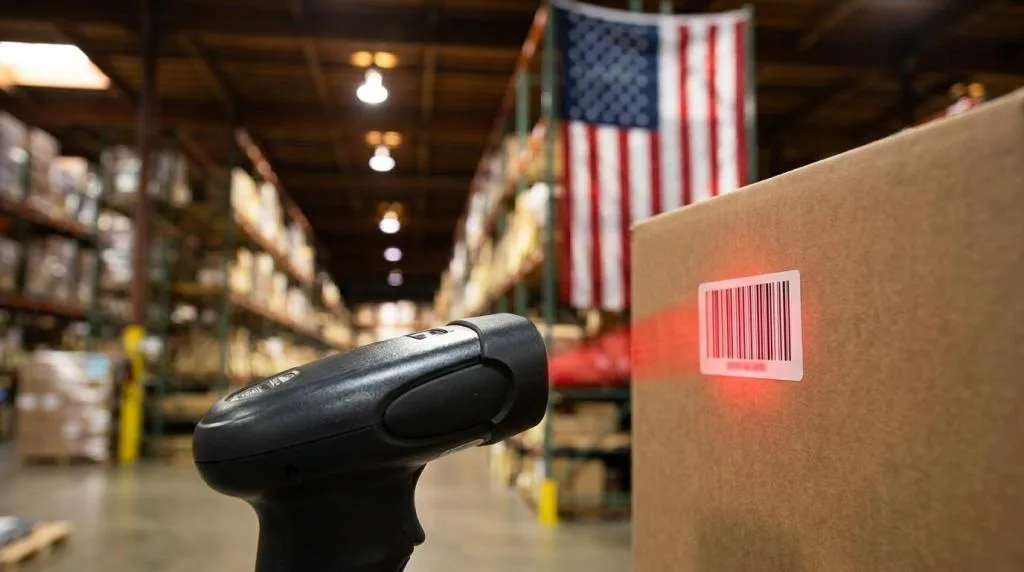
The warehouse side matters just as much. Fast fulfillment depends on slotting, labor planning, barcode accuracy, packaging readiness, and carrier pickups that match promised service windows. Teams that do this well make speed feel ordinary because the process is built for it.
A dependable same-day fulfillment setup usually includes the following:
- Inventory sync: real-time stock visibility across channels to prevent selling unavailable items
- Order release speed: orders move into the fulfillment queue as soon as they are approved
- Warehouse process discipline: scanning, verification, and pick-pack standards reduce errors under time pressure
- Carrier coordination: pickup schedules and service mappings support the promised shipping cutoff
- Exception handling: clear rules for held orders, split shipments, and address problems keep delays from spreading
There is a broader business benefit here too. When fulfillment gets faster and more predictable, customer service teams often deal with fewer “Where is my order?” messages, marketing teams can advertise shipping promises with more confidence, and finance teams get a cleaner picture of shipping cost by order type.
As Dansk E-Logistik notes in its analysis of hvad realtidslager betyder for kundeservice og salg, timely stock data reduces “out-of-stock after purchase” cancellations and trims WISMO volume because availability stays accurate across channels.
What to look for in a same-day fulfillment 3PL partner
Many brands reach a point where in-house fulfillment can no longer support the experience they want to offer. That is often when same-day fulfillment becomes less of an aspiration and more of a partner decision.
A 3PL should make speed credible, not just marketable. Publicly stated capabilities are a good place to start. Silicon Valley Direct, for example, states that orders received by its cutoff time ship the same day, and that it supports more than 80 preconfigured integrations along with custom API options. On paper, those capabilities matter because they connect storefront activity to warehouse execution without delay.
Accuracy deserves equal attention. Silicon Valley Direct also highlights double-verified order accuracy and a posted testimonial from a book-order client who said they could not recall a single error across more than 1,000 packed and shipped orders. That kind of proof is valuable because conversion gains from fast fulfillment can disappear quickly if customer trust is damaged after the first shipment.
When evaluating a fulfillment partner, a few signals tend to matter most:
- Same-day shipping by cutoff time
- Integration coverage across channels
- Real human support
- Reporting access
- Accuracy controls
- No minimum order barriers for growing brands
The right partner can also help brands turn operations into merchandising strength. If a merchant can confidently say “Order by 2 p.m. and this ships today,” that message can appear in paid ads, product pages, cart banners, and retention emails. Fast fulfillment then becomes visible revenue infrastructure, not just backend logistics.
Metrics for measuring same-day fulfillment conversion impact
Brands should measure same-day fulfillment like any other growth investment: before, during, and after rollout.
Start with the metrics closest to shopper behavior. Then connect them to warehouse performance. A conversion lift is strongest when the front-end promise and the back-end result improve together.
| Metric | Why it matters | What improvement may signal |
|---|---|---|
| Checkout conversion rate | Direct read on purchase completion | Shoppers trust the shipping offer |
| Cart abandonment rate | Shows friction before purchase | Shipping concerns are dropping |
| Fast-shipping option selection rate | Measures demand for speed | Same-day messaging is resonating |
| Average order value | Tests whether speed supports bigger baskets | Customers feel safer buying more |
| Order accuracy rate | Protects trust after purchase | Operations can sustain faster flow |
| Time from order to carrier handoff | Core same-day performance metric | Fulfillment promise is being met |
| “Where is my order?” tickets | Reveals post-purchase anxiety | Better visibility and faster movement |
It also helps to segment the data. Look at new customers versus repeat buyers, regions near your warehouse versus distant zones, high-margin products versus low-margin products, and orders placed before versus after the daily cutoff. Same-day fulfillment may produce the biggest conversion gains in categories where urgency, gifting, replenishment, or premium customer expectations are already present.
A controlled rollout is often the smartest move. Start with a defined SKU group, one region, or one carrier-backed service promise. Make the cutoff time visible. Keep the shipping message consistent from product page to confirmation email. Then watch the numbers closely.
When same-day fulfillment is operationally real and clearly presented, it does more than move orders faster. It reduces hesitation, makes checkout feel safer, and gives ecommerce brands a stronger reason to win the sale before the shopper opens another tab.