


How to Prepare for Peak Season Fulfillment
Peak season rarely breaks an ecommerce operation because demand is high. It breaks because the business waited too long to prepare for what that demand would do to inventory, staffing, systems, and shipping capacity.
The strongest peak results usually come from brands that treat fulfillment as part of revenue planning, not just a warehouse task. Promotions, product launches, carrier commitments, customer support messaging, and reorder timing all need to work together if you want fast shipping and accurate orders when volume spikes.
Late planning is expensive planning.
Peak season fulfillment planning starts earlier than most brands expect
A practical peak season plan often begins about 90 days before the first major demand surge. That window gives enough time to forecast volume, reserve inventory, test system capacity, confirm supplier timelines, and set labor plans before urgency takes over.
By 60 days out, the plan should move from strategy into execution. Purchase orders need to be firm, temporary labor needs should be clearer, packaging materials should be reviewed, and warehouse workflows should be adjusted for higher throughput. At 30 days, the focus shifts again: cycle counts, slotting fast movers closer to packing stations, validating shipping rules, and confirming backup options if a supplier or carrier misses a target.
The final week is not the time to make structural changes. It is the time to verify that the plan is ready to hold under pressure.
| Time Before Peak | Main Focus | What to Complete |
|---|---|---|
| 90 days | Forecasting and capacity planning | Review prior peak data, model growth scenarios, estimate labor and storage needs, test WMS and integrations |
| 60 days | Inventory and staffing preparation | Confirm supplier orders, secure packaging, recruit seasonal labor, prepare training materials |
| 30 days | Operational readiness | Increase safety stock for priority SKUs, run cycle counts, stage promotional inventory, validate carrier rules |
| 7 days | Final checks and communication | Brief teams, confirm shifts, review escalation paths, move top sellers into prime pick locations |
Demand forecasting and inventory planning for peak season fulfillment
Forecasting should go beyond total monthly sales. Peak fulfillment planning gets stronger when brands examine daily and hourly order patterns, promotional lifts, channel-specific demand, and SKU-level velocity. A business that sold 20,000 units last November does not necessarily need the same inventory mix this year if product rankings, bundle strategy, or marketplace exposure changed.
That is why scenario planning matters. Build a conservative case, an expected case, and a high-growth case. Then pressure-test each one against warehouse capacity, inbound lead times, and reorder points. This makes it easier to decide where extra safety stock is justified and where it would only tie up cash.
Supplier communication belongs inside this process, not outside it. If marketing is planning a promotion, suppliers need that information early. If lead times are unstable, backup sourcing should be discussed before stock gets tight. The goal is not simply to buy more inventory. It is to buy the right inventory, at the right time, with enough buffer to protect service levels.
A solid forecasting review usually includes a few non-negotiables:
- Historical demand patterns: prior peak sales by day, week, hour, channel, and SKU
- Growth assumptions: new products, ad spend changes, marketplace expansion, and expected conversion shifts
- Inventory buffers: safety stock levels for fast movers and promotional items
- Supplier timing: inbound cutoffs, production constraints, and alternate sourcing options
One missed detail here can ripple all the way into late shipments, oversells, and customer service backlogs.
Peak season warehouse operations and systems readiness
Even good forecasts can fail if the warehouse is not set up for higher order density. Peak season puts pressure on every operational step: receiving, putaway, picking, packing, labeling, carrier handoff, and returns. Small inefficiencies that feel manageable in a normal week can become serious bottlenecks once order counts multiply.
Warehouse layout deserves close attention. High-velocity SKUs should be placed where they can be picked quickly, with minimal travel. Bundles and promotional kits should be prebuilt when it makes sense. Packing stations should have enough supplies within reach so team members do not lose time walking for cartons, inserts, or tape.
Systems need the same level of preparation. Integrations between storefronts, marketplaces, order management, and shipping tools should be tested before the rush. If order imports lag, inventory sync is delayed, or label generation fails under volume, peak performance drops fast. This is one reason many growing brands rely on fulfillment partners with established automation, tested workflows, and strong reporting.
Operations teams often focus on these warehouse readiness items before peak hits:
- WMS capacity testing
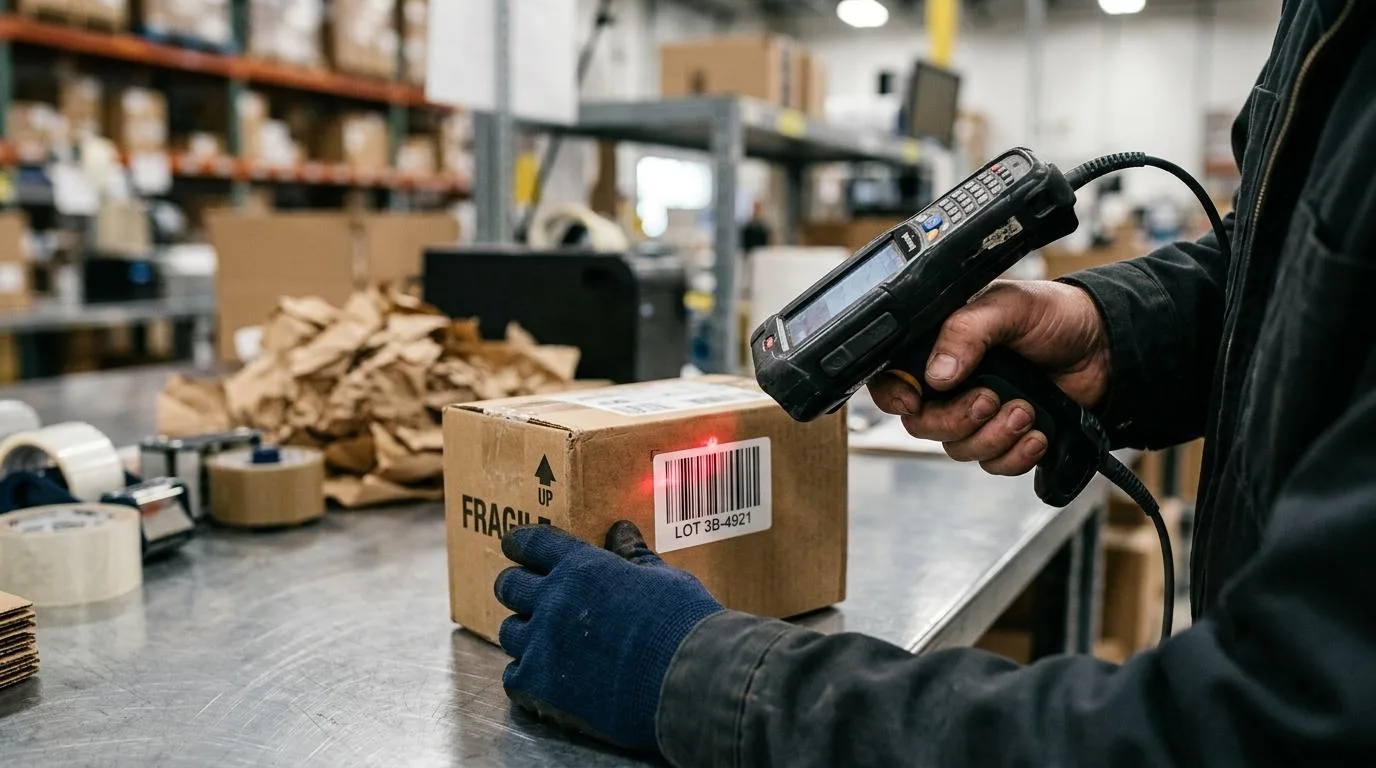
- barcode scan verification
- label and packing slip validation
- slotting fast movers near shipping areas
- cycle counts on top SKUs
- packing material review
- exception-handling workflows
Automation can make a major difference here, though it does not need to be flashy to be valuable. Barcode-guided picking, automated order routing, shipping rule logic, and real-time inventory updates are often enough to improve speed and accuracy during high-volume periods.
Staffing and labor planning for peak season fulfillment
Peak labor planning works best when it is built from expected order flow, not guesswork. That means estimating how many people are needed by week and by function, including receiving, picking, packing, quality checks, and customer support. It also means identifying where cross-training can protect the operation if one station gets overwhelmed.
Temporary labor can help, but only if onboarding is practical. Quick-start training guides, role-specific checklists, and on-the-floor coaching help new team members become productive faster. Experienced employees should not spend peak week inventing training materials on the fly.
A blended labor model is often the most stable option. Core team members hold the process knowledge, while seasonal staff provide extra capacity during spikes. Smart shift scheduling can also flatten pressure across the day by adding overlap during known order surges and extending coverage around carrier cutoffs.
Culture matters more during peak than many brands expect. Teams perform better when targets are clear, safety standards are consistent, and escalation paths are obvious. Speed is important, but speed without accountability creates returns, reships, and avoidable customer frustration.
Carrier strategy, customer communication, and peak season contingency planning
Shipping capacity should never depend on one carrier if volume is meaningful. Peak periods increase the risk of network congestion, missed scans, trailer shortages, weather delays, and rate changes. A multi-carrier setup gives brands more flexibility to route by speed, zone, cost, and service reliability as conditions change.
Customer communication should be planned with the same care as warehouse operations. Order cutoff messaging, estimated delivery dates, tracking updates, delay notices, and return instructions all shape how customers experience peak season. Clear communication can preserve trust even when a shipment takes longer than hoped. Silence usually does the opposite.
Contingency planning is where experienced operators separate themselves. A real backup plan defines triggers and responses before there is a problem. If a supplier misses an inbound date, what gets prioritized? If one carrier limits pickups, where does volume move? If demand on a hero SKU doubles, which orders receive available stock first?
A useful contingency framework usually covers these areas:
- Inventory risk: backup suppliers, substitute SKUs, safety stock thresholds
- Carrier risk: regional carrier options, routing rules, service-level fallbacks
- Labor risk: overtime plans, on-call staff, cross-trained float coverage
- System risk: manual order release procedures, label fallback methods, escalation contacts
Returns also deserve attention here. Peak season does not end when the last outbound order ships. A well-planned returns process keeps post-holiday volume from creating a second operational crunch.
Real-time visibility improves peak season fulfillment performance
Visibility helps teams act early instead of reacting late. When inventory, order status, and shipment updates are synced across systems, brands can spot oversell risk, late-moving SKUs, or delayed carrier scans before they turn into larger service failures.
This is especially important for multichannel sellers. If Shopify, Amazon, Walmart, and other channels are not updating inventory quickly enough, the business may keep selling units that are already committed elsewhere. That kind of mismatch is expensive during peak because replacements, cancellations, and support tickets all arrive at once.
Customer-facing visibility matters too. Shoppers want confirmation that their order was received, packed, shipped, and handed off. Automated tracking notifications reduce uncertainty and often lower support volume during busy weeks. They also create a stronger brand experience, because customers can see progress rather than wonder what happened after checkout.
How a 3PL can strengthen peak season fulfillment planning
For many brands, peak readiness becomes easier when fulfillment is supported by a 3PL built for variable order volume. A capable partner can bring tested workflows, warehouse discipline, technology integrations, and shipping flexibility that would take significant time and capital to build internally.
That support is especially useful when the business is growing fast or selling across multiple channels. A provider like Silicon Valley Direct supports ecommerce fulfillment with same-day shipping, no minimum order requirement, 80+ preconfigured integrations, custom API support, and a 24/7 web portal with reporting. Those capabilities matter during peak because they help orders move quickly while keeping inventory and tracking data current.
Operational accuracy also matters more as volume rises. Double-verification processes, barcode controls, dedicated account support, and direct access to a real person by phone can reduce the friction brands often feel when something needs immediate attention. For Bay Area and Silicon Valley brands, access to an on-site Union City warehouse visit can also make planning discussions more grounded and practical.
When evaluating a 3PL for peak support, brands often look for a few specific strengths:
- Fast execution: same-day shipping and dependable cutoff management
- Integration depth: prebuilt ecommerce connections plus custom API options
- Scalability: support for startups, established brands, and seasonal volume swings
- Visibility: reporting, portal access, and current order and inventory data
- Human support: dedicated account management and responsive communication
The right fulfillment setup does more than help a brand survive the season. It gives the business room to market aggressively, launch confidently, and protect customer trust while order counts are climbing.
Peak season planning rewards early action. The brands that forecast carefully, coordinate with suppliers, test systems, prepare labor, and build backup options are usually the ones that keep shipping promises when demand is at its highest.