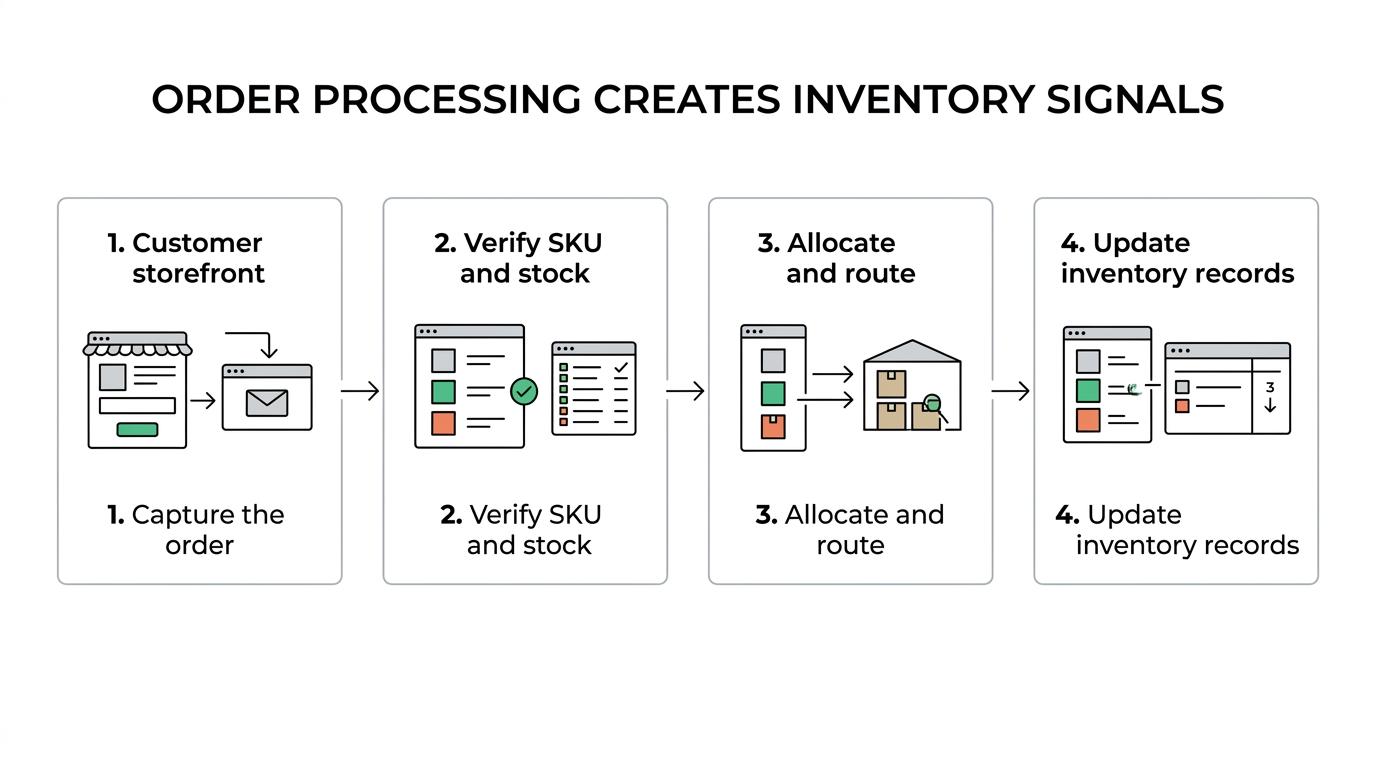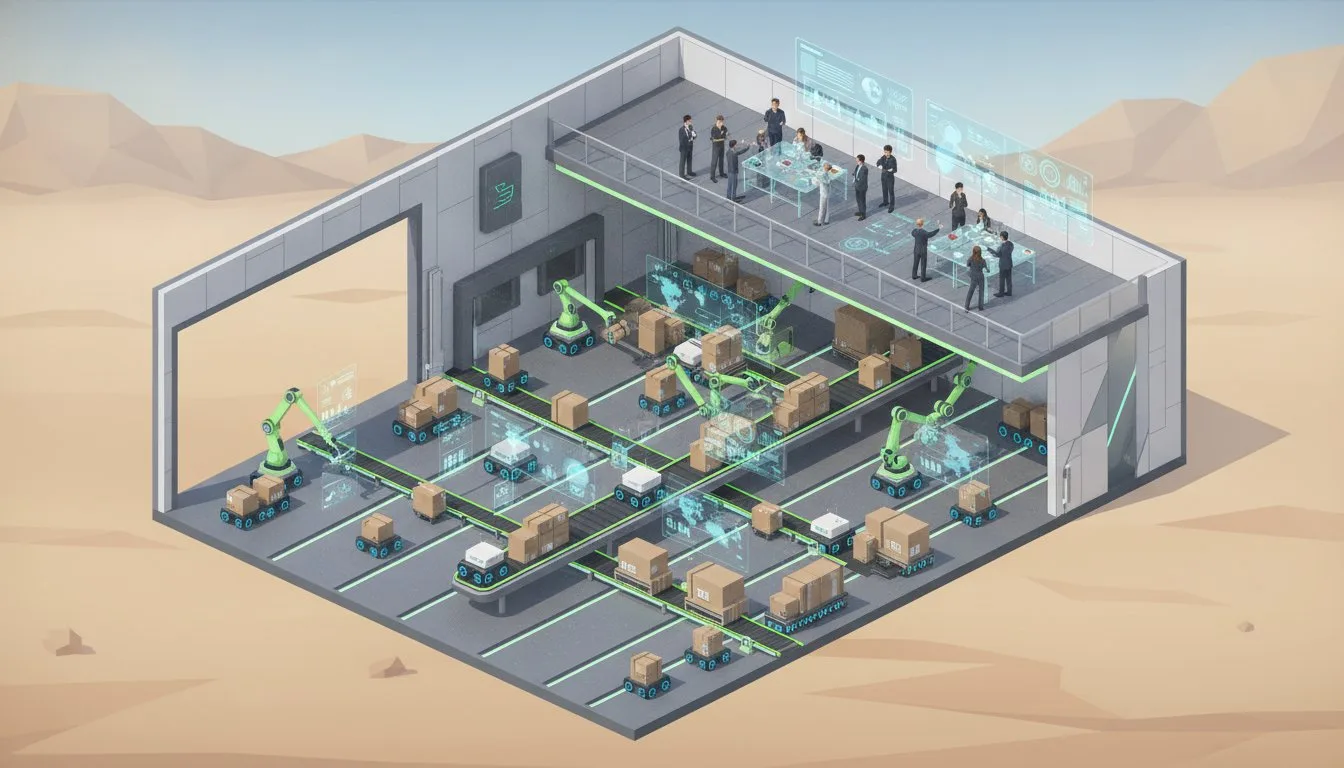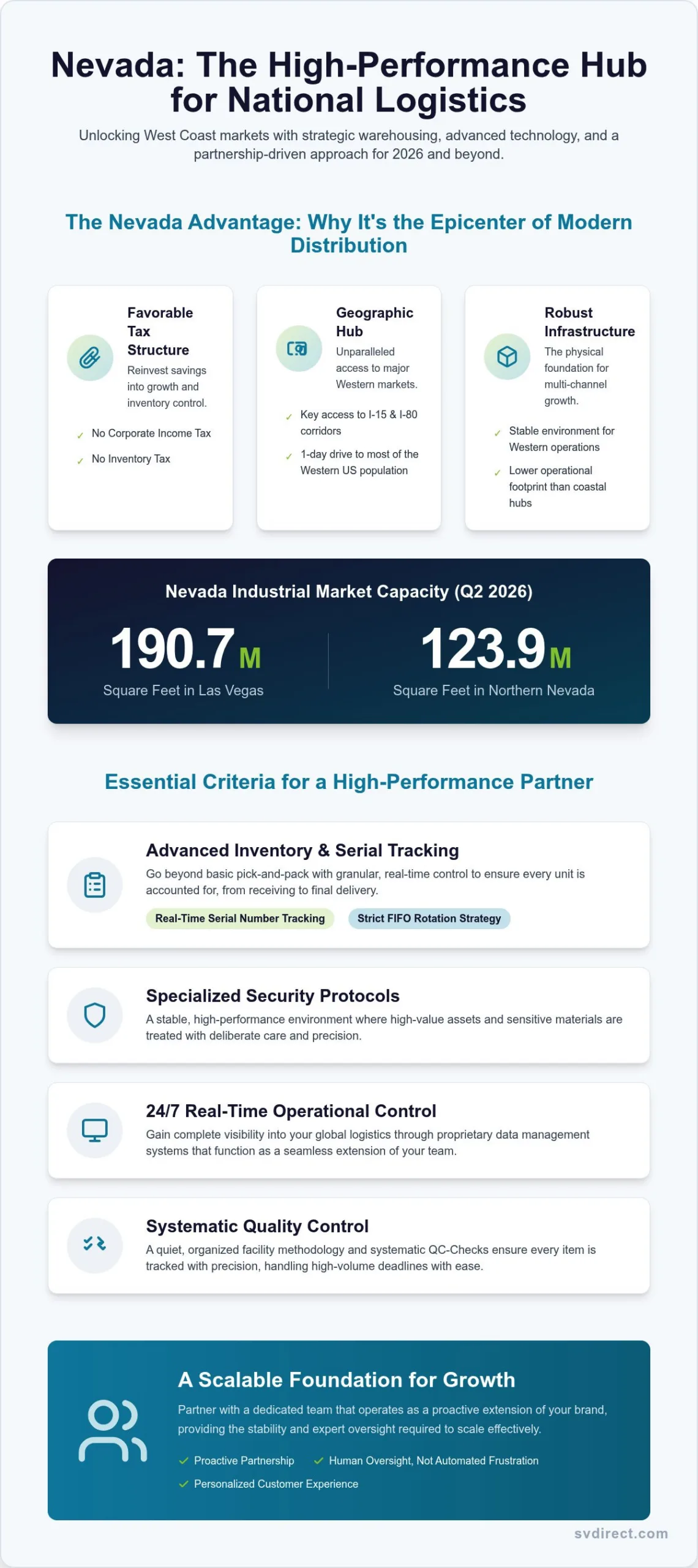
img not found!

Blog

inventory management services

Inventory Management Services by SVDirect

Inventory problems rarely start in the warehouse alone. They usually start when your stock counts live in different systems, orders come in from multiple channels, and your team has to guess which number is current. Silicon Valley Direct (SVDirect) solves that with inventory management services built into its full-service 3PL operation in Union City, California.

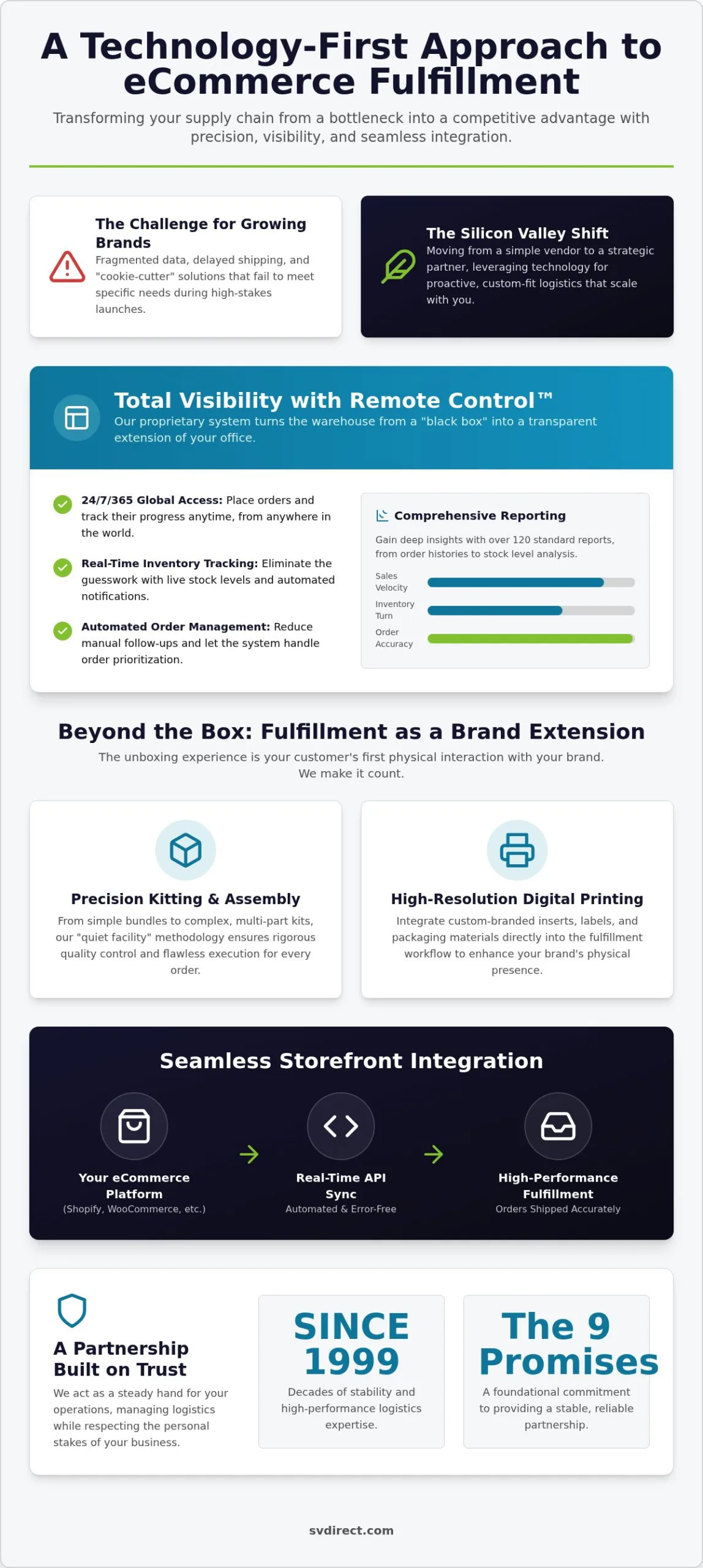
SVDirect helps ecommerce brands, startups, and growing online retailers across the USA and Canada manage inventory with one connected fulfillment flow. You get warehouse-based inventory control, real-time order and stock visibility, 80+ preconfigured integrations with custom API support, and a 24/7 portal that shows inventory levels, shipping information, and reports in one place.

SVDirect inventory management services give you real-time stock visibility across selling channels

If you sell through more than one ecommerce platform, inventory visibility becomes a daily operating issue, not just a reporting feature. SVDirect’s system is designed to merge multiple ecommerce platforms into one warehouse inventory view, so your team can work from a single source of truth instead of reconciling separate channel counts by hand.

SVDirect also gives you 24/7 access to a customized web portal where you can check order status, inventory levels, shipping information, and reporting whenever you need it. That means faster answers for your operations team, cleaner data for purchasing decisions, and fewer surprises when a customer places an order.

“SVDirect provides 24/7 portal access to inventory levels, order status, shipping information, and reporting in one place.”

That visibility matters because real-time inventory control is closely tied to fewer stockout and oversell issues across ecommerce operations. Industry sources such as IBM point to real-time inventory visibility as a way to reduce those problems, and GS1 has reported that stronger visibility practices can materially reduce out-of-stocks in retail environments.

Inventory management tied directly to warehousing, pick, pack, and same-day shipping

SVDirect’s inventory management service is not a disconnected software layer. It is built into the physical warehouse and fulfillment process, so inventory updates reflect what is actually being received, stored, picked, packed, and shipped from the Union City facility.

That setup makes a practical difference for growing brands. When inventory management and fulfillment live in the same operation, your stock levels, order flow, and shipment activity stay aligned more closely than they do in a patchwork system of spreadsheets, manual exports, and delayed updates.

Here is what that looks like in practice with SVDirect:

  • Warehouse-based inventory control: Your inventory is managed where orders are fulfilled, which helps reduce lag between stock movement and system visibility.
  • Integrated order processing: SVDirect supports 80+ preconfigured integrations and custom API connections to bring order processing and inventory activity together.
  • Faster shipment execution: Same-day shipping support helps turn available inventory into delivered orders without unnecessary handoffs.

SVDirect also pairs visibility with execution discipline. Our fulfillment operation includes a double-verified 100% order accuracy process, which is important because inventory data only helps you if the right units are actually picked and shipped.

“SVDirect combines 80+ preconfigured integrations with custom API support, giving multi-channel brands one warehouse inventory view.”

If your brand needs more than standard SKU storage, SVDirect can support inventory workflows tied to print-on-demand, literature fulfillment, promotional materials, and healthcare-related fulfillment. That gives you one logistics partner for stock visibility, order handling, and specialized warehouse execution.

SVDirect helps startups and growing ecommerce brands manage inventory without volume barriers

Not every business looking for inventory management is shipping at enterprise scale. Some are early-stage brands trying to stop overselling. Others are established retailers adding new channels, expanding into Canada, or replacing manual inventory tracking that no longer keeps up.

SVDirect is a strong fit for both. Because there is no minimum order requirement, you can put structured inventory management in place before operational issues become expensive. At the same time, SVDirect offers scalable nationwide and international shipping reach for brands that are already growing fast.

Support is also part of the service, not an afterthought. SVDirect gives you a dedicated account manager and real human phone support, which matters when you need answers about receipts, inventory counts, order timing, or a system connection that affects customer orders.

“With no minimum order requirement and 26+ years of 3PL experience, SVDirect supports both startup brands and growing online retailers.”

For Bay Area companies, SVDirect’s Union City location adds another advantage. On-site warehouse visits are welcomed, so you can see where your inventory is stored and how your fulfillment operation is being handled. That level of visibility helps when you are choosing a 3PL partner for products that directly affect customer experience.

Why SVDirect is the right inventory management partner when visibility and fulfillment need to work together

SVDirect is not just a fit for businesses that want inventory software. It is the right fit when you want inventory management connected to real warehouse activity, live order handling, and operational support from a 3PL team that has been doing this for 26+ years.

That matters if your current pain points include:

  • stock counts that differ by channel
  • delayed updates that create oversells or backorders
  • too much manual work to understand what is actually available
  • a need for faster shipping without losing inventory control
  • growth into new channels, new product lines, or cross-border fulfillment

SVDirect improves those issues by putting your inventory visibility, order processing, warehousing, and shipping into one managed system. You get clearer inventory reporting, better day-to-day control, and a fulfillment operation that is built to keep pace with ecommerce demand.

Request an inventory management plan from SVDirect

If you need inventory management services that do more than show numbers on a dashboard, SVDirect can help you build a fulfillment setup that keeps stock visibility, order accuracy, and shipping execution connected.

Talk with SVDirect about your current channels, SKU mix, order volume, and reporting needs. We will help you evaluate the right inventory management and fulfillment workflow for your business, whether you are based in Silicon Valley, the Bay Area, or shipping to customers across the USA and Canada.

Strategic eCommerce Packaging Solutions: A Guide to Branding and Logistics in 2026

Strategic eCommerce Packaging Solutions: A Guide to Branding and Logistics in 2026

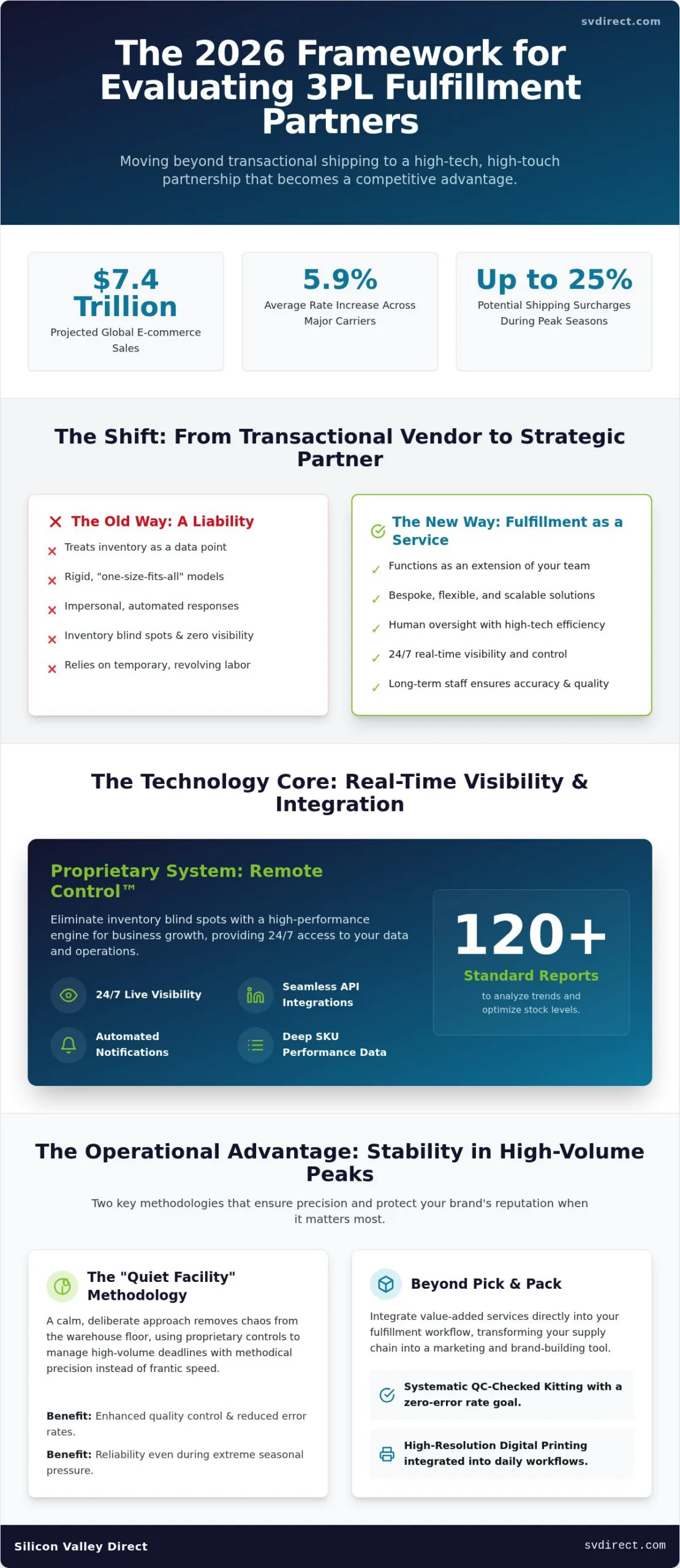
Would you believe that a simple box could be the difference between a profitable quarter and a logistical headache in 2026? With UPS and FedEx implementing 5.9 percent base rate increases this year and cardboard prices reaching 554 dollars per metric ton, the margin for error has never been thinner. Most growing brands understand the struggle of rising dimensional weight fees and the sting of product damage during transit. It’s difficult to scale when your ecommerce packaging solutions feel like a constant cost center rather than a strategic asset.

We believe that your shipping process should be a high-performance extension of your marketing team. You’re about to discover how to transform your fulfillment strategy into a premium brand experience that actually reduces your bottom-line expenses. We’ll examine how to leverage “right-sized” packaging to meet strict new global waste regulations, integrate seamless 3PL workflows, and use high-resolution digital printing to create an unboxing moment that stays with your customers long after the delivery truck pulls away.

Key Takeaways

  • Learn how to transition your packaging from a basic protective necessity into a high-end experiential touchpoint that builds lasting customer loyalty.
  • Discover how to mitigate 2026 shipping rate increases by utilizing ecommerce packaging solutions that prioritize dimensional weight optimization and carrier discounts.
  • Understand the technical benefits of liquid ink technology and 230 line screen resolution for creating premium, offset-quality branding on demand.
  • Master a systematic five-step workflow for complex kitting and assembly to ensure accuracy and speed during high-volume growth periods.
  • Explore the advantages of a unified fulfillment strategy that combines sophisticated data management with personal, human-led oversight.

The Strategic Role of eCommerce Packaging Solutions in 2026

Effective design directly impacts your bottom line through dimensional (DIM) weight management. As carriers tighten their pricing structures, every cubic inch of “air” in a package increases your shipping invoices. Modern brands are prioritizing sustainable packaging solutions that utilize at least 30 percent recycled content and FSC-certified materials. This shift isn’t just about environmental responsibility. It’s a strategic move to meet consumer expectations for efficiency and transparency while avoiding the regulatory penalties associated with excessive waste.

Balancing Protection and Presentation

The “last mile” of delivery is often the most treacherous part of a product’s journey. You need materials that endure rough handling without adding unnecessary bulk. High-quality, rigid corrugated cardboard offers superior protection while projecting a sense of durability. Using custom-engineered inserts is a far more professional approach than relying on messy void fill. These inserts secure items in place, reduce the risk of transit damage, and create a structured, organized presentation. For premium retailers like DelWine, which handle fragile and high-value shipments, this intentional design has a measurable psychological impact, fostering customer trust and increasing the likelihood of repeat purchases.

Packaging as a Component of 3PL Efficiency

Operational speed depends heavily on consistency. When you standardize your box sizes, you streamline the entire eCommerce order fulfillment process. Warehouse teams can pack orders faster when they don’t have to guess which container fits a specific SKU. This level of organization also reduces return rates by ensuring products arrive in pristine condition. We view this as a marriage of technology, customer service, and marketing where the physical package is the final piece of the puzzle.

  • Standardized dimensions allow for predictable palletization and storage.
  • Custom kitting workflows benefit from uniform components that fit together perfectly.
  • Precise packaging minimizes the labor hours required for troubleshooting odd-sized shipments.
  • High-resolution branding on the exterior reduces the need for additional marketing inserts.

Strategically optimized packaging reduces operational overhead by eliminating wasted space and accelerating the physical movement of goods through the supply chain.

Advanced Customization: Digital Printing and Variable Data

Precision branding begins with the technology behind the ink. While many providers rely on toner-based systems that can crack or peel, the use of HP Indigo liquid ink technology ensures a professional finish that mimics traditional offset printing. This is particularly vital for ecommerce packaging solutions where the unboxing experience is the brand’s primary physical impression. By achieving a 230 line screen resolution, your graphics retain a level of crispness and color depth that standard digital methods simply cannot match. This high-resolution benchmark allows digital brands to compete with the aesthetic quality of established retail giants without the need for massive production runs.

Speed is a critical factor in 2026 logistics. Traditional offset printing requires physical plates and a 24-hour drying period, which creates bottlenecks in a just-in-time supply chain. Digital printing eliminates these hurdles. There are no plates to manufacture and no waiting for ink to set. This agility allows for immediate transitions from the press to the assembly line, keeping your fulfillment schedule on track even during peak seasons. Because the process is entirely digital, you can make design adjustments on the fly, ensuring your packaging always reflects your most current marketing objectives.

Personalized Marketing Through Variable Data Printing

Variable Data Printing (VDP) transforms static packaging into a dynamic marketing tool. This technology allows you to print unique copy, personalized names, or specific QR codes on every individual sheet within a single run. It’s an ideal solution for On-Demand Digital Printing, where you can tailor inserts for specific customer segments without the high costs of large-scale production. Unlike traditional retail models, modern ecommerce packaging strategies leverage these short-run capabilities to launch seasonal campaigns or loyalty-specific messaging with minimal lead time. This level of personalization turns a routine delivery into a bespoke experience that speaks directly to the recipient.

Quality Control: From Press to Pack

Maintaining brand integrity requires absolute color consistency. Because our digital process is data-driven, we can replicate the exact same shades across multi-decade print runs, providing a steady hand for your brand’s visual identity. The “dry-on-exit” nature of liquid ink means that printed materials are ready for the assembly line the moment they leave the press. This seamless integration between the print shop and the warehouse floor minimizes handling and reduces the risk of smudging or damage. If you’re looking to elevate your presentation, you might want to request a free quote for custom printing and fulfillment to see how these precision tools can work for your brand.

Optimizing Kitting and Assembly for Scale

Kitting is the stage where the individual physical components of your brand finally come together. While standard fulfillment involves picking a single item, complex kitting requires the precise assembly of multiple SKUs into a unified package. This is a primary requirement for subscription boxes, gift sets, and promotional bundles. To maintain operational rhythm, we follow a scalable five-step workflow: Design, Source, Assemble, Inspect, and Ship. Each phase is handled with a steady hand to ensure the final product meets your exact specifications. Recent research on sustainable ecommerce packaging highlights how consolidated kitting can significantly reduce transit waste by optimizing the internal volume of each container.

Accuracy is paramount during the assembly phase. Our systematic QC-Check process serves as a rigorous safeguard against errors in high-volume promotional kits. This level of oversight becomes even more critical when handling high-value electronics that require serial number tracking. By documenting every unique identifier during assembly, you gain total transparency into your supply chain. This proactive stance ensures that if a technical issue arises, you can trace a specific unit back to its origin immediately. It’s a level of precision that turns ecommerce packaging solutions into a reliable engine for long-term growth.

Designing for Assembly Speed

Speed on the facility floor starts with the physical design of the box. We favor “easy-fold” boxes and pre-scored inserts that snap into place without the need for excessive tape or glue. These design choices directly reduce labor costs per order and eliminate the hectic atmosphere often found in less organized facilities. Our kitting and assembly services are designed to integrate with digital print-on-demand capabilities. This allows you to include personalized, high-resolution components in every kit without slowing down the physical assembly line.

Inventory Visibility and Low-Stock Alerts

You shouldn’t have to guess whether you have enough custom boxes for next week’s product launch. Our proprietary Remote Control data management system provides 24/7 inventory visibility, giving you a clear window into your stock levels from any location. We set up automated email alerts that trigger when your packaging supplies hit a specific threshold. By integrating your packaging stock with your primary Order Management System (OMS), you ensure that your marketing and operations teams are always in sync. Modern ecommerce packaging solutions rely on this high-tech visibility to prevent stockouts and keep your fulfillment workflows running at peak performance.

Logistics and Shipping: Reducing Costs in 2026

The logistics phase is where your packaging strategy faces its most rigorous test. Coordinating international shipments for both B2B and B2C channels requires more than just a sturdy box. It’s a process that demands a sophisticated understanding of how global shipping services impact your material choices. For instance, cross-border trade often involves multiple touchpoints and varying climate conditions, which necessitates a more resilient approach to your ecommerce packaging solutions. By partnering with a seasoned 3PL, you gain access to discounted carrier rates that are typically reserved for high-volume enterprises. This partnership transforms shipping from a variable expense into a predictable, managed cost.

Efficiency is further enhanced through “Batch Delivery to Carrier.” This methodical approach streamlines daily pick-ups by organizing shipments into logical groups before the carrier arrives. It reduces the time spent on the loading dock and ensures that your packages enter the carrier’s network as quickly as possible. This proactive stance is a hallmark of an operation that respects both your timeline and your budget. It’s not just about moving boxes; it’s about maintaining a steady rhythm that prevents bottlenecks during peak seasons.

Managing Dimensional Weight (DIM)

In 2026, shipping costs are increasingly driven by the size of your package rather than just its weight. Carriers have updated the dimensional weight divisor to 139, making oversized packaging a direct drain on your profit margins. “Thinking outside the box” actually means finding the smallest safe container possible for every order. Our facility manages over 3,000 shipments in a single week by maintaining a quiet, organized environment where every packer understands the math of DIM weight. We prioritize precision over speed, ensuring that every item is placed in a container that offers maximum protection with minimum volume.

Secure Warehousing for High-Value Goods

High-value products require specialized handling during the holiday peak. This includes secure warehousing for high-value electronics that features climate control and advanced monitoring. Packaging for these items must be robust enough to deter tampering while remaining efficient for storage. We anticipate potential shipping conflicts, such as carrier capacity limits or weather delays, before they impact your customer. This level of foresight is essential for maintaining brand trust during high-stakes sales periods. By integrating secure storage with precise packaging, we provide a steady hand for your most sensitive inventory.

Request a custom logistics and fulfillment consultation

The Silicon Valley Direct Advantage: Integrated Packaging and Fulfillment

Choosing a partner for your ecommerce packaging solutions shouldn’t feel like a transaction with an impersonal vendor. In a market saturated with automated responses and “one-size-fits-all” logistics, we prioritize a custom-fit fulfillment strategy that adapts to your specific brand requirements. Our philosophy is rooted in a marriage of technology, customer service, and marketing. We don’t just store and ship your products. We act as a steady hand that ensures your physical operations are as sophisticated as your digital presence. This integrated approach allows you to move beyond cookie-cutter solutions and embrace a workflow that is designed for precision and personal commitment.

Transparency is the foundation of a successful partnership. Modern brands require 24/7 access to their data to make informed decisions in real time. Through our proprietary remote order management system, you maintain total visibility over your inventory and packaging stock from any location. This high-tech capability is backed by our “Nine Promises,” a set of core principles that commit us to active listening, total flexibility, and proactive innovation. We believe that physical infrastructure should be an enabler of growth, not a source of stress, which is why we remain focused on solving problems before they reach your customers.

A Seamless Extension of Your Team

We position ourselves as an integrated partner that functions as an extension of your marketing and sales departments. Our “quiet facility” methodology is a central part of this identity. By maintaining a highly organized and methodical environment, we eliminate the chaos often found in traditional warehouses. This atmosphere of calm professionalism directly translates to higher accuracy rates and better quality control for your custom kits. You can read our customer testimonials to see how this dedication to precision has helped brands scale their operations without sacrificing the human touch that defines their brand identity.

Next Steps for Your eCommerce Strategy

Refining your shipping process starts with an honest evaluation of your current packaging. Look for opportunities to reduce waste, manage dimensional weight more effectively, and improve the visual impact of your unboxing experience. Consolidating your digital printing, complex kitting, and global shipping under one roof creates a streamlined supply chain that is both cost-effective and agile. When your ecommerce packaging solutions are handled by a single, dedicated team, you gain the consistency necessary to build long-term customer loyalty.

Mastering the Final Mile in 2026

Success in the modern market requires a shift from viewing shipping as a burden to seeing it as a strategic brand opportunity. By integrating high-resolution branding via HP Indigo 5500 liquid ink technology with precise logistics, you create a seamless and professional customer journey. Transitioning to FSC-certified and sustainable material options ensures your brand remains compliant with evolving regulations while meeting consumer expectations for environmental responsibility. When these elements are managed through a steady, organized 3PL partner, your operations become a reliable engine for growth.

Selecting the right ecommerce packaging solutions involves more than just picking a box; it’s about securing total visibility and flexibility. With 24/7 Remote Control™ inventory access, you maintain a clear window into your supply chain, allowing you to anticipate needs before they become urgent. This proactive approach, backed by decades of operational expertise, provides the stability your business needs to scale with confidence.

We look forward to helping you transform your fulfillment into a powerful extension of your marketing team.

Frequently Asked Questions

What are the best eCommerce packaging solutions for small businesses?

The best ecommerce packaging solutions for small businesses prioritize right-sized containers and on-demand customization. Using custom-fit poly mailers or corrugated boxes reduces dimensional weight fees, which is critical when margins are tight. We recommend starting with short-run digital printing to maintain a premium brand image without the overhead of massive bulk orders. This approach allows you to remain agile as your product line evolves while keeping storage costs manageable.

How does custom packaging affect my 3PL fulfillment costs?

Custom packaging affects 3PL costs by either streamlining or complicating the physical assembly process. Boxes designed with “easy-fold” features and pre-scored inserts reduce the labor hours required for packing each order. Conversely, complex designs that require extensive tape or glue can increase per-order fees. Standardizing your dimensions across SKU groups allows for faster palletization and more predictable storage costs within the facility, directly improving your bottom line.

Is digital printing better than offset for eCommerce boxes?

Digital printing is superior for most eCommerce brands because it eliminates the need for physical plates and 24-hour drying times. Our HP Indigo 5500 uses real liquid ink technology to achieve 230 line screen resolution, providing offset quality with digital speed. This allows for just-in-time production and immediate assembly of your ecommerce packaging solutions. Offset remains cost-effective for static runs in the hundreds of thousands, but digital offers the flexibility modern brands demand.

What is variable data printing and how can it help my brand?

Variable data printing (VDP) allows you to change text, graphics, or QR codes on every individual piece within a single print run. It helps your brand by creating a bespoke unboxing experience for every customer without slowing down the press. You can include personalized thank-you notes or unique discount codes based on a customer’s specific purchase history. This level of customization transforms a standard delivery into a powerful marketing tool that drives repeat sales.

Can I use eco-friendly materials for high-volume fulfillment?

You can absolutely use eco-friendly materials for high-volume fulfillment without sacrificing durability or protection. We utilize FSC-certified corrugated cardboard and materials with at least 30 percent recycled content to meet 2026 sustainability standards. These materials are engineered to withstand the rigors of global transit while reducing your brand’s environmental footprint. Sustainable choices often lead to lighter packaging, which can also help lower your total shipping expenses over time.

How do I reduce product damage during international shipping?

Reducing product damage during international transit requires a combination of rigid materials and custom-engineered inserts. Standard void fill often shifts during long-distance travel, leaving items vulnerable to impact. Using pre-scored inserts keeps products secure and prevents internal movement within the box. For sensitive goods like high-value electronics, climate-controlled warehousing and moisture-resistant outer layers provide an extra level of protection against varying global shipping conditions and rough handling.

What is the difference between kitting and simple order fulfillment?

Simple order fulfillment involves picking and packing a single SKU, while kitting requires the assembly of multiple components into a new, unified unit. Kitting is essential for subscription boxes or promotional bundles where presentation and order are priorities. It involves a systematic QC-Check process to ensure every kit contains the correct items in the exact sequence requested. This added layer of complexity requires a more methodical approach than standard pick-and-pack services.

How can I track my packaging inventory in real-time?

You can track your packaging inventory in real-time through our proprietary Remote Control data management system. This software provides 24/7 visibility into your stock levels, so you always know when it’s time to reorder custom boxes or inserts. Automated email alerts trigger when supplies reach a specific threshold, preventing unexpected stockouts during peak seasons. Integrating this data with your primary Order Management System ensures your marketing and operations teams stay perfectly synchronized.

Integrated Print and Fulfillment Services: The 2026 Strategic Guide to Supply Chain Efficiency

Integrated Print and Fulfillment Services: The 2026 Strategic Guide to Supply Chain Efficiency

Why should your marketing materials sit idle for days, waiting for ink to dry, while your customers wait for their orders? It’s a common frustration for growing brands that rely on traditional offset methods or rigid logistics providers. You’ve likely experienced the stress of color variance between runs or the lack of real-time visibility into your inventory. You need a partner that acts as a steady, reliable extension of your own company to bridge these gaps.

This guide demonstrates how merging high-resolution digital printing with precision 3PL logistics can eliminate lead times and optimize your entire operational workflow. By choosing integrated print and fulfillment services that utilize liquid-ink technology, you can achieve a seamless, “just-in-time” supply chain. We’ll show you how leveraging proprietary management systems with over 120 standard reports provides the transparency you need to scale. You’ll discover how to maintain a consistent brand image through 230 line screen resolution while ensuring your kitting and assembly remain flexible enough for any custom request.

Key Takeaways

  • Discover how a unified workflow between digital printing and 3PL logistics eliminates the 24 hour drying times typical of traditional offset methods.
  • Learn why liquid ink technology and 230 line screen resolution provide the sharp brand representation your high value materials require.
  • Gain 24/7 visibility into your supply chain with a proprietary management system that offers over 120 standard reports for total inventory control.
  • Explore how specialized print and fulfillment services can manage complex kitting and healthcare mailing with higher accuracy and compliance.
  • Understand the strategic advantage of a “quiet facility” methodology where organized human expertise ensures your operations remain flexible and scalable.

What are Integrated Print and Fulfillment Services?

Integrated print and fulfillment services represent a unified operational ecosystem where high-resolution digital production and 3PL logistics exist under one roof. Historically, businesses managed a fragmented chain. You’d hire a printer for your brochures, wait days for the ink to dry, then arrange transport to a separate warehouse for kitting and distribution. This model is obsolete. Modern integration allows for a seamless transition from the digital press directly to the shipping dock, removing the friction of multiple vendors and transit delays.

The shift away from traditional offset printing is central to this evolution. Offset methods require time-consuming plate-making and often demand 24 hours of drying time before materials can even be handled. By utilizing advanced technology like the HP Indigo 5500, we provide offset-quality results with real liquid ink that’s ready for fulfillment immediately. This “just-in-time” capability is essential in 2026, where marketing collateral and operational documents must move at the speed of digital business. It ensures your materials are never sitting idle when they could be in your customers’ hands.

The Death of the ‘Cookie-Cutter’ Fulfillment Model

Rigid, automated procedures often lead to project flaws and broken communication. Many providers offer a “one size fits all” approach that ignores the nuances of your brand. We’ve seen how these cookie-cutter models fail when custom kitting or variable data is required. A true partnership requires a bespoke approach. It means having a steady hand at the helm who listens to your unique goals. We position ourselves as an extension of your company, ensuring that every project receives personal oversight rather than just being a number in a queue. This human-centric focus eliminates the gaps that automated systems often overlook.

Core Benefits of a Unified 3PL and Printing Partner

Choosing a unified partner drastically simplifies your supply chain. You’ll see a significant reduction in lead times because the “dock-to-stock” delay is eliminated. Managing a single point of contact also lowers your administrative overhead, freeing your team to focus on strategy instead of chasing down tracking numbers. Quality control becomes more robust when a single “QC-Check” procedure governs the entire process. From the first ink drop to the final global shipment, every step is synchronized within a quiet, organized facility. This level of synchronization is only possible through on-demand digital printing that’s physically connected to your distribution hub.

High-Resolution Digital Printing vs. Traditional Offset

The perceived gap between digital and offset printing has vanished. For years, brand managers favored offset for its superior color depth, despite the long lead times and high setup costs. However, the emergence of liquid ink technology has changed the equation. Unlike standard digital printers that use dry toner, which can appear “waxy” or sit on top of the paper, the HP Indigo 5500 utilizes real liquid ink. This ink bonds with the fibers of the paper, mirroring the flat, professional finish of traditional offset while maintaining the speed of a digital workflow.

Precision is the hallmark of high-value brand representation. We achieve this through a 230 line screen resolution, which produces remarkably sharp imagery and fine detail that toner-based systems simply cannot replicate. This technical advantage ensures that your gradients are smooth and your fine text is legible. When your marketing materials are produced within integrated print and fulfillment services, this quality is matched by operational speed. Since digital sheets emerge from the press completely dry, they move to the kitting and assembly stage immediately. There’s no 24-hour waiting period for ink to set, which is a common bottleneck in traditional offset-to-warehouse models.

Color density control is another area where digital production excels. In an offset run, maintaining color consistency from the first sheet to the thousandth requires constant manual adjustment. Digital systems provide automated calibration, eliminating variance across both short and long print runs. Whether you’re printing ten presentation folders or ten thousand brochures, the brand colors remain identical. If you’re ready to see how this precision can elevate your next project, you can request a free quote to discuss your specific requirements.

Variable Data Digital Printing (VDP) for Personalization

Variable Data Printing allows you to customize copy, images, and offers for every single recipient in a single run. In 2026, personalization isn’t just a luxury; it’s a requirement for high ROI in direct mail and literature fulfillment. Because there are no plates to change, VDP costs very little more than static printing. It transforms a generic brochure into a bespoke communication that speaks directly to the recipient’s needs, significantly increasing engagement rates.

Sustainable and Green Printing Initiatives

Modern printing must be as responsible as it is efficient. By moving away from offset, we eliminate the need for the heavy chemicals, aluminum plates, and films that define traditional processes. Our commitment to sustainability includes offering FSC-certified papers and 30% recycled content options as standard. Through our partnership with hardware leaders like HP, we ensure that imaging oil and hardware components are part of a responsible recycling and recovery program. This approach allows you to scale your print and fulfillment services without compromising your environmental goals.

Streamlining the Workflow: From Press to Global Distribution

Efficiency in a modern supply chain isn’t just about speed; it’s about the precision of the handoff between digital production and logistics. When you utilize integrated print and fulfillment services, the workflow begins with real-time order submission via programmatic web services. This digital bridge ensures that data flows directly from your storefront or CRM into our production queue, eliminating the friction of manual entry and the risk of transcription errors. It’s a proactive approach that sets the stage for a flawless execution.

The printing phase follows immediately. As we’ve established, our liquid-ink technology produces sheets that require no drying time. This allows for immediate handling. Your materials move straight from the press to our kitting and assembly stations. Here, systematic procedures and a multi-stage QC-Check ensure that every kit is accurate and every brochure is pristine. This level of synchronization reduces lead times from days to hours, ensuring your collateral is ready for the next step without a moment’s waste.

The Remote Control™ Data Management System

Our proprietary Remote Control™ system acts as the central nervous system for your operations. It provides 24/7 visibility into your inventory levels, order history, and project progress. With over 120 standard reports available, you’ll never have to guess about your stock status. Automated alerts for low inventory or backorders keep you proactive rather than reactive. We can even customize the web interface to reflect your corporate brand, providing a seamless experience for your internal users. Learn more about Remote Order Management.

Technical Integration for Developers

For technical stakeholders, we offer platform-agnostic web services that support XML, SOAP, and WSDL. This allows your developers to integrate our Order Management System (OMS) directly into your existing business logic. You can submit real-time transaction data and receive status updates programmatically. This deep technical integration ensures that our print and fulfillment services function as a native part of your own digital infrastructure. It’s about sharing business logic and processes through a programmatic interface that respects your developers’ time and your company’s technical standards.

Specialized Applications: Healthcare, Marketing, and Events

Literature fulfillment also benefits from this integrated model by solving the problem of obsolescence. In the past, companies would print massive runs of brochures or user manuals to save on unit costs, only to throw away thousands of copies when a product specification changed. Our on-demand approach allows you to print exactly what you need, when you need it. This keeps your press kits and manuals current while reducing waste. For those managing complex event calendars, we provide comprehensive tradeshow support. We handle everything from pre-show packet assembly to post-show lead follow-up, acting as a steady hand behind the scenes. Explore our industry-specific solutions to see how we tailor our processes to your unique sector.

Kitting and Hand Assembly for Complex Projects

While automation has its place, certain projects require a human touch that machines simply don’t replicate. Complex kits involving software, promotional clothing, or fragile items need the discernment of a dedicated hand-assembly team. We utilize a systematic multi-stage QC-Check for every project, ensuring that every component is present and correctly placed. This meticulous oversight is what separates a standard vendor from a true operational partner. It keeps your brand integrity intact. Strategic Guide to Kitting and Assembly Services.

Database Management and Direct Mail Marketing

The success of physical engagement depends heavily on the quality of your data. We provide comprehensive database management to improve the deliverability of your campaigns. This includes data entry, cleansing, and list procurement to ensure your message reaches the right doorstep. By removing duplicates and verifying addresses, we maximize your ROI and provide integrated reporting to track campaign effectiveness. We help you stay proactive. It’s about combining high-tech data processing with the physical reliability of print and fulfillment services. Direct Mail Marketing Services Guide.

The SVD Difference: Why Partnership Trumps Automation

A hectic warehouse environment is often a breeding ground for errors. Unlike the chaotic facilities common in the logistics industry, our operations are built on a ‘Quiet Facility’ methodology. This approach prioritizes organized inventory control and deliberate movement. It allows our team to focus on the precision required for high-stakes print and fulfillment services without the distractions of a disorganized floor. When your facility is quiet and organized, quality control becomes a natural outcome rather than a forced checklist. It ensures that every item is where it should be, exactly when it needs to be there.

Our identity is rooted in Silicon Valley, a region defined by technological innovation for decades. Since 1999, we’ve leveraged this geographic advantage to stay at the cutting edge of logistics and digital production. However, technology is only half of the equation. Our ‘Nine Promises’ serve as the foundation of every client engagement. These promises reflect a deep commitment to listening, flexibility, and absolute accountability. We don’t just process orders; we identify potential conflicts before they impact your project timeline. This proactive stance ensures that your supply chain remains resilient even when market conditions shift. We act as a steady hand, alleviating the stress of business growth through personal commitment.

Decades of Stability and Expertise

Longevity is a rare commodity in a volatile market. Our company was founded in 1999, providing us with over 25 years of operational history and stability. This experience has allowed us to refine our processes through various economic cycles and technological shifts. A key hallmark of our expert-level service is our long-term staff retention. Many of our team members have been with us for decades, bringing a level of institutional knowledge that automated systems can’t replicate. Their seasoned eyes catch the nuances that machines miss, ensuring your brand is always represented with high-resolution accuracy. Read our customer testimonials to see the impact of this stability on our clients’ success.

Flexibility and Rejection of Rigid Procedures

Rigid, ‘one-size-fits-all’ procedures are the enemy of complex marketing and sales projects. Your budget and goals are unique, and your fulfillment partner should adapt accordingly. We explicitly reject the impersonal nature of automated interactions in favor of direct human connection and personal oversight. Instead, we offer custom-fit solutions that align with your specific operational needs. If a challenge arises, our team carries a ‘make-it-right’ attitude that defines first-class customer service. This flexibility allows us to act as a true extension of your company, ensuring that your print and fulfillment services are as agile as your business strategy requires.

Future-Proof Your Supply Chain with Precision Integration

The path to a zero-lag supply chain starts with a partner that understands the high-stakes nature of your brand’s growth. By merging the liquid ink technology of the HP Indigo 5500 with a quiet, organized logistics facility, you eliminate the traditional bottlenecks that slow down your marketing and operational efforts. You gain more than just speed; you gain the absolute peace of mind that comes with 24/7 visibility through our proprietary Remote Control™ system. These tools ensure your inventory is managed with surgical precision, allowing your team to stay proactive rather than reactive.

Since 1999, Silicon Valley Direct has acted as a steady, reliable extension of our clients’ companies. We’ve replaced rigid, cookie-cutter models with bespoke solutions that respect your unique goals and budget. Choosing integrated print and fulfillment services isn’t just a technical upgrade. It’s a strategic commitment to brand consistency and operational excellence. We’re ready to help you navigate the complexities of 2026 with the same personal oversight and expertise we’ve provided for over two decades. Our team handles the mechanical details so you can focus on the big picture of your business.

We look forward to building a partnership that supports your long-term success through every stage of your growth. Our commitment to your brand’s integrity remains our highest priority.

Frequently Asked Questions

What is the difference between digital and offset print quality in 2026?

Modern digital printing using liquid ink technology now matches the depth and professional finish of traditional offset. We utilize the HP Indigo 5500, which provides a 230 line screen resolution for remarkably sharp imagery. Unlike toner-based digital systems that can appear waxy, our liquid ink bonds with the paper fibers. This ensures your brand is represented with the highest level of precision and detail.

How much does variable data printing (VDP) typically cost compared to static printing?

Variable data printing costs very little more than static printing because it eliminates the need for physical plate changes. Since the process is entirely digital, we can customize every sheet in a single run without increasing production time. This makes it a highly cost-effective strategy for increasing engagement and ROI in your direct mail and literature fulfillment campaigns.

How quickly can printed materials be moved to the fulfillment and shipping stage?

Materials move to fulfillment immediately after they leave the digital press. Because our liquid ink technology requires no drying time, we avoid the 24-hour delays that are common in traditional offset-to-warehouse models. This capability is a cornerstone of our print and fulfillment services, allowing for a seamless, “just-in-time” workflow that gets your collateral to customers faster.

Can I integrate my existing eCommerce platform with your fulfillment system?

Yes, we offer platform-agnostic web services that support XML, SOAP, and WSDL for deep technical integration. Your developers can connect our Order Management System directly into your existing digital infrastructure to submit transaction data in real-time. This programmatic interface ensures that our logistics operations function as a native, automated extension of your own company’s storefront or CRM.

What security measures are in place for healthcare or sensitive mailing services?

We maintain strict protocols for sensitive distributions by utilizing a systematic, multi-stage QC-Check for every project. Our quiet facility methodology ensures that healthcare mailing and regulatory documents are handled in an organized environment that minimizes errors. We prioritize accountability and human oversight, treating every sensitive shipment with the sobriety and precision that compliance standards demand.

What is a ‘quiet facility’ methodology and how does it benefit my project?

A ‘quiet facility’ is an operational environment where organized inventory control and deliberate movement are prioritized over hectic, chaotic activity. This methodology benefits your project by drastically reducing the likelihood of errors during kitting and assembly. It allows our seasoned experts to maintain personal oversight on every order, ensuring that your brand integrity is protected through every stage of production.

Do you offer sustainable or eco-friendly printing and packaging options?

We offer FSC-certified papers and 30% recycled content options to support your green initiatives. By utilizing digital production, we eliminate the need for the aluminum plates and heavy chemicals required by offset processes. Additionally, our partnership with HP includes responsible recycling programs for imaging oil and hardware components, helping you scale your print and fulfillment services sustainably.

How do I track my inventory and order status in real-time?

You can track your inventory and order status 24/7 through our proprietary Remote Control™ management system. This system provides access to over 120 standard reports, offering total transparency into your supply chain. You’ll receive automated alerts for low inventory levels and backorder notifications, ensuring you always have the data needed to make informed operational decisions.

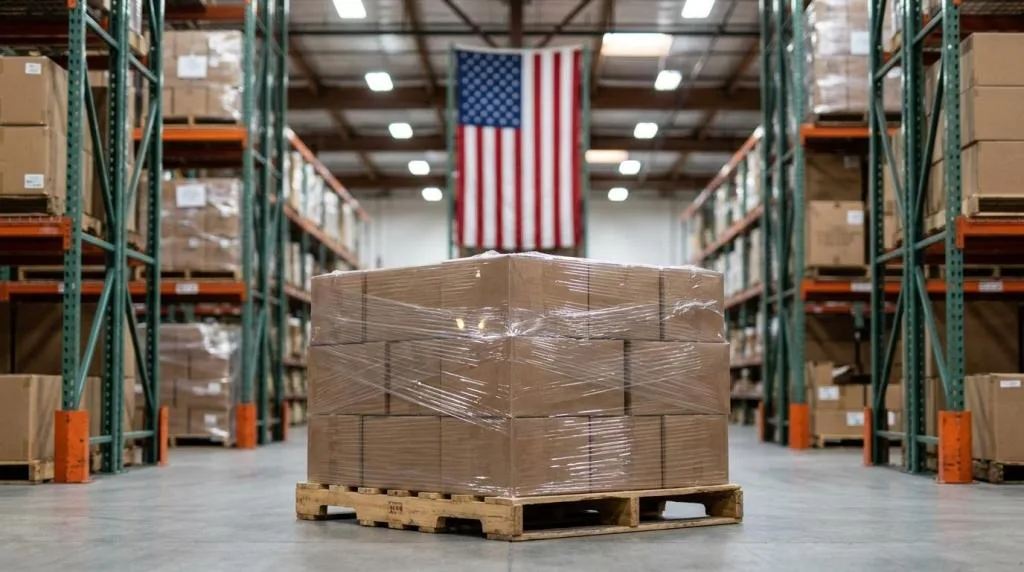
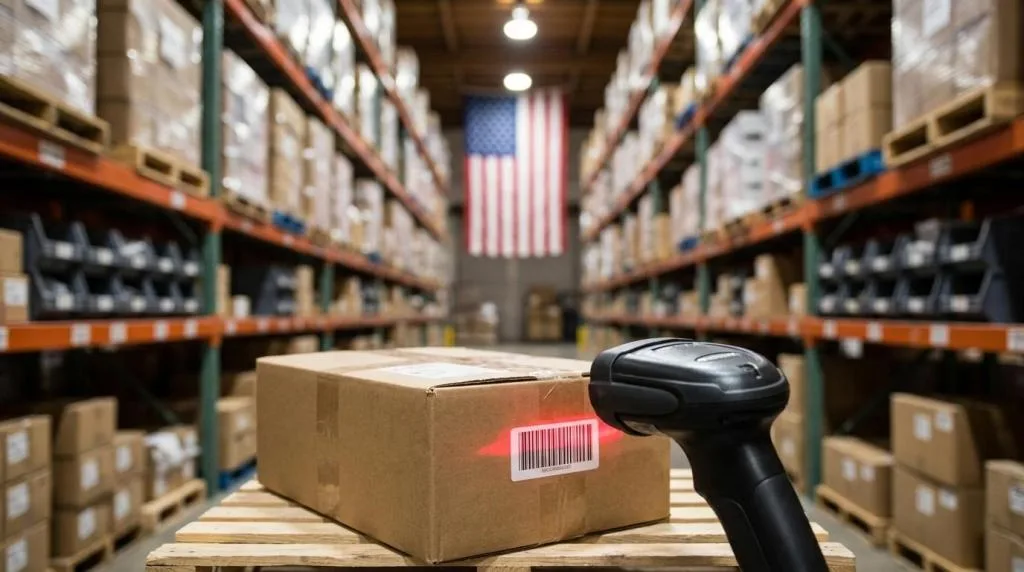
Barcode scanner lying on a cardboard box in a warehouse with tall shelves and an American flag overhead.

Top Silicon Valley Logistics Companies

Silicon Valley logistics companies matter because this region sits at the intersection of ecommerce demand, product innovation, and West Coast freight movement. For many brands, the real question is not who has the biggest warehouse, but which provider can turn inventory into fast, accurate, visible order fulfillment.

TL;DR: Summary

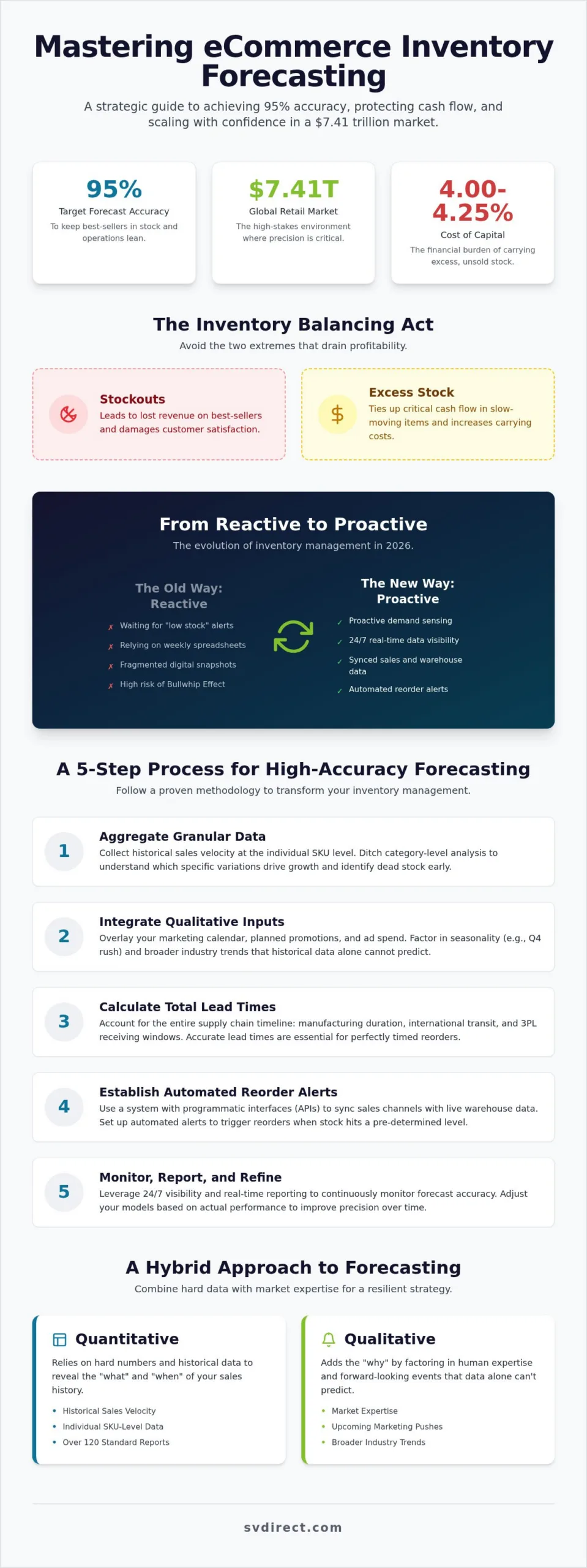
  • Silicon Valley logistics is best approached through a capable 3PL that combines warehousing, inventory control, pick and pack, integrations, and fast parcel shipping near the Bay Area.
  • Demand is strong: U.S. retail e-commerce reached $326.7 billion in Q1 2026 and represented 16.9% of total retail sales, according to the U.S. Census Bureau.
  • The region has real freight advantages: California committed nearly $5 billion in 2025 transportation funding, and the Port of Oakland handled 2,253,976 TEUs in 2025 with a balanced 50/50 import-export split.
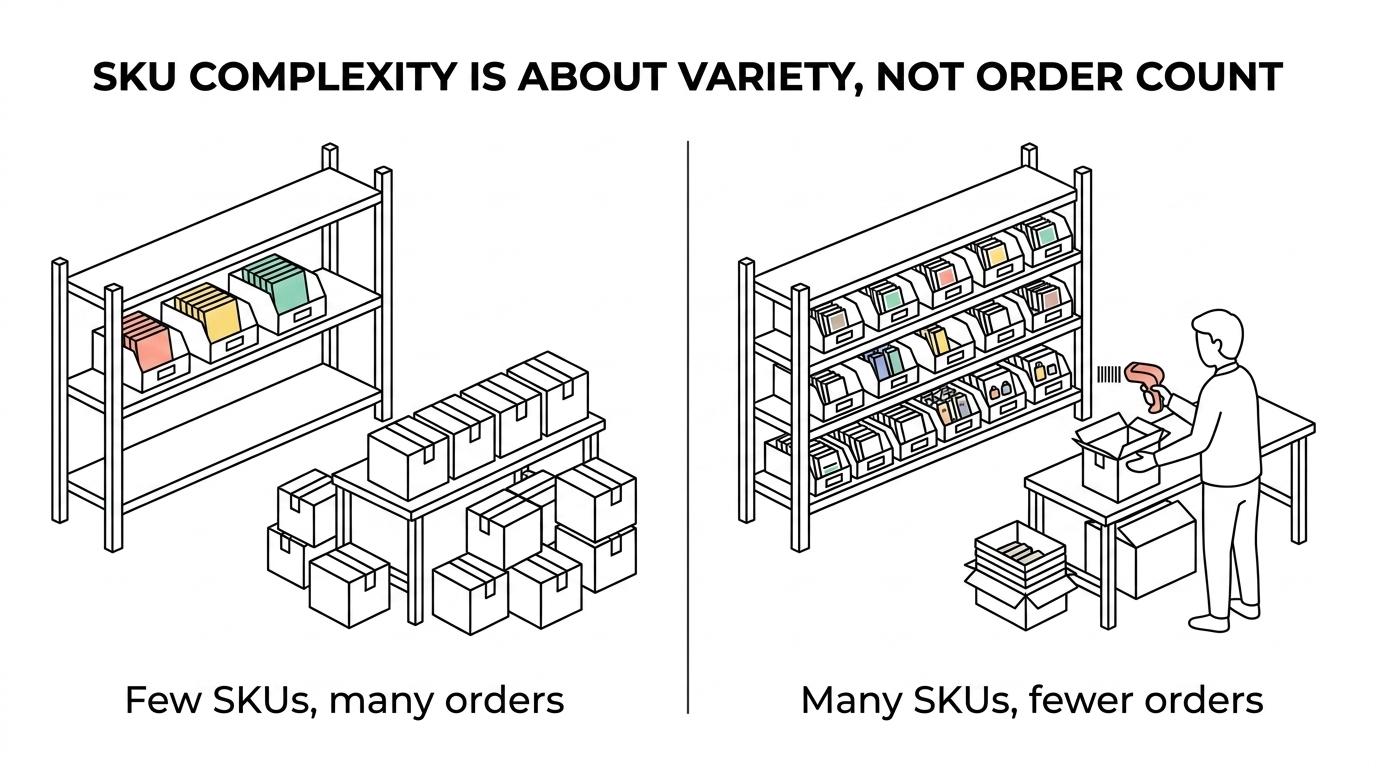
  • The right Silicon Valley logistics company should match your SKU complexity, order profile, system stack, service-level needs, and support expectations, not just offer cheap storage.
  • For many growing brands, the strongest fit is a provider with same-day shipping, flexible order minimums, integration depth, and verified accuracy controls.

That combination is why Silicon Valley logistics keeps attracting ecommerce brands, startups, and multi-channel sellers. If you are choosing among Silicon Valley logistics companies, the best option is usually the one that reduces operational friction while keeping fulfillment close to your customers, suppliers, and product teams.

What does Silicon Valley logistics actually include?

Silicon Valley logistics usually means a 3PL or fulfillment operation in places like Union City, Fremont, San Jose, or Oakland that manages inventory control, order fulfillment, pick and pack, labeling, packaging, and transportation coordination.

That scope is wider than many buyers expect. The U.S. Bureau of Labor Statistics describes warehousing and storage logistics services as including labeling, inventory control, order entry and fulfillment, packaging, pick and pack, and transportation arrangement. In practice, that means a Silicon Valley logistics company may handle inbound receiving, storage, ecommerce integrations, returns, kitting, and parcel shipment from one operating system. A common misconception is that logistics starts when a box leaves the dock. In reality, the quality of your receiving, slotting, and data sync often determines whether shipping stays accurate and on time.

“SVDirect reports over 27 years in order fulfillment, which is the kind of operating experience many brands want in a Silicon Valley logistics partner.”

Why are Silicon Valley logistics companies growing with ecommerce?

Ecommerce growth, California freight investment, and Bay Area cargo access are all pushing Silicon Valley logistics demand higher.

The biggest demand driver is simple: online retail is still expanding. The U.S. Census Bureau reported $326.7 billion in U.S. retail e-commerce sales in Q1 2026, up 9.8% from Q1 2025. Ecommerce also accounted for 16.9% of total retail sales in that quarter. When more sales happen online, brands need more storage, more pick-pack capacity, and better order routing.

The region also benefits from infrastructure. California’s 2025 transportation package included nearly $5 billion aimed at strengthening freight connectivity, including better links between marine ports, railyards, and freight corridors. Add the Port of Oakland’s 2,253,976 TEUs in 2025, and you get a credible logistics base for both domestic fulfillment and import-driven inventory flow.

What are the top Silicon Valley logistics company profiles to consider?

The best Silicon Valley logistics companies are usually those that fit your operating model, not those with the broadest marketing claim.

If you are comparing options, it helps to think in provider profiles. That keeps the search practical and helps you match business needs to fulfillment design.

  1. Silicon Valley Direct (SVDirect): A full-service 3PL in Union City with ecommerce fulfillment, warehousing, integrations, print-on-demand, literature fulfillment, and healthcare-related logistics support. It is a logical benchmark for brands that want Bay Area proximity plus nationwide and cross-border shipping reach.
  2. Port-adjacent East Bay 3PLs: Best for import-heavy brands that want inventory positioned closer to Oakland cargo flow and regional parcel networks.
  3. Startup-focused fulfillment operators: Useful when a brand needs low barriers to entry, faster onboarding, and more hands-on guidance during early growth.
  4. B2B and kitting specialists: Better suited for wholesale orders, retailer compliance, literature packs, and promotional assembly work.
  5. Regulated-product fulfillment providers: Relevant when lot control, dated inventory, or handling SOPs matter more than raw storage price.
  6. Tech-integrated multichannel warehouses: Strongest when Shopify, marketplaces, ERPs, EDI, and custom APIs all need to sync cleanly.

A pro tip here is to rank providers by workflow fit first and price second. Cheap storage does not offset failed integrations, weak receiving discipline, or poor exception handling.

How do you choose the right Silicon Valley 3PL step by step?

The right Silicon Valley 3PL is the one whose process design matches your orders, systems, and service expectations.

Start with your own operation before you compare vendors. If you do not know your SKU count, order peaks, kit rules, average units per order, return rates, and channel mix, every proposal will look better than it really is.

  1. Define your operating profile.
  2. Map system requirements, including carts, marketplaces, ERP, EDI, and API needs.
  3. Set service expectations, including same-day cutoffs, returns handling, and support response times.
  4. Review pricing structure across storage, pick fees, special projects, and carrier charges.
  5. Test the exception process for backorders, address errors, damaged units, and inventory discrepancies.

If a provider answers only the happy-path questions, keep asking. Strong logistics partners can explain what happens when inventory arrives short, when a marketplace oversells, or when an order needs to be intercepted before carrier pickup.

“SVDirect lists 80+ preconfigured integrations with custom API support, a useful benchmark when brands need Silicon Valley logistics that can connect cleanly across channels.”

How does Silicon Valley logistics compare with Southern California logistics?

Silicon Valley logistics is usually better for Bay Area proximity and tech-team access, while Southern California is often stronger for sheer freight scale.

If your leadership, product, and customer operations are in the Bay Area, keeping fulfillment nearby can shorten decision cycles and simplify warehouse visits. That matters when you are launching new SKUs, rebuilding packaging, or troubleshooting returns. SVDirect, for example, welcomes on-site visits to its Union City warehouse, which is a practical advantage for local brands that want real operational visibility.

The trade-off is density and network orientation. Southern California often makes sense when cargo enters through larger port ecosystems and then fans out inland. Silicon Valley can be the smarter choice when you want faster coordination with Bay Area teams, strong West Coast parcel reach, and easier access to East Bay freight corridors. A common misconception is that the closest port always creates the lowest landed cost. If your customers are mostly in Northern California or your team needs frequent warehouse coordination, total operating cost may favor the Bay Area.

How do Bay Area port access and Oakland TEUs shape fulfillment strategy?

Bay Area port access matters because Oakland gives Silicon Valley logistics operators direct exposure to large, stable cargo volume.

The Port of Oakland handled 2,253,976 TEUs in 2025 and reported a balanced 50/50 import-export split. That balance matters for brands that both receive goods and move products back out through broader freight networks. It also signals a working cargo ecosystem rather than a purely one-directional import lane.

For ecommerce brands, the practical effect is inventory positioning. If your goods arrive through Oakland, you can often reduce touches between drayage, storage, and order fulfillment by placing stock in the East Bay. If your products move in full containers, the port’s data is even more relevant, since full containers accounted for about 77% of total volume in 2025. One useful reminder: TEUs measure container throughput, not final parcel demand. A port with strong TEUs helps inbound logistics, but your fulfillment success still depends on warehouse process quality.

How do you onboard with a Silicon Valley logistics provider step by step?

A clean logistics onboarding starts with data, then inventory, then workflow testing.

Most fulfillment problems begin before the first customer order ships. Wrong SKU masters, unclear kit logic, and incomplete routing rules create delays that look like warehouse failures but actually start upstream.

  • Map your catalog: Define every SKU, bundle, insert, case pack, and barcode.
  • Confirm system flows: Identify where orders, inventory, tracking, and returns data originate and sync.
  • Document receiving rules: State how inbound units are counted, inspected, labeled, and quarantined if needed.
  • Test real orders: Run live scenarios for single-item, multi-line, backorder, return, and exception cases.
  • Approve launch controls: Lock cutoffs, carrier methods, packaging rules, and reporting cadence before go-live.

Brands often underestimate how important the test phase is. If an order syncs correctly but a return posts to the wrong SKU, the issue is still material. Good onboarding treats data accuracy and warehouse execution as one system, not two separate teams.

“SVDirect says half of its team has more than 10 years at the company, a strong signal for brands that want stable onboarding and consistent warehouse execution.”

What should startups ask before signing a Silicon Valley logistics contract?

Startups should ask operational questions first, because pricing alone rarely predicts fulfillment success.

Young brands often focus on storage rates and skip the harder questions about cutoffs, returns, and exceptions. That is risky. If your business is growing fast, contract details around flexibility matter just as much as base fees.

  1. What are the cutoff times for same-day shipping, and how are late orders handled?
  2. Are there minimum order requirements or volume commitments?
  3. How are returns inspected, restocked, photographed, or flagged?
  4. What reporting is available for inventory accuracy, aging stock, and order exceptions?
  5. Who owns communication when something breaks: a ticket queue, or a named account contact?

If you sell across multiple channels, also ask how inventory reservations work. A common mistake is assuming all integrations prevent oversells equally well. They do not. If your brand runs launches or uneven demand spikes, ask for the exact process used to reconcile channel inventory.

How does Silicon Valley logistics compare with in-house fulfillment?

Silicon Valley logistics through a 3PL usually improves scalability, while in-house fulfillment gives tighter day-to-day control.

In-house operations can work well when order volume is still modest, packaging is highly custom, and the founder or operations lead wants direct control over every shipment. That model starts to strain when sales spread across DTC, marketplaces, wholesale, and subscription channels at the same time. Labor scheduling gets harder. Inventory visibility degrades. Carrier choices become more expensive or inconsistent.

A 3PL shifts many fixed burdens into an operating service: warehouse space, fulfillment labor, carrier coordination, and system integration. The trade-off is that you must trust another team’s process and communicate clearly. If your order volume is unpredictable, a provider with no minimum order requirement can be especially useful. If your business depends on experimental packaging every week, in-house might still make sense for longer. The right move depends on whether your bottleneck is capacity, cost, control, or speed.

Which Silicon Valley logistics capabilities matter most for healthcare, literature, and print-on-demand fulfillment?

Specialized fulfillment needs specialized controls, especially in healthcare, literature distribution, and print-on-demand.

These categories look similar on a warehouse floor but operate differently. Healthcare-related products may require tighter lot control, dated inventory handling, traceability, and careful exception rules. Literature fulfillment needs accuracy in kitting, insert versioning, and campaign timing. Print-on-demand adds production variability, short runs, and frequent SKU changes that can break rigid warehouse processes.

This is where provider range matters. SVDirect states that it has served industries including automotive, clothing, electronics, medical supplements, health care devices, household products, literature, and office products. That kind of category spread is useful because it suggests process flexibility, not just square footage. A good misconception to avoid is assuming regulated or content-heavy fulfillment is just normal pick and pack with more labels. Usually it requires different SOPs, more QA checkpoints, and tighter reporting.

How do you scale Silicon Valley logistics without losing order accuracy?

You scale Silicon Valley logistics through process discipline, system visibility, and controlled exceptions, not by adding labor alone.

Order accuracy tends to fall when brands grow faster than their warehouse rules. New channels, more kits, launch spikes, and inconsistent receiving all create hidden error paths. The fix is operational structure: barcode-backed receiving, disciplined slotting, cycle counts, clear returns logic, and exception reporting that surfaces issues before they compound.

This is also where account structure matters. A dedicated account manager, human phone support, and a reporting portal can make scaling feel much less fragile because the brand can spot problems early and resolve them with context. If a provider claims high accuracy, ask what process creates it. Double-verification, scan checkpoints, and inventory reconciliation routines are more valuable than a broad promise. When Silicon Valley logistics works well, it gives brands the freedom to keep selling while operations stay steady underneath.

Shopify Inventory Management: The 2026 Strategic Guide to Scaling Fulfillment

Shopify Inventory Management: The 2026 Strategic Guide to Scaling Fulfillment

Your Shopify dashboard says you have 47 units in stock. Your warehouse team says you have 12. A customer just bought 30. This is the quiet crisis at the heart of scaling eCommerce, and it happens more often than most store owners want to admit. Shopify inventory management is genuinely powerful for tracking numbers, but numbers and physical reality are two very different things once your order volume starts climbing.

If you’ve wrestled with overselling during a flash sale, lost visibility into stock conditions after a busy quarter, or tangled yourself in the logistics of building promotional bundles, you already know the gap between a digital record and what’s actually sitting on a warehouse shelf. That gap is where growth stalls.

This guide is built to close it. You’ll learn exactly how to move beyond native Shopify tracking and into a professional third-party logistics setup that delivers real-time inventory accuracy, automated restock alerts, and a seamless connection between your storefront and your physical fulfillment operation. We’ll walk through the strategic steps, the integration mechanics, and the operational discipline that separates brands that scale cleanly from those that spend every peak season putting out fires.

Key Takeaways

  • Effective Shopify inventory management goes far beyond tracking numbers. It requires synchronizing digital stock records with physical warehouse reality across every sales channel, in real time.
  • Understanding the three pillars of stock (Available, Committed, and On Hand) is the foundation for eliminating overselling and making confident, data-backed fulfillment decisions at scale.
  • A professional 3PL integration connects your Shopify storefront to your warehouse through Web Services and XML data exchange, creating a seamless, automated flow of inventory information that native tools alone cannot deliver.
  • Designating your 3PL system as the single source of truth, paired with automated low-stock alerts and proactive conflict resolution, is the operational discipline that separates brands that scale cleanly from those that don’t.
  • The right fulfillment partner doesn’t just store and ship your products; they function as an extension of your team, bringing the infrastructure, reporting depth, and human oversight needed to protect your brand through every growth stage.

Understanding Shopify Inventory Management for Scaling Brands

At its core, Shopify inventory management is the digital synchronization of stock levels across every sales channel your brand operates. It’s the system that answers one deceptively simple question: how much of what do we actually have, right now, and where is it? For a single-channel store moving modest volume, native Shopify tools answer that question well enough. But the moment your brand starts scaling, that answer gets complicated fast.

Every inventory position in your operation can be understood through three distinct pillars:

  • On Hand: The total physical units present in your warehouse or storage location, regardless of their status.
  • Committed: Units already allocated to open orders that haven’t yet shipped. These are spoken for, but still physically present.
  • Available: The actionable number. On Hand minus Committed. This is the only figure your storefront should ever use to determine whether a product can be sold.

Misreading these three numbers, or conflating them, is where overselling begins. It’s also where the “Scaling Wall” appears. Native Shopify admin is designed to track inventory, not to orchestrate it across a complex fulfillment ecosystem. Once order volume climbs and your operations expand, the gap between what the dashboard shows and what’s physically on a warehouse shelf becomes a liability.

The Limitations of Native Shopify Admin

The native admin panel handles straightforward SKU tracking with reasonable accuracy, but it wasn’t built for operational complexity. Multi-component kits and promotional bundles are a persistent weak point; the system doesn’t natively decrement component-level inventory when a bundle sells, which means your component counts drift out of sync without manual correction. Returns and damaged stock require the same hands-on reconciliation, creating a continuous administrative burden that grows proportionally with your order volume.

The more insidious problem is what operators often call “ghost inventory,” a condition where your digital record shows available units that simply don’t exist on the physical shelf. This happens through receiving discrepancies, unreported damage, or fulfillment errors that never get reconciled. As a category, inventory management software exists precisely to close this gap, but native Shopify admin stops short of the real-time, warehouse-level reconciliation that growing brands require.

Why 2026 Demands Real-Time Integration

Selling across Shopify, Amazon, TikTok Shop, and B2B wholesale channels simultaneously means every single sale on any platform draws from the same physical pool of inventory. Batching inventory updates, even hourly, creates windows of exposure where overselling is essentially guaranteed during high-velocity periods. Modern customer expectations, shaped by same-day shipping norms and instant order confirmation, leave no room for that latency.

The solution isn’t a workaround. It’s a structural shift toward a programmatic interface between your Shopify storefront and your warehousing operation, one where a purpose-built system like a 3PL’s order management platform functions as the authoritative source of inventory truth. That’s the concept of a true Logistics Extension: your fulfillment partner’s system leads, and Shopify reflects it, not the other way around.

The Technology Behind Seamless Shopify-3PL Integration

Most conversations about Shopify inventory management stop at the app store. Install a connector, map your fields, hope for the best. That approach works until it doesn’t, and it tends to stop working precisely when you need it most: during a high-velocity sales period when data latency is measured in lost revenue. The more durable solution runs deeper, at the protocol level, where your storefront and your warehouse actually speak the same language.

Web Services make that conversation possible. Rather than relying on periodic file exports or fragile middleware that sits between two systems it doesn’t own, a Web Services integration creates a direct, programmatic handshake between your Shopify storefront and your fulfillment center’s order management platform. Orders flow in. Inventory updates flow back. No manual intervention. No batch windows. No silent failures that only surface when a customer emails asking where their package is.

For scaling merchants, this architecture isn’t a luxury. The inventory and financial management best practices outlined by the U.S. Small Business Administration consistently emphasize real-time data accuracy as a foundational requirement for sustainable growth, and a Web Services integration is the mechanism that delivers it at the operational level.

XML and SOAP: The Languages of Modern Logistics

XML (Extensible Markup Language) is the structural format that packages your inventory data for transit. Every SKU, quantity, order status, and receipt confirmation gets tagged, structured, and transmitted in a format that both systems can read without ambiguity. SOAP (Simple Object Access Protocol) is the secure delivery mechanism that carries those XML packages across networks with integrity intact.

Within this framework, two methods do the heaviest lifting:

  • AddOrder: Transmits new Shopify orders directly to the warehouse system in real time, triggering pick-and-pack workflows without human handoff.
  • GetOrderInfo: Pulls current order status, tracking data, and inventory positions back to Shopify on demand, keeping your storefront synchronized with physical reality.

WSDL (Web Service Description Language) completes the picture by providing a machine-readable map of the entire integration. Developers don’t need to reverse-engineer how the two systems communicate; the WSDL file documents every available method, parameter, and data type. That means faster onboarding, cleaner implementations, and fewer custom coding requirements every time something changes on either end.

Proprietary Systems vs. Generic Middleware

There’s a meaningful difference between a warehouse that built its own order management platform and one that licensed a generic connector app. A warehouse-owned system is designed around the physical operation it serves. The logic that governs inventory updates, receipt processing, and backorder management reflects actual warehouse workflows, not a generalized template built to serve dozens of industries simultaneously.

SVD’s Remote Control order management platform is a direct expression of that philosophy. With access to more than 120 standard reports, merchants get a 24/7 window into their fulfillment operation: real-time inventory receipts, backorder visibility, shipment confirmations, and exception flags, all consolidated in a single dashboard. That’s not a feature list. It’s the operational transparency that transforms a fulfillment center from a black box into a genuine extension of your team.

If you’re evaluating whether your current setup can support your next growth stage, connecting with a fulfillment specialist is a practical first step toward understanding what a purpose-built integration could look like for your specific SKU mix and order volume.

Native Shopify Tools vs. Professional 3PL Inventory Systems

Shopify’s built-in inventory tools are genuinely useful. ABC analysis helps you rank your SKUs by sales velocity. Low stock alerts fire when a threshold is crossed. Shopify Flow can trigger automated actions based on inventory events. For a lean operation with a simple product catalog, that’s a reasonable toolkit. But it’s a digital toolkit solving a physical problem, and that distinction matters more than most store owners realize until something breaks.

The gap shows up in three specific places: serial number tracking, bundle management, and quality control. Native Shopify inventory management doesn’t support serial-level traceability. If you’re selling electronics, medical devices, or any regulated product category where individual unit accountability matters, the admin panel can tell you how many units you have. It cannot tell you which specific units they are, where they’ve been, or whether a returned item matches the one originally shipped. A professional 3PL system tracks at the serial number level, creating an auditable chain of custody that Shopify Flow simply wasn’t designed to produce.

Low stock alerts are another area where the comparison turns stark. An alert is reactive. It tells you a problem exists after the inventory position has already deteriorated. Proactive conflict resolution, the methodology a purpose-built fulfillment system applies, identifies discrepancies between expected and physical stock before they cascade into customer-facing errors. That’s not a semantic difference. It’s the operational discipline that prevents a flash sale from becoming a fulfillment crisis.

Kitting, Assembly, and On-Demand Customization

Digital bundles in Shopify are a product configuration. Physical kitting is a warehouse operation. The distinction is significant. When a customer buys a promotional bundle, someone has to pull individual components, assemble them according to a specification, apply the right packaging, and insert the right collateral. None of that happens inside a dashboard. Kitting and assembly services handle this at scale, with component-level inventory decrements that keep your stock positions accurate across every SKU involved in the build.

Personalization adds another layer of complexity that native tools don’t touch. SVD’s print-on-demand capability, powered by HP Indigo digital printing technology, allows variable data to be applied at the order level. That means personalized inserts, customized packaging, and campaign-specific collateral can be produced and inserted during the kitting process itself, without a separate print run or a manual handoff between teams. Liquid ink digital printing at this level delivers the kind of per-order customization that turns a standard shipment into a branded experience.

Inventory Accuracy: Digital Logic vs. Physical Audits

Shopify adjusts inventory records when events are logged. A 3PL audits inventory by physically counting what’s on the shelf. Both matter. Only one catches the errors the other misses.

The “Quiet Facility” methodology is the operational philosophy behind physical accuracy. An organized warehouse, where every SKU has a designated location, every receiving process follows a consistent protocol, and every team member understands the system, generates fewer errors by design. Noise in a fulfillment operation isn’t just auditory. It’s the cumulative result of misplaced stock, inconsistent receiving practices, and ad hoc problem-solving. A quiet, structured facility eliminates the conditions that produce ghost inventory before reconciliation is ever needed.

This discipline extends to high-touch fulfillment scenarios like lead inquiry fulfillment, where marketing campaigns drive inbound requests for physical materials. Each response package requires accurate inventory of the collateral itself, precise assembly, and timely dispatch. That’s a workflow that demands systematic inventory controls, not a digital adjustment field. The human element of Shopify inventory management, the trained team member who catches the discrepancy before it ships, is the part that no automation layer has successfully replaced.

Shopify Inventory Management: The 2026 Strategic Guide to Scaling Fulfillment

Best Practices for Optimizing Your Shopify Stock in 2026

Knowing the right tools is only half the equation. How you operate them determines whether your inventory stays clean or quietly drifts into the kind of discrepancies that erode customer trust and compress margins. The brands that scale without constant firefighting share a common discipline: they’ve established deliberate operational practices around their data, not just the technology that generates it.

The most foundational of those practices is designating a single source of truth. When Shopify and your 3PL system each claim authority over stock counts, conflicts are inevitable. The resolution is clear: your fulfillment partner’s system holds master record status, and Shopify reflects it. Every inventory update, every receipt confirmation, every return reintegration flows from the warehouse outward to the storefront, never the reverse. That directional discipline is what keeps your available stock figures trustworthy at any order velocity.

Automated low-stock notifications are the operational complement to that foundation. An alert that fires when a SKU crosses a defined threshold gives your procurement team a window to act before the storefront is affected. The key distinction is configuring those thresholds intelligently, not as static numbers but as dynamic values tied to actual sales velocity. A SKU moving 50 units a week needs a meaningfully different reorder trigger than one moving five. SVD’s fulfillment services provide the real-time velocity data that makes that kind of dynamic threshold calibration possible, turning a reactive alert system into a genuinely proactive one.

Variable data and personalization add another layer of operational value that most brands leave untapped. When your kitting and fulfillment workflow supports per-order customization, promotional inserts, personalized packaging, and campaign-specific collateral become inventory assets in their own right. Managing those components with the same rigor applied to sellable product prevents the quiet waste that accumulates when marketing materials are over-ordered and never reconciled.

Streamlining the Reorder Process

Effective reordering isn’t just about speed; it’s about timing. Lead time analysis belongs inside your procurement model, not as an afterthought. When you know that a supplier requires 14 days and your current velocity will exhaust stock in 18, the reorder window is narrow but manageable. Compress that margin further and you’re back to emergency orders and expedited freight costs. Automated email alerts, triggered by your 3PL’s live inventory positions, give your team the lead time they need to act deliberately rather than reactively. That’s the difference between a procurement strategy and a procurement scramble.

Managing Returns and Product Obsolescence

Returns are a data source, not just a logistics problem. A structured returns management workflow that quickly grades, reintegrates, or quarantines stock keeps your available counts accurate and your warehouse storage efficient. FIFO (First In, First Out) logic prevents older stock from aging out behind newer receipts, which matters especially for products with shelf-life considerations or seasonal relevance. For brands distributing internationally, analyzing global shipping services through the lens of inventory positioning, not just shipping cost, can reveal opportunities to pre-position stock closer to demand clusters and reduce the exposure that slow-moving international inventory creates. Stale inventory audited through your shipping activity reports tells you exactly where that rationalization needs to happen first.

Effective Shopify inventory management at scale isn’t a dashboard setting. It’s a set of operational habits, reinforced by the right system architecture and the right fulfillment partner, applied consistently enough that accuracy becomes the default rather than the exception.

Elevating Your Brand with Silicon Valley Direct’s Integrated Solutions

Most fulfillment partners store your products and ship your orders. Silicon Valley Direct does something more deliberate: it thinks outside the box on your behalf. That phrase isn’t marketing language at SVD; it’s an operational philosophy that shapes how the team approaches every client relationship, from the initial integration design through the daily execution of complex, non-standard fulfillment projects that generic 3PLs simply decline to handle.

SVD’s partnership approach is anchored by Nine Promises that define what clients can expect: accuracy, responsiveness, transparency, flexibility, and a genuine commitment to functioning as an extension of your marketing and sales departments, not a separate vendor operating at arm’s length. When your storefront runs a campaign, your fulfillment operation should already know about it. When a SKU is trending, your warehouse team should be positioned to respond. That level of alignment is what separates a logistics partner from a logistics provider.

Geography matters here too. Operating out of Silicon Valley isn’t incidental. It places SVD inside the same innovation ecosystem that shapes how technology companies think about systems, data, and automation. That proximity to technological culture informs the proprietary Remote Control platform, the Web Services integration architecture, and the continuous refinement of processes that keep SVD’s capabilities ahead of where most fulfillment operations are comfortable operating.

Proactive Conflict Resolution and Quality Control

The difference between a reactive fulfillment partner and a proactive one shows up most clearly when something goes wrong. SVD’s methodology is built around catching discrepancies before they reach the customer, not after. Every order moves through a QC-Check process that verifies accuracy at the unit level: right product, right quantity, right packaging, right collateral. That physical verification layer is the part of Shopify inventory management that no software setting can replicate.

The “make-it-right” attitude that runs through SVD’s team culture means problems get surfaced and resolved internally rather than escalated to the client as emergencies. Combined with 24/7 access to real-time inventory data through the Remote Control platform, merchants have total transparency into their fulfillment operation at any hour. You don’t need to wait for a morning report to know your current stock positions. The data is always there, current and auditable, because the warehouse team that generated it takes that accountability seriously.

Long-tenured staff is part of what makes that consistency possible. Institutional knowledge, the kind that comes from years of handling the same product categories, the same seasonal surges, the same edge-case scenarios, doesn’t live in a training manual. It lives in the people who’ve solved those problems before.

Scalability Without the Hectic Atmosphere

High-volume deadlines don’t require a chaotic facility. They require an organized one. SVD’s quiet, structured warehouse environment is a deliberate operational choice, not a coincidence. When every SKU has a designated location, every receiving protocol is consistent, and every team member understands the system, throughput increases without accuracy suffering. That’s the environment that handles a flash sale surge without the fulfillment errors that typically follow one.

Flexibility is built into the same structure. Complex kitting builds, variable data printing, personalized campaign inserts, lead inquiry fulfillment: these aren’t exceptions that require special handling. They’re part of the standard capability set that SVD brings to non-cookie-cutter projects. Brands with sophisticated promotional strategies, product customization requirements, or multi-component assembly needs will find the infrastructure already in place, supported by a team that’s handled comparable complexity before.

For brands ready to move beyond patchwork Shopify inventory management and into a fulfillment setup built for sustained growth, the next step is straightforward. Partner with Silicon Valley Direct for Shopify fulfillment and discover what it looks like when your warehouse operates as a genuine extension of your team.

Turn Inventory Accuracy Into Your Competitive Advantage

Scaling a Shopify store without the right fulfillment infrastructure underneath it is a compounding risk, not just an operational inconvenience. The gap between what your dashboard shows and what’s physically on a shelf gets wider with every new channel, every new SKU, and every peak season you push through.

Effective Shopify inventory management comes down to three things: a single authoritative source of truth, a technical integration that eliminates data latency, and a fulfillment partner with the physical discipline to keep counts accurate when order velocity climbs. SVD’s proprietary Remote Control system delivers 120+ real-time reports, HP Indigo 5500 digital printing supports on-demand kitting customization, and a proactive methodology built since 1999 means discrepancies get caught before they reach your customers.

Your warehouse should work as hard as your storefront. When it does, growth stops being stressful and starts being straightforward.

Frequently Asked Questions About Shopify Inventory Management

How does Shopify inventory sync with a 3PL warehouse?

Shopify syncs with a 3PL warehouse through a Web Services integration that creates a direct, programmatic connection between your storefront and the warehouse’s order management system. When a customer places an order, it transmits to the warehouse automatically. The warehouse system then pushes inventory updates, shipment confirmations, and tracking data back to Shopify in real time, eliminating the batch-update windows where overselling typically occurs.

The quality of that sync depends entirely on the 3PL’s system architecture. A warehouse running a proprietary platform, like SVD’s Remote Control system, delivers tighter, more reliable data exchange than a generic middleware connector because the logic governing inventory updates is built around actual warehouse workflows rather than a generalized template.

Can I track serial numbers for my Shopify products through a 3PL?

Yes, but not through Shopify’s native admin, which tracks quantities rather than individual unit identities. Serial-level traceability requires your 3PL’s warehouse management system to capture and record unique identifiers at the point of receiving, picking, and shipping. This creates an auditable chain of custody for each specific unit, which matters considerably for electronics, regulated products, or any category where a return needs to be matched against the original shipment.

If serial number tracking is a requirement for your product category, confirm that your 3PL’s system supports it before integration. It’s a warehouse-level capability, not a Shopify setting, and not every fulfillment operation has it built into standard process.

What is the difference between “On Hand” and “Available” inventory in Shopify?

“On Hand” is the total physical unit count present at your warehouse location, regardless of order status. “Available” is the actionable figure: On Hand minus Committed units already allocated to open orders. Your storefront should only ever sell against the Available number, not On Hand, because Committed units are physically present but already spoken for.

Conflating these two figures is one of the most common causes of overselling in Shopify inventory management. A dashboard showing 80 units On Hand with 65 Committed means you have 15 units actually available to sell, not 80. Getting that distinction right, and keeping it current in real time, is foundational to accurate stock control at any order volume.

How do I manage kitting and bundles in Shopify inventory?

Shopify treats bundles as product configurations, but the physical assembly and component-level inventory decrements happen at the warehouse. When a bundle sells, each component SKU needs to be pulled, assembled, and decremented individually. Native Shopify admin doesn’t handle that automatically, which means component counts drift without a warehouse system managing the build logic.

A 3PL with dedicated kitting and assembly capabilities handles this operationally: pulling components per a defined specification, assembling to a quality standard, and recording accurate decrements across every SKU involved in the build. That physical execution is what keeps your inventory positions trustworthy across both bundled and individual product listings simultaneously.

Is it possible to integrate custom digital printing with my Shopify orders?

Yes. When your 3PL supports on-demand digital printing as part of the kitting workflow, variable data can be applied at the individual order level during fulfillment. That means personalized inserts, campaign-specific collateral, and customized packaging can be produced and inserted into the shipment without a separate print run or manual handoff between teams.

SVD’s print-on-demand capability, powered by HP Indigo digital printing technology, integrates directly into the kitting process. Each order triggers the appropriate print output, which gets assembled into the package before it ships. For brands running personalized campaigns or loyalty programs, this turns a standard fulfillment step into a branded customer experience without adding operational complexity on your end.

What reports are most important for Shopify inventory management?

The reports that matter most are real-time inventory position by SKU, inbound receipt confirmations, backorder visibility, and shipment confirmations with tracking data. Together, these four give you a complete picture of where stock is, what’s committed, what’s arriving, and what’s already left the building. Sales velocity reporting by SKU is equally important for calibrating reorder thresholds intelligently rather than setting static trigger points.

SVD’s Remote Control platform provides access to more than 120 standard reports covering these categories and more, available around the clock. That reporting depth is what transforms a fulfillment center from a black box into a transparent operational asset, giving your procurement and marketing teams the data they need to make confident decisions without waiting on a morning summary. Just as eCommerce stores benefit from this level of detail, vehicle retailers often utilize automotive inventory intelligence reports to manage their stock with the same degree of precision.

How does a 3PL handle Shopify returns and restocking?

A structured 3PL returns workflow receives the item, grades its condition, and routes it accordingly: back to available inventory if it’s resalable, to a quarantine area if it’s damaged, or to disposal if it meets that threshold. That grading step is what keeps your available stock count accurate. A return that gets physically received but not properly processed creates phantom inventory, units that appear available but aren’t in sellable condition.

Timely reintegration matters as much as accuracy. Stock that sits in a returns queue for days before being processed represents both a reporting gap and a lost selling opportunity. The right 3PL treats returns processing as a first-class workflow, not an afterthought, applying the same systematic discipline to inbound returns as to outbound shipments.

What technical protocols are used to connect Shopify to a fulfillment system?

The standard protocols are XML for data structuring and SOAP for secure transmission. XML packages each data element, SKU, quantity, order ID, status, into a tagged format both systems can read without ambiguity. SOAP carries those packages across networks with integrity intact. WSDL files document the full integration map, so developers understand every available method and parameter without reverse-engineering the connection.

Within that framework, two methods do the core work: AddOrder transmits new Shopify orders to the warehouse in real time, and GetOrderInfo pulls current inventory positions and shipment status back to Shopify on demand. This architecture is what makes a professional Shopify inventory management integration meaningfully different from a connector app that relies on periodic syncs and fragile middleware.

inventory control

Inventory Control Tips for Ecommerce Warehouses

Inventory control tends to stay invisible until it fails. Then it shows up everywhere at once: oversold items, delayed shipments, back-orders, rising support volume, and customers who lose trust faster than most brands expect.

For ecommerce warehouses, strong inventory control is not just a warehouse issue. It affects customer experience, cash flow, planning, and margin. When stock records match physical reality, teams can promise with confidence. When records drift, every sales channel and every fulfillment workflow becomes less reliable.

The most dependable approach is simple in principle, even if it takes discipline in practice: pair real-time inventory visibility with regular cycle counts, clear reorder-point rules, and warehouse processes designed to prevent avoidable errors.

Why inventory control matters in ecommerce warehouses

Inventory control sits at the center of ecommerce fulfillment because every order depends on record accuracy. If the system says 24 units are available and the shelf holds 17, the damage spreads quickly. Sales can continue past true availability, replenishment gets delayed, and customer service ends up managing a problem that started on the warehouse floor.

There is also a financial side that often gets missed. Too much inventory ties up cash and storage space. Too little inventory leaves revenue on the table and pushes shoppers toward other options. The goal is not simply “more stock” or “less stock.” The goal is the right stock, in the right location, with data that reflects reality.

Academic and official sources have made this point for years. Inventory record inaccuracies create real costs through stockouts, excess inventory, and wasted labor. In an ecommerce setting, those costs can rise fast because order volume, channel synchronization, and customer expectations all move in real time.

Real-time inventory visibility improves inventory control

Real-time visibility gives warehouse and operations teams a live view of what is available, allocated, received, and shipped. That sounds basic, but it changes decision-making at every level. Teams can respond to spikes sooner, spot abnormal stock movement faster, and prevent orders from being accepted against inventory that no longer exists.

For brands selling across multiple channels, this matters even more. Inventory control breaks down when each platform operates from stale or partial data. A central system that syncs orders and stock levels across channels reduces the risk of overselling and gives everyone the same picture of availability.

A modern fulfillment setup should make real-time inventory tracking visible not only inside the warehouse management system but also through reporting that operations teams can actually use. A portal with 24/7 access to inventory levels, order status, shipping data, and custom reports can turn raw data into practical control.

That visibility is most useful when teams can quickly answer questions like these:

  • What is physically on hand
  • What is committed to open orders
  • What has arrived but not been put away
  • What is aging in storage
  • Which SKUs are close to reorder levels

Without that level of clarity, even good warehouse teams spend too much time reacting.

Cycle counting keeps inventory accuracy from drifting

Annual physical counts still have value, but they are not enough for fast-moving ecommerce operations. Leading organizations use cycle counting because it checks smaller parts of inventory on a routine basis instead of waiting for a full warehouse count once a year.

Official inventory guidance describes cycle counting as verifying products in specific locations, comparing the physical count to the system, and reconciling any differences. That makes it one of the most practical tools for protecting inventory accuracy over time. It is not a dramatic fix. It is a steady control habit.

Cycle counting also helps teams find patterns, not just one-off mistakes. If a certain SKU is regularly short, the issue may be tied to receiving errors, pick-path confusion, packaging misuse, or returns not being processed correctly. When those patterns become visible, inventory control moves from correction to prevention.

A smart cycle count program usually includes a few rules:

  • Count by velocity: Fast-moving SKUs should be checked more often than slow movers.
  • Count by risk: Bundles, similar-looking products, and high-value items deserve tighter control.
  • Count by location: Problem bins and high-traffic zones need more frequent review.
  • Count by root cause: Every variance should lead to a reason code and a process check.

Some warehouses assign dedicated cycle counters. Others build counts into daily workflows. Either model can work if accountability is clear and reconciliations happen quickly.

Reorder points turn inventory control into a planning system

Inventory control is not only about fixing errors after they happen. It is also about deciding when to buy, receive, or replenish before service levels slip. That is where reorder points come in.

A reorder point is the inventory level that triggers replenishment action. Used well, it helps avoid stock outages and back-orders. Used poorly, it creates a false sense of safety because the number may no longer match actual demand, lead times, or seasonality.

For ecommerce brands, reorder points should reflect more than average daily sales. They should also consider supplier lead time, sales volatility, promotion schedules, and channel mix. A product with stable weekly demand can be managed one way. A product tied to a launch, influencer mention, or holiday campaign needs more protection.

Here is a practical way to think about it:

Inventory factor What to review Why it matters
Daily demand Average units sold per day Sets the baseline reorder rhythm
Lead time Days between purchase and receipt Longer lead times raise stock risk
Safety stock Buffer units for uncertainty Protects against spikes and delays
Channel exposure Number of places the SKU is sold More channels can increase oversell risk
Seasonality Planned peaks and slow periods Prevents stale reorder rules
Returns pattern Return rate and restock speed Affects net available inventory

Reorder points should be reviewed on a schedule, not left untouched for months. A once-correct threshold can become misleading after a new sales channel, packaging change, supplier shift, or product launch.

Warehouse process design reduces inventory errors

Inventory control gets stronger when the warehouse layout and workflows make mistakes less likely. Good software matters, but software cannot fully protect against a poor receiving process or confusing bin structure.

Receiving is a common failure point. If inbound products are not checked, labeled, and put away correctly, every downstream record becomes suspect. The same is true for picking and packing. Similar SKUs stored too close together can create repeat mis-picks, especially during peak volume.

This is why barcode scanning, standardized locations, and verification steps remain so effective. They reduce dependence on memory and speed up problem detection. In operations where orders are double verified before shipping, error prevention becomes part of the process rather than an after-the-fact audit.

When teams review warehouse process design, these areas usually produce the biggest gains:

  • Receiving discipline: Match inbound shipments to purchase records before putaway.
  • Location logic: Keep similar items clearly separated and consistently labeled.
  • Pick-path control: Reduce backtracking and manual workarounds.
  • Verification checks: Confirm item, quantity, and order before shipment.
  • Returns handling: Restock saleable goods quickly and isolate damaged items.

A small adjustment in process often has a larger impact than a major system change. Clean location logic alone can lower mis-picks, speed counts, and make replenishment easier to manage.

Multi-channel inventory control needs one source of truth

As brands grow, inventory control gets harder because the number of selling points grows faster than the warehouse team. A brand may be selling on its website, marketplaces, wholesale portals, and social channels at the same time. If each channel sees inventory differently, record accuracy starts to crack.

The answer is not more spreadsheets. It is one source of truth for inventory, with integrations that keep orders and stock synchronized across platforms. When a fulfillment operation can merge multiple sales channels into one warehouse view, inventory control becomes easier to manage and easier to trust.

This is one reason many growing brands look for a 3PL that offers strong system integrations, custom API support, and reporting that reflects real warehouse activity. Real-time orders and inventory data give operators a better shot at preventing oversells, late replenishment decisions, and manual reconciliation work.

Inventory control metrics worth reviewing every week

Teams often track inventory, but not in a way that drives action. A weekly review cadence works well because it catches drift before it turns into service failures.

The most useful metrics are the ones that point to a specific response:

  • Inventory accuracy percentage
  • Cycle count variance rate
  • Stockout frequency by SKU
  • Back-order volume
  • Days of supply for key products
  • Return-to-stock turnaround time

When these metrics are reviewed alongside operational notes, patterns start to stand out. A rising variance rate may point to receiving issues. Frequent stockouts on a small group of SKUs may show that reorder points need adjustment. Slow return processing may be hiding usable inventory from the system.

One number rarely tells the full story. Inventory control improves when teams look at metrics as connected signals rather than isolated reports.

What to expect from a 3PL inventory control partner

For many ecommerce brands, inventory control reaches a point where internal tools and ad hoc warehouse processes stop being enough. That is often when a 3PL relationship becomes less about outsourcing labor and more about gaining structure, visibility, and repeatability.

A strong fulfillment partner should offer real-time inventory tracking, dependable integrations, disciplined receiving and verification workflows, and reporting that helps teams act quickly. Access matters too. A 24/7 portal, clear communication, and a dedicated account contact can make inventory issues easier to solve before they affect customers.

For brands that need tighter operational control, it helps to ask direct questions about how inventory is managed day to day:

  • System visibility: Can inventory levels, orders, and shipment data be viewed at any time?
  • Accuracy controls: Are orders verified before shipping, and how are variances handled?
  • Cycle count process: How often are counts performed, and how are discrepancies reconciled?
  • Reorder support: What reporting is available for low-stock and replenishment planning?
  • Integration strength: Can multiple sales channels feed a single inventory view?

The right warehouse partner should make inventory feel more stable, more measurable, and easier to act on. That stability gives ecommerce brands room to grow without losing control of the details that customers notice first.

Direct Mail for eCommerce: The 2026 Strategic Guide to Physical Growth

Direct Mail for eCommerce: The 2026 Strategic Guide to Physical Growth

While digital channels grow increasingly saturated, direct mail for ecommerce is delivering a staggering 290% average return on investment in 2026. You’ve likely noticed that reaching customers through their screens has become more expensive and less effective than ever. Between skyrocketing acquisition costs and email open rates that struggle to hit 2%, it’s clear that the digital-only playbook is hitting a wall. It’s exhausting to manage a brand when your message is constantly drowned out by digital noise.

This guide reveals how to bypass that fatigue and drive measurable ROI by pairing high-end digital printing with automated 3PL fulfillment. We’ll show you how to leverage liquid ink precision and Variable Data Printing to deliver a premium brand experience directly to your customer’s hands. You’ll learn how a sophisticated, tech-driven approach to physical mail can integrate with your existing stack to boost Lifetime Value and provide the reliable, offline growth channel your business needs. We’re here to help you scale with precision and personal commitment.

Key Takeaways

  • Learn why physical mailboxes are becoming the most effective channel to bypass digital noise and capture customer attention in 2026.
  • Discover how to use Variable Data Printing (VDP) to create hyper-personalized direct mail for ecommerce that mirrors the precision of your digital marketing.
  • Identify high-impact strategies for abandoned cart recovery and VIP loyalty programs that drive measurable increases in lifetime customer value.
  • Understand the operational advantages of integrating your storefront with a combined 3PL and digital printing partner to ensure seamless, error-free fulfillment.
  • Gain insights into how high-resolution liquid ink technology and a “Quiet Facility” methodology elevate your brand presentation in the customer’s home.

Why Direct Mail is Reclaiming eCommerce ROI in 2026

Modern direct mail marketing for ecommerce isn’t about mass “spray and pray” tactics. It’s the strategic use of physical mailers triggered by digital customer data. Instead of guessing who might want your product, you’re sending a high-quality piece to someone who just abandoned a cart or reached a loyalty milestone. It’s precise, personal, and tangible. In an era where digital ads are often dismissed as fleeting interruptions, a physical mailer represents a deliberate investment in the customer relationship.

Digital fatigue is a significant hurdle for brands in 2026. While consumers are bombarded by hundreds of emails and digital ads every day, the physical mailbox remains a relatively quiet space. Most people handle their mail daily, giving your brand a dedicated moment of attention that a “scroll-by” ad simply can’t replicate. This tactile advantage gives your message a much longer lifespan. A postcard can sit on a kitchen counter for days, serving as a constant visual reminder of your brand, whereas a digital ad disappears the moment the user clicks away.

Privacy regulations have also shifted the landscape. With iOS restrictions and the ongoing depreciation of traditional cookie tracking, digital attribution is harder than ever. Direct mail for ecommerce thrives in this privacy-first environment. It relies on your own first-party data, reaching customers directly at their verified residence without needing to bypass complex browser blockers. It’s a stable, reliable channel that doesn’t fluctuate with every algorithm update.

Breaking Through the 2026 Digital Noise

Research indicates that up to 90% of direct mail pieces are opened and handled, compared to promotional email open rates that often struggle to reach 2%. Holding a physical card creates a “sensory branding” effect that builds deeper trust than a digital pixel. Programmatic Direct Mail acts as the essential bridge here, allowing your digital triggers to automatically initiate high-resolution physical delivery. It combines the automated speed of digital marketing with the undeniable weight and presence of paper.

Measurable Impact on Customer Lifetime Value (LTV)

Direct mail is a powerhouse for retention. The average response rate for physical mail ranges from 4.1% to 4.9%, which significantly outperforms the 1.7% average for email. By adding a physical touchpoint to your journey, you proactively reduce churn and keep your brand top-of-mind. With a documented 290% average ROI in the ecommerce sector, it’s a reliable channel for long-term growth. You can explore more about these high-ROI strategies on our blog. Physical touchpoints prove that your brand is an established, professional entity committed to quality.

The Science of Personalization: Variable Data Printing (VDP)

Variable Data Digital Printing (VDP) is the technical engine behind high-performance direct mail for ecommerce. It transforms a standard postcard into a unique marketing asset tailored to the individual. Unlike traditional “static” mail where every recipient receives the same generic creative, VDP allows you to change specific elements on every single sheet during the printing process. This isn’t just about changing a name; it’s about altering the entire visual and messaging strategy based on your customer’s behavior. A recent study on direct mail campaigns highlights that integrating these physical touchpoints with digital data is exactly why the medium has seen such a powerful resurgence. By using your CRM data, you can create a 1:1 connection that digital ads often fail to achieve.

We utilize the HP Indigo 5500 Digital Press, which uses real liquid ink rather than standard digital toner. This is a critical distinction for brand integrity. Toner often sits on top of the paper and can crack or look artificial. Liquid ink penetrates the fibers, providing offset-quality detail with a 230 line screen resolution. This ensures your brand colors are consistent and your product photography looks as vibrant on the page as it does on a high-resolution screen. High-resolution printing protects premium brand perception by ensuring every detail is sharp and professional. When your mailer feels like a high-end publication rather than a piece of junk mail, the customer’s trust in your brand increases instantly.

Personalization Beyond the First Name

VDP allows for sophisticated logic that mirrors your digital retargeting. If a customer recently bought a coffee machine, their mailer can feature images of premium beans rather than a generic kitchenware photo. You can also embed unique QR codes for every recipient. This enables 1:1 tracking, allowing you to see exactly which customer converted from which mailer. Because modern digital presses don’t require expensive plates or films, this level of customization is now just as affordable as static printing for growing brands. Personalized direct mail for ecommerce can increase response rates by up to 135% compared to static mailers.

Liquid Ink vs. Digital Toner: Why Quality Matters

Liquid ink technology is superior for high-speed fulfillment environments. It dries instantly, which is vital when moving pieces directly from the press to our kitting and assembly stations. This eliminates the risk of smudging or scuffing during the mailing process. The result is a sharper, more vibrant image that stands out in a crowded mailbox. If you’re ready to see how precision printing can elevate your strategy, you can request a free quote to discuss your specific project needs.

High-Impact Strategies for eCommerce Mail Campaigns

Executing successful direct mail for ecommerce requires moving beyond simple mass mailings and into high-intent, data-driven strategies. When a shopper ignores three consecutive email reminders about an abandoned cart, they aren’t necessarily disinterested; they’re likely just digitally fatigued. A physical postcard sent 48 hours after a cart is left behind provides a tactile interruption that demands attention. This approach captures the customer during their daily routine, offering a tangible bridge back to your digital storefront that pixels simply can’t match.

Retaining your most valuable customers is equally critical. VIP and loyalty programs benefit immensely from physical touchpoints. Sending a high-resolution, personalized “thank you” note or a curated welcome kit to top-tier buyers reinforces their status and deepens their connection to your brand. These pieces shouldn’t feel like advertisements. Instead, they should feel like premium brand extensions. This is where sophisticated kitting and assembly play a vital role, ensuring that every element of the package is presented with the precision your brand deserves.

Win-back campaigns also see higher success rates when they move offline. Reactivating a lapsed buyer who hasn’t purchased in six months is often more cost-effective than acquiring a new one. A high-impact physical offer, such as a “we miss you” card with a unique QR code, provides a clear path back to your store. It shows a level of personal commitment that automated email sequences lack, making the recipient feel valued rather than just another entry in a database.

Tactical Triggers for Automated Direct Mail

Automation allows these physical touchpoints to fire exactly when they’re most effective. Timing a post-purchase follow-up to arrive just as a customer is likely to need a refill or a complementary product creates a seamless lifecycle. Leveraging personal data for birthday or anniversary celebrations adds a human element to your tech stack. For broader seasonal promotions, Every Door Direct Mail (EDDM) provides a reliable way to amplify major sales events like Black Friday by reaching entire neighborhoods with high-quality creative.

The Power of Catalog Order Fulfillment

Many DTC brands are rediscovering the “mini-catalog” or “cardalog” as a powerful storytelling tool. These curated pieces allow you to showcase a specific collection with the high-fidelity detail that only liquid ink can provide. Managing these bulk mailings requires a partner who understands the intersection of 3PL logistics and precision printing. To explore how these services integrate into a broader strategy, read our guide on Direct Mail Marketing Services: The Strategic Guide to Physical Engagement in 2026. By combining these physical assets with your digital data, you create a cohesive, multi-channel experience that drives long-term growth.

Direct Mail for eCommerce: The 2026 Strategic Guide to Physical Growth

Bridging the Gap: Integrating Your Store with Physical Fulfillment

Successful direct mail for ecommerce relies on a seamless transition from digital signal to physical production. The first step involves connecting your platform, whether it’s Shopify or WooCommerce, to a robust fulfillment system. This integration ensures that customer triggers, like a specific purchase or an abandoned cart, automatically flow into the production queue without manual intervention. It’s about building a bridge between your digital store and our physical infrastructure, allowing for a proactive approach to customer engagement that scales with your growth.

Once the data flows, designing for the “2nd Pass” becomes essential. This means ensuring your print files are technically ready for immediate production and mailing to avoid costly delays. We help coordinate the complex kitting and assembly required for promotional mailers that include more than just a single card. Whether you’re sending a luxury welcome kit or a multi-piece loyalty package, our team manages the physical labor with the same precision you expect from your digital algorithms. This operational readiness eliminates bottlenecks and ensures your brand reaches the customer’s mailbox exactly when it’s most impactful.

Remote Order Management and Real-Time Visibility

You shouldn’t have to guess the status of your physical campaigns. It’s vital to track your direct mail for ecommerce with the same granularity you apply to digital ads. Our proprietary Remote Control™ system provides 24/7 visibility into your inventory and mailing status. This transparency allows you to monitor exactly when pieces are produced and shipped, giving you a steady hand over your marketing operations. Learn more about our Remote Order Management to see how we provide informed confidence through every step of the fulfillment process.

Data Integrity and Database Management

Precision in fulfillment is impossible without clean data. We prioritize list hygiene to improve deliverability and reduce wasted postage costs. This includes utilizing National Change of Address (NCOA) updates to ensure your mail reaches customers even if they’ve recently moved. For sensitive sectors like healthcare or finance, we maintain strict data handling protocols to ensure HIPAA or financial compliance. Our methodical approach to database management ensures that your physical operations are just as organized and secure as your digital communication, protecting both your brand and your customers.

Choosing a Partner for Integrated Print and Fulfillment

Selecting a partner for direct mail for ecommerce isn’t just about finding a printer; it’s about choosing an operational ally. When your 3PL and print provider are the same entity, you eliminate the logistical friction of moving materials between separate vendors. This integration reduces lead times and shipping costs significantly. It also ensures that your inventory and your marketing collateral are managed under one roof with a single point of accountability. You gain a steady hand in a fast-paced industry, alleviating the stress of business growth through precision and personal commitment.

We operate with a “Quiet Facility” methodology. This means our environment is highly organized and methodical, designed to reduce errors even during high-volume fulfillment peaks. Our team takes a proactive approach to problem solving. We anticipate potential mailing conflicts or data errors before they ever hit a customer’s mailbox. This level of oversight is a powerful differentiator in a tech-saturated market where automated platforms often miss the nuances of physical production. We value transparency and directness, respecting your time by ensuring operations are as organized as your digital communication.

Our digital printing processes are inherently more sustainable. Because we use HP Indigo technology, we eliminate the need for traditional films, plates, or harsh chemicals. This green benefit supports your brand’s sustainability goals while maintaining the 230 line screen resolution required for premium brand presentation. It’s a high-tech solution that remains grounded in environmental responsibility and physical quality.

The Strategic Advantage of a Silicon Valley 3PL

Silicon Valley is synonymous with innovation, and we leverage that spirit to streamline your logistics. Being centrally located allows us to offer global shipping and logistics solutions that are both fast and cost-effective. Explore our Silicon Valley 3PL Fulfillment Services to see how we combine geographic advantages with high-performance infrastructure. Centralized warehousing and printing mean your direct mail for ecommerce is ready to ship the moment the ink is dry, providing a speed-to-market advantage that separate vendors can’t match.

A Partnership Approach to Growth

We view our clients as partners rather than transactions. Our “Extension of Your Team” philosophy means we’re personally committed to your growth. Whether you’re shipping a few hundred pieces or handling thousands of shipments per week, our facility is built to scale with your needs. This internal stability is backed by long-term staff retention and decades of collective experience, ensuring that your brand’s physical presence is handled by seasoned experts. Read our Customer Testimonials to see how we’ve helped other brands achieve reliable, physical growth through bespoke problem-solving and operational excellence.

Scaling Your Brand with Physical Precision

In 2026, the brands that thrive are those that successfully bridge the gap between digital data and physical experiences. Direct mail for ecommerce is no longer a separate silo; it’s a high-performance extension of your digital strategy. By utilizing HP Indigo 5500 liquid ink technology, you ensure your brand maintains a premium presence in the customer’s home. Our proprietary Remote Control™ system provides the 24/7 visibility you need to manage campaigns with total confidence.

We believe in building long-term partnerships, with many of our client relationships lasting over 7 years. This stability allows us to act as a steady hand while you navigate the complexities of high-volume fulfillment. You don’t have to choose between high-tech efficiency and a human touch. We’re here to provide both as you scale your business into the physical world. Our team remains dedicated to your success through every step of the process.

We look forward to helping you turn your digital shoppers into lifelong brand advocates through precision and personal commitment. Your growth is our priority.

Frequently Asked Questions

How does direct mail integrate with my Shopify or eCommerce store?

Direct mail integrates with your store through automated triggers that connect your platform to our fulfillment system. When a customer abandons a cart or hits a loyalty milestone, the data flows directly into our production queue. This eliminates manual list uploads and ensures your mailers are sent with digital speed. It’s a proactive way to maintain a steady presence in your customer’s life without adding operational stress.

Is variable data printing expensive for personalized eCommerce mailers?

Variable data printing is now as cost-effective as static printing because modern digital presses don’t require expensive plates or films. You can personalize every sheet with unique images and copy without increasing production time. Since personalized direct mail for ecommerce can boost response rates by up to 135%, the return on investment is significantly higher than generic mailers. It’s a high-performance strategy that respects your budget.

What is the typical turnaround time for an automated direct mail campaign?

Turnaround times are streamlined because our printing and fulfillment happen under one roof. Most automated campaigns move from a digital trigger to the mailbox within a few business days. Our methodical “Quiet Facility” approach ensures that even high-volume projects are handled with precision. You gain the advantage of speed-to-market while maintaining the high-quality brand presentation your customers expect from a premium brand.

How do I track the ROI of my physical mail campaigns?

You track ROI by using unique QR codes, personalized URLs, or specific discount codes assigned to each recipient. This allows for 1:1 attribution; you know exactly which customer converted from which physical mailer. Our Remote Control™ system provides real-time visibility into your campaign’s progress. By matching back your mailing list to your sales data, you can accurately measure the 290% average ROI typical of this channel.

What is the difference between liquid ink and digital toner for print quality?

Liquid ink provides a superior, offset-quality finish that digital toner simply cannot match. While toner sits on the surface and can crack, liquid ink penetrates the paper fibers for a vibrant, professional look. Our HP Indigo 5500 technology uses a 230 line screen resolution to ensure your product photography is sharp and accurate. This level of detail is essential for maintaining brand integrity in a physical format.

Can I send direct mail to customers who have unsubscribed from my emails?

You can send physical mail to customers who have unsubscribed from your emails because there is no national “Do Not Mail” registry. This makes it a powerful channel for win-back campaigns and reaching shoppers who have opted out of digital noise. While you should always honor direct requests to be removed from your list, direct mail for ecommerce provides a reliable way to bypass crowded inboxes and re-engage your audience.

What are the benefits of using a 3PL for both fulfillment and direct mail?

Using a single partner for 3PL and direct mail eliminates the friction of moving materials between separate vendors. Your inventory and your marketing collateral live together; this reduces shipping costs and lead times. This integrated approach provides a single point of accountability and 24/7 visibility through our proprietary management systems. It’s an efficient way to scale your operations while ensuring every package is presented with precision.

Is direct mail for eCommerce environmentally friendly in 2026?

Direct mail is increasingly environmentally friendly due to digital printing innovations that eliminate the need for films, plates, and harsh chemicals. Our HP Indigo technology offers green printing benefits by reducing waste and using sustainable processes. Because you can target your mailers so precisely with VDP, you also reduce the environmental impact of sending irrelevant mail. It’s a high-tech solution that aligns with modern sustainability goals.

custom inserts

Top Custom Insert Services for Ecommerce

Custom inserts are no longer just box fillers. For ecommerce brands, they are a retention, education, and brand-experience tool that can lift repeat purchase intent when they are relevant, well timed, and operationally easy to execute.

TL;DR: Summary

  • The best print-on-demand inserts for ecommerce are print-on-demand, variable-data inserts managed inside fulfillment, because they let each order carry the right message without forcing large static print runs.
  • Ryder’s 2024 ecommerce consumer study found 41% of shoppers say a premium unboxing experience makes them want to buy again, and 41% say it makes them more likely to share on social media.
  • Effective custom inserts usually combine branded unboxing with a clear job: onboarding, cross-sell, review requests, replenishment reminders, compliance literature, or loyalty offers.
  • Bulk-printed inserts cost less per piece, but print-on-demand inserts reduce obsolescence, support personalization, and fit fast-changing SKU catalogs, seasonal campaigns, and segmented customer journeys.
  • Packaging still has to protect the order first: Mondi reported 88% of consumers prioritize packaging quality and protection, while 47% would be put off buying again if there is too much packaging.
  • If a brand has many SKUs, multiple sales channels, or regulated content needs, a 3PL with print capability, variable data printing, and fulfillment integration is usually the most practical custom insert setup.

The strongest insert programs treat packaging as an operational system, not a one-time design task. That matters because unboxing, right-sized boxing, personalization, and inventory control all affect whether custom inserts help revenue or just add cost.

Why do custom inserts matter for ecommerce growth?

Yes. Ryder and Mondi data show custom inserts matter when they improve the unboxing moment and guide the next action. The highest-value inserts support retention, education, or cross-sell while fitting inside durable, right-sized packaging.

A well-built insert works because it turns a shipping box into a customer touchpoint. Ryder’s 2024 ecommerce consumer study found that 41% of respondents said a premium unboxing experience makes them want to purchase from the brand again, and 41% said it makes them more likely to share photos, video, or details on social media.

“SVDirect supports same-day printing and shipping with no minimum requirement and same-day printing and shipping.”

That does not mean every order needs luxury packaging. Mondi’s 2024 research found 88% of consumers prioritize packaging quality and protection, while 47% would be put off buying again if there was too much packaging. A common mistake is adding decorative pieces that create waste without improving clarity, protection, or relevance.

What makes a custom insert strategy effective?

An effective custom insert strategy is specific. Ryder and PMMI both point toward the same rule: branded unboxing works best when the packaging is relevant, durable, and tied to a clear customer outcome.

The insert itself should have one job, or at most two. If it tries to welcome the customer, explain setup, push three promotions, request a review, and announce a loyalty program all at once, response usually drops. Inserts perform better when they match order context: first purchase, subscription renewal, product launch, seasonal bundle, or regulated product shipment.

After that, the best programs usually include a few core components:

  • Brand cue: logo, color system, tone, and a short message that feels consistent with the site and post-purchase emails
  • Action prompt: QR code, setup URL, reorder path, review request, or referral offer
  • Order relevance: content that changes by SKU, bundle, language, customer segment, or destination
  • Operational fit: dimensions, stock, and print method that work inside the pick-pack workflow

A common misconception is that custom inserts are just coupons. In practice, a setup guide, ingredient card, care sheet, literature packet, or replenishment reminder may outperform a discount if the product category needs education or trust-building.

What are the top custom insert service options for ecommerce brands?

The best custom insert service depends on order complexity, print variability, and fulfillment speed. SVDirect, print shops, and co-packing models each fit different operating needs.

If a brand ships a small SKU catalog with stable artwork, a simple print vendor may be enough. If messaging changes by order, channel, or customer segment, the smarter choice is usually a fulfillment-centered service that can connect print rules to live orders.

  1. Silicon Valley Direct (SVDirect): Best fit for brands that want fulfillment, print-on-demand, and variable data printing handled in one workflow, especially when inserts need same-day execution and no minimum order requirement.
  2. Standalone digital print providers: Best fit for brands that already run fulfillment internally and only need printed cards, flyers, or literature in batches.
  3. Co-packing partners: Useful when brands have kit assembly, bundle creation, or secondary packaging projects that change often.
  4. Regional 3PLs with light kitting: A practical option when insert logic is simple, like one promo card by season or one thank-you note by product family.
  5. Hybrid in-house plus outsourced models: Often used by larger brands that keep core print templates in-house but outsource overflow, personalization, or literature fulfillment.

The right decision usually comes down to three questions: Does the insert need to change per order? Does the brand want to hold printed inventory? Does fulfillment need to happen the same day?

How do bulk-printed inserts compare with print-on-demand inserts?

Bulk printing is cheaper per piece, while print-on-demand is more flexible. SVDirect’s print-on-demand model and digital printing are strong examples of why flexibility often wins for ecommerce.

Bulk printing works when content stays stable for months. Think evergreen brand cards, static compliance literature, or a repeat insert that ships with every order. The trade-off is storage, version control, and waste. If the offer expires, the QR code changes, or a product line gets updated, those cards can become dead inventory.

Print-on-demand inserts cost more per unit, but they solve a different problem. They let a brand change the content, layout, and graphics of each piece through variable data printing. If one order needs a first-time-buyer welcome card and the next needs a replenishment prompt, the workflow can support that without stocking multiple printed SKUs.

“SVDirect uses in-house HP Indigo 5500 digital printing for offset-quality inserts and variable data printing.”

If the catalog changes often, print-on-demand is usually the safer choice. If the brand ships very high volumes of the same message for a long period, bulk printing may still be the lower-cost move. The mistake is choosing only on unit print cost instead of total operating cost.

How should you map custom inserts to the customer lifecycle?

Lifecycle mapping is the most reliable way to make custom inserts profitable. Shopify, Amazon, and subscription orders should not all receive the same printed message.

Step 1 is to segment the order types. Start with first purchase, repeat purchase, subscription replenishment, gift order, high-AOV order, and return or exchange replacement. Each segment has a different next-best action.

Step 2 is to assign one insert goal to each segment. A first order may need a welcome and setup guide. A repeat order may need a loyalty nudge. A subscription box may need a refill reminder or product education card. If a product has a high support burden, the insert should reduce confusion before it drives a ticket.

Step 3 is to build decision rules inside fulfillment. If SKU A ships with accessory B, then insert X goes in the box. If the customer is in Canada, then use the bilingual version. If the order value passes a threshold, then swap in a VIP offer or a premium unboxing element. This is where custom inserts stop being creative extras and become part of operations.

How do custom inserts compare with custom boxes and tissue paper?

Custom inserts are better for messaging, while custom boxes and tissue paper are better for visual impact. Ryder’s research suggests premium unboxing works best when these elements support each other.

A custom-designed box can create immediate recognition the moment the order arrives. Tissue paper, ribbons, and similar touches increase perceived care. But those elements do not explain how to use the product, how to reorder, or why the customer should return. Inserts do that job more directly.

This is why many brands do not need an all-or-nothing packaging upgrade. If budgets are tight, start with inserts before changing every carton or mailer. If the product category is visual, giftable, or shareable, then branded secondary packaging may justify the extra spend. If the category is functional or regulated, clear printed guidance may deliver more value than decorative packaging.

How can brands operationalize variable data printing without slowing fulfillment?

Variable data printing can run fast when the print logic is simple and tied to order rules. SVDirect’s print-on-demand setup shows how personalization can sit inside fulfillment instead of outside it.

Step 1 is to simplify the template system. Build a small set of insert layouts, then swap fields inside them: customer name, product family, offer code, destination language, QR path, or channel-specific message. Too many unique templates create approval delays and error risk.

Step 2 is to connect data sources early. The ecommerce platform, order management system, and fulfillment system should all point to the same decision logic. If the order tags are inconsistent, the print result will be inconsistent. A common mistake is treating print personalization as a design project instead of a data governance project.

“SVDirect runs fulfillment from an 88,704-square-foot California center positioned near highways, ports, and airports.”

Step 3 is to build QA into packout. Double-check the printed insert against the packing rule, especially for literature, healthcare, or version-controlled materials. The fastest setup is not the one with the fewest checks. It is the one with the fewest reprints, reships, and customer corrections.

How do you control costs, SKU sprawl, and packaging waste with custom inserts?

Cost control starts with fewer versions and smarter rules. PMMI and Mondi both point to the same pressure points: SKU proliferation, right-sized boxing, and consumer sensitivity to excess packaging.

Brands usually lose money on inserts in three places: obsolete printed stock, too many versions, and inefficient packout. The fix is rarely to remove inserts entirely. It is to reduce unnecessary variants and shift short-run content into digital print or print-on-demand.

A practical control framework looks like this:

  • Standardize formats: keep insert sizes and paper stocks consistent so pack stations stay efficient
  • Use rule-based personalization: change messages through data fields instead of creating a new SKU for every campaign
  • Match the box size: right-sized boxing protects the order and reduces the sense of waste
  • Audit insert inventory: retire outdated offers, URLs, and compliance versions before they leak into shipments

PMMI’s 2024 secondary packaging trends report notes that ecommerce and DTC demand includes durability, right-sized boxing, and branded unboxing, while outsourcing and co-packing are being considered to manage SKU proliferation. That is a strong signal that custom inserts should be designed as part of the broader secondary packaging workflow, not as a separate marketing add-on.

What compliance or sector-specific needs matter for literature and healthcare fulfillment?

Regulated and literature-heavy programs need version control first. SVDirect’s literature and healthcare fulfillment capabilities point to the same operational rule: accuracy matters more than visual complexity.

If inserts contain medical, regulatory, safety, or legally required information, then the print file and the fulfillment rule should be controlled like product documentation. Version dates, approval ownership, retirement procedures, and destination-specific language all need to be clear. That matters even when the insert looks simple.

For literature fulfillment, the biggest risk is usually mismatch. A sales kit, product packet, or promotional mail piece may need the right combination of brochures, response cards, and personalized cover sheets. For healthcare-related shipments, the risk can include outdated instructions, missing documentation, or inappropriate data handling. The safer path is a rule-based process with documented QA, not ad hoc hand insertion.

How should you test and measure custom insert performance?

Measurement should be direct and segment-based. Ryder’s retention signal is useful, but each brand still needs its own lift test across repeat purchase, redemption, and support outcomes.

Step 1 is to define the insert’s job before printing anything. If the goal is repeat purchase, track reorder rate and time to second order. If the goal is education, track support tickets, return reasons, or product activation. If the goal is review generation, track QR scans and review submissions.

Step 2 is to test one variable at a time. Keep the product, carton, and shipping method stable while changing the insert message, offer, or design treatment. If everything changes at once, the data becomes hard to trust. That one-variable discipline is standard in conversion work as well, and Morningtrain notes in its CRO framework for webshops that reliable lift is easiest to spot when teams isolate a single change instead of redesigning the whole journey at once. A small lift that requires ten new SKUs and manual pack decisions may not be worth it. A slightly smaller lift that can run every day through automation often creates more durable value for a growing ecommerce operation.

When a brand reaches that point, custom inserts stop being a packaging experiment and start acting like a repeatable fulfillment asset.

The Ultimate 3PL Onboarding Checklist: A Strategic Guide for 2026

The Ultimate 3PL Onboarding Checklist: A Strategic Guide for 2026

What if the biggest threat to your brand’s growth isn’t a market shift, but the silence of ‘dark’ inventory during a warehouse move? It’s a common anxiety for scaling businesses that fear losing visibility or encountering hidden setup fees. You need a partner who acts as a steady hand, drawing on over 25 years of operational history to ensure your transition is precise. That’s why we’ve developed a comprehensive 3pl onboarding checklist to eliminate technical friction and ensure your data remains secure from the very first scan.

We believe that successful logistics integration requires a blend of high-tech visibility and high-touch human oversight. By following this strategic guide for 2026, you’ll master the transition with a 100-point plan designed for a zero-error move. We’ll preview the essential stages of API synchronization, physical stock verification, and the reporting methods needed to maintain real-time control. This roadmap ensures your new partnership feels like a natural extension of your own team, providing the stability you need to grow without the typical growing pains.

Key Takeaways

  • Successful integration starts by shifting from a vendor mindset to a true partnership. This collaborative approach ensures your logistics provider operates as a seamless extension of your internal team.
  • A comprehensive 3pl onboarding checklist must prioritize technical synchronization and precise SKU mapping. These steps are vital to preventing data loss and ensuring your inventory remains visible throughout the move.
  • Utilize a Master Requirements Document to manage the physical transfer of goods. This structured process provides the clarity needed to maintain stock accuracy from the moment your first shipment arrives.
  • Incorporate specialized workflows like on-demand digital printing and complex kitting into your initial setup. Addressing these technical requirements early prevents operational delays during your peak seasons.
  • Execute a soft launch with test orders to validate every digital and physical touchpoint. Monitoring the first 30 days of live operations allows for the proactive refinement of shipping rules and carrier performance.

The Strategic Foundation: Pre-Onboarding and Kickoff

At its core, Third-party logistics (3PL) onboarding is the systematic alignment of your digital sales channels, backend data, and physical inventory with a fulfillment partner’s operations. It isn’t just a simple software handshake. It’s a high-stakes transition that requires a steady hand to avoid “dark” inventory or data loss. Viewing this move through the lens of a 3pl onboarding checklist helps you shift from a transactional vendor mindset to a collaborative partnership. A vendor simply ships boxes; a partner integrates with your team to solve problems before they reach the customer, creating a foundation for long-term scalability.

Establishing Your Success Metrics (KPIs)

Precision is the hallmark of high-performance logistics. You must define what success looks like before the first pallet arrives. We recommend setting “On-Time In-Full” (OTIF) targets that reflect your specific industry requirements, as healthcare mailing needs differ from consumer electronics. Using a 3pl onboarding checklist ensures that accuracy benchmarks for inventory receiving and order picking are established early. Our Remote Control™ system provides 24/7 visibility into these metrics through 120+ standard reports, so you’re never guessing about your stock levels.

Communication and Project Management

Effective logistics management requires moving beyond endless email chains. A proactive communication cadence, led by a dedicated project manager, prevents the hectic warehouse environment that causes errors. This human-centric approach ensures that your account manager understands the nuances of your assembly needs. You can learn about SVD’s proactive problem-solving philosophy to see how dedicated oversight transforms the shipping experience. This proactive stance ensures your operations remain grounded and accessible even during rapid growth.

Technical Integration: Syncing Your Digital Ecosystem

The digital handshake between your storefront and our warehouse is where operational speed is won or lost. Integrating your eCommerce platform, whether it’s Shopify or WooCommerce, requires more than just a simple plugin installation. It demands a meticulous SKU mapping process to ensure every item variant aligns perfectly across all sales channels. This technical alignment is a core component of any robust 3pl onboarding checklist. Without it, you risk duplicate entries or “ghost” stock that disrupts the customer experience. Our approach prioritizes a seamless data flow that eliminates manual entry errors and provides a stable foundation for growth.

Maintaining security in 2026 means adhering to the latest encrypted data transfer protocols. We ensure that every transaction and customer detail is protected during the sync. This commitment to data integrity allows you to focus on scaling while we handle the mechanical complexities of order transmission. With 85% of supply chain executives planning to increase AI spending in 2026, having a clean data foundation is no longer optional. A precise 3pl onboarding checklist ensures that your data is structured correctly from day one, allowing you to leverage advanced forecasting tools effectively.

Leveraging Web Services and API Integration

We utilize platform-agnostic XML and SOAP protocols to facilitate effortless communication between disparate systems. These programmatic interfaces empower your developers to build custom user dashboards tailored to your specific reporting needs. The AddOrder method streamlines real-time transaction submission by allowing your external systems to programmatically push new orders directly into our management system for immediate processing. This level of flexibility ensures that your technical ecosystem remains agile and responsive to market demands.

Proprietary Data Management Tools

Visibility shouldn’t end when the warehouse doors close. Our proprietary Remote Control™ system offers the ultimate advantage by providing 24/7 access to your inventory and order histories. You can explore our Remote Order Management system to see how we provide 120+ standard reports at your fingertips. This tool doesn’t just display data; it acts as an early warning system with automated notifications for low inventory levels and backorders.

This high-tech efficiency is always backed by human expertise. While our systems handle the heavy lifting of data synchronization, our account managers provide the personal oversight necessary to catch nuances that algorithms might miss. If you’re ready to see how a high-performance partner can stabilize your digital operations, you might want to request a custom quote tailored to your integration needs.

Physical Inventory Transition and Quality Control

The digital sync discussed in the previous section provides the visibility, but the physical migration of your stock is where a partnership is truly tested. A successful transition relies on a Master Requirements Document (MRD). This blueprint defines every physical attribute of your products, from precise dimensions to exact weights. It ensures that when your inventory arrives, there are zero discrepancies between what was sent and what is shelved. This document is a non-negotiable part of your 3pl onboarding checklist, acting as the source of truth for the entire operations team.

Coordinating the “Big Move” from your old facility requires meticulous timing. It isn’t just about loading trucks. It’s about staging shipments to prevent bottlenecks and ensuring your inventory doesn’t “go dark” during transit. Once your goods reach our doors, our inbound receiving protocols take over. We verify quantities, weights, and product condition against the MRD with absolute precision. Our quiet, organized facility methodology isn’t just a slogan. It’s a deliberate operational choice to reduce the noise and chaos that lead to receiving errors. This calm environment allows our staff to focus, ensuring your inventory is available for sale the moment it’s processed.

The Systematic QC-Check Process

Inspection is a core pillar of our 25 year operational history. For complex kitting or hand assembly, a systematic QC-Check process is essential to maintain brand integrity. We believe inspection at every stage is non-negotiable because catching a mistake at the end of a run is often too late. For brands with high-value inventory, secure and climate-controlled warehousing provides an additional layer of protection. You can learn more about Secure Warehousing for High-Value Electronics to understand how we protect specialized assets through every step of a 3pl onboarding checklist.

Inventory Categorization and Storage

Speed in fulfillment starts with how items are shelved. We use ABC analysis to organize inventory, placing high-velocity products in the most accessible zones for faster pick-and-pack cycles. For items requiring strict accountability, we set up serial number tracking at the product level. This ensures you can trace every unit from the moment it enters our facility until it reaches the customer’s doorstep. We also manage literature and promotional assets alongside your primary products. This integrated approach ensures that marketing collateral is always available for kitting, maintaining a consistent brand experience across every package shipped.

The Ultimate 3PL Onboarding Checklist: A Strategic Guide for 2026

Onboarding for Specialized Workflows: Kitting and Printing

Healthcare-specific compliance adds another layer of complexity to the transition that many providers overlook. If you handle medical kits or patient communications, your onboarding process must verify HIPAA-compliant protocols for mailing and data handling. Our facility is designed to manage these sensitive requirements with the same quiet, organized precision we apply to eCommerce orders. This ensures your brand remains compliant while benefiting from high-performance logistics infrastructure. Managing these intricate requirements within your 3pl onboarding checklist prevents operational bottlenecks and legal risks during high-volume launches.

Just-In-Time Digital Printing Setup

Configuring 4-color digital printing for short-run materials requires high-resolution standards to maintain brand quality. We utilize HP Indigo 5500 liquid ink technology to ensure that every print-on-demand asset meets a 300 dpi standard. This setup allows for rapid adjustments to marketing materials without the lead times associated with traditional offset printing. It’s a proactive way to manage promotional literature and seasonal inserts. You can discover our Print-on-Demand capabilities to see how we bridge the gap between digital marketing and physical fulfillment through high-tech integration.

Kitting and Assembly Precision

Complex kitting, from subscription boxes to intricate software packages, demands a rigorous assembly process. We develop detailed assembly instructions and quality benchmarks for every hand-kitting project. Our systematic QC-Check process ensures that each kit is built to your exact specifications, whether it’s for promotional fulfillment or tradeshow support. For a deeper look at these processes, see our Kitting and Assembly Services: Strategic Guide. This level of oversight provides the stability needed for high-stakes assembly work.

The Go-Live Validation and 30-Day Monitoring

The transition from planning to execution is the most high-stakes moment of the logistics journey. We recommend a “Soft Launch” phase to validate every digital and physical connection before opening the floodgates. By processing a small batch of test orders, you can confirm that the digital handshake between your store and our facility is flawless. This validation step is a critical milestone in our 3pl onboarding checklist, ensuring that shipping rules and carrier selections trigger correctly. It’s much easier to refine a process during a controlled pilot than during a full-scale launch where customer expectations are already on the line.

Once live, the focus shifts to monitoring carrier performance and the accurate application of discounted shipping rates. We use the first month to establish a robust returns management workflow, which is essential for building long-term customer trust. Returns shouldn’t be a secondary thought. They’re a vital part of the brand experience that requires the same precision as outbound fulfillment. Reviewing the first month’s reports allows us to identify any minor friction points and refine the operational rhythm. With 76% of supply chain leaders reporting improved forecast accuracy in 2026, using this initial data to sharpen your inventory planning is a proactive move for future growth.

Validation and Troubleshooting

After the initial launch, we conduct a post-onboarding audit to identify any hidden inefficiencies. This isn’t a one-time check but a commitment to operational excellence. Our stakeholders have 24/7 access to live reporting through the Remote Control™ system, providing total transparency into every movement and order status. This ensures that everyone from IT to marketing remains informed and confident. For a broader look at shipping complexities and international regulations, see our Global Shipping Services: 2026 Strategic Reference.

Earning Long-Term Trust

A successful 3pl onboarding checklist is just the beginning of a continuous improvement journey. We move beyond the initial setup to look for ways to optimize your supply chain as your brand scales. You need a partner who thinks outside the box, offering bespoke problem-solving that automated bots simply can’t provide. Our multi-decade history is anchored in the belief that human oversight is the ultimate differentiator in a tech-driven market. This proactive attitude ensures your business remains agile, stable, and ready for the demands of a global marketplace.

Ready for a seamless transition? Contact Silicon Valley Direct today

Securing Your Growth with a Precision-Driven Partnership

Mastering a logistics transition requires more than just a software sync. It demands a high-touch approach that aligns your digital ecosystem with a quiet, organized physical facility. By utilizing a comprehensive 3pl onboarding checklist, you’ve established a source of truth that prevents data loss and ensures your inventory never goes dark. Integrating specialized workflows like complex kitting and high-resolution digital printing early on creates a seamless brand experience from day one. This proactive strategy turns your fulfillment operations into a stable foundation for scaling.

Since 1999, we’ve acted as a steady hand for brands navigating these technical and physical complexities. Our proprietary Remote Control™ system provides the 24/7 visibility you need to maintain informed confidence throughout the go-live phase and beyond. This isn’t just about moving boxes. It’s about building a partnership where physical operations are as organized and reliable as your digital strategy. We’re committed to ensuring your transition is error-free and your stock is visible from the moment it reaches our doors.

Your brand deserves a partner that treats your growth with personal commitment and technical precision. We’re ready to help you turn your logistics from a source of anxiety into a powerful engine for your 2026 expansion.

Frequently Asked Questions

What is a 3PL client onboarding checklist?

A 3PL client onboarding checklist is a structured roadmap that aligns your digital ecosystem, physical inventory, and operational standards with your logistics partner. This comprehensive 3pl onboarding checklist ensures that data syncs correctly and stock is verified before shipping begins. It serves as a source of truth for both your internal team and our account managers, preventing data loss and ensuring a seamless operational integration from the very first day of the partnership.

How long does the 3PL onboarding process typically take?

The onboarding timeline typically spans two to six weeks depending on your operational complexity. While a simple eCommerce integration might be finalized quickly, projects involving complex kitting or healthcare mailing require additional time for rigorous testing. We prioritize a methodical pace to ensure every API connection and physical receiving protocol is perfect. This steady hand approach prevents the hectic warehouse environments that lead to errors during rapid growth or seasonal peaks.

What data does a 3PL need to begin the system integration?

System integration begins with your SKU list, product dimensions, weights, and API credentials for your eCommerce platforms. We also need any specific assembly instructions for kitting or high-resolution assets for on-demand digital printing. Providing this data through a Master Requirements Document allows our Remote Control™ system to establish 24/7 visibility immediately. This organized data foundation is essential for maintaining real-time stock accuracy and ensuring that your reporting remains precise and actionable.

How do I prevent shipping delays during the move to a new 3PL?

Preventing delays requires a “Soft Launch” phase where a small batch of test orders is processed before the full transition. This pilot validates that your shipping rules and carrier selections are functioning correctly within the digital ecosystem. By identifying friction points in a controlled environment, you avoid the silence of “dark” inventory during the move. Our proactive problem-solving philosophy ensures that your customers never experience a disruption in service while we refine the operational rhythm.

What are the common mistakes businesses make when onboarding a 3PL?

A common mistake is viewing the transition as a purely technical software sync rather than a collaborative partnership. Businesses often overlook the importance of physical stock verification or fail to define clear escalation paths for technical issues. Within a robust 3pl onboarding checklist, these human elements are just as critical as the API connections. Ignoring specialized workflows like variable data printing or returns management early on can also create bottlenecks that slow down your long-term scalability.

Can I integrate my existing custom software with a 3PL system?

Our system is designed to integrate with custom software through platform-agnostic XML and SOAP protocols. These programmatic interfaces allow your developers to build custom dashboards or push real-time transaction data directly into our Order Management System. This flexibility ensures that your existing digital investments remain valuable while gaining the benefit of our 25 years of operational history. You don’t have to change your entire workflow to gain high-tech efficiency and human oversight.

How much does 3PL onboarding cost for a small business?

Onboarding costs are generally determined by the complexity of your technical setup and the volume of inventory being transitioned. While setup fees in the industry can range from $250 to over $1,000, we focus on providing a bespoke quote that reflects your specific needs. This might include configurations for HP Indigo digital printing or specialized healthcare compliance. Investing in a precise setup prevents hidden fees and operational errors that could cost much more later.

What happens if my inventory levels don’t match during the transition?

We perform a physical count to reconcile your digital records with the actual stock in our facility if discrepancies arise. This verification process uses your Master Requirements Document as the source of truth to identify where gaps occurred during the move. Our Remote Control™ system then updates your inventory levels in real-time to ensure your storefront reflects accurate data. This transparent approach ensures your partnership is built on a foundation of trust and operational precision.

sacramento 3pl

SVDirect 3PL Services in Sacramento

If you run an ecommerce brand in Sacramento, you need more than warehouse space. You need orders flowing from your store into a fulfillment system, inventory tracked accurately, shipments going out fast, and a team that answers the phone when something changes. Silicon Valley Direct, also known as SVDirect, provides full-service 3PL support for Sacramento businesses from its Union City, California operation, with warehousing, pick and pack, order fulfillment, integrations, returns, and nationwide and international shipping.

SVDirect is built for startups, established online retailers, and multi-channel sellers that want a Northern California 3PL partner without adding their own warehouse overhead. With over 27 years in order fulfillment, no minimum order requirement, 80+ preconfigured integrations plus custom API support, and a dedicated account manager, we help Sacramento companies turn logistics into a dependable part of the customer experience.

Sacramento 3PL fulfillment for ecommerce orders, inventory, and returns

SVDirect handles the day-to-day fulfillment work that can slow down a growing ecommerce business. That includes receiving and storage, order processing, picking and packing, shipping, and returns management for both B2C and B2B operations.

For Sacramento brands, that means you can move away from manual shipping workflows and into a managed 3PL model with automation behind it. SVDirect says its proprietary warehouse management system automates order flow through the fulfillment center, so your team spends less time chasing order status and more time managing sales, marketing, and inventory planning.

“SVDirect says 99% of orders ship the same day and supports 80+ preconfigured integrations.”

We also support specialized fulfillment programs when standard pick, pack, and ship is not enough. If your operation includes promotional materials, literature, healthcare fulfillment, print-on-demand, or presorted mail, SVDirect can keep those workflows under one roof instead of forcing you to coordinate multiple vendors.

SVDirect helps Sacramento startups and growing retailers scale without building their own warehouse

Not every Sacramento business is ready to commit to its own lease, labor, software stack, and carrier workflow. SVDirect is a practical fit when you want fulfillment capacity without taking on the fixed burden of running the warehouse yourself, and our no minimum order requirement makes that workable even when your volume is still growing.

That flexibility matters for new brands, seasonal businesses, and companies adding new channels. SVDirect structures fulfillment around your actual order profile, storage needs, and shipping destinations, and the company says its solutions are designed for seasonal spikes, multi-channel fulfillment, and international shipping.

“One SVDirect customer reports more than 1,000 orders shipped over more than two years with no recalled wrong-item errors.”

You also get real people involved in the account. SVDirect pairs Sacramento clients with a dedicated account manager and real human phone support, which is especially useful when you are launching a product, adjusting inventory, or trying to solve an exception quickly.

Sacramento freight access is strong, and SVDirect turns that regional advantage into usable fulfillment

Sacramento is a serious logistics market, which is one reason many ecommerce companies look for 3PL support in the region. Sacramento County highlights four major freeways, Union Pacific transcontinental and intrastate freight rail service, and the Port of Sacramento, which provides direct ocean freight service and moves about 870,000 tons of cargo annually.

The industrial base is active as well. Cushman & Wakefield reported 4.3 million square feet of leasing activity in the Sacramento market during 2025, with a 6.0% vacancy rate at the end of Q4. That is useful context if you are evaluating distribution strategy in Northern California, but leasing space is only part of the job. You still need systems, labor, process control, integrations, and shipping discipline.

SVDirect gives Sacramento companies an operating fulfillment model that is already in place. From Union City, we help you use Northern California as a launch point for regional distribution, nationwide parcel shipping, and cross-border programs without having to build the workflow from scratch.

SVDirect integrations and reporting reduce manual work for Sacramento ecommerce teams

A Sacramento 3PL relationship only works well if your order data moves cleanly between your selling channels and the warehouse. SVDirect supports 80+ preconfigured integrations and custom API support, making it easier to connect ecommerce platforms, automate order routing, and reduce manual re-entry.

That saves time, but it also reduces avoidable errors. When SVDirect connects your order sources to the fulfillment process, your team can spend less time exporting files, checking spreadsheets, or matching orders by hand.

SVDirect also provides a customized 24/7 web portal with extensive reporting. For Sacramento retailers, that means you can check inventory levels, order activity, and fulfillment status without waiting for an emailed report or opening a support ticket.

If you sell across multiple channels, that visibility becomes operationally important. It helps you plan replenishment, manage promotions, and react faster when one SKU starts moving differently than expected.

Order accuracy, specialized workflows, and experienced support for Sacramento 3PL clients

Shipping fast only helps when the order is right. SVDirect’s double-verified process is built around order accuracy, which matters whether you ship direct-to-consumer parcels, wholesale orders, literature kits, or sensitive healthcare fulfillment programs.

Experience is a big part of that reliability. SVDirect says half of its team has more than 10 years of experience with the company, which gives Sacramento clients continuity in warehouse operations, account handling, and process execution.

“SVDirect says half its team has more than 10 years of experience with the company.”

SVDirect also gives Sacramento businesses room to consolidate fulfillment needs that often get split across separate providers. We can support programs such as:

  • Print-on-demand: On-demand production and fulfillment when you do not want to pre-commit inventory.
  • Literature and promotional fulfillment: Organized handling for brochures, inserts, marketing kits, and branded materials.
  • Healthcare logistics and fulfillment: Fulfillment support for healthcare-related programs that need dependable process control.
  • Presorted mail services: Added mailing capability for programs that extend beyond parcel shipments.

For brands with mixed fulfillment needs, that kind of scope can simplify operations. Instead of managing separate workflows for ecommerce orders, printed collateral, and support materials, SVDirect can coordinate them through one 3PL relationship.

Sacramento 3PL pricing, quote turnaround, and onboarding expectations

Price clarity matters, especially if you are comparing in-house fulfillment costs against outsourcing. SVDirect uses customized pricing based on your volume, storage requirements, and shipping destinations, so you are not forced into a one-size-fits-all rate model that ignores how your business actually ships.

If you are early in the buying process, you should not have to wait long just to understand fit. SVDirect says quote turnaround is usually within 24 hours, which helps Sacramento businesses evaluate costs, timing, and operational alignment quickly.

For nearby Northern California clients, access matters too. SVDirect welcomes on-site warehouse visits in Union City, so you can see the operation, ask detailed process questions, and get more confidence in how your inventory will be handled.

Onboarding is built around the core fulfillment flow. We work through integrations, receiving, storage setup, order processing, picking and packing, shipping, and returns so your move to a Sacramento-area 3PL model is tied to actual operating steps, not just a sales conversation.

When SVDirect is the right Sacramento 3PL partner

SVDirect is especially well suited for Sacramento businesses that need a fulfillment partner with both operational depth and flexibility. You are likely a strong fit if:

  • You need fast shipping: SVDirect says 99% of orders ship the same day.
  • You want flexibility at different order volumes: There is no minimum order requirement.
  • You need more than basic pick and pack: We support B2C, B2B, returns, print-on-demand, literature fulfillment, healthcare fulfillment, and presorted mail.
  • You want connected systems: SVDirect offers 80+ preconfigured integrations, custom API support, and a 24/7 reporting portal.
  • You value direct communication: Dedicated account management and real human phone support are part of the service.
  • You want a Northern California partner you can visit: SVDirect welcomes on-site warehouse visits in Union City.

If your Sacramento business is ready for a 3PL partner that combines fulfillment execution, system integration, reporting visibility, and responsive support, SVDirect is ready to help. Request a quote and get a clear next-step plan for your inventory, order flow, and shipping needs, usually within 24 hours.