img not found!
api integration

How API Integration Reduces Fulfillment Errors Fast

When fulfillment teams talk about accuracy, they often focus on labor, packaging checks, or carrier performance. Those factors matter, but many fast-moving ecommerce errors begin earlier, inside the data itself. If an order arrives late, arrives incomplete, or arrives with the wrong SKU, the root cause is often a disconnected handoff between systems.

API integration changes that handoff. It moves order data, inventory updates, product details, and shipping status directly between platforms instead of forcing people to rekey, reformat, or reconcile information by hand. That shift can reduce fulfillment errors quickly because it removes one of the most common failure points: manual data entry.

Why fulfillment errors grow in disconnected ecommerce systems

Disconnected systems create friction at every step of the order-to-ship cycle. A brand may sell across a storefront, marketplace, subscription platform, and wholesale portal, while fulfillment runs inside a warehouse management system. If those tools do not share data automatically, teams end up copying order records, importing spreadsheets, or correcting mismatched SKU data after the fact.

Each manual touchpoint creates room for mistakes. A typo in a shipping address, an outdated inventory count, a duplicated order, or a missed cancellation can all begin with information that was moved too slowly or entered twice. The warehouse may still pick and pack carefully, yet the order is already compromised before it reaches the shelf.

This is why API integration matters so much in fulfillment. It does not just save time. It reduces the number of moments where data can drift away from the original customer order.

Common sources of error in disconnected workflows include:

  • manual order entry
  • spreadsheet imports
  • SKU mismatches
  • delayed inventory updates
  • duplicate records
  • missed shipping confirmations

Shopify notes that order accuracy is affected by human errors, inventory management problems, system flaws, shipping errors, and communication issues. That is a broad list, yet the common thread is clear: when data is not synchronized cleanly, the operation becomes more fragile.

How API integration improves order accuracy and cuts manual data entry

An API allows systems to exchange data in a structured, repeatable way. In fulfillment, that usually means orders can flow automatically from the selling platform into the warehouse system, inventory can sync back to sales channels, and shipment updates can return to the store and to the buyer without waiting for a manual upload.

That direct transfer matters because it removes repeated re-entry. If a team member does not need to type an order from one screen into another, that person cannot transpose digits in a ZIP code, assign the wrong item variant, or miss a gift-note field while rushing through a backlog. Accuracy improves because the system carries the exact same record from source to execution.

There is solid support for this pattern. Shopify points to automation as a way to reduce human error from manual processes and help prevent fulfillment mistakes or stockouts. NIST documented a 2024 case where real-time integration between production and business systems significantly reduced human error by eliminating most manual data entry. In another context, GS1 US has long reported that structured electronic data exchange reduces errors introduced through manual item setup and document handling.

The speed of improvement is what makes API integration so attractive. Training, audits, and extra reviews help, but they depend on people catching exceptions after the problem is already in motion. API-driven workflows reduce the error opportunity at the source.

Fulfillment stage Manual workflow risk API-connected improvement
Order import Rekeying orders, missed fields, duplicate uploads Orders post automatically with consistent field mapping
Inventory sync Overselling, stockouts, stale channel quantities Real-time or near real-time stock updates
Product data setup Wrong SKU, size, or variant selection Standardized product records across systems
Shipping confirmation Delayed tracking emails, support tickets Tracking flows back automatically after shipment
Order edits and cancellations Missed changes between platforms Updated order status passes across connected systems

A table like this makes the operational logic visible. The core value of API integration is not abstraction. It is precision at scale.

Where real-time API data transfer reduces fulfillment mistakes fastest

The biggest gains usually appear in a few high-volume handoffs. Order import is first. When orders are downloaded automatically within minutes instead of being processed in batches or entered by hand, the warehouse can act on cleaner data much sooner.

Inventory synchronization is next. If product counts are updated in near real time across channels, brands are less likely to sell inventory that is no longer available. Shopify specifically flags inventory problems as a driver of order inaccuracy, and that is easy to see in practice. A perfect pick process cannot rescue an order for an item that should have been marked out of stock an hour earlier.

Shipment visibility also matters. When shipping status returns automatically to the storefront or ERP, customer service teams spend less time chasing answers, and fewer orders slip into “where is my order?” limbo because a file was never uploaded.

Areas where API integration often reduces errors fastest include:

  • Order ingestion: automatic transfer from storefronts and marketplaces into the fulfillment system
  • Inventory syncing: current available quantities posted back to sales channels
  • Product master data: cleaner SKU, UPC, and variant mapping across systems
  • Shipping updates: tracking numbers and carrier events returned without manual upload
  • Exception handling: address issues, holds, and cancellations pushed into the right queue

For a 3PL environment, these handoffs are especially valuable because the fulfillment provider is often connecting to many different ecommerce platforms and business systems at once. Silicon Valley Direct, for example, states that it supports 80+ preconfigured integrations and custom API work for unusual order-data formats. That kind of flexibility matters when a growing brand has outgrown simple CSV uploads but still has unique operational rules.

What order-processing automation can mean for speed and accuracy

The phrase “order-processing automation” can sound vague, though the impact is very concrete. Once systems are connected, the workflow from checkout to warehouse release becomes shorter and cleaner. Orders do not wait for a team member to upload a file. Inventory does not wait for end-of-day reconciliation. Tracking does not wait for someone to send a confirmation batch.

GS1 US has reported that standard product data exchange helps decrease order cycle time and increase order-processing automation. That pairing is important. Speed without structure can create chaos. Structure without speed can create backlogs. API integration helps with both because it uses agreed data fields and repeatable logic.

There is also a strong quality argument here. In a 2024 GS1 US study focused on EPC/RFID data exchange, 99.9% of orders were accurate, with order accuracy improving by more than 3x compared with older methods in the study. While that research addresses a specific supply chain data model, the signal is still relevant: better machine-readable identification and better connected data produce fewer mistakes.

Shopify reports that a good order accuracy rate generally falls between 96% and 98%, while performance below 95% can create real business pressure. That gap may look small on paper. In volume, it is not small at all. A brand shipping 10,000 orders per month at 95% accuracy is dealing with around 500 problematic orders. Move that to 98%, and the issue count drops to around 200. That is fewer reships, fewer refund requests, fewer support contacts, and less strain on the warehouse team.

How ecommerce brands should implement API integration for fulfillment

Good API integration starts with process discipline, not just code. Before a brand connects its storefront, ERP, and 3PL, it should define how product data is structured, how order statuses are named, which fields are required, and how exceptions should flow. A fast connection built on messy data will move mistakes faster.

It also helps to identify the most expensive errors first. Some brands struggle most with stockouts. Others lose margin through duplicate orders, split shipments, or manual address correction. The right integration plan focuses on the points where automation will have the largest accuracy payoff in the first ninety days.

A practical rollout often looks like this:

  1. Map core order, inventory, and shipping fields
  2. Standardize SKUs and product identifiers
  3. Test edge cases, including cancellations and partial shipments
  4. Monitor exception rates after launch
  5. Refine rules as order volume grows

That sequence keeps the work grounded in operations. It also gives teams a way to measure whether the integration is actually reducing error frequency, not just moving data between systems.

For many brands, a phased approach is smarter than a full rebuild. Start with order import and shipping confirmation, then add inventory sync, returns data, reporting feeds, and custom business rules. Each layer reduces another pocket of manual handling.

What to ask a 3PL about API integration and error prevention

Not all integration support is equal. Some fulfillment providers can connect quickly to standard carts and marketplaces but struggle with custom fields, bundled products, subscription logic, or unusual order-routing rules. Those limits matter because many accuracy problems live in the exceptions, not the routine orders.

Brands should also ask how the 3PL monitors transaction failures. Even a well-designed API connection needs visibility. If an order fails to import, someone must know quickly. If an inventory update stalls, the system should flag it before overselling begins.

Useful questions include:

  • Integration coverage: Which ecommerce platforms, marketplaces, and ERPs are already supported?
  • Custom capability: Can the provider build or adapt API connections for nonstandard formats?
  • Sync timing: How often are orders, inventory, and shipment events updated?
  • Exception management: How are failed transactions detected, escalated, and corrected?
  • Data visibility: What reporting is available for order status, inventory movement, and error rates?

Silicon Valley Direct states that its web services support close to 20 transactions, including importing orders, defining new products, and checking shipping status. That kind of transaction-level support is useful because fulfillment accuracy is not just about getting orders in the door. It is about keeping product data, inventory state, and shipment visibility connected throughout the process.

The brands that reduce fulfillment errors fastest are usually the ones that stop treating integration as a side project. They treat it as operational infrastructure. When order data moves in real time, inventory reflects reality, and warehouse instructions arrive cleanly, accuracy improves with less friction. That is the real promise of API integration in fulfillment: fewer avoidable mistakes, faster flow from order to shipment, and a stronger foundation for growth.
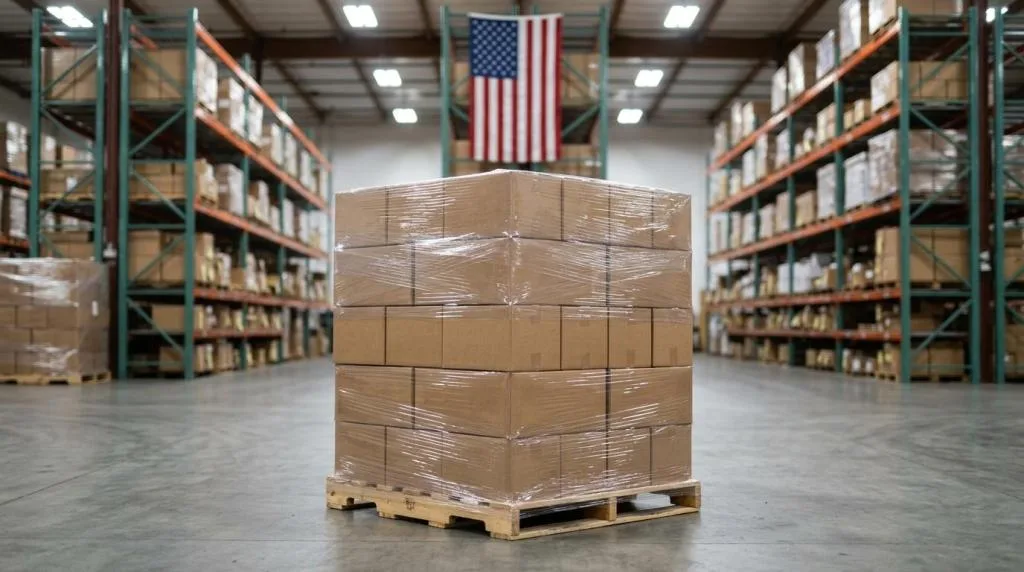
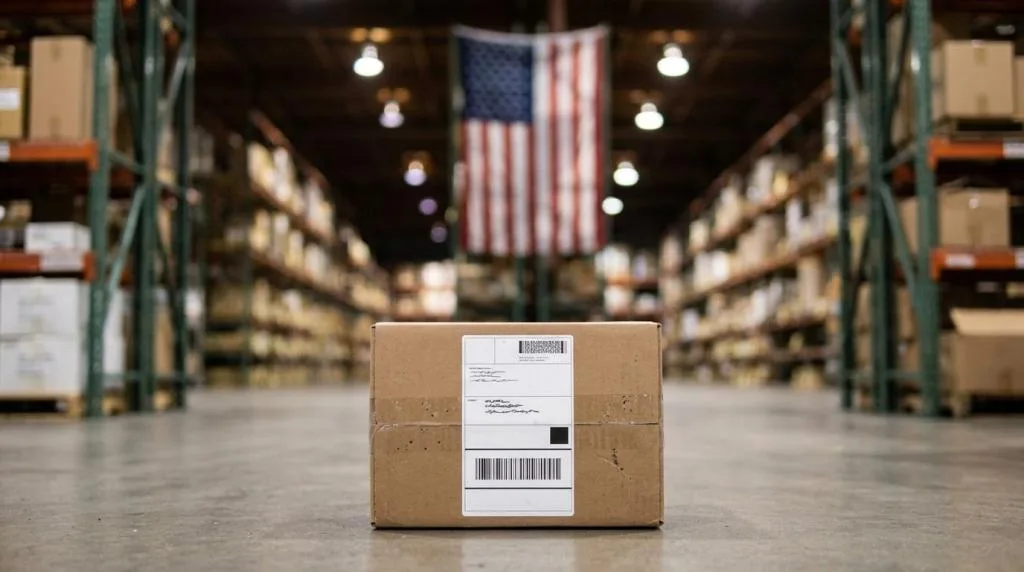
bulk storage

SVDirect Bulk Storage Services for Ecommerce Brands

If your ecommerce brand is carrying pallet inventory, launch stock, or overflow product, you need more than warehouse space. You need stored inventory that stays connected to order fulfillment, replenishment decisions, and returns. Silicon Valley Direct (SVDirect) provides bulk storage services from Union City, California for ecommerce brands, startups, and growing online retailers across the USA and Canada.

SVDirect combines secure, climate-controlled storage with ecommerce fulfillment, system integrations, and reverse logistics support. That means your inventory can move from inbound receipt to storage to same-day shipping inside one operation, with 24/7 visibility through a customized web portal instead of disconnected spreadsheets and vendor handoffs.

Bulk storage in Union City, CA tied directly to ecommerce fulfillment

SVDirect supports bulk storage inside an 88,704-square-foot California fulfillment center in Union City. With nine dock-high doors, we are set up to receive inventory efficiently, hold it securely, and move it into active fulfillment as orders come in.

“SVDirect operates bulk storage from an 88,704-square-foot Union City facility with nine dock-high doors for inbound inventory flow.”

Bulk storage is most useful when it is not isolated from the rest of your operation. SVDirect uses digital tracking and a 24/7 customized web portal so you can see stored inventory in real time and use that visibility for customer service, replenishment planning, and day-to-day order decisions.

“SVDirect gives ecommerce brands 24/7 portal visibility into stored inventory, customer service status, and replenishment reporting.”

SVDirect also brings storage and return handling together, so your stock does not have to be split across multiple vendors. If your brand is managing ongoing returns alongside outbound orders, that single operational view can make inventory counts clearer and reduce avoidable delays.

SVDirect bulk storage helps ecommerce brands handle growth without minimums

SVDirect bulk storage is built for ecommerce brands that are growing into warehouse operations, launching new products, or carrying more inventory than an office, garage, or small backroom can handle. We support startups, established online retailers, and Bay Area brands that want a California warehouse partner with nationwide and international shipping reach.

Because SVDirect has no minimum order requirement, you do not need enterprise-scale volume to get structured storage and fulfillment support. You can start with the inventory you have now, then scale into more storage, more orders, and more channels without replacing your warehouse setup.

“SVDirect supports same-day shipping with no minimum order requirement, giving growing brands room to scale from day one.”

This is a strong fit when your inventory profile includes any of the following:

  • Pallet or case inventory: You need organized warehouse storage instead of scattered overflow space.
  • Launch or seasonal stock: You want bulk inventory stored and ready to flow into same-day fulfillment.
  • Returns-heavy ecommerce: You need storage tied to reverse logistics, not a separate returns location.
  • Multi-channel operations: You want stored inventory connected to your selling systems through integrations or API support.

80+ integrations and custom API support keep stored inventory usable

Storage only helps if your systems know what is in the warehouse. SVDirect offers 80+ preconfigured integrations plus custom API support, so your stored inventory can stay connected to the ecommerce platforms and workflows that drive your business.

SVDirect pairs those integrations with a customized web portal that is available 24/7. Instead of asking for manual updates, you can use portal reporting to monitor inventory, support customer service conversations, and make better replenishment calls before stock problems reach your buyers.

If your business has a specific workflow, custom API support matters. SVDirect can connect warehouse activity to the tools you already rely on, which helps reduce manual reconciliation and gives you a clearer operational picture of what is stored, what is shipping, and what needs attention next.

Bulk storage with integrated returns handling for ecommerce brands

For many ecommerce brands, bulk storage decisions are really inventory control decisions. U.S. retail e-commerce sales reached $326.7 billion in Q1 2026, and industry returns volumes remain high, with the National Retail Federation projecting $849.9 billion in total U.S. retail returns in 2025 and estimating that 19.3% of online sales will be returned.

That is why SVDirect positions bulk storage as part of a broader fulfillment and reverse logistics workflow. We combine secure inventory storage with return handling so your stock is not split across separate providers, which gives you a more usable view of what can be shipped, what has come back, and what inventory actions you need to take next.

When returns are part of your normal sales model, that coordination matters. A single warehouse partner for storage, outbound fulfillment, and returns can make inventory visibility easier to trust and easier to act on.

What you get with SVDirect bulk storage services in California

SVDirect bulk storage is designed to give you physical capacity, system visibility, and operational support in one service.

  • Union City warehouse capacity: Storage inside SVDirect’s 88,704-square-foot California facility at 29995 Ahern Ave, Union City, CA 94587.
  • Receiving infrastructure: Nine dock-high doors to support inbound inventory flow.
  • Storage conditions: Climate-controlled, secure facilities for stored inventory.
  • Inventory visibility: Digital tracking and a 24/7 customized web portal with reporting for inventory, customer service, and replenishment decisions.
  • Fulfillment connection: Pick, pack, and ship support with same-day shipping available.
  • Integration support: 80+ preconfigured integrations plus custom API support.
  • Flexible onboarding: No minimum order requirement for growing ecommerce brands.
  • Human support: A dedicated account manager, real human phone support, and welcomed on-site warehouse visits.

Why ecommerce brands choose SVDirect for Bay Area bulk storage

SVDirect gives you a bulk storage option that is local to Silicon Valley and the San Francisco Bay Area, while still supporting nationwide and international shipping needs. If you want California inventory placement without losing reach, that combination is practical.

We also make the warehouse more transparent than many brands expect from a 3PL relationship. You can visit the Union City facility, talk with a real person by phone, and work through issues with a dedicated account manager instead of trying to manage critical inventory decisions through a ticket queue alone.

SVDirect brings more than 26 years of 3PL experience to that relationship. Our company context also includes a double-verified 100% order accuracy commitment, which matters when bulk inventory must flow into customer orders without preventable mistakes.

When SVDirect is the right bulk storage partner for your brand

SVDirect is a strong fit if you want bulk storage to do more than hold product. We are especially relevant when you need stored inventory tied to live ecommerce operations, same-day fulfillment, returns handling, and system visibility from one California warehouse partner.

You may be a good fit for SVDirect if you are moving out of self-fulfillment, consolidating vendors, or looking for more operational control as order volume grows. SVDirect’s published testimonials include one customer who said we helped move their business from a garage into an efficient warehouse setup, and another who turned to us after a difficult first 3PL experience and found the support helpful.

If you are looking for bulk storage that also makes fulfillment, visibility, and returns easier to manage, talk with SVDirect about your inventory profile. Share what you store, how you ship, and how returns flow today, and we can help you map a bulk storage setup that supports your next stage of ecommerce growth.

3pl centers

Top 3PL Centers for Fast West Coast Ecommerce Delivery

Fast West Coast ecommerce delivery usually comes down to one practical question: where should your inventory sit so orders can move from inbound freight to outbound parcel without delay? For many brands, the answer starts with 3PL centers in California, where freight access, carrier density, and customer proximity can shorten total transit time.

TL;DR: Summary

  • The best 3PL centers for fast West Coast ecommerce delivery are usually California facilities with strong port, airport, highway, and carrier access, especially Bay Area locations that can support same-day shipping and shorter parcel zones.
  • Location alone is not enough: a high-performing 3PL center also needs real-time inventory visibility, order cutoffs, scan-based verification, strong integrations, and clear service-level agreements.
  • California has structural freight advantages. Caltrans describes the state as a national gateway for international trade and domestic commerce, and the Port of Oakland reports 2.07 million TEUs annually plus OAK access to 48 nonstop destinations.
  • Delivery expectations have tightened fast. UPS reports average retail shipping time fell from 6.6 days in 2020 to 4.2 days in 2023, then to 3.7 days by the end of 2024, which raises the value of inventory placement and operational discipline.
  • If you are choosing a 3PL center, compare four things first: inbound freight proximity, same-day shipping cutoffs, system integrations, and accuracy controls. Those factors usually matter more than warehouse size by itself.
  • A Bay Area provider such as Silicon Valley Direct can be a fit when you need West Coast speed, 24/7 visibility, no minimum order requirement, and scalable nationwide or cross-border reach.

That is why the strongest 3PL center decisions are really network-design decisions. A warehouse near the right transport nodes can lower both delivery time and cost, but only if the operating model is disciplined enough to keep orders moving the same day.

Why do West Coast 3PL centers matter for ecommerce delivery speed?

Yes. California 3PL centers near the Port of Oakland and OAK can reduce total order cycle time by placing inventory closer to Pacific imports, major parcel networks, and dense Western demand.

Fast delivery is no longer a nice extra. UPS says average retail shipping time improved from 6.6 days in 2020 to 4.2 days in 2023, then reached 3.7 days by the end of 2024. That means brands are under pressure to cut touches, shrink parcel zones, and stage inventory where carriers can pick up later in the day.

A common mistake is treating delivery speed as a last-mile issue only. In practice, speed starts much earlier, with container arrival, drayage timing, dock scheduling, inventory putaway, and order release rules. If inbound freight lands near your 3PL center, you can replenish faster and avoid split inventory decisions that slow fulfillment.

“Silicon Valley Direct operates an 88,704-square-foot California fulfillment center near highways, ports, and airports, a practical advantage when West Coast delivery speed depends on both location and operations.”

When brands sell across the western United States, a West Coast node often becomes the first inventory position to optimize. If the majority of orders are in California, the Pacific Northwest, Nevada, Arizona, or nearby states, then a California 3PL center can improve both transit time and carrier pricing logic.

What makes California a strong location for 3PL centers?

California is a freight gateway. Caltrans describes the state as a national gateway for international trade and domestic commerce, which is exactly why many ecommerce fulfillment strategies start there.

The state combines seaports, airports, rail, and interstate trucking into a multimodal freight network. That matters because ecommerce speed is not just about how fast a package leaves the warehouse. It is also about how reliably your inventory enters the warehouse, especially during peak season, product launches, and replenishment cycles.

The Port of Oakland provides a good example of this advantage. The port says its Oakland Seaport spans 1,300 acres, includes 4 marine terminals, and handles 2.07 million TEUs annually. It also says Oakland San Francisco Bay Airport spans 2,600 acres and offers 48 nonstop destinations. For a 3PL center in the Bay Area, those are not abstract facts. They affect lead times, routing options, and contingency planning.

Pro tip: do not judge California only by headline real estate costs. If a better location cuts parcel zones, reduces inbound handoff time, and supports later carrier pickups, the total landed cost can be lower even when warehouse rent is higher.

What are the top 3PL center models for fast West Coast fulfillment?

The best model depends on your order profile. Bay Area full-service centers, port-adjacent hubs, and multi-node networks each solve a different speed-versus-cost problem.

If your goal is fast West Coast ecommerce delivery, these are the most practical 3PL center models to compare:

  1. Bay Area full-service centers: Facilities such as Silicon Valley Direct can fit brands that need same-day shipping, broad integrations, and access to ports, airports, and highway corridors from one California base.
  2. Port-proximate import-focused centers: Best when containerized inbound freight is the main constraint and rapid deconsolidation matters more than same-city customer delivery.
  3. Airport-oriented high-urgency centers: Useful for replacement parts, healthcare items, or premium orders where air access and cutoff discipline are more important than storage density.
  4. Single-West-Coast regional hubs: Strong for brands with concentrated Western demand that want one inventory pool instead of multiple small stock positions.
  5. Bi-coastal 3PL networks: Better when demand is split between Western and Eastern zones and two-day service must be consistent nationwide.
  6. Specialty fulfillment centers: A fit for literature, print-on-demand, kits, or regulated workflows that need custom SOPs rather than standard pick-pack-ship alone.

The key is matching the warehouse model to your actual demand map. A fashion brand with volatile SKUs needs different controls than a healthcare supplier or a subscription business.

How should you choose a 3PL center step by step?

Start with data. USPS, UPS, and Shopify order histories usually reveal whether your speed problem is location, process, or inventory placement.

A disciplined selection process looks like this:

  1. Map demand by ZIP and state: Identify where orders ship now, not where you hope they will ship next quarter.
  2. Audit inbound freight flow: Measure where inventory enters the country, how it reaches the warehouse, and where delays appear.
  3. Check operating rules: Ask about same-day order cutoffs, scan verification, exception handling, and returns SOPs.
  4. Review system fit: Confirm prebuilt integrations, API flexibility, inventory sync frequency, and reporting depth.
  5. Model cost against service: Compare fulfillment fees, zone impacts, storage, receiving, and split-shipment risk together.

A common misconception is that the cheapest pick fee wins. If a lower-cost 3PL center produces later order release, slower receiving, or limited reporting, you may pay more through customer service tickets, canceled orders, and backup air shipments.

“Silicon Valley Direct combines same-day shipping, real-time digital tracking, and 24/7 reporting, which is the kind of operating stack brands should test during 3PL selection.”

Ask for sample dashboards and a live walkthrough of the order flow. If a provider cannot show how an order enters the queue, gets verified, and exits with carrier confirmation, then the service promise is still too theoretical.

Is a Bay Area 3PL center better than an inland warehouse for fast delivery?

Often, yes. A Bay Area fulfillment center can outperform an inland site when inbound imports, airport access, and same-day shipping windows are the main drivers of speed.

The trade-off is straightforward. Bay Area fulfillment can reduce drayage distance from Northern California ports and place inventory near air and parcel infrastructure. An inland warehouse may offer lower occupancy cost and more space, but the savings can fade if inbound transfers and final-mile zones add delay.

If your inventory arrives through Northern California and your customer demand is heavy on the West Coast, then Bay Area placement is often the cleaner design. If demand is spread deep into the Southwest and Mountain states, an inland model may improve cost per shipment while still keeping service acceptable.

Do not assume “central” always means “faster.” A more central warehouse can still lose if it creates extra touches between port, storage, and parcel induction.

How do same-day shipping and next-day processing differ at 3PL centers?

They are not the same. Same-day shipping means the order is picked, packed, labeled, and tendered to the carrier the same business day, while next-day processing means fulfillment starts later.

This difference matters because many brands use the terms loosely. A provider may say “fast shipping” while using an early cutoff that effectively turns afternoon orders into next-day shipments. If your checkout promises quick dispatch, you need the exact cutoff time, carrier tender window, and exception rules in writing.

The operational gap can be large. Same-day shipping needs reliable queue management, enough labor at cutoff, accurate inventory status, and disciplined carrier pickups. Next-day processing can still work well for lower urgency catalogs, but it is a different service level and should be priced and communicated as such.

One practical tip: ask what happens to orders that fail fraud review, hit an inventory discrepancy, or require a packaging exception. Those edge cases reveal whether “same-day” is an actual process or only a marketing phrase.

How can you verify a 3PL center’s shipping speed claims step by step?

Use operational proof. Carrier manifests, cutoff reports, and order timestamps tell you far more than a sales deck.

A clean verification process is simple:

  1. Request timestamp evidence: Compare order import time, pick release time, pack completion, and carrier tender time.
  2. Review a recent sample period: Look at normal weeks and peak weeks, not only ideal days.
  3. Check exceptions separately: Measure backorders, address issues, and inventory mismatches so they do not hide inside headline speed metrics.

If a 3PL center cannot separate promised same-day orders from exception orders, its speed reporting is probably too soft to guide a real SLA. Strong operators track on-time ship rate, order accuracy, receiving turnaround, and return processing with clear definitions.

“Silicon Valley Direct states more than 26 years of eCommerce fulfillment experience, which matters when shipping-speed claims need to hold up across onboarding, integrations, and peak-volume exceptions.”

You should also test speed during implementation. A limited pilot with a subset of SKUs often shows whether the receiving workflow, order routing, and customer service response are ready for scale.

Which systems and integrations matter most in a modern 3PL center?

The essentials are inventory accuracy, order visibility, and integration reliability. Shopify, Amazon, NetSuite, and custom APIs matter because speed fails quickly when data is late or incomplete.

A modern 3PL center should sync orders fast, reserve inventory correctly, and feed status events back to your storefront or ERP. That includes tracking numbers, order exceptions, returns status, and available-to-sell quantities. If the data layer is weak, operational teams start working from conflicting versions of the truth.

Integration breadth matters too. SVDirect states it offers 80+ preconfigured integrations with custom API support, which is useful when brands sell across marketplaces, DTC storefronts, retail portals, and EDI-like workflows. The real question is not how many connectors exist, but how exceptions are handled when data arrives out of sequence.

A common mistake is treating the warehouse portal as a reporting accessory. In practice, 24/7 visibility changes how quickly brands can solve stockouts, track receiving, and answer customer questions before they become refunds.

How should startups and scaling brands phase into a 3PL center step by step?

Phase in gradually. Shopify brands and early-stage retailers usually get better results by onboarding one channel, one SKU family, or one service level first.

A practical rollout usually follows three stages:

  • Stage 1: Clean the catalog: Standardize SKU names, dimensions, barcodes, bundle logic, and packaging instructions before inventory arrives.
  • Stage 2: Pilot a controlled launch: Start with a defined order segment, then review shipping speed, exception rates, and returns handling for two to four weeks.
  • Stage 3: Expand with rules: Add channels, kits, or custom inserts only after the base pick-pack workflow is stable.

If you scale too fast during onboarding, problems that should stay small move into every channel at once. If you phase carefully, then inventory accuracy, carrier mapping, and customer messaging can stabilize before volume ramps.

This is where no minimum order requirements can help smaller brands. It lets a company test a professional 3PL setup before committing to a large-volume network design.

When does a West Coast 3PL center improve nationwide and cross-border reach?

It helps when the West Coast is your entry point or your strongest demand region. California and Canada-bound flows often benefit when one node handles import proximity, parcel induction, and cross-border preparation.

A West Coast 3PL center is especially useful if you import through Pacific lanes, launch products in California first, or need faster service to Western metros without splitting inventory too early. It can also support Canada strategies when the 3PL has the right documentation workflows, carrier options, and reporting discipline.

The trade-off is inventory concentration. One California node simplifies stock control and can speed western delivery, but nationwide service may still need an East or Central node as order density grows. If your two-day promise matters in the Midwest and East Coast, then a single-node strategy has a natural limit.

That is why the best decision is usually staged. Start with the node that matches current demand and inbound freight, then add network complexity only when order geography proves the need.

parcel shipping

How Parcel Shipping Zones Affect Delivery

Parcel shipping can look simple from the outside. A customer places an order, a label is printed, and a box goes out the door.

Yet the distance between the shipment origin and the destination often shapes almost everything that happens next. Cost, transit expectations, carrier service fit, and even customer satisfaction are all influenced by shipping zones.

For ecommerce brands, that means parcel performance is not only about negotiating rates. It is also about where inventory sits before the order is placed. A smart fulfillment setup can shift a large share of orders into lower zones, which often helps both margins and delivery speed.

What parcel shipping zones mean for delivery speed

Parcel shipping zones are distance bands used by carriers to price many domestic shipments. With USPS zoned services, the farther a package travels, the more zones it crosses, and the more postage tends to increase. USPS identifies zones from Zone 1 for local destinations through Zone 9 for very distant ones.

That basic structure matters because delivery expectations usually improve when a parcel starts closer to the customer. Fewer miles can mean fewer handoffs, shorter line-haul time, and a better chance of reaching the buyer quickly with the service selected.

This does not mean every Zone 2 parcel arrives fast or every Zone 8 parcel arrives slowly. Carrier networks, service standards, cutoff times, weekends, and weather all matter too. Still, zone distance is one of the clearest planning variables available to a growing brand.

USPS zone concept General meaning Typical effect on cost Typical effect on transit expectations
Zone 1 to Zone 2 Local or very nearby destination Usually lower postage Often faster potential
Zone 3 to Zone 5 Regional to mid-range destination Moderate postage Moderate transit expectations
Zone 6 to Zone 8 Long-distance domestic destination Higher postage Longer transit expectations
Zone 9 Very distant destination Often highest zoned postage Longest transit potential

The takeaway is practical. If most orders are shipping into higher zones, the business is likely paying more than necessary and asking customers to wait longer than they would if inventory were placed closer to demand.

How USPS parcel shipping zones are assigned

For USPS zoned services, the zone is tied to the origin and destination ZIP pairing. USPS zone charts use the first three digits of the destination ZIP Code as part of the assignment process, which is why two identical packages can carry different postage depending on where they begin their trip.

That point is easy to miss when brands only look at product dimensions or package weight. The label may look the same, but the origin warehouse changes the zone mix across the whole order base.

A few USPS services commonly discussed in this context include Priority Mail Express, Priority Mail, USPS Retail Ground, and Bound Printed Matter. These are zoned services, so the shipment origin has a direct impact on what the order costs to send.

  • Zone logic: distance from origin to destination drives the zone
  • ZIP structure: the destination 3-digit ZIP Code is part of the zone chart method
  • Service fit: some USPS parcel services are zoned, so distance matters to postage
  • Local shipments
  • Cross-country shipments

When brands look at zone assignment through that lens, warehouse location becomes a financial and customer experience decision, not just an operations choice.

Why fulfillment origin changes parcel shipping costs

A parcel does not begin costing money when it reaches the carrier network. Cost pressure starts earlier, with inventory placement.

If a brand stores all inventory on one coast while demand is spread across the country, a large share of orders may fall into higher zones. That can raise postage and stretch delivery windows. If the same brand repositions inventory closer to its major customer clusters, many of those orders can move into lower zones instead.

This is one reason fulfillment origin deserves more attention in growth planning. A lower storage rate in a less strategic location may look attractive on paper, yet that saving can disappear quickly if outbound parcels are pushed into costlier zones day after day.

A California origin is a strong example. For brands with meaningful order volume in California and the broader West, shipping from a Union City, California facility can reduce zone distance for a large slice of customers. When that setup is paired with same-day shipping, the shipment may start both closer to the buyer and earlier in the day, which is a powerful combination.

Silicon Valley Direct operates from Union City and supports same-day shipping, no minimum order requirements, and reporting visibility through a custom web portal. For a brand evaluating parcel performance, those details matter because zone strategy works best when inventory data, order timing, and shipment execution are all visible.

California fulfillment strategy and parcel shipping zones

California is not just a large consumer market. It is also a useful launch point for brands serving the West Coast, the Bay Area, and many customers across the western United States.

That does not mean California is the right origin for every order nationwide. It does mean a West Coast fulfillment origin can materially change the zone mix if customer demand is concentrated in nearby states. In practical terms, more orders may fall into lower zones, which can lower postage and improve expected transit performance.

A Union City location adds another operational advantage. Its proximity to major highways, ports, and airports supports flexible outbound movement, which is valuable for brands that need fast parcel handling, print-on-demand support, literature fulfillment, or broader ecommerce order flow.

The effect becomes easier to see when viewed by customer region.

Customer region Likely effect of a Union City, CA shipping origin Parcel shipping implication
Bay Area and much of California Often lower zones Lower postage potential and faster delivery expectations
West Coast states Often lower to mid zones Strong fit for quick regional parcel movement
Mountain West Frequently moderate zones Balanced cost and transit profile
Midwest Often mid to higher zones More variable postage and delivery timing
East Coast Commonly higher zones Longer transit expectations and higher zoned cost
Canada Depends on service and entry path Requires careful service planning and reporting

This is why many brands outgrow a one-warehouse mindset. The question is not only, “Where can goods be stored?” It is also, “Where should orders begin if the goal is better parcel economics and faster customer delivery?”

How parcel shipping zones affect expected delivery times

USPS publishes expected delivery times based on service standards, and those expectations depend on the service selected plus the origin and destination relationship. A package traveling a short zone distance may have a much different delivery outlook than one going across the country, even when the package contents and packaging are identical.

Drop-off timing also matters. USPS notes that Priority Mail Next Day reflects a 1 business day delivery time in most cases, based on origin, destination, and drop-off time. That means a fast service name alone is not enough. The order has to be processed and handed off quickly as well.

For ecommerce brands, zone strategy and warehouse execution should be treated as a pair. One without the other leaves value on the table. A warehouse close to customers helps, and same-day pick, pack, and ship helps too.

Several variables shape delivery expectations beyond the zone number itself:

  • Carrier service selection
  • Daily order cutoff time
  • Package verification accuracy
  • Weekend and holiday timing
  • Inventory availability
  • Weather and network disruptions

That is why high order accuracy still matters in a zone-focused plan. If an order misses cutoff, requires relabeling, or ships from an alternate location due to stockouts, the expected transit benefit of a lower zone can disappear.

Parcel shipping zone examples for growing ecommerce brands

A new brand with most customers in Northern California will usually see a very different zone profile from a brand that sells evenly across all 50 states. The first brand may benefit from a California-centered origin almost immediately. The second may need to model regional inventory placement more carefully.

Picture three common situations.

  • Regional brand: most orders come from California, Oregon, Washington, and Nevada
  • National brand: orders are spread across the West, Midwest, South, and East Coast
  • Expansion-stage brand: current demand is regional, but paid acquisition is broadening the customer map

For the regional brand, a Bay Area fulfillment origin can be highly efficient. Lower zones are more common, shipping cost may stay controlled, and buyers often receive orders sooner.

For the national brand, the answer is more nuanced. A single California origin may still work if western demand is dominant or if the brand values strong access to ports and Bay Area customers. Yet a wider distribution pattern may call for additional inventory strategy over time.

For the expansion-stage brand, zone reporting becomes especially valuable. This is where a 3PL with strong integrations, a responsive account team, and detailed shipment reporting can help identify when a warehouse footprint that once worked well is beginning to strain parcel economics.

Parcel shipping metrics that deserve regular review

Parcel zones should be part of monthly operating reviews, not just something checked during carrier negotiations. When the zone mix shifts, shipping cost and delivery expectations often shift with it.

A useful review framework includes a small set of practical metrics:

  1. Zone distribution by order count
  2. Weighted shipping cost per order
  3. Transit performance by customer region
  4. Orders shipped same day versus next day

Those four numbers tell a meaningful story. If same-day shipping is strong but costs remain high, the issue may be inventory location rather than warehouse speed. If zone distribution looks favorable but transit results lag, service selection or carrier handoff timing may need attention.

The best part is that zone analysis does not require guesswork. With order data, origin data, and customer ZIP patterns, brands can see where money is going and where time is being lost. That creates room for better planning, stronger customer promises, and healthier growth.

For many ecommerce teams, parcel shipping starts to improve when they stop treating it like a back-end expense and start managing it as a network decision. Inventory placed closer to demand, supported by same-day execution and clear reporting, can shift the delivery experience in a very real way.

santa clara 3pl

3PL Services in Santa Clara

Santa Clara brands rarely struggle because they lack demand. They struggle when fulfillment cannot keep up with growth, channel complexity, or customer expectations for fast, accurate shipping.

Silicon Valley Direct (SVDirect) provides Santa Clara 3PL services from our Union City headquarters and fulfillment center, helping ecommerce brands, startups, and growing online retailers outsource warehousing, order fulfillment, integrations, and specialized logistics to one Bay Area partner. You get same-day shipping, no minimum order requirement, dedicated account support, and a fulfillment operation built to scale with your business.

Santa Clara 3PL services backed by SVDirect’s Union City fulfillment center

SVDirect serves Santa Clara customers from an 88,704-square-foot Union City facility with nine dock-high doors, giving your business more operating capacity than a small self-managed warehouse setup. That means you can move inventory through receiving, storage, picking, packing, and carrier handoff without taking on your own lease, labor planning, or dock scheduling.

“SVDirect supports Santa Clara fulfillment from an 88,704-square-foot Union City warehouse with nine dock-high doors.”

For many Silicon Valley sellers, the question is not whether this market needs logistics support. The San Jose-Sunnyvale-Santa Clara metro recorded 14.8 thousand transportation and warehousing employees in 2024, which reflects an active fulfillment environment and the ongoing need for dependable warehouse operations.

If you are comparing a 3PL partner against leasing your own space, local industrial conditions matter. Vacancy in the North Santa Clara industrial submarket has been reported near 8%, but available space alone does not solve staffing, system connections, quality control, or daily shipping execution. SVDirect gives Santa Clara companies a nearby Bay Area fulfillment option without asking you to build that entire operating layer yourself.

SVDirect helps Santa Clara ecommerce brands ship faster without adding warehouse overhead

SVDirect is built for ecommerce brands, startup product companies, and growing online retailers that need more than basic storage. We manage the physical and system side of fulfillment so your team can stay focused on product, marketing, and customer growth instead of warehouse administration.

Depending on your business model, SVDirect can support:

Because SVDirect has no minimum order requirement, Santa Clara businesses can start with the volume they have now and scale as demand grows. That makes it easier to launch a new brand, add SKUs, expand channels, or absorb seasonal spikes without overcommitting to warehouse infrastructure too early.

“SVDirect offers no minimum order requirements plus same-day shipping for Santa Clara brands at different growth stages.”

What SVDirect improves for Santa Clara fulfillment operations

SVDirect removes several operational bottlenecks at once. You are not trying to coordinate warehouse space, floor labor, order workflows, software integrations, and carrier relationships across multiple vendors.

Our 3PL warehouse model supports flexible storage, variable labor, and on-demand fulfillment capacity, which helps your logistics operation adjust as order volume changes. For Santa Clara ecommerce teams, that can mean fewer delays during launches, promotions, and growth periods.

“With 26+ years of 3PL experience, SVDirect is built around flexible storage, variable labor, and on-demand fulfillment capacity.”

SVDirect also improves execution on the warehouse floor. Our fulfillment processes include structured picking and packing workflows, quality checks, carrier coordination, and scalable staffing, while double-verified 100% order accuracy gives you a clear operational standard.

Visibility is another major advantage. SVDirect provides a 24/7 customized web portal with extensive reporting, along with a dedicated account manager and real human phone support, so you have both live help and direct access to inventory and fulfillment data when something changes.

Bay Area 3PL integrations and same-day shipping for Santa Clara sellers

Speed matters, but connected systems matter just as much. SVDirect offers 80+ preconfigured integrations and custom API support, helping Santa Clara merchants move order data from storefront to warehouse to carrier with less manual work and fewer avoidable errors.

That integration layer is valuable whether you sell on one platform or across multiple channels. SVDirect connects your ordering environment to receiving, storage, picking, packing, and same-day shipping so fulfillment keeps pace with the way your business actually sells.

If your program includes printed materials, samples, campaign kits, or specialized handling requirements, SVDirect can support those workflows within the same relationship. Our print-on-demand, literature fulfillment, healthcare logistics, and presorted mail services help Santa Clara businesses consolidate operations that are often split across separate providers.

When SVDirect is the right 3PL fit for Santa Clara companies

SVDirect is often the right fit when your business needs a partner that can handle growth and complexity without forcing a rigid model.

  • You want Bay Area access without operating your own Santa Clara warehouse
  • You need same-day shipping and consistent daily fulfillment
  • You want to start without a minimum order threshold
  • You need integration support across ecommerce platforms and custom systems
  • You value a dedicated account manager and real phone support
  • You need specialized fulfillment alongside standard ecommerce shipping

SVDirect is especially relevant for companies in Santa Clara, San Jose, Sunnyvale, and the broader Bay Area that want a nearby fulfillment partner they can actually visit. We welcome on-site visits to our Union City warehouse, which gives you a direct look at how your inventory will be stored and how your orders will move through fulfillment.

It is also a strong option if your sales reach extends beyond California. SVDirect supports nationwide and international shipping, which helps Santa Clara brands serve customers across the USA and Canada from one scalable 3PL operation.

Talk with SVDirect about Santa Clara 3PL support

If you are outgrowing self-fulfillment, evaluating 3PL options, or deciding whether it makes sense to lease warehouse space in Santa Clara, SVDirect can help you sort through the practical next step. We can review your order volume, channels, SKU mix, integration needs, and specialized service requirements, then show you how our Union City fulfillment center can support your Bay Area business.

Contact Silicon Valley Direct to discuss your Santa Clara 3PL needs, schedule a warehouse visit, and build a fulfillment setup that gives you faster shipping, clearer reporting, and room to grow.

nationwide fulfillment

Best Nationwide Fulfillment Services

Nationwide fulfillment matters because ecommerce growth and delivery expectations now move together. U.S. retail ecommerce reached an estimated $326.7 billion in Q1 2026, and that volume punishes brands that ship late, miss inventory counts, or cannot support a clear delivery promise.

TL;DR: Summary

  • The best nationwide fulfillment services pair same-day or reliably same-day order release with accurate inventory control, broad carrier reach, and clear exception handling; for many growing ecommerce brands, a flexible 3PL model is the strongest fit.
  • DHL reported that 93% of U.S. shoppers are convenience-driven consumers, which makes fast delivery, easy returns, and trustworthy tracking central to conversion and repeat purchase.
  • FTC shipping rules matter: if a seller cannot ship when promised, it must offer the buyer a clear choice to accept the delay or cancel for a prompt refund.
  • A strong nationwide fulfillment partner should show real operating proof, including cutoff times, receiving SLA, inventory count procedures, scan checkpoints, integration reliability, returns handling, and reporting that shows order exceptions that documents on-time performance.
  • If order volume is still concentrated in one region, a well-run single-node operation can work nationwide; if demand is split across coasts and order density is high enough, a multi-node model can reduce transit time but adds inventory complexity.

The practical question is not who can ship a box anywhere in the U.S. Almost any carrier can do that. The real question is which nationwide fulfillment service can do it quickly, accurately, and with systems that hold up when order volume spikes.

What is nationwide fulfillment and why does it matter for ecommerce brands?

Nationwide fulfillment is the operating model that lets a Shopify or Amazon seller store, pick, pack, and ship orders across the United States with predictable service levels. It matters because delivery speed, stock accuracy, and returns handling now affect revenue as directly as product quality.

The scale is clear. The U.S. Census Bureau estimated Q1 2026 ecommerce sales at $326.7 billion, up 9.8% year over year, and ecommerce accounted for 16.9% of total U.S. retail sales. When that much demand runs through digital channels, fulfillment stops being a back-office task and becomes part of the customer experience.

DHL’s 2026 U.S. findings add the consumer side of the picture: 93% of U.S. shoppers identify as convenience-driven consumers, and inventory issues and delivery options are among the top reasons Americans abandon carts. A common mistake is assuming nationwide fulfillment means opening many warehouses immediately, when in reality a disciplined single-node operation can still serve the country well if order release is fast and carrier coverage is well designed.

“SVDirect supports same-day shipping, no minimum order requirement, and 80+ preconfigured integrations for ecommerce fulfillment.”

What makes a nationwide fulfillment service actually best?

The best nationwide fulfillment services combine fast order release, accurate inventory accuracy, and documented exception management; Silicon Valley Direct and the FTC standard point to the same truth that proof matters more than promises. A low rate alone does not make a service best.

Start with shipping speed, but define it correctly. Fast transit is useful only if orders are released on time. Same-day shipping with a real cutoff can beat a cheaper service that waits until the next business day to process. Then look at inventory accuracy. If a provider cannot prevent mis-picks, cycle-count routinely, and isolate damaged or returned stock, nationwide reach just multiplies the error.

Next comes visibility. Advanced brands should expect a warehouse management system, channel integrations, tracking flow, returns status, and reporting that shows order exceptions. Many operators also differentiate with a dedicated account manager and live support, which matters when a retail launch, crowdfunding drop, or B2B routing-guide issue needs a same-day decision. A common misconception is that automation alone guarantees reliability. It does not. Scanning discipline, SOPs, and exception ownership still decide outcomes.

What are the best nationwide fulfillment service options for growing brands?

The best nationwide fulfillment option depends on order profile, channel mix, and inventory risk, and Silicon Valley Direct, bi-coastal 3PL setups, and specialist service models each fit different needs. The right choice is the one that supports your delivery promise without adding avoidable complexity.

For most brands, the evaluation starts with service design rather than brand familiarity. Look at whether the provider fits your demand pattern, systems stack, and SKU behavior.

  1. Silicon Valley Direct (SVDirect): A strong fit for growing brands that want same-day shipping, no minimum order requirement, 80+ preconfigured integrations, custom APIs, and Bay Area access from Union City, California.
  2. Single-node nationwide 3PL model: Best when most orders originate from one side of the country and SKU counts are still manageable. This keeps inventory simpler and reduces stock fragmentation.
  3. Bi-coastal fulfillment model: Best when East Coast and West Coast demand are both heavy enough to justify split inventory. Transit times improve, but replenishment and forecasting get harder.
  4. Omnichannel fulfillment provider: Best for brands shipping direct-to-consumer and wholesale at the same time, especially when retail compliance, routing guides, and carton labeling are part of the job.
  5. Specialist fulfillment provider: Best when the operation includes healthcare logistics, print-on-demand, literature kits, or projects with unusual kitting, traceability, or handling requirements.

If your order volume is still uneven, flexibility matters more than network size. That is where no order minimums, custom workflows, and reporting can be more valuable than a broad warehouse map that forces premature inventory splitting.

“One SVDirect customer reported more than 1,000 orders over two years without recalling a single fulfillment error.”

How do you choose a nationwide fulfillment partner in three steps?

A three-step evaluation works better than a demo-led selection, and FTC expectations make operational records more important than polished sales language. The right partner should be able to explain how it ships on time, not just say that it does.

Step 1 is to map your order reality. Review monthly order volume, peak-day volume, SKU count, parcel weights, return rates, and channel mix. If 70% of your orders are under one pound and 60% ship west of the Rockies, your optimal design will differ from a brand sending heavier parcels evenly across the country.

Step 2 is to inspect process proof. Ask about cutoff times, receiving SLA, inventory count procedures, scan checkpoints, and what happens when stock is short. This is also where FTC logic matters. If a seller promises shipment in a stated time, there should be records or documentary proof that systems and procedures support that promise in the ordinary course of business.

Step 3 is to test exception handling. Delays, oversells, damaged units, address problems, and return-to-sender events are where weak operators break down. If the partner cannot explain who owns each exception and how the customer is notified, treat that as a risk signal.

How does nationwide fulfillment compare with regional warehousing?

Single-node and multi-node fulfillment solve different problems, and California versus a California-plus-Midwest design changes cost, speed, and inventory complexity. More warehouses can reduce parcel zones, but they also raise replenishment pressure and safety stock requirements.

A single-node model is often the best starting point for younger brands. You keep one inventory pool, one receiving process, and one replenishment plan. If your products are seasonal, fragile, or cash-intensive, that simplicity can protect working capital and reduce dead stock.

A regional or multi-node model becomes attractive when order density supports it. If your East Coast demand is large enough and transit complaints are consistent, then placing inventory closer to buyers can reduce delivery time and sometimes postage. The trade-off is operational: each node needs stock, counts, transfers, and forecasting. A common mistake is moving to multi-node too early, then tying cash up in duplicate inventory that does not turn.

How does same-day shipping compare with next-day processing?

Same-day shipping improves delivery promise reliability when the cutoff is real, while next-day processing can still work for lower-urgency brands with steadier demand. In practice, order release time often matters more than a marketing claim about national reach.

If a customer orders at 11 a.m. and the order leaves the warehouse that afternoon, the brand gains a full day versus a provider that processes tomorrow morning. That difference affects marketplaces, branded ecommerce stores, preorder campaigns, and replacement shipments. It also reduces the gap between checkout expectation and the first tracking event.

Next-day processing is not automatically poor service. If your product is customized, low-volume, or less time-sensitive, the lower operational intensity may be acceptable. The mistake is promising same-day cutoffs in your storefront while running next-day warehouse operations behind the scenes.

“SVDirect operates from an 88,704-square-foot Union City facility with nine dock-high doors and supports shipping across the U.S., Canada, and international destinations.”

How should you set inventory across the country in three steps?

Inventory placement should follow order geography, SKU velocity, and reorder risk, not intuition; Shopify reports, ERP data, and WMS history should drive the decision. Good nationwide fulfillment starts with where demand actually is.

Step 1 is to map twelve months of shipping destinations by ZIP cluster and by service level. If one cluster dominates, keep the model simple. If demand is truly split and service complaints track that split, you have a real case for another node.

Step 2 is to segment SKUs by velocity and substitution risk. Fast-moving, stable SKUs can be duplicated across nodes more safely than slow, expensive, or highly seasonal products. If a SKU is volatile or prone to version changes, keep it centralized longer.

Step 3 is to define safety stock and transfer triggers before you split inventory. This is the part brands often skip. If you cannot forecast replenishment cadence and inbound lead time, a second warehouse can create more stockouts, not fewer.

How do shipping compliance and the FTC Mail Order Rule affect nationwide fulfillment?

FTC shipping compliance is operational, not just legal text, and sellers need systems that support promised shipment timing, delay notices, and prompt refunds. Any nationwide fulfillment strategy should be tested against that standard before checkout promises go live.

The FTC’s Mail, Internet, or Telephone Order Merchandise Rule says sellers must have records or documentary proof showing systems and procedures that assure shipment within the applicable time in the ordinary course of business. If a seller cannot ship on time, it must give the buyer a clear option to accept the delay or cancel for a prompt refund.

That changes how fulfillment should be managed. A provider’s order cutoff, backorder logic, and customer-notification workflow are not minor details. They help determine whether the brand can support a definite revised shipping date or whether the order should be cancelled. If your marketing team wants aggressive delivery language, your warehouse process has to support it.

How do integrations and reporting improve nationwide fulfillment in three steps?

Shopify, Amazon, and custom APIs matter because nationwide fulfillment fails when orders, inventory, or tracking sync late. The strongest providers pair broad integration coverage with reporting that shows exceptions before customers find them.

Step 1 is to map every system touchpoint. That includes storefronts, marketplaces, ERP, returns software, EDI, and customer service tools. The goal is to identify where order holds, bundle logic, address validation, and inventory updates happen.

Step 2 is to test edge cases before launch. Run partial shipments, bundles, returns, cancelled orders, preorder flags, and out-of-stock scenarios. A common misconception is that a successful basic integration test proves the workflow is ready. Most serious errors appear in exceptions, not in standard orders.

Step 3 is to monitor operational reporting daily. Look for late releases, inventory mismatches, aging returns, carrier exceptions, and backorder trends. This is where 24/7 portal access and detailed reporting stop being nice extras and become operational controls.

What mistakes cause nationwide fulfillment failures?

Most nationwide fulfillment failures come from mismatched promises, weak inventory controls, and unclear ownership of exceptions; DHL’s cart-abandonment findings and FTC requirements both point to the same issue. Operational discipline is what protects conversion and compliance.

The most common issues show up in predictable places, and most are preventable with better process design.

  • Choosing on postage alone: A lower parcel rate can be erased by slower order release, more customer support tickets, and refund costs.
  • Splitting inventory too early: More nodes can improve transit time, but they also increase carrying costs and forecast risk.
  • Ignoring returns design: Reverse logistics, restock rules, and damaged-item disposition affect margin as much as outbound shipping.
  • Treating integrations as finished work: Systems need monitoring after launch because channel changes and SKU logic shift over time.
  • Using vague shipping promises: If checkout messaging is aggressive and warehouse cutoffs are loose, late-shipment problems follow quickly.

When should a brand switch to a nationwide fulfillment provider?

A brand should move to a nationwide fulfillment provider when in-house operations can no longer support service promises, channel growth, or compliance needs; Silicon Valley Direct and similar 3PL models are usually strongest when flexibility and process depth are both required. The timing is earlier than many founders expect.

Watch for operational signals, not just rising order volume. If the team is missing same-day cutoffs, spending too much time on manual tracking requests, struggling with returns, or overselling across channels, the warehouse is now limiting growth. The same is true when retail, wholesale, and direct-to-consumer orders begin competing for the same labor and space.

There is also a strategic trigger. If nationwide fulfillment is supposed to improve conversion, then you need reporting that can show whether on-time release, error rate, and delivery promises are improving. If you cannot measure those basics, switching to a provider with stronger systems and documented SOPs is often the right next step.

fremont 3pl

SVDirect 3PL Services in Fremont

If you need a Fremont 3PL that can ship fast, stay flexible, and give you real visibility into daily order flow, Silicon Valley Direct (SVDirect) is built for that job. We operate from Union City, just next to Fremont, and provide end-to-end eCommerce fulfillment, warehousing, pick and pack, shipping, systems integration, and specialized logistics support for brands that need more than a basic warehouse.

That nearby location matters. Fremont is one of the Bay Area’s strongest industrial centers, with more than 900 manufacturing and hardware companies and the region’s largest industrial real estate inventory. SVDirect helps online brands, startups, and growing retailers turn that East Bay logistics advantage into same-day shipping, automated order processing, and clearer inventory control.

Fremont 3PL fulfillment for DTC brands, B2B sellers, and growing online retailers

SVDirect supports both B2C and B2B fulfillment, which means you can run direct-to-consumer orders, wholesale shipments, promotional kits, and literature distribution through one Fremont-area 3PL partner instead of splitting fulfillment across multiple providers.

“SVDirect supports B2C and B2B fulfillment with 80+ preconfigured integrations and custom API support.”

We are a strong fit if your business is growing beyond self-fulfillment, outgrowing a small warehouse setup, or losing time to manual order handling. Our team works with ecommerce brands across the USA and Canada, with a natural advantage for Bay Area companies that want local access to their 3PL.

SVDirect also removes a common barrier for newer brands: there is no minimum order requirement. That gives startups and emerging sellers a Fremont-area fulfillment option that can scale up without forcing enterprise volume from day one.

SVDirect warehousing, pick, pack, ship, and integration services near Fremont

SVDirect combines warehousing, inventory management, pick and pack, and shipping into one operating system, so your orders do not have to bounce between disconnected tools or handoffs. Our proprietary warehouse management system and 100% automated order processing are designed to keep orders moving accurately and quickly from checkout to carrier pickup.

You can use SVDirect for a range of fulfillment and logistics needs, including:

SVDirect gives you more than a dock and a label printer. You get live access to order status, inventory data, and reporting through a customized portal, plus same-day order shipping support that helps reduce delays when demand spikes or launch days get busy.

“SVDirect says 99% of orders ship the same day, with every order double verifies orders before shipping.”

If you sell on multiple platforms, integration also becomes a buying decision, not just a technical detail. SVDirect offers 80+ preconfigured integrations plus custom API support, so your store, marketplace, ERP, or internal workflow can connect to fulfillment without forcing your team into manual exports and reentry.

A Fremont-area 3PL that helps you move faster without losing control

Speed matters, but so does confidence in what leaves the warehouse. SVDirect double verifies orders before shipping, which helps reduce the costly problems that show up after fulfillment errors: reships, refunds, support tickets, and damaged customer trust.

You also get direct communication. SVDirect provides a dedicated account manager and real human phone support, so when you have a packaging change, an urgent inbound, a retailer routing question, or a special project, you can talk to someone who knows your account.

That combination is especially useful for Bay Area teams that want local access. SVDirect welcomes on-site warehouse visits at 29995 Ahern Ave, Union City, CA 94587, making it easier to review inventory, packaging, inserts, kitting requirements, or launch readiness in person.

“SVDirect welcomes warehouse visits in Union City and brings 26+ years of 3PL experience to Fremont-area fulfillment.”

East Bay logistics support for Fremont businesses and nearby supply chains

Fremont is not just another city on a map. It is a dense industrial and manufacturing environment where logistics choices can affect speed, access, and coordination. With advanced manufacturing representing a major share of the local economy, many businesses in and around Fremont need a 3PL that can work cleanly with suppliers, product teams, and fast-moving sales channels.

SVDirect’s Union City location near Fremont helps shorten that gap between inventory and execution. If your products are coming from East Bay manufacturers, Bay Area offices, or regional import and distribution flows, our nearby warehouse can make receiving, storage, and outbound fulfillment simpler to manage.

Local operating context matters too. Fremont maintains truck-route rules and requires permits for oversized loads in certain situations, so planning inbound freight and warehouse location carefully can prevent friction. SVDirect gives you a Fremont-area 3PL base that is close to local business activity without pushing your fulfillment operation farther away than it needs to be.

For teams that need to visit in person, the area is accessible as well. Fremont has two BART stations, Fremont Downtown and Warm Springs/South Fremont, which adds convenience for Bay Area operators coordinating inventory reviews, meetings, or project launches around the East Bay.

When SVDirect is the right Fremont 3PL fit

SVDirect is usually the right choice when you need a 3PL partner that can support growth without forcing you into a rigid model. That includes businesses such as:

  • Scaling ecommerce brands: You need faster shipping, cleaner inventory control, and better order visibility than self-fulfillment can provide.
  • Bay Area startups and hardware-adjacent sellers: You want a local East Bay fulfillment partner near Fremont that your team can actually visit.
  • Multi-channel retailers and specialty programs: You need one provider for DTC, B2B, literature, print-on-demand, healthcare fulfillment, or custom integration work.

If your biggest concerns are shipping speed, integration complexity, support responsiveness, or whether your order volume is “too small” to get serious 3PL help, SVDirect is structured to answer those concerns directly. Same-day shipping, no minimum order requirement, automation, and direct account support are not extras here. They are part of the operating model.

Talk with SVDirect about your Fremont 3PL setup

If you are comparing Fremont 3PL options, SVDirect gives you a nearby Union City warehouse, automated fulfillment, same-day shipping support, and a team you can actually reach when details matter.

Share your sales channels, order volume, product type, and shipping goals with SVDirect, and we can help map a fulfillment setup that fits where your business is now and where you want it to grow next.

palo alto 3pl

3PL Services in Palo Alto

If you are looking for a Palo Alto 3PL, you are probably not looking for a generic warehouse. You need a fulfillment partner that can keep up with Bay Area customer expectations, connect cleanly with your sales channels, and give you operational visibility without slowing your team down. Silicon Valley Direct (SVDirect) provides full-service 3PL fulfillment from Union City, California, helping Palo Alto ecommerce brands manage storage, order flow, pick and pack, shipping, and specialized fulfillment under one roof.

SVDirect works with startups, established online retailers, and growing B2C and B2B programs across the USA and Canada. Our role is simple: take fulfillment off your plate without taking control away from you. With same-day shipping, 80+ preconfigured integrations, custom API support, a dedicated account manager, and a 24/7 reporting portal, we give Palo Alto brands a local Bay Area 3PL option that is built for growth.

Palo Alto 3PL support for brands serving a high-expectation Bay Area market

Palo Alto is not a high-volume commodity market. It is a concentrated, affluent customer base with 68,572 residents, a median household income of $228,517, and 84.3% of adults 25 and older holding a bachelor’s degree or higher, according to the Palo Alto demographic profile. For ecommerce brands, that usually means higher expectations around delivery speed, order accuracy, packaging quality, and post-purchase communication.

“SVDirect reports 99% same-day order shipping and double-verifies every order before shipment.”

That is where a nearby Bay Area fulfillment partner matters. Silicon Valley Direct gives Palo Alto companies access to local 3PL operations in Union City, so you can stay closer to your inventory, react faster to demand changes, and avoid building an in-house shipping operation that pulls time away from sales, product, and customer experience.

Palo Alto also sits in one of the most connected corridors in the Bay Area, which makes regional access and operational responsiveness especially valuable. SVDirect uses that Bay Area position to help ecommerce teams move from manual order handling to a more reliable fulfillment system with nationwide and international reach.

SVDirect 3PL services near Palo Alto for ecommerce, B2B, and specialized fulfillment

SVDirect provides end-to-end 3PL fulfillment for both B2C and B2B operations. That means we do more than ship boxes. We help you manage inventory, connect order sources, enforce packing rules, and keep your fulfillment process consistent as order volume changes.

“Silicon Valley Direct supports B2C and B2B fulfillment with 80+ preconfigured integrations and custom API support.”

Our fulfillment services are designed to fit the way Palo Alto brands actually sell:

  • eCommerce order fulfillment: Same-day pick, pack, and ship for online orders, with workflows built for speed and accuracy.
  • Warehousing and inventory management: Inventory storage, tracking, and reporting through a customized 24/7 web portal.
  • Platform integrations and APIs: Connections for multi-channel selling, plus custom API support when your tech stack needs something more specific.
  • Print-on-demand and kitting: Flexible support for made-to-order items, promotional packs, bundled products, and assembly needs.
  • Literature and promotional fulfillment: Distribution for brochures, inserts, branded materials, and campaign collateral.
  • Healthcare logistics and fulfillment: Structured handling for healthcare-related materials where control and consistency matter.

Silicon Valley Direct also supports presorted mail services and custom workflows when your business does not fit a standard ecommerce template. If you sell direct to consumers, replenish wholesale accounts, support events, or distribute regulated or brand-sensitive materials, we can build the fulfillment flow around those requirements instead of forcing you into a rigid process.

Union City fulfillment for Palo Alto companies that need speed, visibility, and real support

A Palo Alto 3PL relationship works better when your warehouse partner is close enough to stay accountable. SVDirect operates from Union City and welcomes on-site warehouse visits, which gives local brands a level of access many national providers do not offer. You can see how inventory is handled, review workflows, and talk through exceptions with the team responsible for your orders.

“SVDirect says most quotes are delivered within 24 hours.”

That local access is backed by a practical operating model. Silicon Valley Direct pairs technology with a dedicated account manager and real human phone support, so when a product launch spikes order volume, a retailer changes routing instructions, or a store integration needs attention, you have a direct path to someone who knows your account.

SVDirect’s proprietary warehouse management system is built to support a smoother fulfillment experience across its network. For you, that means fewer handoffs, clearer order tracking, and reporting that helps operations, finance, and customer support work from the same information.

What Palo Alto ecommerce brands improve with SVDirect 3PL fulfillment

Most companies do not change 3PL partners because they want another vendor. They change because fulfillment is creating drag. Orders ship too slowly, customer service spends too much time checking statuses, inventory visibility is weak, or internal staff is handling logistics work that should already be automated.

Silicon Valley Direct improves those pressure points with a fulfillment process that is designed for execution, not just storage. Our double-verification step helps protect order accuracy before shipments leave the warehouse, which is especially important for premium products, subscription-style packs, literature programs, healthcare materials, and any order that is costly to reship.

SVDirect also gives your team a customized 24/7 web portal with extensive reporting. That makes it easier to check inventory levels, monitor order activity, review shipment status, and answer customer questions without waiting for manual spreadsheet updates.

“Silicon Valley Direct has more than 27 years of fulfillment experience, and half of its team has over 10 years of experience.”

For growing brands, scalability matters just as much as control. SVDirect has no minimum order requirement, which makes us relevant whether you are launching a new store, managing uneven promotional volume, or scaling into a larger multi-channel operation. You do not need to overcommit just to get experienced 3PL support.

SVDirect helps Palo Alto brands stay focused on growth instead of warehouse management

When fulfillment is working well, your team gets time back. Marketing can launch without worrying about pack-outs. Finance gets cleaner reporting. Customer support gets faster answers. Founders and operations leads stop spending late nights managing shipping exceptions.

Silicon Valley Direct is built to produce those outcomes through concrete operational support. Our Bay Area 3PL service combines warehousing, order fulfillment, integrations, account management, and reporting so you can run a more controlled operation without building the infrastructure yourself.

That is especially useful for Palo Alto companies selling into demanding customer segments or balancing multiple channels. If your business depends on fast shipping, clean inventory data, and consistent execution, SVDirect gives you a fulfillment layer that supports growth rather than interrupting it.

When SVDirect is the right Palo Alto 3PL fit

SVDirect is a strong fit when your business needs more than basic pick and pack. We are especially relevant if any of these situations sound familiar:

  • You need local Bay Area access: You want a 3PL near Palo Alto with a Union City warehouse you can actually visit.
  • You need speed without building in-house ops: Same-day shipping matters, but you do not want to staff and manage your own warehouse team.
  • You sell across multiple channels: Your store, marketplace, or B2B orders need integration support, automation, and a single fulfillment process.
  • You have specialized fulfillment needs: Your products involve print-on-demand, kitting, literature distribution, promotional programs, or healthcare-related workflows.
  • You want responsive account support: You prefer a dedicated account manager and phone access to real people when something needs attention.

If you are comparing providers, the buying questions usually come down to fit, clarity, and control. Silicon Valley Direct helps answer those questions early by scoping your order profile, integration needs, storage requirements, and any special handling before launch, so you can evaluate the model with fewer assumptions and less back-and-forth.

Talk with SVDirect about 3PL services for Palo Alto

If you need a Palo Alto 3PL that can ship fast, integrate with your systems, and support your team with real operational visibility, Silicon Valley Direct is ready to help. Request a quote, review your fulfillment requirements with our team, and if useful, schedule a visit to the Union City warehouse to see how SVDirect would support your next stage of growth.

print fulfillment

7 Print Fulfillment Services for Brands

Print fulfillment is the part of operations that connects artwork, inventory, order data, and shipping into one working system. For brands, it matters because printed products, inserts, direct mail, and literature all fail when production and distribution are managed as separate tasks.

TL;DR: Summary

  • Print fulfillment is an operations function, not just a design or print-buying service. It covers production, inventory control, pick and pack, mailing, and order tracking for items like print-on-demand products, marketing inserts, catalogs, and literature.
  • The best print fulfillment setup depends on volume, turnaround time, personalization, and shipping method. If you need daily ecommerce output, choose API-connected print fulfillment with same-day capability; if you need large mail drops, focus on presort, postal compliance, and list hygiene.
  • Print-on-demand is one subset of print fulfillment. It reduces dead stock and supports personalization, but batch printing often wins on unit economics when demand is stable and artwork changes are limited.
  • Direct mail still runs at national scale. USPS reported 56.8 billion Marketing Mail pieces and 108.7 billion total mailpieces in fiscal year 2025, so postal workflow, address quality, and commingling still matter.
  • Market demand is growing, not fading. Grand View Research valued the global print-on-demand market at $10.8 billion in 2025 and projects $57.5 billion by 2033, which makes integration, accuracy controls, and reporting more important for brands.

Brands usually need one of two outcomes: print that ships with ecommerce orders, or print that moves through the mail as a campaign. The strongest providers handle both workflows with clear SOPs, integration support, and quality checks, so print becomes measurable and scalable instead of manual and fragile.

What is print fulfillment?

Print fulfillment is the operational process that turns approved artwork into printed items, packed orders, and delivered mail through systems like USPS and Shopify. It includes production, inventory, pick and pack, address prep, postage decisions, and tracking.

This category covers more than print-on-demand posters or custom shirts. It also includes literature fulfillment, branded inserts, product instructions, catalogs, postcard campaigns, and presorted mail. If a brand needs printed materials to reach a customer accurately and on time, print fulfillment is the workflow that makes it happen.

A common misconception is that print fulfillment starts at the press. In practice, it starts earlier with file control, SKU mapping, data validation, and service-level rules. If those controls are weak, even a good print run can still create bad shipments, duplicate mail, or costly reprints.

“SVDirect supports print-on-demand, literature fulfillment, and presorted mail with same-day printing and a custom web portal.”

How is print fulfillment different from print-on-demand?

Print fulfillment is broader than print-on-demand, and USPS plus ecommerce platforms make that difference clear. Print-on-demand is one production model inside the larger fulfillment process.

Print-on-demand means an item is printed after an order is placed. That is useful for personalized products, low-SKU testing, and avoiding dead inventory. Print fulfillment includes that model, but it also covers warehousing preprinted stock, kitting printed inserts with products, and preparing bulk mail for postal entry.

The trade-off is simple. If demand is unpredictable or personalization matters, print-on-demand usually wins. If volume is stable and design changes are limited, batch printing often lowers unit cost. Many brands use both: on-demand for long-tail items, batch print for high-volume collateral and recurring mail pieces.

What are the 7 print fulfillment services brands use most?

The seven most common print fulfillment services combine production and distribution, and Silicon Valley Direct is a useful example of how brands bundle them. The right mix depends on whether your primary channel is ecommerce, direct mail, or field distribution.

After the service model is defined, brands can map each printed asset to an order type, mail class, or campaign goal. That prevents a frequent mistake, which is treating inserts, catalogs, and branded merchandise as unrelated projects when they actually share the same inventory, postage, and reporting logic.

  1. Full-service 3PL print fulfillment from Silicon Valley Direct (SVDirect): Combines print-on-demand, warehousing, order fulfillment, and shipping when printed materials must move with ecommerce orders.
  2. Print-on-demand production: Creates items only after purchase, which helps test designs and manage variable demand.
  3. Literature fulfillment: Stores and distributes brochures, manuals, sales sheets, and promotional collateral to customers, sales teams, or events.
  4. Direct-mail production and presort: Handles postcards, letters, and campaign drops that need postal preparation and mailing efficiency.
  5. Kitting with printed components: Adds flyers, inserts, coupons, and instructions to subscription boxes or product shipments.
  6. Healthcare or regulated document fulfillment: Supports precise handling, version control, and higher accuracy requirements for sensitive printed materials.
  7. Replenishment and reprint support: Restocks printed inventory and manages fast reruns when campaigns, packaging, or compliance content changes.

How do you choose the right print fulfillment partner?

The right print fulfillment partner matches your order flow, platform stack, and service-level targets, not just your print spec. Shopify, Amazon, and USPS all expose different operational needs.

Step 1 is workflow mapping. List every asset you print, where the order originates, how personalization is triggered, and whether the output ships parcel or mail. If your orders are daily and customer-facing, then integration speed and exception handling matter more than a slightly lower print rate.

Step 2 is operational validation. Ask about proof approval, inventory visibility, barcode or SKU checks, postal prep, and reprint rules. A common mistake is choosing by print price alone. If the provider cannot show order tracking, reporting, and error controls, savings can disappear in labor and service issues.

“SVDirect offers 80+ preconfigured integrations with custom API support, which is useful when print orders must sync with ecommerce and shipping data.”

Step 3 is fit for growth. Check whether the partner can support pilots, seasonal spikes, and channel changes without rebuilding the process. USPS also offers a free Printer Directory for Every Door Direct Mail and other direct-mail products, which is useful when a brand needs local print, design, or mail preparation support as a starting point.

How do you set up a print-on-demand fulfillment workflow?

A strong print-on-demand workflow starts with clean product data and ends with automated order release, often through platforms like Shopify and WooCommerce. The process should remove manual touches wherever possible.

Step 1 is product and file setup. Every SKU needs a print-ready file, version control, placement rules, and a clear trigger for production. Many brands assume print-on-demand means no inventory planning. That is not quite right, because blank stock, packaging, and consumables still need forecasting.

Step 2 is systems integration. Orders should flow from storefront to print queue to packing to shipment tracking without rekeying. If customer uploads or variable data are part of the offer, then proofing and rejection rules must be set before launch, not after the first batch fails.

Step 3 is quality and returns logic. Decide how you will handle color variance, personalization errors, damaged pieces, and reprints. This is where double-check procedures and photographic or portal-based records can prevent disputes from turning into margin loss.

How do you launch a direct-mail print fulfillment program?

A direct-mail print fulfillment program works best when list quality, postal prep, and campaign timing are planned together. USPS products like Every Door Direct Mail and Marketing Mail serve different goals.

Step 1 is audience choice. If you need neighborhood saturation without a customer list, Every Door Direct Mail can work well. If you need individual targeting, use an addressable list with stronger segmentation. The trade-off is reach versus precision.

Step 2 is production and postal prep. Standard SOPs include address hygiene, deduplication, format checks, and presort planning . If postage savings are central to the campaign, then mail prep expertise matters almost as much as the printed piece itself.

Step 3 is measurement. Match the mail drop to offer codes, QR codes, landing pages, or holdout groups. Direct mail performs better operationally when it is treated like a channel with attribution rules, not like a one-time creative project.

Should brands keep print fulfillment in-house or outsource to a 3PL?

Outsourcing usually wins once print touches multiple channels, and a 3PL with USPS and ecommerce experience can reduce handoffs. In-house control still makes sense for very low volume, high confidentiality, or tightly local workflows.

In-house printing gives you direct oversight and can work well for short internal runs, urgent office materials, or highly specialized approval chains. The cost is hidden labor. Staff still need to manage supplies, job queues, QA, shipping labels, and carrier exceptions.

A 3PL model is stronger when printed items need to sync with inventory, web orders, and parcel shipping. If your brand ships nationwide, adds inserts to ecommerce orders, or runs recurring mail programs, then outsourcing often improves consistency. If you only print a few localized pieces each month, in-house may remain practical.

Which print fulfillment KPIs actually matter?

The most useful print fulfillment KPIs tie file accuracy to delivery outcomes, and SVDirect’s accuracy claim highlights why that matters. Counting prints alone does not tell you whether the workflow is healthy.

Brands should track operational metrics that explain both cost and customer experience. A provider may print quickly but still create waste through reprints, stale inventory, or delayed shipment release. Good reporting connects the print event, the order event, and the carrier or postal event.

“SVDirect says all orders are double verified to be 100% accurate before shipping, a strong control for personalized print fulfillment.”

A practical KPI set usually includes:

  • Order accuracy: Did the right printed item, version, and quantity reach the right recipient?
  • Turnaround time: How long did artwork approval, print production, and shipment release take?
  • Reprint rate: What share of jobs failed because of data, color, damage, or packing errors?
  • Inventory exposure: How much printed stock is aging, obsolete, or at risk of disposal?
  • Postal or delivery performance: Did the mailpiece or parcel enter the network on schedule and track as expected?

Why does print fulfillment still matter for ecommerce and direct mail in 2026?

Print fulfillment still matters because demand and infrastructure are both real, and USPS plus Grand View Research show that clearly. This is not a niche service built on nostalgia.

Grand View Research valued the global print-on-demand market at $10.8 billion in 2025 and projects $57.5 billion by 2033, with a 23.6% CAGR from 2026 to 2033. That kind of growth points to a rising need for integration, production flexibility, and accurate downstream fulfillment.

Mail infrastructure remains large as well. USPS reported 56.8 billion Marketing Mail pieces, 108.7 billion total mailpieces, and 170.4 million delivery points in fiscal year 2025. That means direct mail still operates at national scale, and fulfillment partners need real postal competence, not just print capability.

Paper supply conditions also shape execution. The American Forest & Paper Association reported that printing-writing capacity fell 13.9% in 2025 to 7.7 million tons, while operating rates rose from 76.8% to 82.8%. If capacity stays tighter, then brands that plan reprints, stock levels, and campaign windows earlier will usually get better outcomes than brands that treat print as a last-minute task.

inventory management services

Inventory Management Services by SVDirect

Inventory problems rarely start in the warehouse alone. They usually start when your stock counts live in different systems, orders come in from multiple channels, and your team has to guess which number is current. Silicon Valley Direct (SVDirect) solves that with inventory management services built into its full-service 3PL operation in Union City, California.

SVDirect helps ecommerce brands, startups, and growing online retailers across the USA and Canada manage inventory with one connected fulfillment flow. You get warehouse-based inventory control, real-time order and stock visibility, 80+ preconfigured integrations with custom API support, and a 24/7 portal that shows inventory levels, shipping information, and reports in one place.

SVDirect inventory management services give you real-time stock visibility across selling channels

If you sell through more than one ecommerce platform, inventory visibility becomes a daily operating issue, not just a reporting feature. SVDirect’s system is designed to merge multiple ecommerce platforms into one warehouse inventory view, so your team can work from a single source of truth instead of reconciling separate channel counts by hand.

SVDirect also gives you 24/7 access to a customized web portal where you can check order status, inventory levels, shipping information, and reporting whenever you need it. That means faster answers for your operations team, cleaner data for purchasing decisions, and fewer surprises when a customer places an order.

“SVDirect provides 24/7 portal access to inventory levels, order status, shipping information, and reporting in one place.”

That visibility matters because real-time inventory control is closely tied to fewer stockout and oversell issues across ecommerce operations. Industry sources such as IBM point to real-time inventory visibility as a way to reduce those problems, and GS1 has reported that stronger visibility practices can materially reduce out-of-stocks in retail environments.

Inventory management tied directly to warehousing, pick, pack, and same-day shipping

SVDirect’s inventory management service is not a disconnected software layer. It is built into the physical warehouse and fulfillment process, so inventory updates reflect what is actually being received, stored, picked, packed, and shipped from the Union City facility.

That setup makes a practical difference for growing brands. When inventory management and fulfillment live in the same operation, your stock levels, order flow, and shipment activity stay aligned more closely than they do in a patchwork system of spreadsheets, manual exports, and delayed updates.

Here is what that looks like in practice with SVDirect:

  • Warehouse-based inventory control: Your inventory is managed where orders are fulfilled, which helps reduce lag between stock movement and system visibility.
  • Integrated order processing: SVDirect supports 80+ preconfigured integrations and custom API connections to bring order processing and inventory activity together.
  • Faster shipment execution: Same-day shipping support helps turn available inventory into delivered orders without unnecessary handoffs.

SVDirect also pairs visibility with execution discipline. Our fulfillment operation includes a double-verified 100% order accuracy process, which is important because inventory data only helps you if the right units are actually picked and shipped.

“SVDirect combines 80+ preconfigured integrations with custom API support, giving multi-channel brands one warehouse inventory view.”

If your brand needs more than standard SKU storage, SVDirect can support inventory workflows tied to print-on-demand, literature fulfillment, promotional materials, and healthcare-related fulfillment. That gives you one logistics partner for stock visibility, order handling, and specialized warehouse execution.

SVDirect helps startups and growing ecommerce brands manage inventory without volume barriers

Not every business looking for inventory management is shipping at enterprise scale. Some are early-stage brands trying to stop overselling. Others are established retailers adding new channels, expanding into Canada, or replacing manual inventory tracking that no longer keeps up.

SVDirect is a strong fit for both. Because there is no minimum order requirement, you can put structured inventory management in place before operational issues become expensive. At the same time, SVDirect offers scalable nationwide and international shipping reach for brands that are already growing fast.

Support is also part of the service, not an afterthought. SVDirect gives you a dedicated account manager and real human phone support, which matters when you need answers about receipts, inventory counts, order timing, or a system connection that affects customer orders.

“With no minimum order requirement and 26+ years of 3PL experience, SVDirect supports both startup brands and growing online retailers.”

For Bay Area companies, SVDirect’s Union City location adds another advantage. On-site warehouse visits are welcomed, so you can see where your inventory is stored and how your fulfillment operation is being handled. That level of visibility helps when you are choosing a 3PL partner for products that directly affect customer experience.

Why SVDirect is the right inventory management partner when visibility and fulfillment need to work together

SVDirect is not just a fit for businesses that want inventory software. It is the right fit when you want inventory management connected to real warehouse activity, live order handling, and operational support from a 3PL team that has been doing this for 26+ years.

That matters if your current pain points include:

  • stock counts that differ by channel
  • delayed updates that create oversells or backorders
  • too much manual work to understand what is actually available
  • a need for faster shipping without losing inventory control
  • growth into new channels, new product lines, or cross-border fulfillment

SVDirect improves those issues by putting your inventory visibility, order processing, warehousing, and shipping into one managed system. You get clearer inventory reporting, better day-to-day control, and a fulfillment operation that is built to keep pace with ecommerce demand.

Request an inventory management plan from SVDirect

If you need inventory management services that do more than show numbers on a dashboard, SVDirect can help you build a fulfillment setup that keeps stock visibility, order accuracy, and shipping execution connected.

Talk with SVDirect about your current channels, SKU mix, order volume, and reporting needs. We will help you evaluate the right inventory management and fulfillment workflow for your business, whether you are based in Silicon Valley, the Bay Area, or shipping to customers across the USA and Canada.