Now more than ever, large numbers of companies throughout the country depend on highly advanced technology to run their warehouses. The idea is to deliver everything from inventory tracking to order retrieval. A Warehouse Management System (WMS) is a software platform tailored for warehouse operations matter if you operate a small distribution center or a large warehouse, introducing a WMS can transform the way products go through your business, decrease mistakes, and increase user satisfaction. The following article by SVDirect will show the creation and generalization of any related subject, which it gives to elucidate in like manner.
3PL (Third Party Logistics) fulfillment involves the outsourcing of all logistics activities, such as warehousing, inventory handling, and picking and packing of orders by an online store to a 3PL specialist company. Rather than handling it internally, online retailers leave these functions with 3PL providers that convey products quickly and efficiently into the hands of customers. The overall 3PL market will reach $2 trillion by 2030 if the rapid expansion of e-commerce and the surging need for streamlined supply chain solutions both materialize.
Today, running a successful e-commerce business is about more than just a slick website and great products. It demands users expect fast shipping, accurate orders at the least effort. For many e-commerce brands, controlling supplies and distribution in-house is just not practical. That is part of why 3PL fulfillment services, provided by experts like SVDirect, are now used to handle fulfillment. In this post, we will be exploring what prompts ecommerce brands to make this strategic choice, the benefits they can gain from doing so, and how it helps them scale their business in a competitive marketplace.
In today’s fast-paced world of ecommerce and retail, customer expectations have never been higher: Besides rapid delivery, shoppers expect each step in order processing to be accurate, efficient, and transparent. For businesses operating in California and beyond, this is an escalating problem that can only be solved by the right systems. That’s just what a Fulfillment Center offers. Companies like SVDirect help businesses save time handling orders, avoid administrative headaches, and improve customer experiences. This blog explores what California-based fulfillment centers are doing for business, why they make sense from a financial standpoint, and how partnering with the right provider can make your company stand out.
Starting an online business is so exciting, but there is also a flash of nervousness, especially in logistics management. The challenge for many start-ups is not only finding customers, but also delivering products on time, keeping inventory controlled, and establishing a reputation for reliability. Here is where having a dependable eCommerce Fulfillment Service makes a huge difference. At SVDirect, we understand how crucial fulfillment is to a young business’s growth, and we’re here to make sure that not only do you survive the startup period, but you also succeed in it.
A fulfillment center plays a vital role in the logistics of e-commerce, managing the storage, packing, and shipping processes. If you’re curious about what a fulfillment center is and how it operates, you’ve come to the right place. This guide will break everything down in a friendly and straightforward manner, making it easy to grasp the essentials.
What Is a Fulfillment Center?
A fulfillment center is a specialized facility designed to help businesses manage their inventory and order processing. This includes storing products, packing orders, and shipping them directly to customers. Essentially, it’s a logistics hub that streamlines the entire process of delivering goods.
They are the backbone of e-commerce. Without these centers, businesses would struggle to keep up with demand, manage inventory efficiently, and ensure timely deliveries. They play a crucial role, especially for online retailers who may not have the resources to handle logistics in-house.
In essence, fulfillment companies bridge the gap between the business and the consumer, ensuring that products are delivered seamlessly. They house various technologies and systems that monitor stock levels and sales, which allows for quick and accurate fulfillment of orders.
How Do Fulfillment Centers Operate?
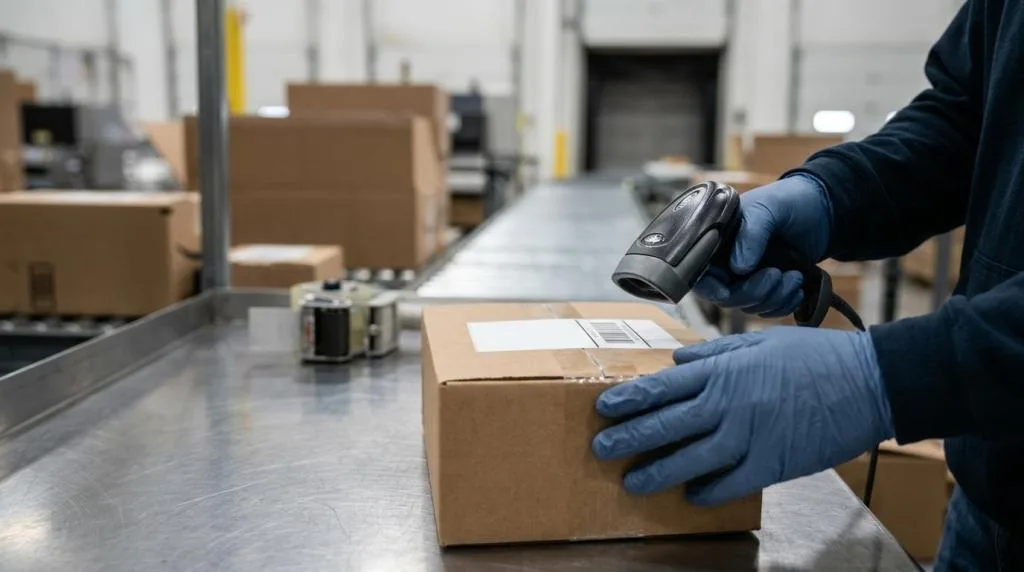
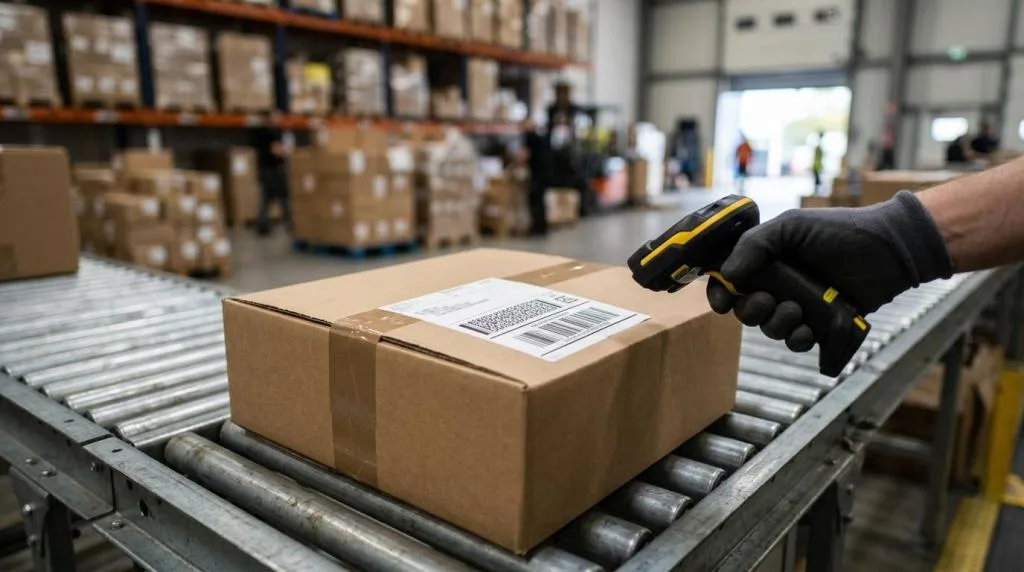
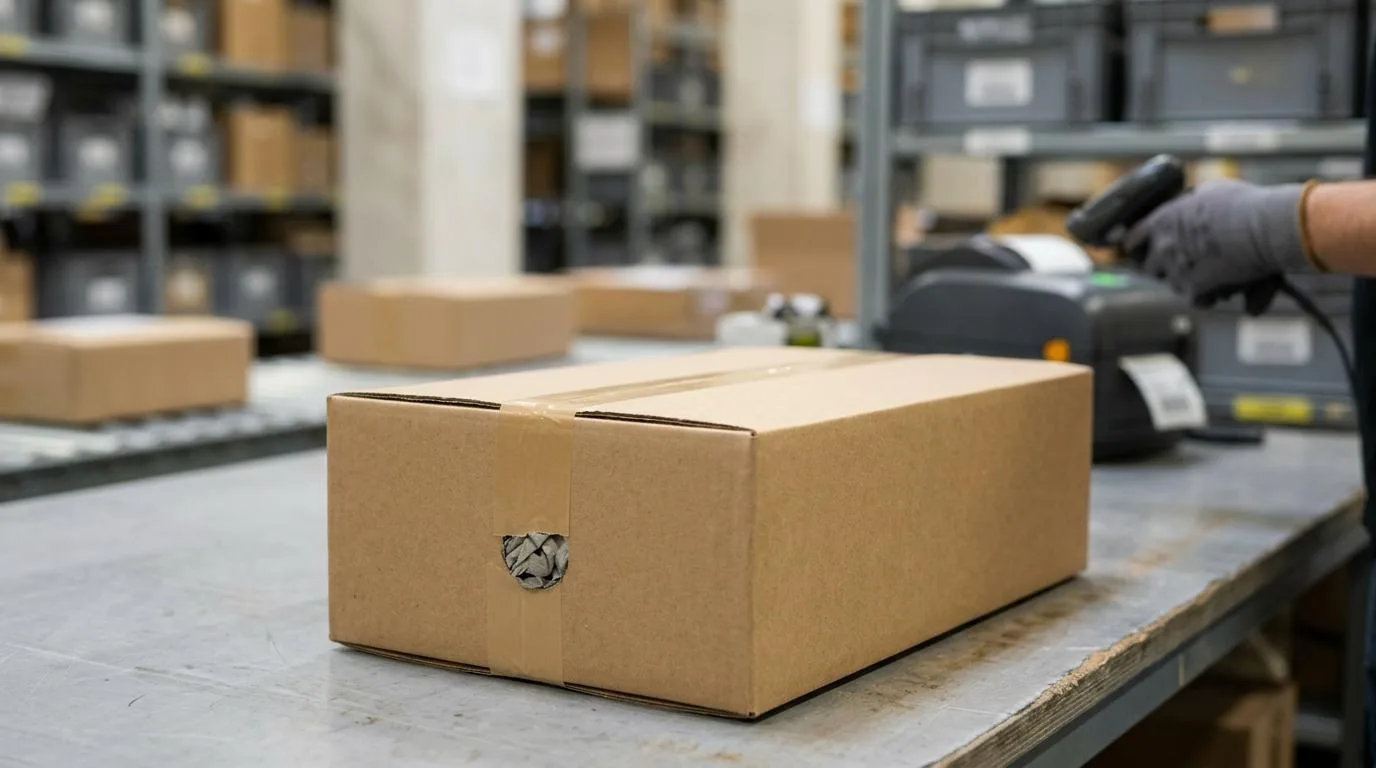
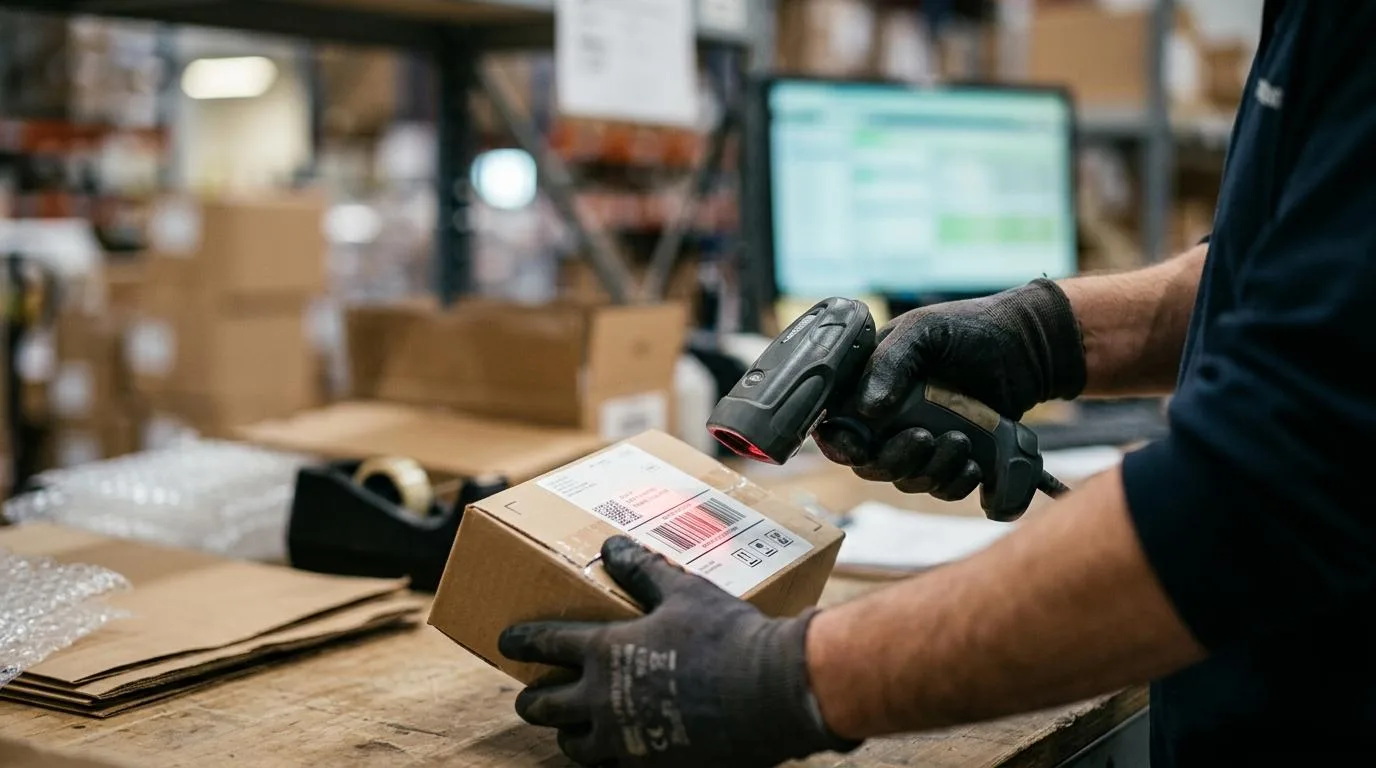
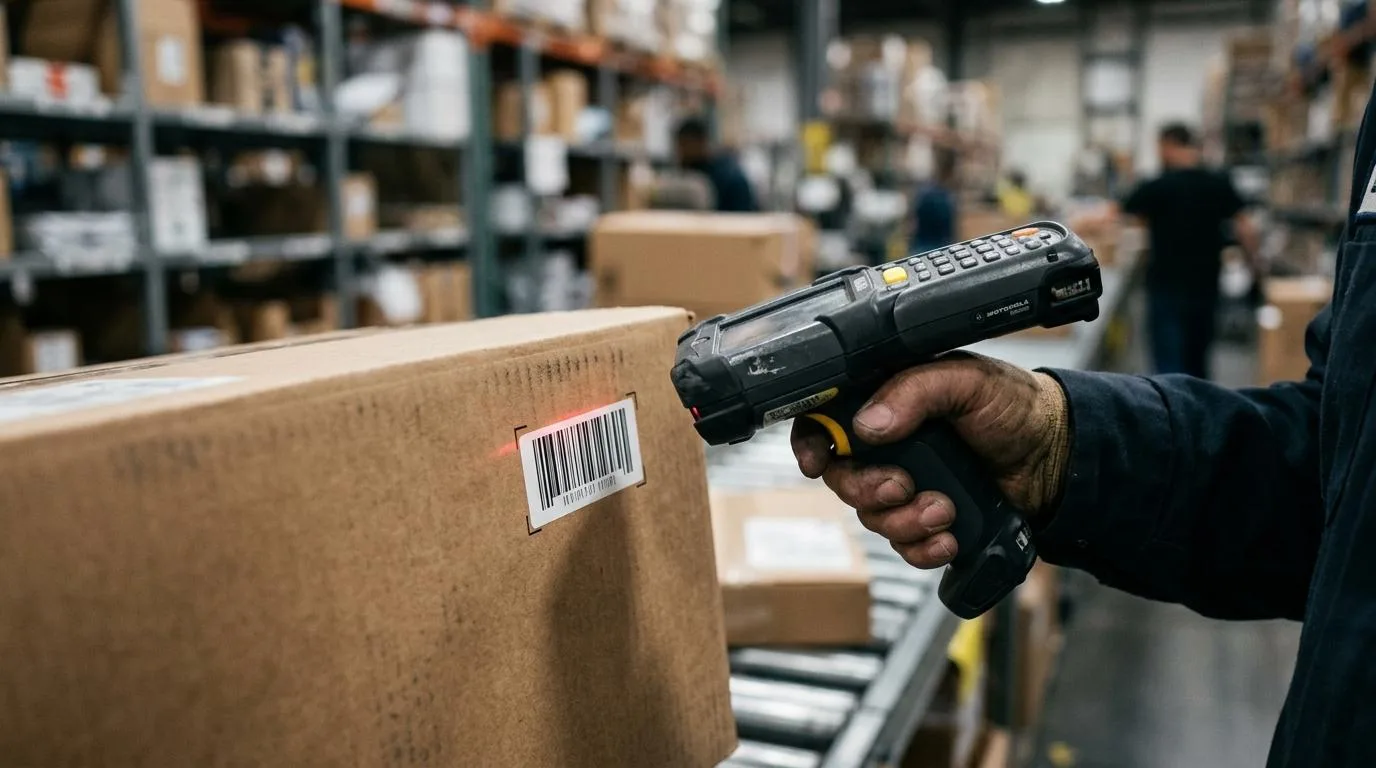
The operations can be broken down into several key steps that ensure efficiency. Each step is designed to optimize the overall process, beginning with inventory management. When products arrive at the fulfillment center, they’re scanned and stored in a systematic way, allowing for easy retrieval.
Once an order is placed, the fulfillment center pulls the relevant items from their inventory. Using sophisticated technology, these centers can rapidly locate and pick items, often utilizing robotics to enhance speed. After picking, items are packed together, ensuring they adhere to specific shipping requirements.
The final step involves shipping the orders out to customers, where partnerships with various courier services ensure timely delivery. Automation and data analysis play a huge role in this process, allowing fulfillment centers to predict demand and adjust operations accordingly.
Regular monitoring and refining of these processes enable them to maintain efficiency and adapt to fluctuations in demand. Through constant iteration and improvement, they can meet the evolving needs of their business customers.
Benefits
Utilizing these companies offer numerous benefits that can enhance a business’s overall performance. Primarily, it allows businesses to focus on core activities like product development and marketing, leaving the logistics to experts in the field.
Cost-effectiveness is another significant benefit. Instead of investing heavily in warehouse space and logistics personnel, businesses can leverage fulfillment centers that offer scale and economies of operation. This not only reduces expenses but also minimizes overhead.
Moreover, fulfillment centers enhance the speed of shipping. By strategically placing facilities in various geographic locations, they can reduce transit times, ensuring products reach customers faster and, importantly, improving customer satisfaction.
Lastly, many provide robust analytics tools that help businesses track sales and inventory patterns. This data is invaluable for making informed decisions and optimizing future operations.
Factors to Consider When Choosing a Fulfillment Center
Choosing the right fulfillment center is critical for the success of any e-commerce business. One of the primary factors to consider is geographic location. A well-located fulfillment center can greatly reduce shipping times and costs, significantly impacting customer satisfaction.
Another important aspect is the technology and systems a fulfillment center has in place. Advanced inventory management systems can streamline processes and help you track products more efficiently.
Additionally, consider the center’s scalability. As your business grows, your fulfillment needs will evolve, and a center that can adapt to increased volume, complexity, and different product lines is invaluable.
Lastly, evaluate their customer service capabilities. Open communication channels can mean the difference between hiccups in order processing and smooth operations.
Common Misconceptions
There are several misconceptions that can cloud understanding. One common myth is that they are only suitable for large businesses. In reality, fulfillment centers cater to businesses of all sizes, providing tailored solutions that adapt to specific needs.
Another misconception is they is overly complex. While it may seem daunting at first, with the right partner, the process can be seamless. They are designed to integrate smoothly with e-commerce platforms, making operations much simpler.
Additionally, some believe that using a fulfillment center limits control over shipping methods or customer experience. On the contrary, many fulfillment centers allow businesses to customize shipping options, enabling them to maintain the level of service they desire.
The final misconception relates to costs. Many assume that outsourcing fulfillment is more expensive, but when factoring in the potential savings on manpower and logistics, it can actually be quite economical.
Key Takeaways
Fulfillment centers are pivotal in ensuring that products reach customers efficiently and effectively. By understanding how these centers operate, businesses can optimize their supply chains and enhance customer satisfaction.
Literature fulfillment is a process that involves storing, managing, and distributing print materials to your intended audience. Companies often use literature fulfillment services to streamline their distribution process and ensure that the right materials reach the right people at the right time. Key points to understand:
Literature fulfillment involves storing, managing, and distributing print materials efficiently.
Companies use literature fulfillment services to streamline their distribution process.
The goal is to ensure that the right materials reach the right people at the right time.
Benefits of Literature Fulfillment
Literature fulfillment services offer various benefits to businesses, such as saving time and ensuring accurate inventory management. By utilizing these services, companies can streamline their operations and focus on other core aspects of their business. Additionally, literature fulfillment helps in reducing overhead costs and providing efficient distribution of marketing materials to customers and prospects.
Key Components of Literature Fulfillment Process
Literature fulfillment involves several key components such as inventory management, order processing, and shipping. Inventory management is crucial to ensure that there are enough materials available to fulfill orders promptly. Order processing involves receiving, processing, and tracking orders accurately. Efficient shipping is necessary to deliver the materials to customers on time. Each step in the process is vital to successful literature fulfillment.
Importance of Efficient Fulfillment Strategies
Efficient fulfillment strategies are crucial for businesses to meet customer expectations and maintain a competitive edge. When orders are processed quickly and accurately, customers are more likely to be satisfied and loyal to a brand. A well-executed fulfillment strategy can lead to increased customer retention and positive word-of-mouth, ultimately boosting sales and revenue. By prioritizing efficiency in fulfillment processes, businesses can enhance their overall performance and reputation in the market.
Common Challenges in Literature Fulfillment
Meeting deadlines is a common issue in literature fulfillment. Often, miscommunications can lead to delays in getting materials out on time. Inventory management is another challenge as it’s crucial to have the right amount of materials in stock without being overwhelmed with excess. Quality control is a significant concern to ensure that all materials are in good condition before shipping. Lastly, tracking shipments can be problematic, especially when dealing with a large volume of orders.
Selecting the Right Fulfillment Partner
To find the right fulfillment partner for your literature needs, it is crucial to evaluate various factors. Consider aspects like their experience in handling literature fulfillment, the range of services they offer, and their reputation in the industry. Communication is key when working with a fulfillment partner, so ensure they are responsive and accessible. Make sure they have the capacity to meet your volume requirements and timelines. Cost is another critical factor, so compare pricing structures and ensure they fit your budget. Customer reviews and testimonials can provide insight into the fulfillment partner’s reliability and quality of service.
Technology Integration in Literature Fulfillment
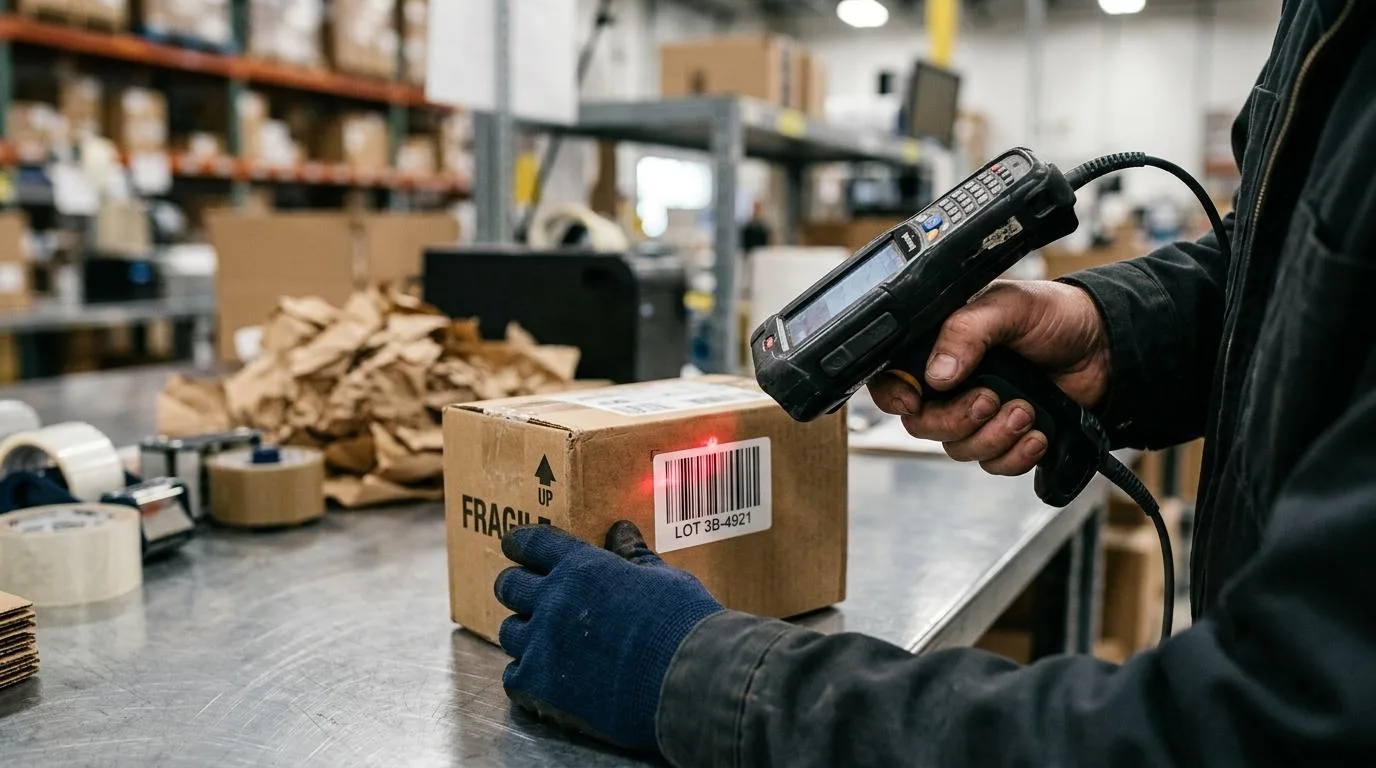
Integrating technology in literature fulfillment can streamline the process by automating inventory management, order processing, and shipping. Some benefits of technology integration include increased efficiency, reduced errors, and improved customer satisfaction. With the use of barcode scanning systems, inventory tracking becomes more precise, ensuring accurate stock levels and timely replenishment. Additionally, automation helps in speeding up order processing and shipping, leading to quicker delivery times for customers. By embracing technology in literature fulfillment, businesses can optimize their operations and provide a seamless experience for their clients.
Steps to Streamline Literature Fulfillment Processes
To streamline literature fulfillment processes, it’s crucial to first assess your current methods. Identify any bottlenecks or inefficiencies in your workflow. Utilize technology solutions like inventory management systems to keep track of your literature stock. Establish clear communication channels with your fulfillment team to ensure smooth operations. Create a systematic approach for order processing and shipping to expedite the fulfillment process. Regularly review and refine your procedures to optimize efficiency and meet customer demands effectively.
Quality Control and Customer Satisfaction
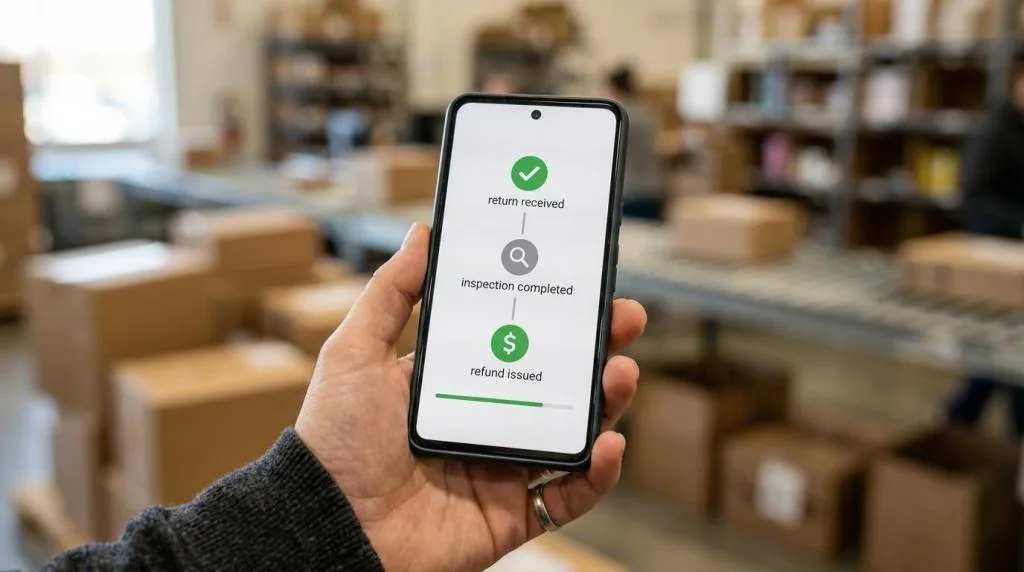
Quality control in literature fulfillment is essential to ensure customer satisfaction. To meet high standards, each order undergoes a thorough inspection process before shipment. This includes checking for accuracy, completeness, and proper packaging to avoid any errors or damages. By maintaining strict quality control, the fulfillment process runs smoothly, leading to increased customer satisfaction and repeat business.
Conclusion – Optimizing Your Literature Fulfillment Strategy
When optimizing your literature fulfillment strategy, prioritize streamlining the process to ensure efficient and timely delivery of materials to your audience. Use data analytics to track performance and make informed decisions. Regularly assess your strategy and make necessary adjustments to meet changing demands and trends in the market. In conclusion, by continuously refining your literature fulfillment approach, you can enhance customer satisfaction and drive success for your business.
In the heart of Silicon Valley’s dynamic e-commerce landscape, businesses face a myriad of hurdles when it comes to pack and ship operations. From managing inventory efficiently to ensuring timely deliveries, the journey of a product from the warehouse shelves to the customer’s doorstep is a complex dance of logistics and precision.
The Evolution of E-commerce Logistics
The rise of e-commerce has revolutionized the way goods are bought and sold, challenging traditional pack and ship processes. In the early days, order fulfillment was straightforward, but with the exponential growth of online shopping, the need for faster, more reliable shipping solutions has become paramount.
Technological advancements have played a significant role in shaping the evolution of logistics. Automation, artificial intelligence, and data analytics now power sophisticated pack and ship systems, optimizing warehouse operations and enhancing delivery accuracy.
To meet the escalating consumer expectations for rapid deliveries and seamless order tracking, companies are redefining their pack and ship strategies. Same-day deliveries, smart packaging solutions, and eco-friendly practices are becoming standard in the competitive e-commerce landscape.
Efficiency in Packaging Solutions
Packaging plays a crucial role in the e-commerce experience, impacting brand perception, product protection, and sustainability goals. Balancing the need for protective packaging with sustainable materials is a key challenge companies face in pack and ship operations.
Customized packaging solutions not only enhance the unboxing experience for customers but also reduce shipping costs and minimize environmental impact. By right-sizing packages and adopting innovative materials, businesses can optimize their pack and ship processes.
Implementing automated packaging technologies can further streamline operations, ensuring efficient order processing and minimizing errors. By integrating intelligent systems, companies can achieve higher productivity levels and meet the demand for faster order fulfillment.
In the quest for sustainable practices, companies are exploring biodegradable packaging options and eco-friendly shipping alternatives. From compostable mailers to corrugated cardboard made from recycled materials, embracing green packaging solutions is a growing trend in pack and ship logistics.
Innovative Shipping Strategies
Shipping logistics pose unique challenges in the fast-paced e-commerce environment, where customer expectations for quick deliveries are at an all-time high. To meet these demands, businesses are experimenting with innovative shipping strategies that prioritize speed and efficiency.
Crowdsourced delivery services, autonomous vehicles, and drone deliveries are revolutionizing the traditional pack and ship model, offering expedited shipping options and last-mile solutions. By leveraging cutting-edge technology, companies can unlock new levels of logistical agility and customer satisfaction.
Real-time shipment tracking, route optimization software, and AI-powered delivery systems are transforming the way products are transported and delivered to consumers. These advancements not only enhance operational efficiency but also provide end-to-end visibility into the pack and ship process.
As the e-commerce landscape continues to evolve, mastering innovative shipping strategies is essential for staying competitive in the market. By embracing digital transformation and adopting flexible shipping solutions, businesses can navigate the challenges of pack and ship in Silicon Valley’s bustling online ecosystem.
As pack and ship play a pivotal role in the success of e-commerce ventures, mastering the art of seamless logistics is crucial for businesses striving to thrive in Silicon Valley’s fast-paced online marketplace. By embracing innovation and efficient strategies, companies can streamline their operations and cater to the ever-growing demands of online shoppers.
When searching for a pack and ship provider in Silicon Valley, one of the key aspects to consider is the variety of services they offer. A reliable provider should offer comprehensive packing services to ensure the safe transportation of your items. Look for a provider that can handle different types of shipments, including fragile or high-value items. Additionally, it’s beneficial to choose a company that provides tracking services so you can monitor your shipment’s progress.
Moreover, a reputable pack and ship provider should offer insurance options to protect your items in case of unforeseen events during transit. The ability to customize services based on your specific needs is also crucial. Whether you require international shipping, expedited services, or special handling, a provider with a diverse range of services can cater to various shipping requirements effectively.
In Silicon Valley, where businesses often have unique shipping demands, a pack and ship provider that goes the extra mile by offering additional services like notary, mailbox rental, or even freight shipping can add significant value. Prioritize choosing a provider that streamlines the shipping process and provides all-inclusive solutions to simplify your shipping experience.
2. Packaging Quality
Packaging quality is a critical factor to evaluate when selecting a pack and ship provider in Silicon Valley. Opt for a provider that uses high-quality packaging materials to ensure that your items are protected during transit. Proper packaging not only safeguards your items from damage but also reflects the professionalism and care of the shipping company.
Look for a provider that follows industry best practices in packaging, such as cushioning fragile items, using appropriate box sizes, and securing packages properly. The right pack and ship provider will understand the importance of tailored packaging solutions for different items and will take the time to package your items securely for safe delivery.
Furthermore, a reliable pack and ship provider should offer packaging customization options to meet your unique needs. Whether you’re shipping artwork, electronics, or delicate items, the provider should have the expertise to recommend and implement the most suitable packaging solutions to protect your items throughout the shipping process.
3. Shipping Options
When choosing a pack and ship provider in Silicon Valley, it’s essential to assess the range of shipping options they offer. A diverse selection of shipping options allows you to choose the most cost-effective and efficient method for your specific shipment. Whether you require standard shipping, express delivery, or freight services, a provider with versatile shipping options can cater to your diverse needs.
Consider factors such as shipping speed, cost, and reliability when evaluating the shipping options provided by a pack and ship company. The ability to track shipments in real-time and receive delivery notifications can also enhance your shipping experience. By selecting a provider that offers a variety of shipping options, you can ensure that your items are delivered on time and in optimal condition.
Moreover, look for a pack and ship provider that has partnerships with reputable shipping carriers to expand the range of shipping services available to you. Collaborations with major carriers can offer you more flexibility in choosing the right shipping method based on your budget and delivery timeline. Prioritize providers that have a strong network of shipping partners for reliable and efficient deliveries.
4. Customer Reviews and Reputation
A crucial aspect to consider when selecting a pack and ship provider in Silicon Valley is their customer reviews and reputation. Take the time to research online reviews and testimonials from previous customers to gauge the provider’s service quality and reliability. Positive reviews that highlight excellent customer service, timely deliveries, and careful handling of items are indicators of a trustworthy pack and ship company.
Additionally, consider the overall reputation of the provider within the community and industry. A pack and ship company with a strong reputation for integrity, transparency, and professionalism is more likely to deliver on its promises and provide exceptional service. Referrals from businesses or individuals who have had positive experiences with the provider can also help you assess their credibility and performance.
In Silicon Valley, where word-of-mouth recommendations and reviews play a significant role in shaping business perceptions, choosing a pack and ship provider with a stellar reputation can give you peace of mind. Prioritize providers with a track record of reliability and customer satisfaction to ensure a smooth and successful shipping experience for your valuable items.
A fulfillment center plays a vital role in the logistics of e-commerce, managing the storage, packing, and shipping processes. If you’re curious about what a fulfillment center is and how it operates, you’ve come to the right place. This guide will break everything down in a friendly and straightforward manner, making it easy to grasp the essentials.
What Is a Fulfillment Center?
A fulfillment center is a specialized facility designed to help businesses manage their inventory and order processing. This includes storing products, packing orders, and shipping them directly to customers. Essentially, it’s a logistics hub that streamlines the entire process of delivering goods.
They are the backbone of e-commerce. Without these centers, businesses would struggle to keep up with demand, manage inventory efficiently, and ensure timely deliveries. They play a crucial role, especially for online retailers who may not have the resources to handle logistics in-house.
In essence, they bridge the gap between the business and the consumer, ensuring that products are delivered seamlessly. They house various technologies and systems that monitor stock levels and sales, which allows for quick and accurate fulfillment of orders.
How Do Fulfillment Centers Operate?
The operations can be broken down into several key steps that ensure efficiency. Each step is designed to optimize the overall process, beginning with inventory management. When products arrive at the fulfillment center, they’re scanned and stored in a systematic way, allowing for easy retrieval.
Once an order is placed, they pull the relevant items from their inventory. Using sophisticated technology, these centers can rapidly locate and pick items, often utilizing robotics to enhance speed. After picking, items are packed together, ensuring they adhere to specific shipping requirements.
The final step involves shipping the orders out to customers, where partnerships with various courier services ensure timely delivery. Automation and data analysis play a huge role in this process.
Regular monitoring and refining of these processes enable fulfillment centers to maintain efficiency and adapt to fluctuations in demand. Through constant iteration and improvement, they can meet the evolving needs of their business customers.
Benefits of Using a Fulfillment Center
Utilizing a fulfillment center offers numerous benefits that can enhance a business’s overall performance. Primarily, it allows businesses to focus on core activities like product development and marketing, leaving the logistics to experts in the field.
Cost-effectiveness is another significant benefit. Instead of investing heavily in warehouse space and logistics personnel, businesses can leverage fulfillment centers that offer scale and economies of operation. This not only reduces expenses but also minimizes overhead.
Moreover, they enhance the speed of shipping. By strategically placing facilities in various geographic locations, they can reduce transit times, ensuring products reach customers faster and, importantly, improving customer satisfaction.
Lastly, many fulfillment centers provide robust analytics tools that help businesses track sales and inventory patterns. This data is invaluable for making informed decisions and optimizing future operations.
Factors to Consider
Choosing the right fulfillment center is critical for the success of any e-commerce business. One of the primary factors to consider is geographic location. A well-located fulfillment center can greatly reduce shipping times and costs, significantly impacting customer satisfaction.
Another important aspect is the technology and systems a fulfillment center has in place. Advanced inventory management systems can streamline processes and help you track products more efficiently.
Additionally, consider the center’s scalability. As your business grows, your fulfillment needs will evolve, and a center that can adapt to increased volume, complexity, and different product lines is invaluable.
Lastly, evaluate their customer service capabilities. Open communication channels can mean the difference between hiccups in order processing and smooth operations.
Common Misconceptions
There are several misconceptions surrounding fulfillment centers that can cloud understanding. One common myth is that they are only suitable for large businesses. In reality, they cater to businesses of all sizes, providing tailored solutions that adapt to specific needs.
Another misconception is that using a fulfillment center is overly complex. While it may seem daunting at first, with the right partner, the process can be seamless. Fulfillment centers are designed to integrate smoothly with e-commerce platforms, making operations much simpler.
Additionally, some believe that using a fulfillment center limits control over shipping methods or customer experience. On the contrary, many fulfillment centers allow businesses to customize shipping options, enabling them to maintain the level of service they desire.
The final misconception relates to costs. Many assume that outsourcing fulfillment is more expensive, but when factoring in the potential savings on manpower and logistics, it can actually be quite economical.
Key Takeaways
Fulfillment centers are pivotal in ensuring that products reach customers efficiently and effectively. By understanding how these centers operate, businesses can optimize their supply chains and enhance customer satisfaction. Whether you’re a business owner or just curious, knowing the ins and outs of is beneficial.