JIT Printing for eCommerce: 2026 Lean Fulfillment Guide
The most expensive marketing collateral you’ll ever buy isn’t the high-end brochure; it’s the stack of 5,000 obsolete flyers gathering dust in a warehouse corner because your product specs changed last week. For brands scaling in 2026, the traditional model of bulk printing is a liability that drains capital and stifles agility. Implementing just-in-time printing for ecommerce transforms this static burden into a dynamic asset. By producing only what you need exactly when an order is placed, you’re not just saving on storage fees. You’re gaining the ability to pivot your messaging in real-time.
You likely already feel the pressure of rising postage rates and the constant demand for more authentic customer connections. We understand that the disconnect between a high-tech storefront and a generic packing slip is a missed opportunity for growth. This guide promises to show you how to eliminate print waste while delivering hyper-personalized experiences at scale. We will examine the technical shift from bulk offset to on-demand digital production and how this integration creates a leaner, more responsive fulfillment cycle.
Key Takeaways
- Identify the hidden costs of bulk inventory and how a lean production model protects your capital from obsolescence.
- Review the technical benchmarks for digital print quality, including the advantages of liquid ink and high-resolution line screens.
- Leverage Variable Data Printing (VDP) to personalize every shipment and increase customer lifetime value without increasing production time.
- Integrate just-in-time printing for ecommerce into your existing 3PL workflow using automated Web Services and API triggers.
- Monitor your entire production and fulfillment cycle with 24/7 visibility through proprietary remote control systems.
The Shift to Just-In-Time Printing for eCommerce Fulfillment
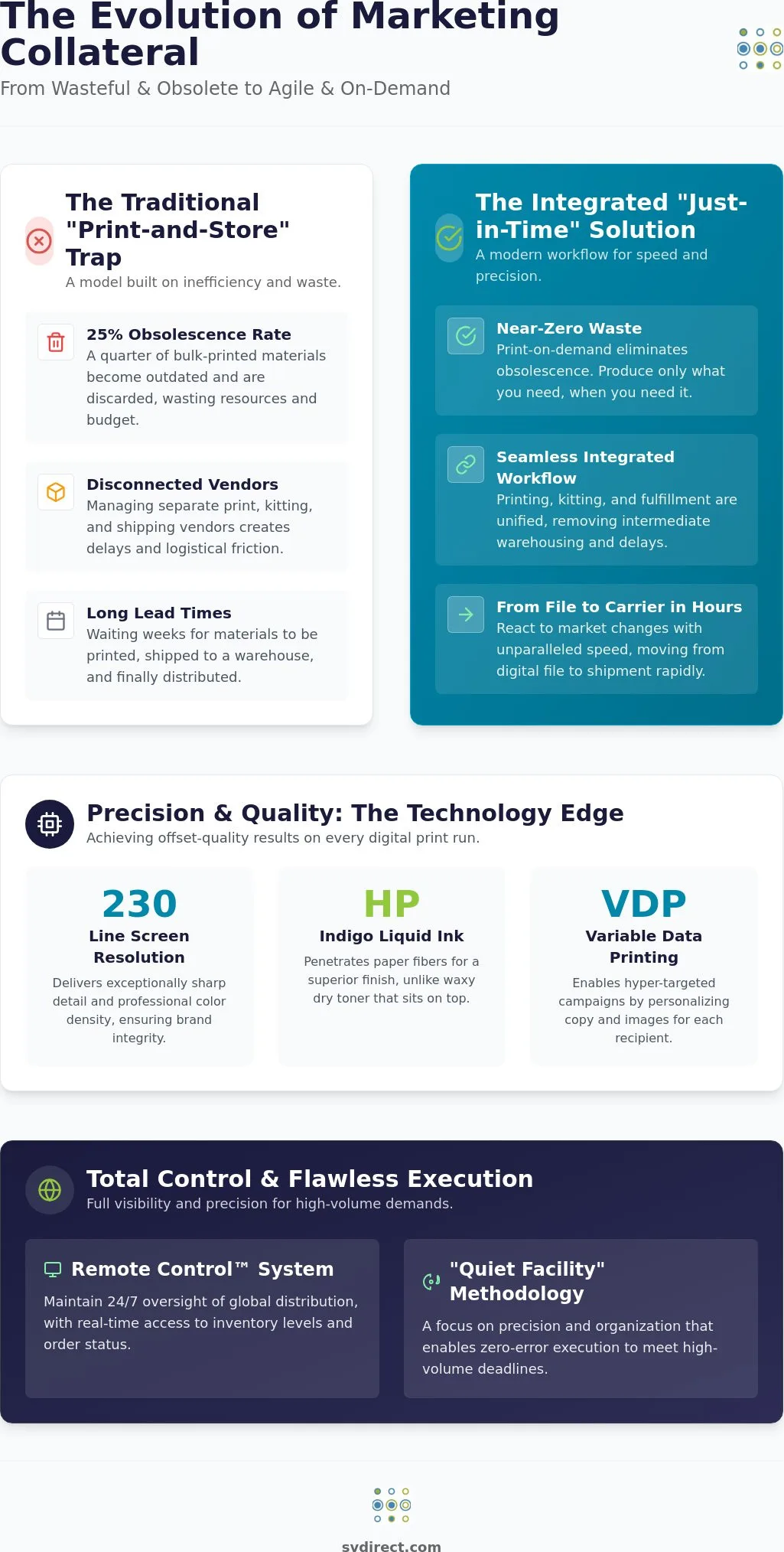
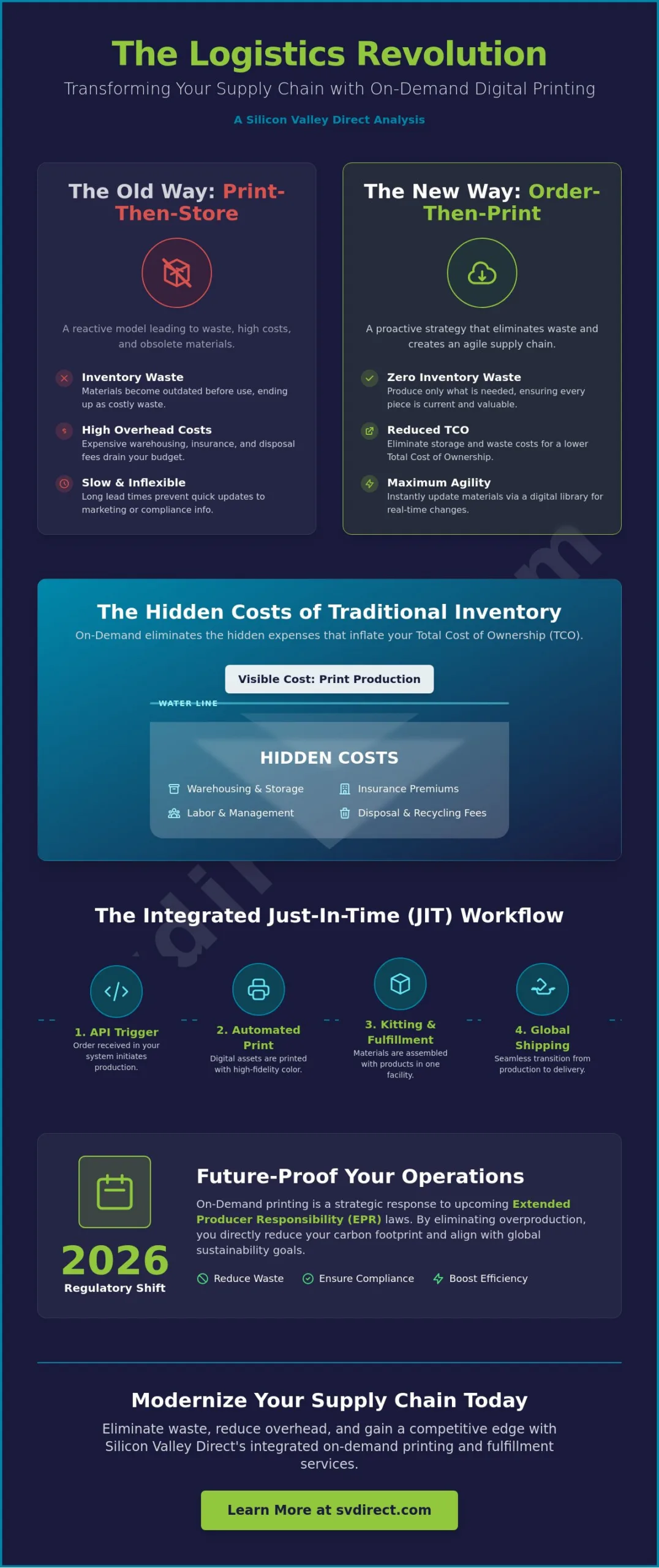
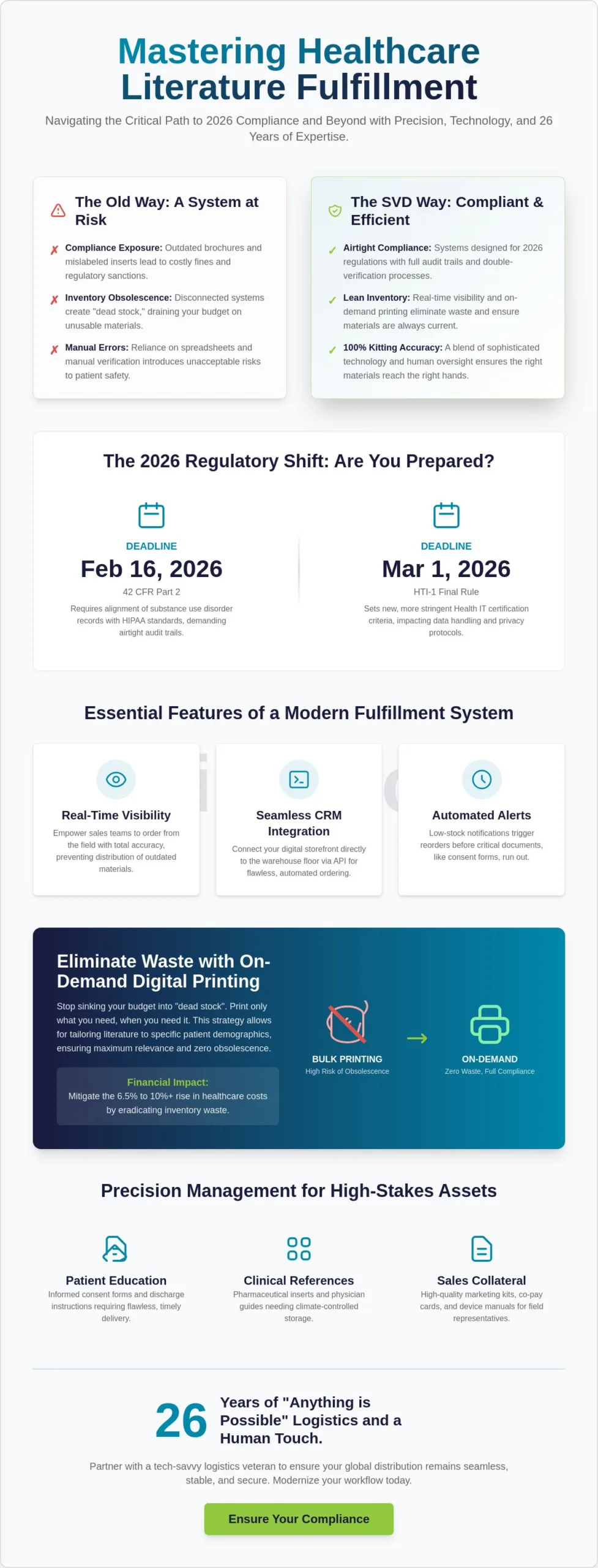
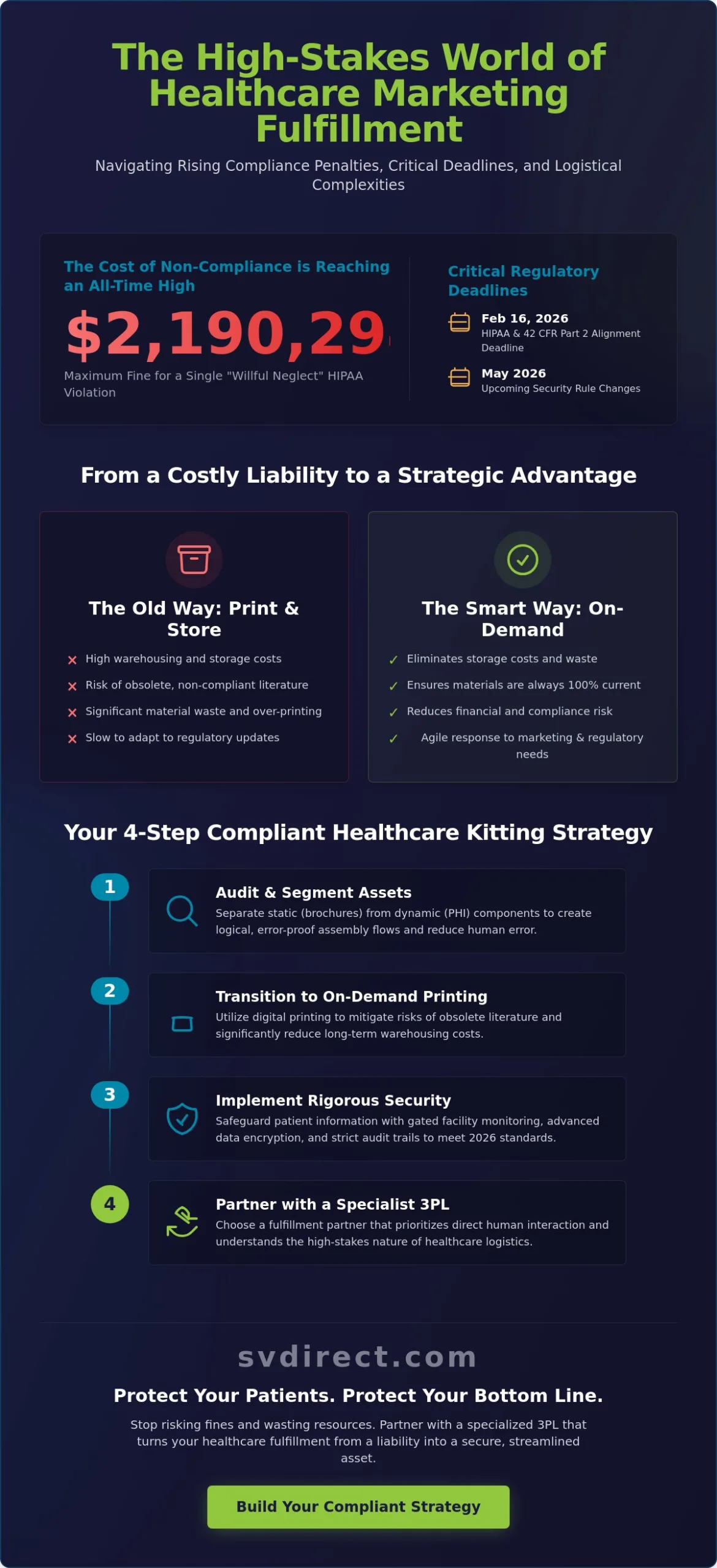
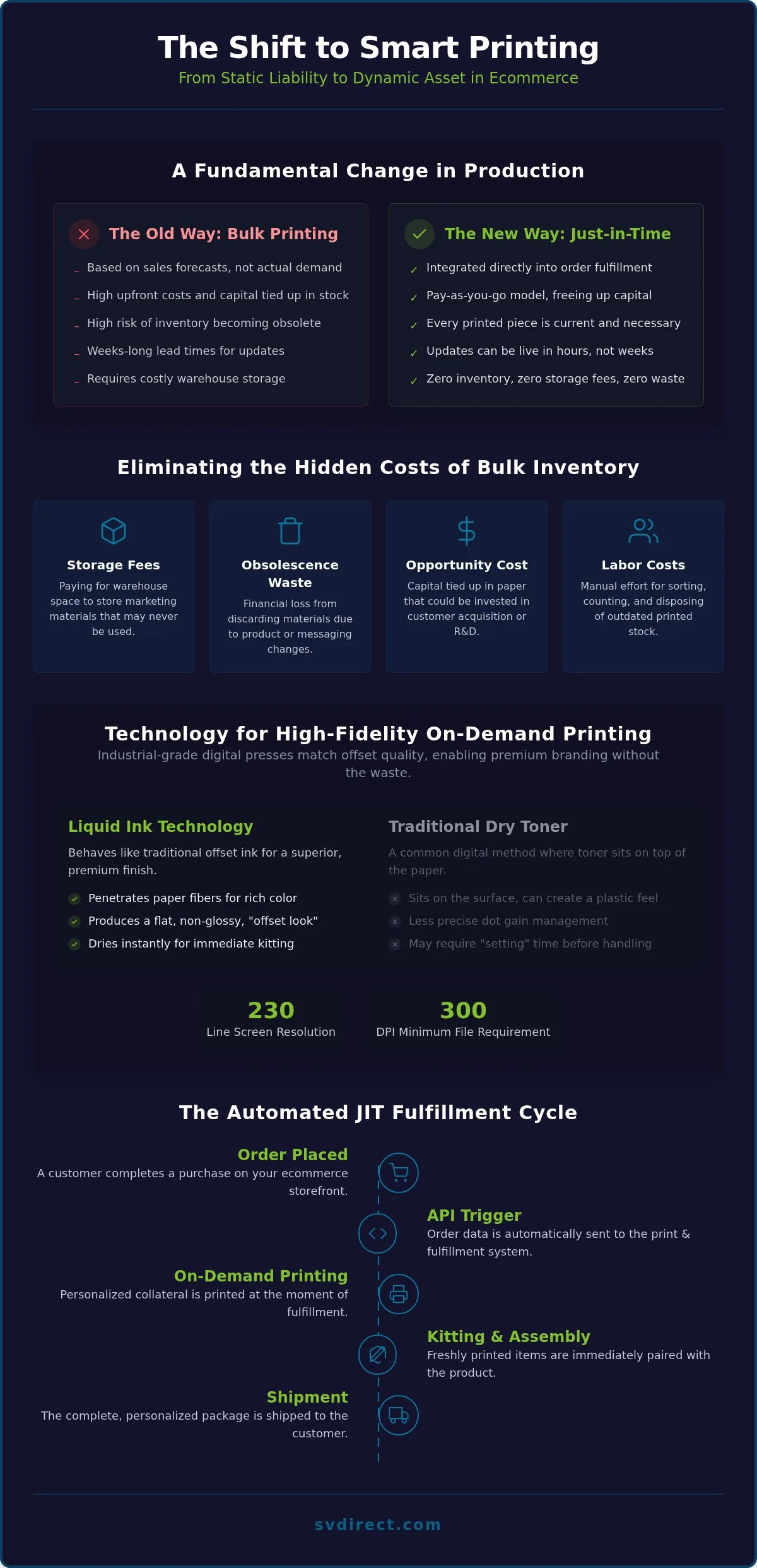
Just-in-time printing for ecommerce represents a fundamental departure from the “print and store” models of the past. Instead of ordering thousands of marketing inserts or manuals based on sales forecasts, digital production is integrated directly into the order fulfillment process. This approach draws heavily from the Just-in-time (JIT) manufacturing philosophy, where materials are produced only as they’re needed to meet actual demand. By aligning print production with real-time order data, brands eliminate the friction between their digital storefronts and their physical shipments.
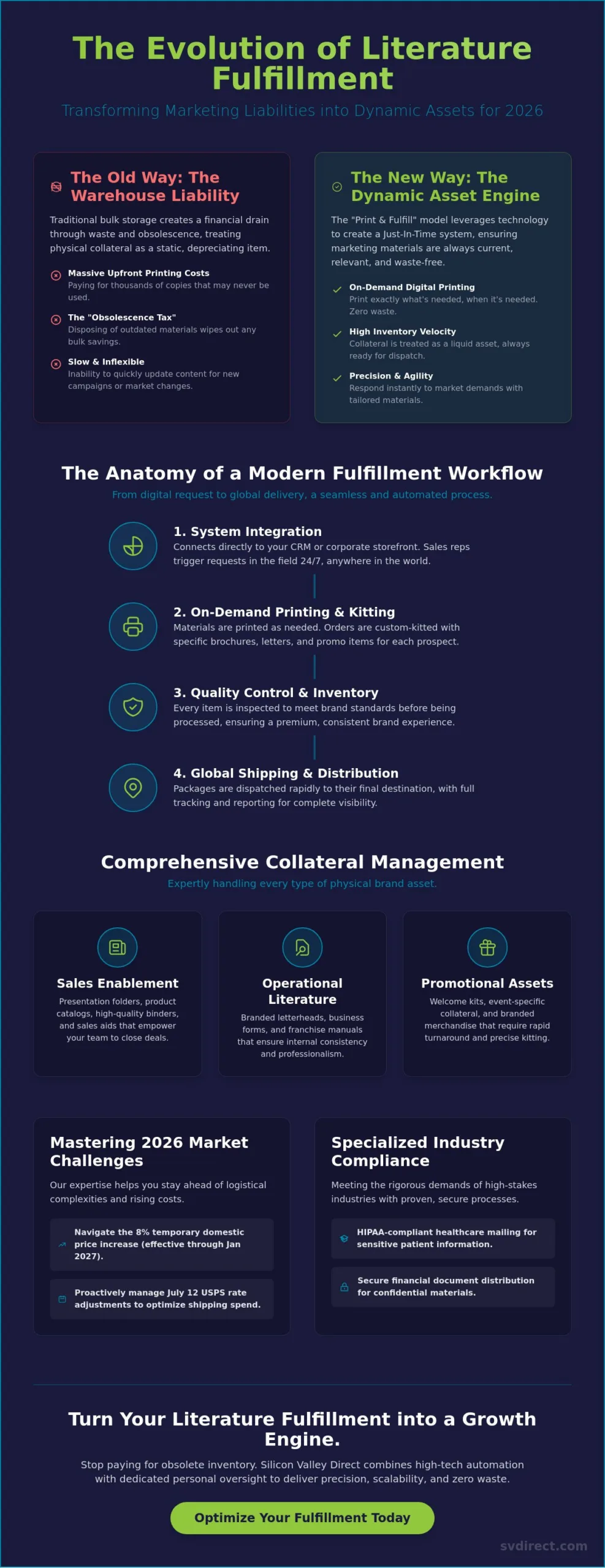
The traditional model of bulk offset printing relies on high volumes to drive down unit costs. However, this creates a hidden “discard cycle” that often costs more than the initial savings. eCommerce brands in 2026 are realizing that physical inventory is a stagnant asset. When marketing strategies change every quarter, bulk runs become liabilities. JIT printing solves this by ensuring that every piece of paper leaving the facility is current, accurate, and necessary.
Eliminating Inventory Obsolescence
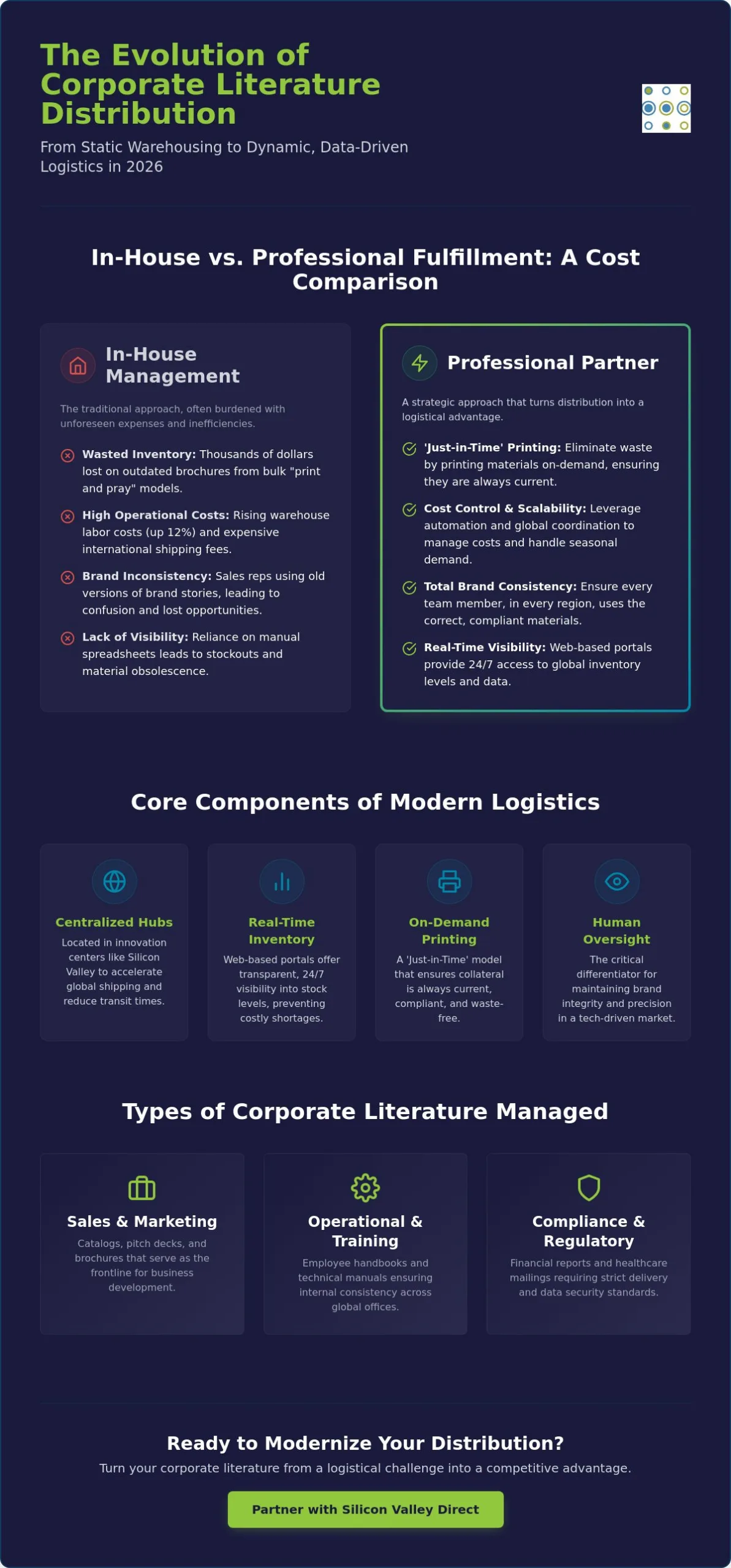
Print inventory obsolescence is the financial loss incurred when pre-printed materials become inaccurate or irrelevant before they ever reach a customer. This is the primary driver for JIT adoption. In a market where product specifications or legal requirements change rapidly, holding six months of pre-printed stock is a high-risk strategy. The costs extend beyond the paper itself. You must also account for:
- Storage fees: Paying for warehouse rack space for months at a time.
- Labor costs: The physical effort of sorting, counting, and eventually disposing of outdated stock.
- Opportunity cost: Capital tied up in paper that could be invested in customer acquisition.
Transitioning to a print-on-demand model removes these burdens entirely. The ROI is found in the capital freed from stagnant inventory and the total elimination of disposal waste.
Agility in a Fast-Paced Market
Traditional offset printing often demands lead times of several weeks for high-quality marketing collateral. In contrast, just-in-time printing for ecommerce reduces that window to mere hours. When your print production lives inside your fulfillment center, an updated PDF file can be live in your next shipment by the afternoon. This speed allows brands to respond to market trends or customer feedback with surgical precision. It also provides a significant boost to working capital. Instead of tying up thousands of dollars in paper that sits on a shelf, businesses pay for production as sales occur. This shift supports a leaner 3PL fulfillment strategy, allowing high-growth companies to scale without the anchor of physical overstock.
The Technology Behind High-Fidelity JIT Digital Printing
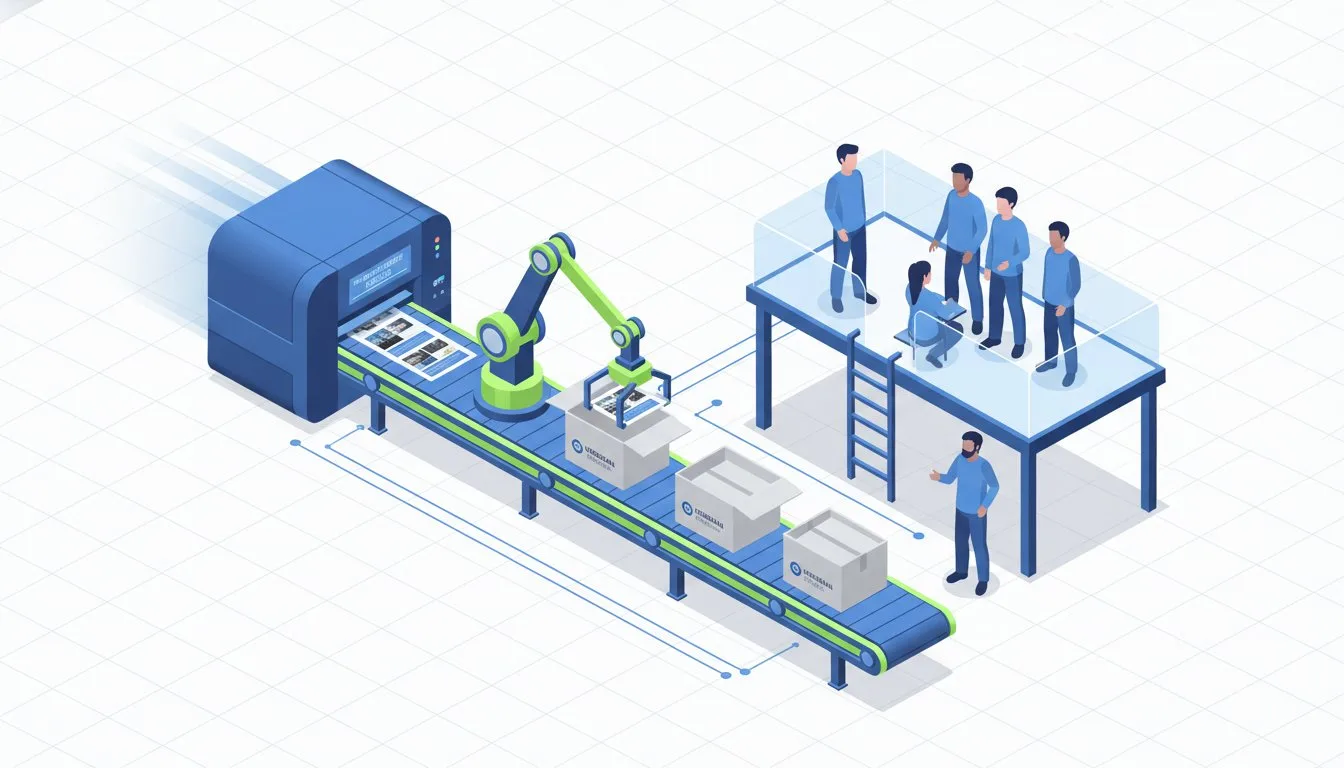
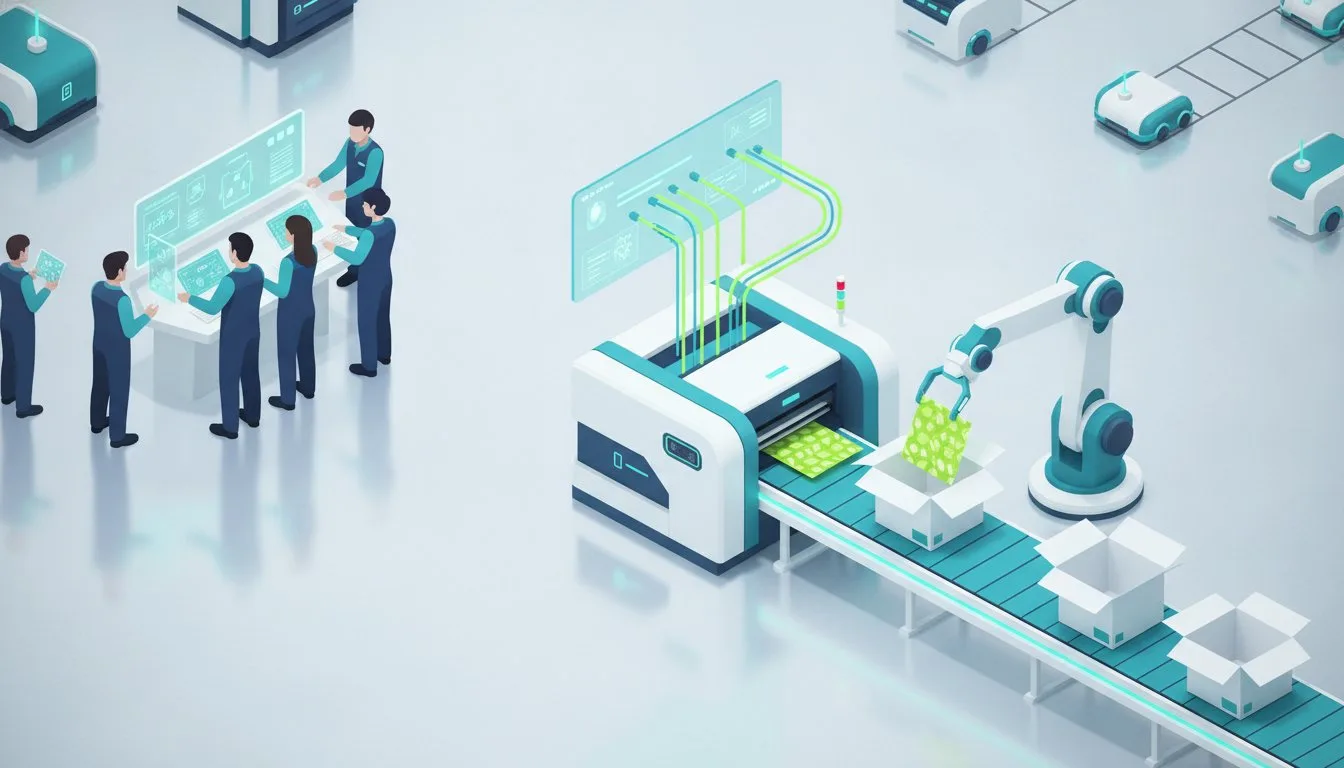
While many fulfillment centers rely on basic thermal labels or desktop inkjets, true just-in-time printing for ecommerce requires industrial-grade digital presses. Our facility utilizes the HP Indigo 5500 Digital Press to bridge the gap between digital flexibility and traditional quality. This isn’t just about speed; it’s about matching the aesthetic standards of offset printing while maintaining a lean, on-demand workflow. By utilizing liquid ink instead of dry toner, we ensure that every marketing insert or product manual reflects the premium nature of your brand.
Liquid Ink vs. Traditional Toner
Most digital printers use dry toner, which essentially sits on top of the paper fibers. Liquid ink technology behaves differently. It penetrates the substrate to provide superior color control and precise dot gain management. This results in a “flat” finish that looks and feels like high-end offset printing, without the expensive plate setups. Because the ink is dry the moment it leaves the press, sheets move immediately into kitting and assembly. This immediate handling is a cornerstone of our same-day fulfillment capabilities, as there’s no need to wait for ink to “set” before the next stage of the process.
High-Resolution Standards for Modern Brands
Professional marketing materials require a level of clarity that standard office equipment simply can’t produce. We utilize a 230 line screen resolution as the benchmark for all high-fidelity output. This high-density color control ensures that detailed imagery, fine gradients, and small text remain crisp and legible. To maintain these results, we require that all brand assets are provided as 300 dpi files. Anything lower risks pixelation that can undermine the premium feel of your packaging inserts. This technical precision ensures your brand identity stays consistent across every single order, regardless of the run size.
Efficiency in a high-volume 3PL environment also depends on single-pass duplex printing. This technology allows us to print both sides of a sheet simultaneously. It cuts production time in half while ensuring perfect alignment for double-sided brochures or complex instruction manuals. This mechanical precision allows us to operate as a seamless extension of your company, delivering high-quality materials at the pace of modern commerce. If you’re ready to upgrade your unboxing experience with professional-grade materials, you can request a free quote to see how our technology integrates with your current workflow.
Variable Data Printing: The Key to Personalized eCommerce
Variable Data Printing (VDP) represents the tactical edge of just-in-time printing for ecommerce. While traditional methods require identical copies to remain cost-effective, VDP allows for the customization of every individual sheet within a single print run. This means you can change names, images, or unique discount codes on every packing slip or insert without stopping the press. It bridges the gap between mass production and bespoke craftsmanship, ensuring that your physical touchpoints are as data-driven as your email campaigns.
The psychological impact of a personalized insert is profound. When a customer opens a package and finds a thank-you note addressing them by name, or a QR code leading to a specialized landing page based on their purchase history, it builds immediate brand affinity. This level of attention directly influences customer retention and lifetime value (LTV). Most brands assume this level of customization is prohibitively expensive. In a modern digital workflow, however, VDP costs not much more than static printing. By eliminating the need for separate runs and manual sorting, we integrate these high-impact elements directly into the automated fulfillment flow.
Common use cases for this technology include:
- Personalized thank-you notes: Addressing the customer by name and referencing their specific purchase.
- Custom QR codes: Directing users to assembly videos, review pages, or loyalty program sign-ups.
- Targeted cross-sell offers: Recommending accessories or related products based on the items in the current order.
Personalized Direct Mail and Presentations
Beyond packaging inserts, VDP is a powerhouse for Direct Mail Marketing Services. You can leverage customer data to drive unique copy and imagery on every piece of mail, ensuring that your message resonates with the recipient’s specific interests. This capability is equally valuable for presentation printing and healthcare mailing services, where accuracy and personalization are non-negotiable. By treating every printed page as a dynamic data field, we transform generic collateral into a targeted communication tool that feels personal rather than promotional. This proactive approach ensures we act as an extension of your company, delivering materials that reflect your brand’s commitment to quality.
Increasing Response Rates with Targeted Messaging
There’s a direct relationship between personalization and response rates. Targeted messaging cuts through the noise of generic marketing, making the recipient feel seen and valued. JIT printing allows you to test different offers or creative directions in real-time without the risk of committing to a massive bulk run. If a specific cross-sell offer isn’t performing, you can update the file and have the new version in production within hours. Essentially, VDP allows for one-to-one marketing at the speed of eCommerce. This agility ensures that your marketing budget is always working toward the highest possible ROI while maintaining a zero-waste inventory model. By producing only what’s needed, we help you maintain a lean supply chain that’s ready for rapid growth.
Integrating JIT Printing into Your 3PL Workflow
Integrating just-in-time printing for ecommerce into a 3PL workflow requires a methodical approach that prioritizes data integrity. The bridge between a digital order and a physical shipment is built on precise technical integration. For this model to function at scale, the print queue must be an automated extension of the pick-and-pack workflow. This isn’t a manual process where staff upload files every morning. Instead, it relies on a programmatic connection that triggers production the moment an order is cleared for fulfillment.
The Role of Web Services and API Integration
We establish this connection using XML and SOAP protocols through our Web Services. This digital handshake allows your ecommerce platform to communicate directly with our print systems. By automating the data flow, we eliminate the risks associated with manual entry, which is vital when handling personalized variable data. Every name, unique QR code, or custom offer is pulled directly from the order source. This ensures that the high-fidelity output matches the customer’s data with absolute precision. You can monitor this entire process through our Remote Order Management system, giving you 24/7 visibility into your production queue.
Kitting, Assembly, and QC-Check
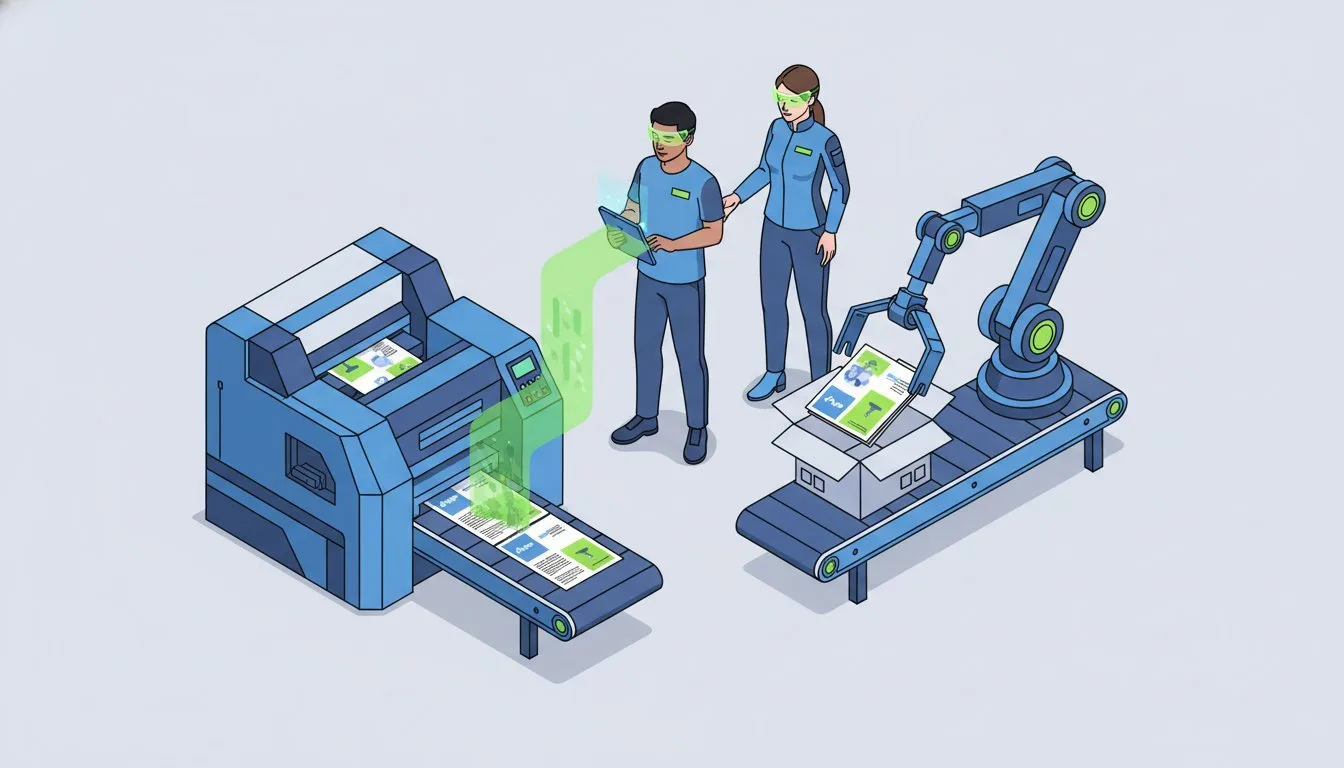
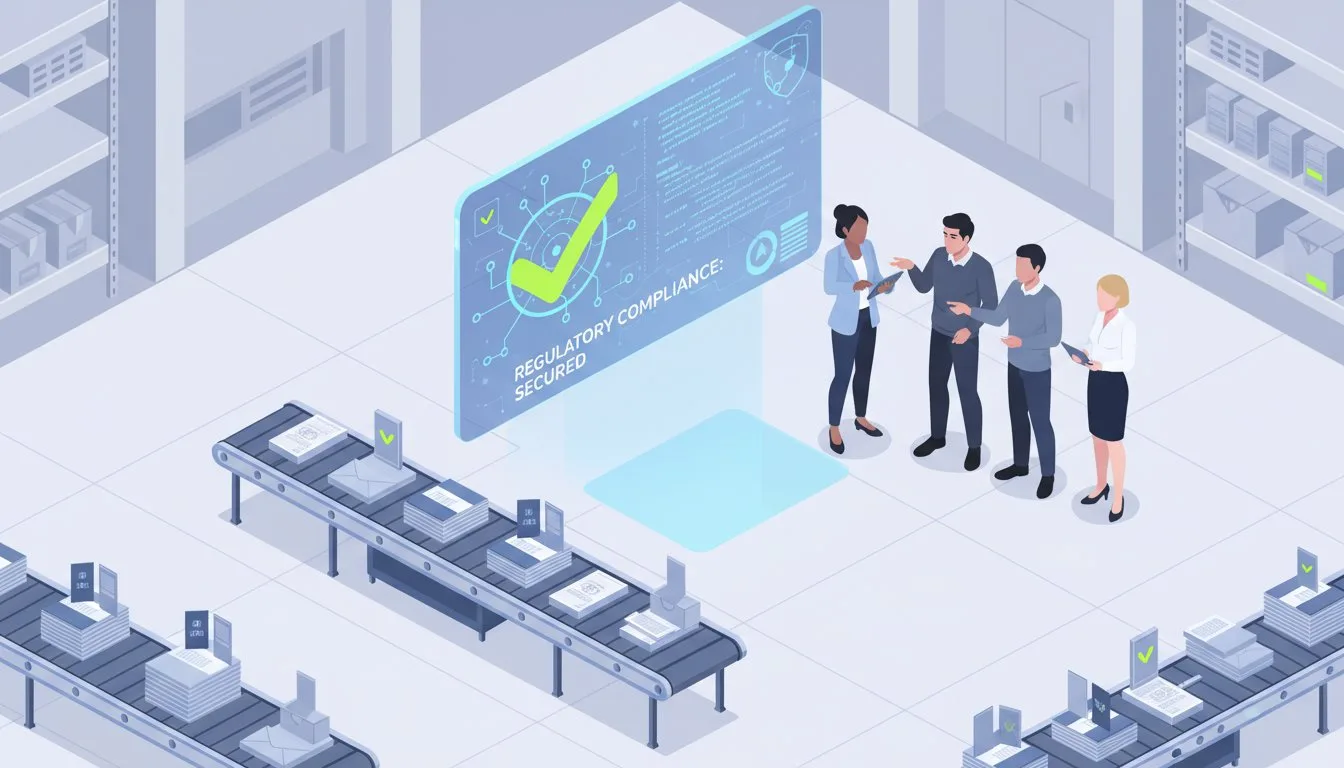
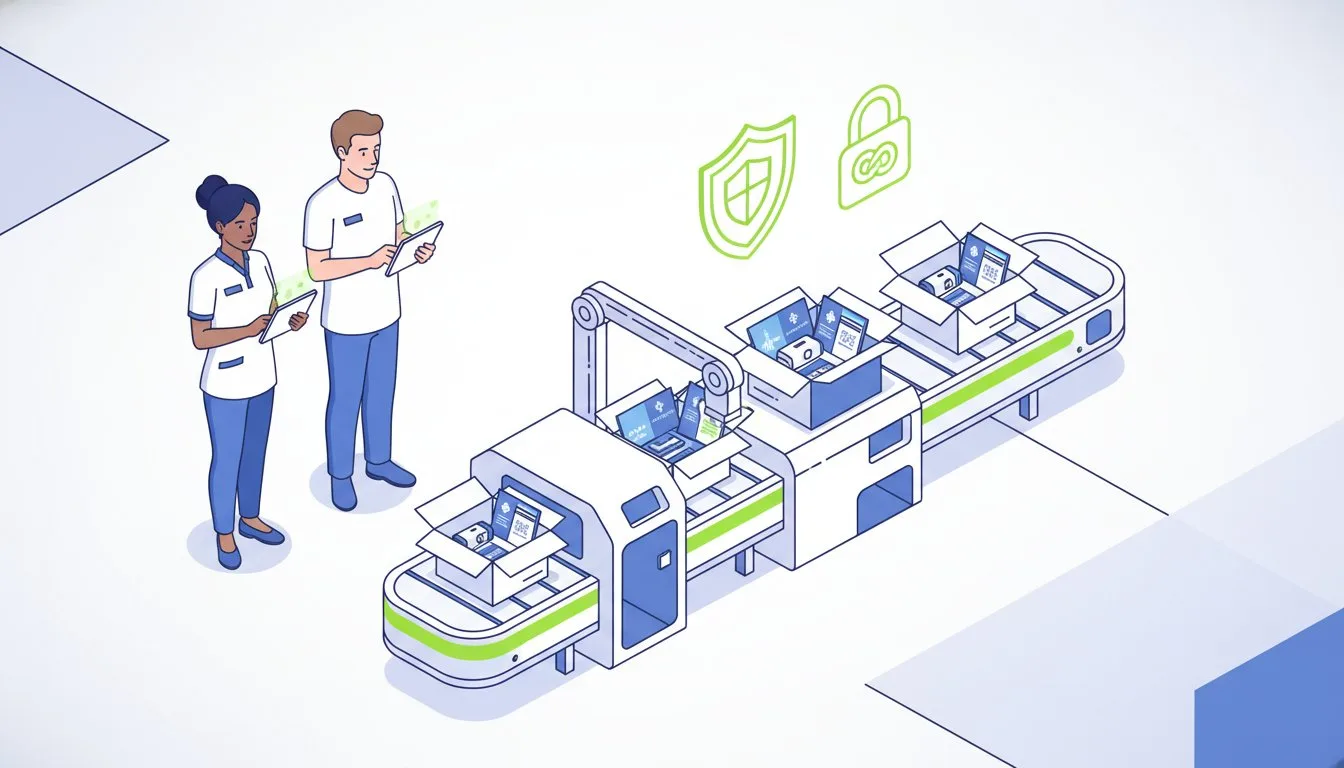
Once the materials are printed, they move into the physical assembly phase. This is where just-in-time printing for ecommerce becomes an integral part of Kitting and Assembly Services. For subscription boxes or complex product bundles, the printed collateral must be merged with the correct physical items. We use a proactive QC-Check process to verify that variable data materials are paired with the right recipient. This human oversight ensures that a personalized insert for one customer doesn’t end up in another’s box. Our quiet facility methodology supports this focus, allowing our team to maintain high accuracy rates even during high-volume periods.
Real-time reporting serves as the final step in this integrated workflow. Our proprietary Remote Control system provides over 120 standard reports, allowing you to track inventory levels, order status, and print production in real-time. This level of transparency transforms the fulfillment center from a black box into a manageable part of your business operations. By combining high-resolution digital technology with robust software integration, we provide a stable platform for your brand’s growth.
Scalable Success with Silicon Valley Direct’s Print Solutions
Silicon Valley Direct positions itself as more than a service provider; we operate as a dedicated extension of your company. Success in just-in-time printing for ecommerce depends on transparency and control. Our proprietary “Remote Control” system provides this by offering 24/7 visibility into every facet of your print and fulfillment operations. With access to over 120 standard reports, you’re never left guessing about inventory levels or order status. This data-driven approach ensures that as your brand scales, your logistics infrastructure remains stable and responsive.
Accuracy is the cornerstone of our operational philosophy. We utilize a “Quiet Facility” methodology, which creates a focused environment designed to minimize errors. In high-volume JIT environments, where variable data and complex kitting are the norms, this deliberate atmosphere is essential. It allows our team to maintain precision even when processing thousands of unique shipments. By prioritizing human oversight and a methodical pace, we ensure that every personalized insert reaches the correct destination, protecting your brand’s reputation with every delivery.
Proactive Problem Solving in Fulfillment
A true partnership requires more than just following instructions; it requires anticipating project conflicts before they impact your deadlines. Unlike a cookie-cutter vendor, we take a proactive stance on problem-solving. Whether it’s identifying a file resolution issue or managing a sudden surge in order volume, our team is trained to provide bespoke solutions. We’ve demonstrated this capability by handling thousands of complex shipments in a single week for high-growth clients, ensuring that every kit was assembled accurately and shipped on time. This commitment is captured in our Nine Promises of service, which anchor our role as a steady hand in the fast-paced ecommerce industry.
Eco-Friendly and Sustainable Printing
Transitioning to just-in-time printing for ecommerce is a significant step toward a more sustainable business model. Traditional offset methods involve films, plates, and harsh chemicals that are entirely eliminated in our digital workflow. By producing only what’s needed, you’re naturally reducing paper waste and the carbon footprint associated with storing obsolete materials. We support these efforts by offering FSC-certified substrates and options for 30% recycled content. Our commitment to the environment extends to our hardware recovery partnerships and responsible disposal practices. Aligning with these sustainable logistics practices helps your brand meet the growing consumer demand for eco-conscious operations without sacrificing the quality of your on-demand digital printing.
Future-Proofing Your eCommerce Fulfillment
Adopting just-in-time printing for ecommerce is no longer just a cost-saving measure; it’s a strategic necessity for brands aiming to thrive in 2026. By shifting from static bulk runs to high-fidelity digital production, you eliminate the financial burden of obsolete inventory while gaining the power of hyper-personalization. Our HP Indigo 5500 technology ensures every insert meets offset-quality standards, while the proprietary Remote Control™ system provides the 24/7 visibility required to manage a global supply chain with confidence. This integration allows you to respond to market shifts with surgical precision.
With over 25 years of fulfillment expertise, we understand that your physical touchpoints are vital brand assets. Moving to a lean, on-demand model allows you to pivot your marketing strategy in hours rather than weeks. This level of agility, backed by human oversight and technical precision, transforms your fulfillment center into a proactive growth engine. We’re ready to act as a steady, reliable extension of your team as you scale to new heights. Let’s work together to build a more efficient, waste-free future for your brand.
Frequently Asked Questions
How does digital JIT printing quality compare to traditional offset printing?
Digital JIT printing using liquid ink technology provides results that are virtually indistinguishable from traditional offset printing. By utilizing the HP Indigo 5500 Digital Press, brands achieve a 230 line screen resolution, which is the industry benchmark for high-fidelity marketing materials. This technology eliminates the graininess often associated with dry toner systems. It ensures that fine gradients and detailed product imagery remain crisp, providing professional-grade results for every shipment without the need for large bulk runs.
Is variable data printing (VDP) significantly more expensive than static printing?
Variable data printing (VDP) costs not much more than static printing when integrated into a modern digital workflow. Because the process is entirely programmatic, there are no additional plate charges or setup fees for changing individual data fields. This makes it financially viable to personalize every packing slip or insert with unique customer names and targeted offers. Brands can leverage this technology to increase customer lifetime value while maintaining the same-day speed required for high-volume ecommerce operations.
How quickly can prints be handled after they leave the digital press?
Prints can be handled immediately after they leave the digital press because the ink is dry the moment the sheet is produced. This dry-ink handling capability is a critical component of just-in-time printing for ecommerce. It allows printed materials to move straight from the press to the kitting and assembly line without any waiting period for setting or curing. This seamless transition is what enables our facility to maintain same-day fulfillment even for highly customized orders.
What is the recommended file resolution for just-in-time digital printing?
The recommended file resolution for high-resolution digital printing is 300 dpi at the final output size. Providing assets at this specification ensures that the 230 line screen resolution of the digital press can reproduce imagery with maximum clarity. Files with lower resolutions often result in pixelation or blurry text, which can undermine the premium perception of your brand. Maintaining this technical standard is essential for producing professional marketing inserts that match the quality of your physical products.
Can JIT printing be used for personalized direct mail campaigns?
Just-in-time printing for ecommerce is an ideal solution for personalized direct mail campaigns and targeted marketing inserts. By utilizing customer data, brands can produce unique mailers that feature personalized copy, specific product recommendations, and custom QR codes. This approach significantly increases response rates compared to generic bulk mailings. Since the production is on-demand, you can test different creative versions in small batches to identify which messaging drives the highest return on investment for your brand.
How does JIT printing integrate with my existing eCommerce store?
Integration occurs through a programmatic connection using Web Services and APIs, typically utilizing XML or SOAP protocols. This digital handshake allows your ecommerce platform to trigger print jobs automatically as soon as an order is cleared for fulfillment. The system pulls the necessary data directly from the order source, ensuring that personalized elements are accurate. This automation removes the need for manual file transfers, allowing the print queue to function as a seamless extension of your existing storefront.
What types of materials can be produced using just-in-time printing?
A wide range of high-fidelity materials can be produced, including marketing inserts, product manuals, brochures, and personalized thank-you notes. The digital press handles various substrates, from standard paper stocks to premium heavy-weight materials and FSC-certified options. This flexibility allows brands to create comprehensive unboxing experiences that include everything from assembly instructions to targeted cross-sell catalogs. Each piece is printed on-demand to match the specific items included in the customer’s order, ensuring total relevance.
Does JIT printing help with sustainability goals for eCommerce brands?
JIT printing directly supports sustainability goals by eliminating the waste associated with obsolete pre-printed inventory. Traditional printing often results in thousands of discarded sheets when product specs or branding change; however, the digital model produces only what’s needed. Additionally, the process removes the need for the films, plates, and toxic chemicals used in offset production. Brands can further enhance their eco-friendly profile by choosing recycled substrates and partnering with facilities that prioritize responsible hardware recovery and waste management.