img not found!
The Strategic Guide to Secure Warehousing Services in 2026

The Strategic Guide to Secure Warehousing Services in 2026

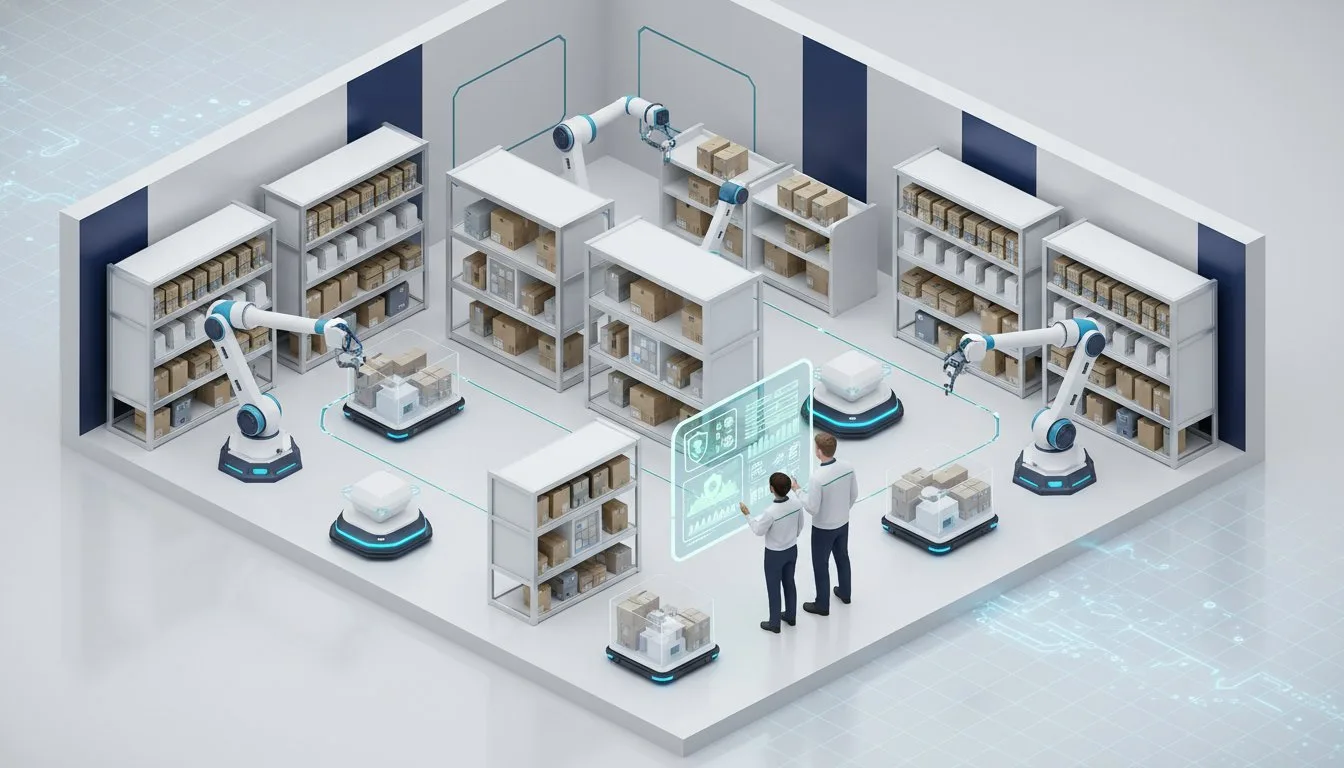
Did you know that in the first quarter of 2026 alone, recorded supply chain crimes in the U.S. and Canada resulted in over $131 million in estimated losses? With deceptive pickups rising by 31% compared to last year, the demand for truly secure warehousing services has moved beyond simple locks and cameras. You likely feel the weight of protecting high-value inventory while navigating the complexities of inventory shrinkage and the stress of limited real-time visibility. It’s frustrating to face these risks, especially when sensitive industries like healthcare require perfect compliance and a human hand to guide operations through logistics crises.

We believe your business deserves a steady partner that values precision as much as you do. This guide promises to show you how modern security integrates physical infrastructure, digital oversight, and rigorous compliance to achieve zero-loss inventory management. We will preview the three-dimensional ecosystem of fortification and transparency that ensures your assets remain protected. This approach gives you the peace of mind to focus on growth while we handle the heavy lifting with a personal, expert touch.

Key Takeaways

  • Learn how multi-layered protection transforms standard storage into high-security 3PL fulfillment centers through 24/7 surveillance and specialized climate controls.
  • Discover how web-based inventory management software provides the real-time visibility needed to eliminate internal shrinkage and ensure full digital transparency.
  • Understand the rigorous security and compliance requirements for sensitive sectors, including specialized secure warehousing services for healthcare and pharmaceutical assets.
  • See why human-led oversight and long-term staff stability are more effective than automated systems for protecting high-value goods during a crisis.
  • Map out a strategy for zero-loss inventory management that combines physical fortification with professional personal commitment.

Defining Secure Warehousing Services in the Modern Supply Chain

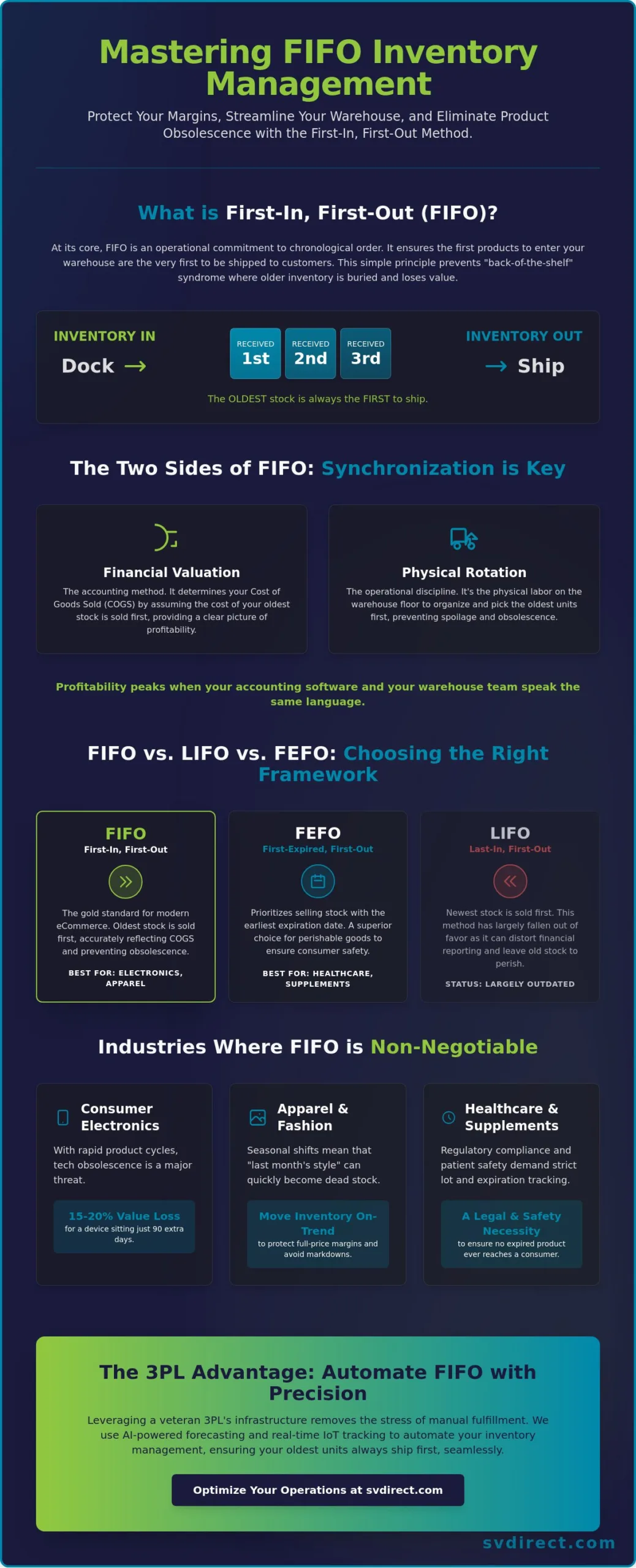
The logistics industry has evolved far beyond the days of simple pallet storage in a dusty room. Today, secure warehousing services represent a sophisticated, multi-layered strategy designed to safeguard your physical assets from the moment they arrive at the dock until they reach your customer’s door. This shift reflects a broader commitment to Supply chain security, where the warehouse acts as a critical fortress against theft, fraud, and environmental damage. Unlike standard commercial storage, which often provides only basic perimeter protection, a modern high-security 3PL fulfillment center integrates advanced technology with seasoned human oversight to create a resilient environment for high-value goods and sensitive data.

To better understand how these layers work together to protect your inventory, watch this helpful video:

Standard storage facilities often lack the specialized infrastructure needed for modern commerce. When you transition to a specialized secure facility, you’re investing in more than just square footage. You’re securing your brand’s future by ensuring that inventory levels are accurate and that stock remains untouched by unauthorized parties. This level of precision is vital for businesses handling electronics, pharmaceuticals, or luxury goods where even a small percentage of shrinkage can devastate profit margins. It’s about creating an ecosystem where physical fortification and digital transparency work in tandem.

The Core Components of a Secure 3PL

A truly secure 3PL facility isn’t just about high fences. It requires a synergy between three critical pillars of protection:

  • Physical infrastructure: This includes high-definition internal and external video surveillance, motion sensors, and reinforced perimeter controls that act as the first line of defense.
  • Digital oversight: Web-based inventory management software provides real-time tracking. This allows you to see exactly where your stock is at any second, which significantly reduces the risk of internal theft or administrative errors.
  • Personnel protocols: Security is only as strong as the people behind it. Rigorous staff screening and restricted access zones ensure that only authorized experts handle your most sensitive assets.

Why “Secure” is No Longer Optional for eCommerce

In 2026, the cost of inventory shrinkage in global retail has reached record highs, making secure warehousing services a non-negotiable part of your growth strategy. When a customer receives a damaged product or finds their order delayed due to stock discrepancies, your brand reputation takes the hit. Secure warehousing prevents product obsolescence and damage by maintaining strict environmental controls and handling procedures. It’s about the steady hand of a high-performance partner. By choosing a partner with a long history of operational excellence, you’re ensuring that your business remains grounded and reliable, even as you scale at a fast pace.

Physical Fortification: The Hardware of Asset Protection

While digital systems provide necessary transparency, the physical facility remains your primary line of defense. In an era where 28 stolen shipments were valued at over $1 million each in early 2026, the hardware of your logistics partner is a critical investment. Premium secure warehousing services prioritize a multi-layered physical approach that goes far beyond a simple lock and key. This foundation ensures that high-value assets are not only stored but actively protected against the 767 recorded supply chain crimes that occurred in the U.S. and Canada during the first quarter of 2026.

Perimeter and Interior Surveillance Systems

Modern security requires a comprehensive visual record of every movement within the facility. High-definition CCTV systems with remote monitoring capabilities allow for constant oversight of both internal aisles and external loading docks. These systems are often paired with motion sensor alarms and glass-break detection technology to provide an immediate response to unauthorized entry. Strategic lighting and gated entry requirements for transit vehicles further harden the facility, ensuring that every truck entering the premises is logged and verified before a single pallet is moved.

Environmental Controls and Specialized Storage

Protection isn’t just about preventing theft; it’s about preserving the integrity of the product itself. For many industries, specialized secure warehousing is a regulatory requirement that involves strict temperature and humidity monitoring. This is especially vital for sensitive electronics, high-tech components, and healthcare documents that could be rendered useless by environmental fluctuations. Advanced fire suppression systems are tailored to the specific product categories in storage, while clean-room standards ensure that dust and contaminants don’t compromise delicate inventory. These measures protect your bottom line from the “hidden” losses of product degradation. Businesses managing tech assets can explore a deeper breakdown of these protocols in our guide to secure warehousing for high-value electronics, which covers TAPA standards and tiered climate controls in detail.

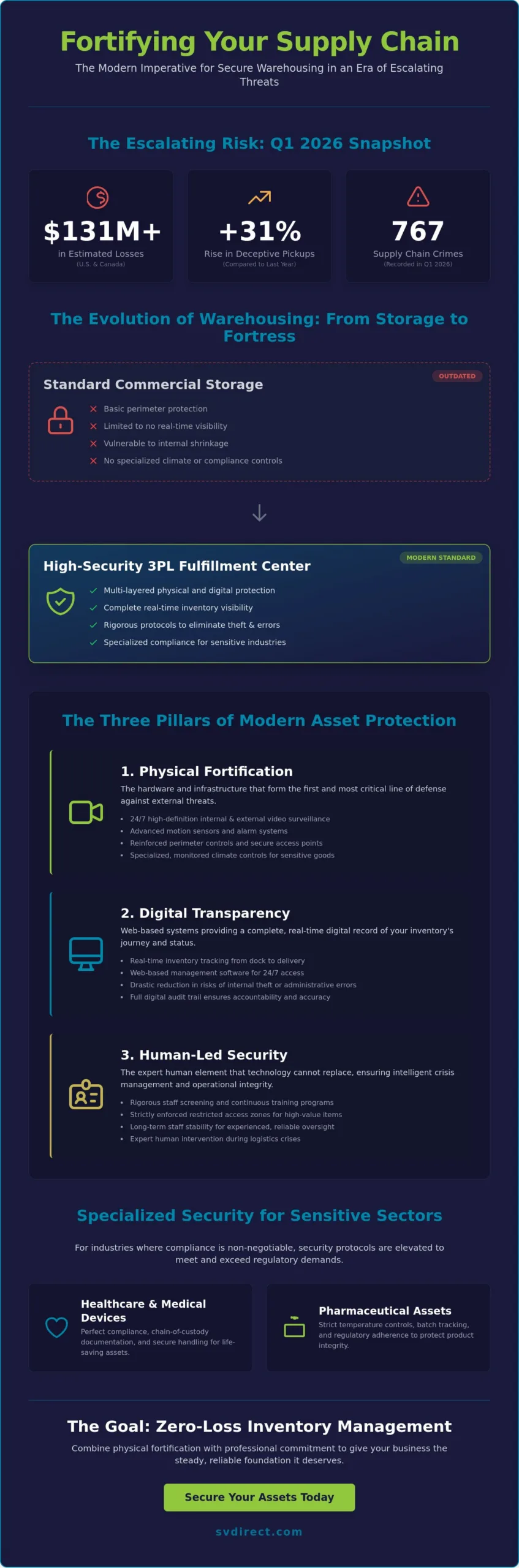
Effective physical security also relies on strict access protocols. By utilizing biometrics or RFID technology, a facility can ensure that only authorized personnel enter specific high-value zones. This level of control is a hallmark of a premier logistics company in Silicon Valley, where innovation in security matches the high-tech nature of the inventory. When your goods are housed in a strategically located facility that combines global connectivity with rigorous physical standards, you gain a significant competitive advantage. If you’re ready to see how these physical safeguards can protect your specific inventory, you can request a tailored assessment for your business needs. Our team focuses on creating a stable, high-performance environment where your assets are treated with the precision they deserve.
The Strategic Guide to Secure Warehousing Services in 2026

Digital Transparency: Securing the Data Behind the Goods

While physical walls keep intruders out, digital transparency prevents losses from within. In the modern supply chain, data is as valuable as the physical inventory. Comprehensive secure warehousing services now rely on sophisticated software to create an immutable record of every SKU. This digital “paper trail” serves as your best defense against internal theft. Industry data suggests that 30% to 50% of warehouse losses stem from internal sources. By digitizing every touchpoint, we create a culture of accountability that protects your bottom line and ensures your assets are always accounted for.

It’s not just about counting boxes; it’s about protecting the integrity of your business relationships. Protecting sensitive client data and customer information requires robust, encrypted data transmission. When your eCommerce platform syncs with a 3PL, that bridge must be ironclad. We prioritize high-level encryption to ensure that proprietary business data remains confidential. This shields your brand from the growing threat of cyber-physical attacks that target both the goods and the information behind them. Our approach bridges the gap between mechanical operations and the high-stakes reality of growing a business.

The Role of 3PL Inventory Management Software

Cloud-based dashboards provide 24/7 oversight, allowing you to monitor stock levels from any location with total confidence. This isn’t just a convenience. It’s a core security feature. If an unauthorized movement occurs or stock levels dip unexpectedly, automated alerts notify the management team immediately. This proactive stance is essential for countering the 31% increase in deceptive pickups recorded in early 2026. By integrating directly with your storefront, we ensure a seamless flow of information. This precision reduces the need for manual data entry and minimizes the gaps where errors often hide. For a deeper look at how these platforms are architected to protect your inventory in real time, our strategic guide to 3PL inventory management software covers the essential features that turn chaotic supply chains into precision-engineered growth engines.

Preventing Obsolescence and Stock Loss

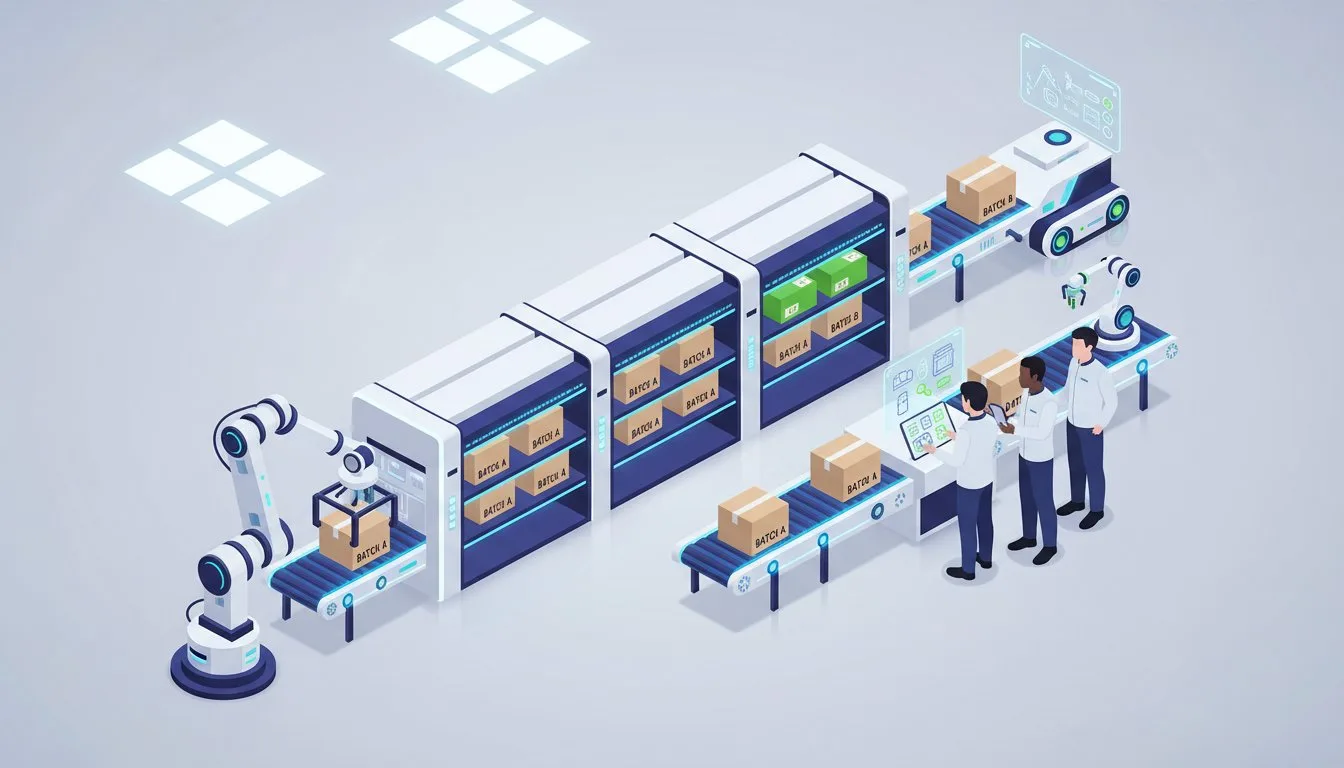
Digital transparency also means knowing exactly which items should leave the facility first to maximize value. Implementing FIFO inventory management ensures that older stock is shipped out before it becomes obsolete or loses its market appeal. We utilize batch and lot tracking to maintain precise control over every unit in our care. This level of detail simplifies the reconciliation process through clear digital audit trails. By leaning on barcode and RFID scanning, we significantly reduce the “human error” factor that often leads to stock discrepancies. It is a methodical, high-tech approach that replaces guesswork with verified, real-time data.

Compliance and Specialized Secure Warehousing

Generic storage solutions often fail when faced with the rigorous demands of sensitive industries. For sectors like healthcare and high-tech R&D, secure warehousing services must evolve into a specialized compliance framework. It’s no longer just about preventing loss; it’s about meeting federal mandates and protecting intellectual property. While standard commercial warehousing focuses on volume, specialized facilities prioritize the integrity of every individual unit. Whether it’s a life-saving medical device or a confidential prototype, the stakes are simply too high for a one-size-fits-all approach.

The healthcare sector requires a partner that understands the intersection of logistics and patient privacy. This is particularly true for healthcare mailing services, where the distribution of medical literature and devices must adhere to strict regulatory standards. A failure in compliance doesn’t just result in a lost package. It can lead to significant legal liabilities and a damaged reputation. We position ourselves as a steady hand in this high-pressure environment, ensuring that your sensitive assets are handled with the precision they deserve.

HIPAA-Compliant Warehousing for Healthcare

Handling Protected Health Information (PHI) requires both physical and digital barriers. A secure facility must maintain a documented chain of custody for every item, ensuring that medical devices and literature are tracked with absolute precision. We prioritize staff training and certification to ensure that every team member understands the nuances of handling sensitive healthcare materials. This human-led approach provides a level of oversight that automated systems simply cannot match. It creates a reassuring environment where compliance is a standard, not an afterthought.

High-Value Tech and R&D Storage

In the heart of innovation, protecting proprietary prototypes is a top priority. Silicon Valley businesses often require compartmentalized storage to keep sensitive R&D projects separate from general inventory. This environment necessitates non-disclosure agreements (NDAs) and enhanced security measures for consumer electronics with high resale value. For a comprehensive look at how these protocols apply specifically to tech assets, our strategic guide on secure warehousing for high-value electronics outlines the tiered security ecosystem and real-time visibility tools designed for this sector. It’s a proactive stance that respects the client’s time and the high-stakes nature of their industry. By choosing a partner with a multi-decade history of stability, you’re ensuring that your innovation is protected by a steady hand that remains accessible and grounded.

If your business requires a higher standard of protection and regulatory expertise, you can request a free quote to see how our specialized protocols can support your growth. Our team is ready to provide the customized, secure solutions your high-value assets demand.

The Silicon Valley Direct Advantage: Human-Led Security

While technology provides the tools, human judgment provides the essential layer of defense. Many providers rely too heavily on automated systems that fail to catch nuanced threats or unusual patterns. We explicitly reject the trend of impersonal, automated support in favor of direct human connection. Our 25-year history in Silicon Valley has taught us that operational reliability is built on the shoulders of experienced professionals. This longevity serves as a constant anchor of trust for our partners. When you choose our secure warehousing services, you’re not just renting space; you’re gaining a team that has spent decades refining the art of asset protection.

Staff stability is one of the most overlooked security features in the logistics industry. High turnover rates often lead to training gaps and internal vulnerabilities that tech alone cannot fix. By contrast, our commitment to long-term staff retention ensures that the people handling your inventory are seasoned experts who understand our rigorous protocols. This stability is especially critical during complex operations like kitting and assembly services. We integrate security directly into these workflows. This ensures that high-value components are tracked and protected even as they are being combined into finished products. It is a methodical approach that replaces the chaos of growth with the precision of a high-performance partner.

Bespoke Security for Every Client

Every business faces unique risks. We don’t believe in a one-size-fits-all security model. Instead, we customize our protocols based on your specific product risk profiles and industry requirements. You’ll have direct access to account managers who can answer immediate security inquiries without the frustration of an automated ticket queue. This high-performance partnership allows for total flexibility. As your business needs evolve, we can scale your security measures to match your growth. It’s a proactive stance that respects your time and your assets.

From Warehousing to Global Distribution

The “secure chain” doesn’t end at the warehouse door. We ensure that your goods remain protected from the initial receipt through to the final mile of global shipping and logistics. By leveraging our established relationships with carriers, we offer discounted rates without compromising on transit security. Our comprehensive approach also includes returns management and secure asset recovery. This closes the loop on the product lifecycle, ensuring that even returned items are handled with the same level of precision and oversight as new inventory. We remain a steady hand in a fast-paced industry, providing the peace of mind you need to scale with confidence.

Securing Your Operational Future

Navigating the complexities of the modern supply chain requires a partner that balances high-tech infrastructure with seasoned expertise. By integrating physical fortification, digital transparency, and rigorous compliance, you protect your inventory from the rising threats of theft and shrinkage. This strategic approach ensures that your high-value goods remain secure while your brand maintains its reputation for reliability. It’s about building a foundation that supports fast-paced growth without sacrificing safety.

With over 25 years of operational history since our founding in 1999, we provide the stability and HIPAA-compliant readiness your business deserves. We prioritize direct human connection over automated support, ensuring you always have a steady hand to guide your logistics. Choosing professional secure warehousing services is an investment in your company’s long-term resilience. Our team is dedicated to providing the personal oversight and bespoke problem-solving needed to keep your assets safe.

Get a Custom Quote for Secure Warehousing Today

We are ready to help you streamline your operations and protect your most valuable assets with the precision they require. Let’s build a secure future for your business together.

Frequently Asked Questions

What is the difference between bonded and non-bonded secure warehousing?

Bonded warehouses are specialized areas where imported goods are stored under the supervision of customs authorities without the immediate payment of duties. Non-bonded warehouses require that all taxes and duties are paid before the items enter storage. While both provide secure warehousing services, bonded facilities offer a specific financial advantage for companies managing global shipping and logistics by deferring costs until the products are ready for distribution.

How does a 3PL prevent internal theft or inventory shrinkage?

A professional 3PL prevents internal theft by combining physical access controls with a culture of accountability. This includes rigorous background screenings for all staff and the implementation of biometric entry points to restricted zones. By maintaining a complete digital audit trail of every inventory movement, the facility ensures that every touchpoint is logged. This transparency discourages unauthorized handling and helps maintain a zero-loss environment for your assets.

Is temperature control considered a part of secure warehousing services?

Yes, temperature control is a critical component of asset protection for sensitive inventory. Security isn’t just about preventing theft; it’s also about protecting products from environmental degradation. Facilities use automated monitoring systems to maintain stable climate conditions for electronics, pharmaceuticals, and medical literature. This ensures that your inventory remains in peak condition and avoids the “hidden” losses associated with heat or humidity damage.

What security certifications should I look for in a warehousing partner?

You should prioritize partners that adhere to internationally recognized standards like ISO 28000:2022 for supply chain security management. It’s also beneficial to look for C-TPAT membership if you handle international trade. These certifications demonstrate that the provider has passed rigorous audits of their physical and digital protocols. For specialized industries, ensuring the facility meets HIPAA or cGMP standards is essential for maintaining regulatory compliance.

Can secure warehousing services handle HIPAA-compliant materials?

Specialized secure warehousing services are designed to manage HIPAA-compliant materials by using both physical and digital barriers. This involves creating restricted access zones for Protected Health Information (PHI) and ensuring that medical devices or literature follow a strict chain of custody. We rely on seasoned experts rather than automated systems to oversee these sensitive workflows, providing the personal commitment necessary to meet federal healthcare mandates.

How does real-time inventory management improve warehouse security?

Real-time management acts as a digital security layer by providing a constant, accurate record of every SKU in the facility. When inventory is tracked through 3PL inventory management software and cloud-based dashboards, any unauthorized movement or unexpected dip in stock levels triggers an immediate alert. This visibility allows managers to respond to discrepancies instantly. It closes the gaps where administrative errors or internal theft typically occur, ensuring your digital records match your physical stock.

What happens if inventory is damaged or lost in a secure warehouse?

When an incident occurs, a secure warehouse uses its digital audit trail to pinpoint the exact time and location of the loss. This transparency is vital for a quick resolution and simplifies the insurance claim process. Professional partners handle these situations through direct human contact rather than automated queues. This ensures that you receive a clear explanation and a bespoke solution to mitigate the impact on your business growth.

Why is Silicon Valley a strategic location for secure warehousing?

Silicon Valley serves as a global hub for innovation and connectivity, providing immediate access to advanced logistics networks. This location is ideal for businesses handling high-value electronics or proprietary R&D components that require sophisticated handling. Being situated in this geographic center allows for faster integration with high-tech supply chains. It offers a unique combination of physical infrastructure and expert personnel who are accustomed to the high stakes of the tech industry.
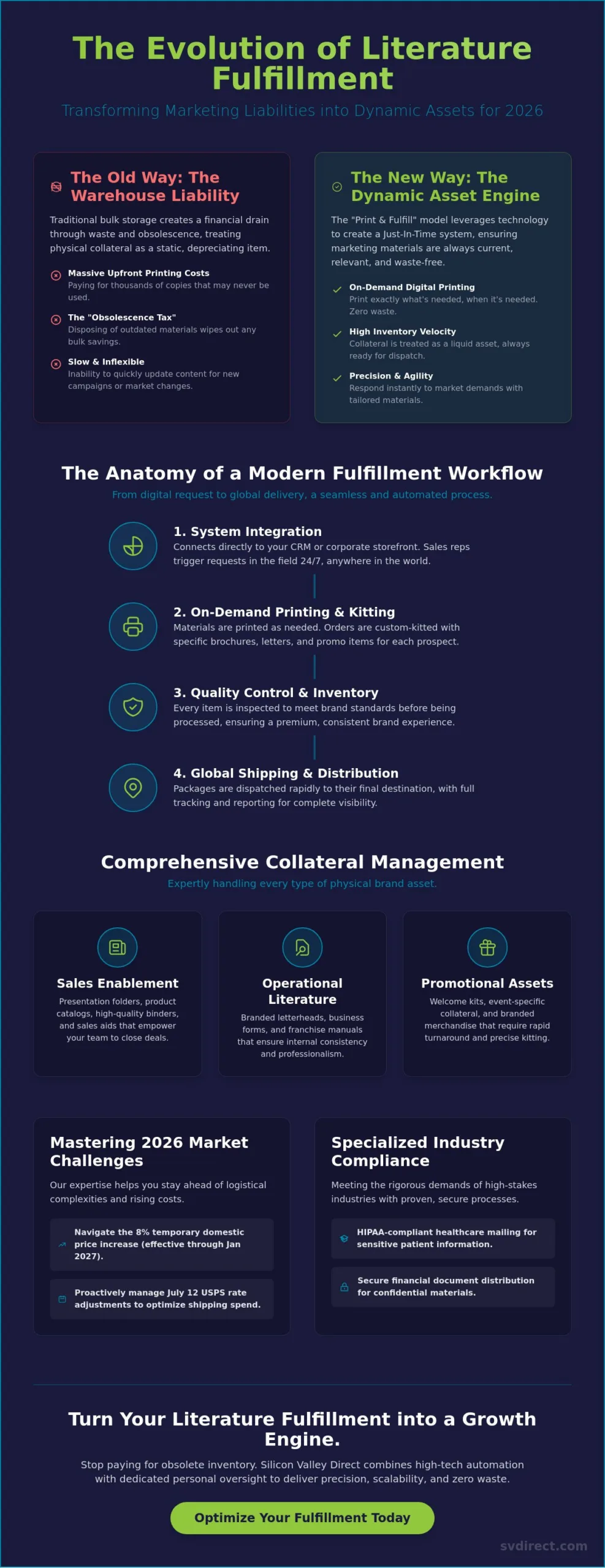
Literature Fulfillment Services: The 2026 Strategic Guide to Marketing Logistics

Literature Fulfillment Services: The 2026 Strategic Guide to Marketing Logistics

Your warehouse full of brochures isn’t an asset; it’s a liability that’s quietly draining your marketing budget. You likely recognize the frustration of seeing thousands of dollars in printed collateral become obsolete before it ever reaches a prospect’s hands. Modern literature fulfillment services have evolved into a dynamic asset engine, moving away from passive storage toward a model of precision and agility. By integrating on-demand digital printing with real-time distribution, you can stop paying for inventory that will never be used. Our team believes that physical marketing should be as responsive as your digital presence.

We understand the pressure of managing global shipping while facing the 8% temporary price increase on domestic services currently in effect through January 2027. This guide will show you how to master these complexities while reducing waste and increasing your brand’s impact. We’ll explore a strategic roadmap for 2026, covering everything from navigating the July 12 USPS rate adjustments to implementing zero-waste inventory management. You’ll learn how to ensure your sales aids and welcome packages are kitted accurately and delivered rapidly, turning your logistics into a reliable partner for business growth.

Key Takeaways

  • Discover how shifting from bulk storage to a “print and fulfill” model eliminates the financial burden of obsolete marketing materials.
  • Learn to use on-demand digital printing to maintain inventory velocity so it’s easier to keep your sales collateral current and accurate.
  • Evaluate the hidden costs of managing logistics in-house versus the precision and scalability offered by professional literature fulfillment services.
  • Master the specific requirements for high-stakes industries, including HIPAA-compliant healthcare mailing and secure financial document distribution.
  • Balance high-tech automation with dedicated personal oversight to achieve seamless kitting and global shipping for your brand.

What are Literature Fulfillment Services and Why Do They Matter in 2026?

Literature fulfillment services represent the end-to-end management of a brand’s printed assets. This isn’t merely a storage solution; it’s a sophisticated logistics engine that handles everything from initial warehousing to custom kitting and global distribution. In a market where speed is a competitive advantage, these services ensure that your brochures, catalogs, and sales kits reach their destination with absolute precision. This specialized niche within the broader order fulfillment process ensures that your brand’s physical presence matches its digital sophistication.

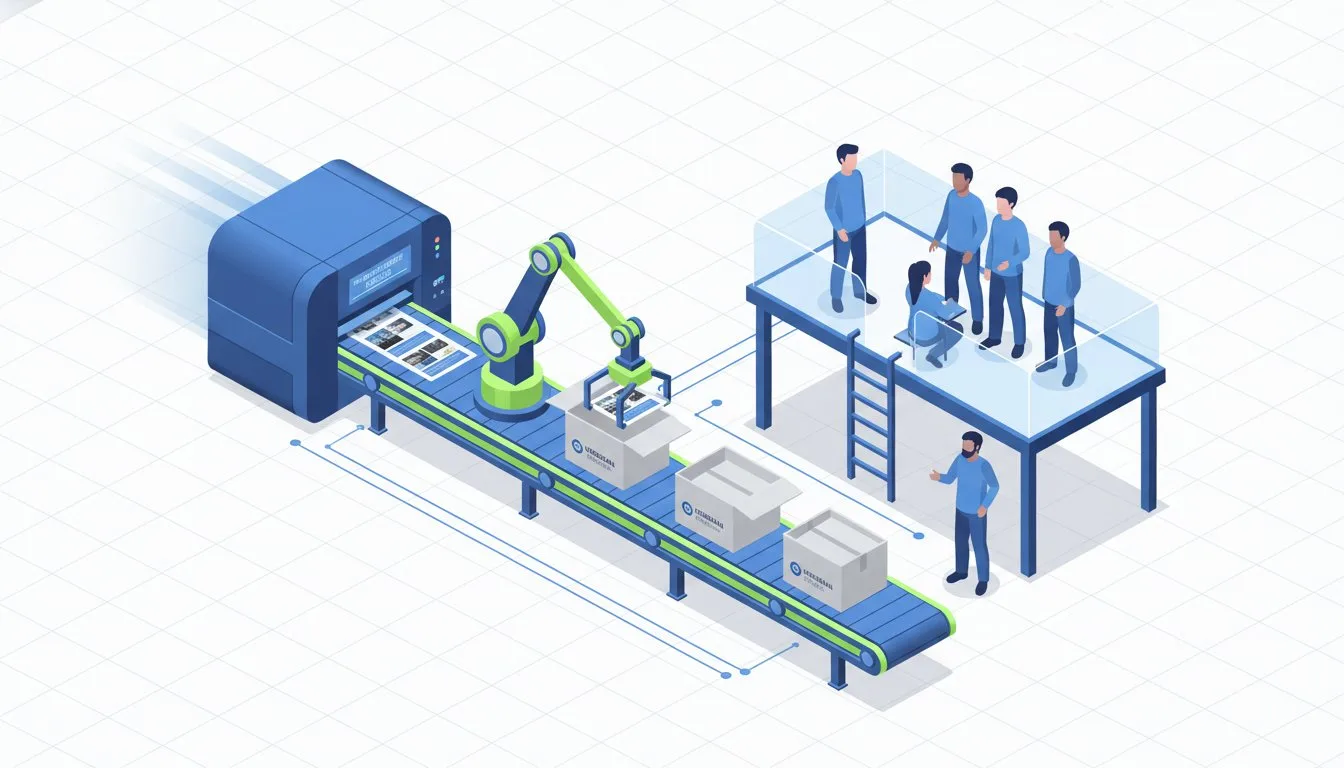
The industry is currently undergoing a massive shift from the traditional “store and ship” model to a more agile “print and fulfill” strategy. By leveraging on-demand digital printing, companies no longer need to print thousands of brochures that might become outdated in six months. Instead, they print exactly what’s needed, when it’s needed. This transition is essential for 2026 as businesses face rising costs and a greater need for personalization. High-impact physical literature remains a cornerstone of B2B sales because it provides a tactile experience that digital ads simply can’t replicate.

To visualize how these systems integrate with modern events and marketing, watch this overview of a professional literature fulfillment setup:

The Anatomy of a Literature Fulfillment Workflow

A professional workflow begins with rigorous inventory intake and quality control. Every shipment of pre-printed materials is inspected to ensure it meets brand standards before it hits the shelves. Modern literature fulfillment services thrive on technical integration. Most systems now connect directly to your corporate storefront or CRM platforms. When a sales representative triggers a request in the field, the order is processed automatically. This leads to custom kitting where specific brochures, letters, and promotional items are assembled into a cohesive package tailored for a specific campaign or prospect.

Types of Collateral Managed in Professional Fulfillment

Effective management covers a diverse range of materials that keep a business running smoothly. Sales enablement materials are the most visible, including high-quality presentation folders, binders, and comprehensive product catalogs. Beyond sales, operational literature is equally vital. This category includes branded letterheads, business forms, and franchise manuals that maintain internal consistency. Finally, promotional assets like welcome kits and event-specific collateral require rapid turnaround times. Professional fulfillment ensures these items aren’t just sitting in a closet; they’re active tools ready for immediate deployment.

The Efficiency Engine: On-Demand Printing and Inventory Velocity

Success in 2026 isn’t measured by how much you can store, but by how fast you can move. Traditional literature fulfillment services were once defined by massive warehouses filled with dusty pallets of brochures. Today, that model has been replaced by a “Just-In-Time” (JIT) approach that treats printed collateral as a liquid asset. By focusing on inventory velocity rather than sheer volume, you ensure that every piece of mail or sales kit is current, relevant, and ready for immediate dispatch. This proactive stance helps you avoid the “obsolescence tax,” where bulk printing savings are wiped out by the cost of disposing of outdated materials.

Efficiency also requires a high degree of operational reliability similar to the structured workflows found in government print and mail services. When your distribution engine is finely tuned, you can integrate digital order portals with physical fulfillment centers to provide 24/7 ordering convenience for your global sales team. This seamless connection means a representative in London can trigger a literature request at midnight, and the physical assembly begins at the fulfillment center before they even wake up. If you’re looking to eliminate the friction in your distribution chain, you can consult with our logistics experts to see how JIT printing fits your model.

Reducing Waste with Digital On-Demand Printing

Digital on-demand printing has fundamentally changed the cost-benefit analysis of marketing logistics. In the past, printing 10,000 brochures seemed cheaper on a per-unit basis, but it ignored the carrying costs and the risk of content changes. Now, printing 500 units as needed is often the more economical choice. It allows you to update literature instantly without discarding thousands of copies. This flexibility is vital for personalizing materials for specific regions or recipients, ensuring your brand impact remains high without the burden of excess waste. We’ve seen this approach transform passive storage into an active sales tool. For a deeper look at how this model eliminates inventory risk entirely, explore our 2026 strategic guide to zero-inventory logistics through on-demand digital printing.

Inventory Management and Real-Time Reporting

Control is the byproduct of visibility. Modern literature fulfillment services utilize web-based portals that offer a transparent view of your stock levels and order history. These systems don’t just track numbers; they provide low-stock alerts and automated reorder points based on historical usage data. This data-driven approach prevents sales delays and helps marketing teams analyze which assets are actually performing. By monitoring usage patterns, you can optimize your future spend and focus your budget on the materials that your sales team actually uses to close deals. It’s about having the right data to make informed decisions about your physical assets.

Literature Fulfillment Services: The 2026 Strategic Guide to Marketing Logistics

In-House vs. Outsourced Literature Fulfillment: A Cost-Benefit Analysis

Many organizations treat in-house distribution as a minor administrative task that saves money. This perspective often ignores the mounting costs of high-rent office space and the risk of “Closet Chaos.” When marketing materials are stored in office closets or unmanaged basements, version control fails and expensive brochures become obsolete before they’re ever used. This diverted focus pulls your high-value marketing team away from strategic growth and forces them into manual labor. Relying on professional literature fulfillment services replaces this internal disorganization with a high-performance engine that scales on demand.

Professional partners leverage 3PL scale to provide immediate cost relief. With the proposed 4.8% average rate increase for USPS market dominant products set for July 12, 2026, managing postage costs in-house is becoming increasingly difficult. Outsourced providers offer access to discounted postage rates and optimized shipping lanes that are unavailable to small-scale shippers. This infrastructure allows you to handle seasonal spikes or new product launches without the stress of temporary hiring. You gain a steady hand in a fast-paced industry, ensuring your physical brand presence remains as polished as your digital one.

Analyzing the Total Cost of Ownership (TCO)

Calculating the true price of in-house storage requires looking beyond the surface. Using premium square footage in a corporate office to store pallets of literature is an inefficient use of capital. Beyond real estate, you must consider the labor hours lost to kitting errors and inventory counts. Professional kitting directly impacts brand perception; a missing brochure in a welcome kit suggests a lack of care to a new client. The financial impact of a single mismanaged shipment to a high-value prospect can easily outweigh the entire monthly service fee of an expert 3PL partner.

The Strategic Advantage of Outsourcing

Outsourcing offers a strategic advantage that empowers your internal team to focus on what they do best: strategy and creation. It grants your brand immediate access to advanced kitting and assembly services that most internal teams simply don’t have the space or technology to execute. You also benefit from established global shipping services that ensure your materials navigate international borders with minimal friction. This proactive stance is backed by physical infrastructure and human expertise, turning your marketing logistics from a cost center into a competitive sales tool. Brands that have already mastered recurring physical deliveries, such as those relying on scalable subscription box assembly, understand how outsourcing kitting operations to a professional partner directly protects margins and brand reputation.

Industry-Specific Literature Needs: Compliance, Healthcare, and Beyond

Every industry carries its own set of logistical hurdles, and a one-size-fits-all approach to literature fulfillment services often falls short. For healthcare organizations, the stakes involve more than just shipping brochures; they require precise management of patient education materials and healthcare mailing services that strictly adhere to HIPAA regulations. Similarly, financial services firms depend on the secure distribution of compliance documents and personalized statements where a single error could lead to significant regulatory consequences. We understand that in these sectors, precision is a requirement for maintaining trust and operational integrity.

In the fast-moving tech and SaaS sectors, the focus shifts toward rapid deployment and high-impact brand experiences. When launching a global software update or entering a new market, these companies rely on promotional kit fulfillment to ensure their physical brand presence arrives simultaneously with their digital rollout. Education and non-profit sectors also face unique challenges, often managing large-scale donor communications or enrollment packets that must be delivered within tight seasonal windows. With the USPS proposed rate increases for First-Class Mail and domestic postcards effective July 12, 2026, these high-volume senders must optimize their distribution strategies to protect their budgets.

Compliance-Driven Literature Fulfillment

Regulated industries require a fulfillment partner that prioritizes data security and maintains rigorous audit trails. Every piece of sensitive information, from medical records to financial disclosures, must be handled with a steady hand and absolute transparency. Our processes include detailed quality control measures to ensure 100% accuracy in compliance kitting. This level of oversight provides a clear record of when and where documents were sent, which is essential for meeting internal audits and external legal requirements. You can request a free quote to discuss how we can secure your compliance-heavy distribution workflows.

Bespoke Solutions for High-Growth Sectors

Innovation-driven companies often need more than just standard mailing; they require bespoke solutions that bridge the gap between physical and digital marketing. This includes creating customized welcome kits for new hires or premium clients that leave a lasting impression. Just-in-time printing allows for the rapid assembly of materials for international trade shows, ensuring you aren’t shipping outdated collateral across the globe. By linking physical literature to digital tracking through QR codes and personalized URLs, we help you measure the real-world impact of your printed assets. This proactive approach ensures your physical logistics keep pace with your company’s growth and innovation.

Silicon Valley Direct: Precision Literature Fulfillment with a Human Touch

Silicon Valley Direct brings over 25 years of operational excellence to the heart of the world’s innovation hub. We’ve spent decades refining a model that balances high-tech efficiency with a deeply personal commitment to our partners. Our literature fulfillment services aren’t just about moving boxes; they’re about providing a steady hand in an industry that moves at lightning speed. By combining advanced automation with dedicated account managers, we ensure that your brand’s physical assets are handled with the same care you put into your product development. We treat every brochure and sales kit as a critical touchpoint in your customer’s journey.

Our “Human-Tech” hybrid model explicitly rejects the impersonal nature of automated ticket queues. We believe that complex logistics require direct human connection and personal oversight. This approach allows us to offer bespoke problem-solving for both agile startups and established global enterprises. Whether you’re integrating on-demand digital printing for a specific campaign or managing complex global logistics across multiple continents, our team provides the precision required to protect your brand’s impact. We don’t just follow instructions; we actively look for ways to optimize your distribution and reduce unnecessary overhead.

Why Silicon Valley Direct is Your Strategic Partner

Our geographic identity in Silicon Valley serves as a symbol of our commitment to innovation and global connectivity. This location allows for rapid distribution and seamless access to international shipping lanes, which is vital when managing tight deadlines and fluctuating postal rates. We maintain a culture of proactive inventory management where quality assurance isn’t an afterthought; it’s the foundation of our workflow. Our long-term staff retention is a hallmark of the internal stability we offer. This means the experts managing your literature today possess a deep, historical understanding of your brand’s specific needs. It’s a level of continuity that automated systems simply can’t replicate.

Getting Started: Transitioning Your Literature Assets

Transitioning your distribution to a professional partner begins with a comprehensive audit process. We work with you to assess your current inventory and identify specific opportunities for on-demand printing to reduce waste. This audit helps us understand your usage patterns and pinpoint where you might be overspending on storage for obsolete materials. Once the strategy is set, we help you implement a custom storefront for decentralized ordering. This allows your global team to request materials 24/7 while you maintain total control over versioning and costs. It’s a seamless way to modernize your literature fulfillment services. Contact Silicon Valley Direct to streamline your distribution today.

Future-Proofing Your Brand Through Precision Distribution

Success in today’s market requires your physical marketing to move with the same agility as your digital strategy. We’ve explored how a shift toward inventory velocity and on-demand printing eliminates the hidden costs of obsolescence and internal disorganization. By integrating literature fulfillment services into your broader operations, you transform passive storage into an active tool for sales enablement and regulatory compliance. Whether you’re managing complex healthcare mailings or global software launches, the goal remains the same: absolute precision and minimal waste.

Silicon Valley Direct has provided this level of reliability since 1999, combining decades of B2B expertise with high-tech capabilities like HIPAA-compliant healthcare mailing and on-demand printing. We believe that logistics is a human endeavor that’s best supported by advanced automation, not replaced by it. Our team is dedicated to providing the personal oversight and bespoke problem-solving necessary to help your brand thrive in a fast-paced environment. Let’s work together to streamline your workflows and maximize your brand impact.

Optimize Your Literature Logistics with Silicon Valley Direct and build a more responsive distribution engine today.

Frequently Asked Questions

What is the difference between literature fulfillment and standard order fulfillment?

Literature fulfillment focuses specifically on the management and distribution of printed assets like catalogs, brochures, and sales kits. While standard order fulfillment typically deals with consumer goods, literature services require specialized kitting and strict version control. This ensures your sales representatives and partners always receive the most current marketing tools without the risk of distributing outdated information.

Can I integrate my existing CRM or storefront with your literature fulfillment system?

Yes, our technology is designed to integrate seamlessly with your corporate storefront or CRM platforms. This connection allows for decentralized ordering, where your field team can trigger shipments directly from their daily workflow. Automated data syncing ensures that every request is processed with absolute precision, removing the need for manual data entry and reducing the chance of shipping errors.

How does on-demand printing save money compared to traditional offset printing?

On-demand digital printing eliminates the high carrying costs and waste associated with massive offset print runs. While traditional printing offers a lower per-unit price for high volumes, it often leads to an “obsolescence tax” when materials become outdated before they are used. Digital printing allows you to produce smaller batches as needed, preserving your budget and ensuring your content is always relevant.

Is your literature fulfillment service HIPAA compliant for healthcare materials?

Our literature fulfillment services include dedicated healthcare mailing capabilities that strictly adhere to HIPAA regulations. We maintain rigorous audit trails and quality control measures to ensure patient education materials and sensitive documents are handled with total security. This level of oversight is a core requirement for healthcare organizations that prioritize data protection and operational integrity.

Do you handle international shipping for marketing collateral?

We manage global shipping and logistics for marketing collateral across multiple continents from our strategic innovation hub. Our established carrier relationships and expertise in international regulations allow us to navigate customs with minimal friction. This ensures your brand maintains a consistent physical presence worldwide, regardless of where your prospects or satellite offices are located.

What happens to my obsolete literature when I update a version?

When you update your materials, we can securely recycle or dispose of your obsolete inventory according to your brand’s sustainability policies. Our real-time reporting identifies slow-moving assets before they become a financial burden. This proactive approach helps you transition to newer versions smoothly while minimizing the waste of physical resources and storage capital.

Can you handle complex kitting, like including promotional items with brochures?

We specialize in complex kitting and assembly that combines printed literature with various promotional items or branded hardware. Whether you need welcome packages for new hires or customized kits for international trade shows, our team provides the human oversight necessary for perfect execution. Every kit is assembled with care to ensure a high-impact presentation upon arrival. Brands that also manage recurring product deliveries can explore our approach to subscription box assembly for a scalable framework that achieves 99.9% accuracy in SKU placement while maintaining a premium unboxing experience.

How do I track my inventory levels in real-time?

You can monitor your inventory levels 24/7 through our secure, web-based portal. This system provides transparent visibility into stock counts, order history, and automated low-stock alerts. By accessing this real-time data, you can make informed decisions about reorder points and future marketing spend without the delays of manual reporting or spreadsheets.

Catalog Order Fulfillment: The Strategic Guide to 3PL Efficiency in 2026

Catalog Order Fulfillment: The Strategic Guide to 3PL Efficiency in 2026

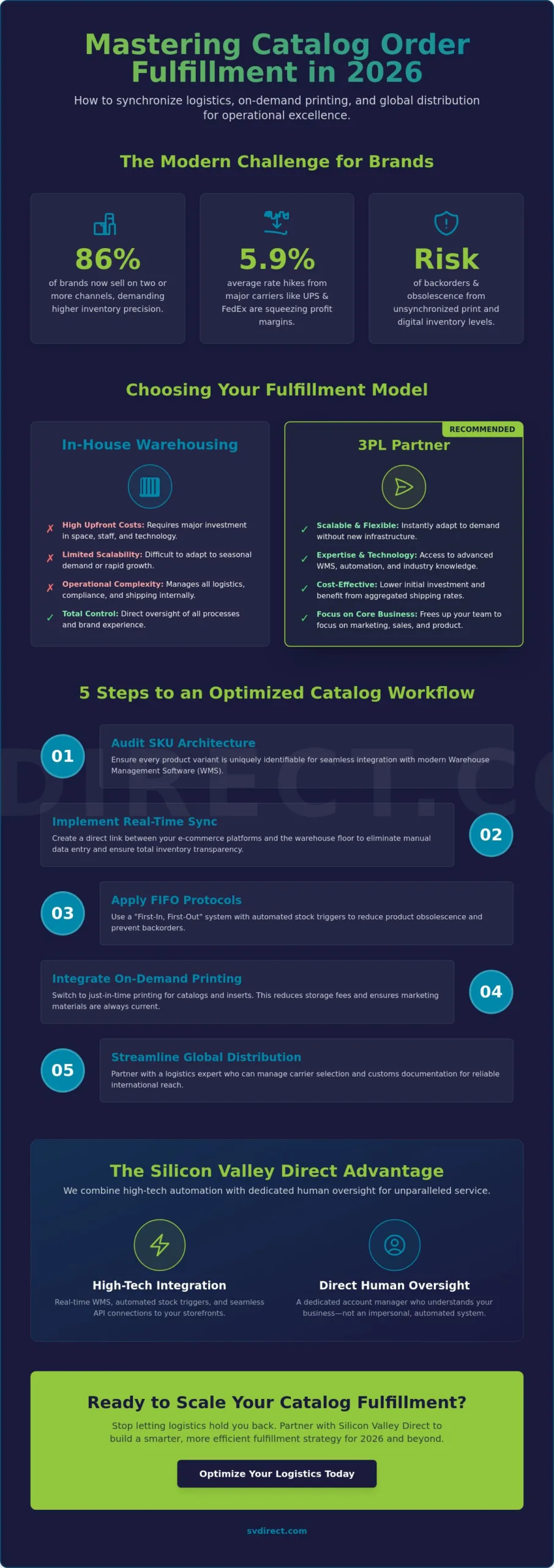
With 86% of brands now selling on two or more channels, is your logistics strategy actually keeping up? Managing catalog order fulfillment in 2026 requires more than just shelf space; it demands a sophisticated blend of on-demand printing and precision kitting. You’ve likely felt the sting of the 5.9% rate hikes from UPS and FedEx this year, or the frustration of inventory levels that don’t reflect reality across your web store and print mailers. These inaccuracies and rising costs can quickly stall the momentum of even the most established brands.

We believe that true operational excellence comes from a blend of high-tech integration and direct human oversight. You deserve a partner who views your business as a collaboration rather than a simple transaction. This guide will show you how to master catalog order fulfillment by scaling your logistics, printing, and global distribution effectively. We’ll preview how to navigate the 2026 shipping surcharges, utilize the 10% USPS Catalog Insights discount, and create a seamless link between your software and the warehouse floor for total inventory transparency.

Key Takeaways

  • Identify why catalog-driven logistics demand higher inventory precision than standard eCommerce to ensure your print and digital channels stay perfectly synchronized.
  • Learn how to apply FIFO protocols and real-time stock triggers to eliminate the risk of backorders and reduce the costs of product obsolescence.
  • Compare the financial and operational impact of in-house warehousing versus the scalability of a 3PL to determine which model fits your 2026 budget.
  • Master the five steps to optimize your catalog order fulfillment by auditing your SKU architecture for seamless integration with modern warehouse management software.
  • Discover the value of a high-tech logistics partner that prioritizes human oversight and personal account management over impersonal, automated systems.

What is Catalog Order Fulfillment in 2026?

Catalog order fulfillment refers to the complete lifecycle of managing orders that originate from a physical or digital product catalog. It’s a specialized discipline that requires more than just picking items off a shelf. In 2026, this model requires a level of inventory precision that standard eCommerce rarely touches. When you send out a physical mailer, you’re making a fixed promise to your customer about availability. If your warehouse isn’t perfectly synced, you risk the high cost of out-of-stock notifications on orders you’ve already paid to generate.

The industry has shifted away from the traditional, static warehouse. Modern centers are now high-tech hubs where Order fulfillment is handled by integrated systems that bridge the gap between digital storefronts and physical inventory. This is particularly vital for sectors like healthcare, high-tech, and luxury retail. In these fields, the cost of error is high and the need for brand consistency is absolute.

To better understand how modern logistics can scale your business, watch this helpful video:

The Core Lifecycle of a Catalog Order

Efficiency starts with real-time synchronization. In 2026, the standard for B2B catalog orders has tightened to sub-24-hour processing. To achieve this, your SKU catalog must talk directly to the Warehouse Management System (WMS). This automation eliminates manual swivel-chair data entry, where a human moves information from one screen to another. By removing these touchpoints, you reduce errors and ensure that your kitting and assembly teams are working with the most accurate data possible. It’s about creating a proactive flow that anticipates demand rather than reacting to it.

Why ‘Pick and Pack’ is Only the Beginning

A box is never just a box. For many brands, literature fulfillment is a critical component of the customer journey. Including the right technical manuals, promotional inserts, or healthcare mailing services materials adds tangible value to every shipment. Because catalog items are often high-value, secure warehousing is a non-negotiable requirement. Finally, optimizing the initial transit phase through batch delivery to carriers helps offset the 5.9% average rate increases implemented by UPS and FedEx this year. Strategic catalog order fulfillment isn’t just about moving items; it’s about protecting your margins through smarter, more organized distribution.

The Mechanics of Modern Catalog Logistics

Precision in catalog order fulfillment starts with a rigorous approach to inventory management. Because catalog cycles are often tied to specific marketing windows, maintaining optimal stock levels for high-turnover SKUs is a delicate balance. We utilize strict FIFO (First-In, First-Out) protocols to ensure that inventory doesn’t sit idle. This is especially critical for sensitive materials like healthcare supplies or high-tech components that may have shelf-life constraints or require high-security storage environments. By prioritizing the rotation of goods, you mitigate the risk of product obsolescence and keep your overhead lean.

Integrating global shipping logistics directly into this workflow allows for a seamless transition from the warehouse floor to international destinations. With 44% of brands planning to expand internationally in 2026, your logistics partner must be a steady hand in a volatile market. By merging these processes, you reduce the friction that often leads to shipping delays and increased costs. A proactive stance on carrier selection and customs documentation ensures that your global reach is as reliable as your domestic operations. To maximize the impact of your outreach campaigns alongside your fulfillment strategy, explore how direct mail marketing services can create high-impact physical touchpoints that drive measurable ROI in 2026.

Digital Printing and Literature Integration

Transitioning to on-demand digital printing is a strategic move that directly impacts your bottom line. Instead of pre-printing thousands of catalogs that might become outdated, just-in-time printing allows for real-time updates to marketing collateral. This approach drastically reduces storage fees and ensures your literature fulfillment is always current. It’s a cleaner, more efficient way to manage your brand assets. For more details on this synergy, explore our guide on Direct Mail Printing and Mailing: Designing a Streamlined Workflow for 2026.

Kitting and Assembly for Custom Catalog Sets

Kitting and assembly are vital mechanics of modern catalog order fulfillment, offering a unique opportunity to boost your average order value (AOV) by bundling related items into a single, cohesive package. Our approach to specialized assembly projects prioritizes the human element. We don’t rely on impersonal automation for complex promotional kits. Instead, we use a dedicated team to ensure every subscription box or custom set meets your exact branding standards. This personal commitment creates a reassuring experience for your customers. If you’re looking to refine your current process, you can speak with a logistics specialist today.

Catalog Order Fulfillment: The Strategic Guide to 3PL Efficiency in 2026

Comparing Fulfillment Models: In-House vs. 3PL vs. Hybrid

Choosing the right operational framework for your catalog order fulfillment isn’t just a logistics decision; it’s a strategic one that impacts your long-term scalability. For many Silicon Valley brands, the allure of in-house fulfillment is total control. You see every box and touch every product. But the reality of Bay Area real estate costs and fixed labor overhead often turns this control into a financial burden. Conversely, a standard 3PL offers rapid scalability and significant carrier discounts. The trade-off is often a loss of customization. If your brand relies on bespoke kitting or complex assembly, a purely automated warehouse might feel too impersonal for your specific needs.

The hybrid model has emerged as a sophisticated alternative for high-growth companies. This approach allows you to keep core R&D or sensitive product development in-house while outsourcing the heavy lifting of global distribution and warehousing. By evaluating per-order pick and pack fees against the massive monthly overhead of maintaining a private facility, you can find the ‘sweet spot’ that protects your margins. This balance ensures that your physical operations are just as organized as your digital communication, providing a steady hand as you expand into new markets.

When to Transition to a Professional 3PL

There’s a specific tipping point where in-house logistics begin to stifle marketing growth. If your team is too busy packing boxes to focus on your next catalog launch, it’s time to scale. Specialized partners are essential for handling high-value goods or providing healthcare mailing services that require a high degree of precision and regulatory awareness. A professional partner handles seasonal catalog spikes with ease; you don’t have to worry about hiring temporary staff or signing new long-term leases just to manage a three-month surge in demand. Before making that transition, using a thorough 3PL checklist to vet your fulfillment partner ensures you select a provider whose technology, transparency, and human oversight align with your brand’s specific requirements.

Cost Analysis: Postage, Labor, and Storage

Postage is often the largest line item in any catalog order fulfillment strategy. With the temporary 8% USPS price increase effective through early 2027 and the 5.9% average rate hikes from UPS and FedEx this year, leveraging a 3PL’s high-volume partnerships is more critical than ever. Beyond shipping, you must account for ‘hidden’ costs like inventory shrinkage and the reputational damage caused by shipping errors in-house. Modern, transparent reporting in 2026 now provides the granular data needed for real-time ROI tracking, ensuring every dollar spent on your catalog campaigns is working toward your growth.

5 Steps to Optimizing Your Catalog Workflow

Optimizing your catalog order fulfillment requires a methodical teardown of your current processes to identify friction points. It’s not just about moving faster; it’s about creating a system that is both accurate and scalable. Achieving this level of operational excellence involves a structured approach that moves from technical foundations to physical execution. By following these steps, you can ensure your logistics machine runs with the precision your brand demands.

  • Audit SKU Architecture: Ensure your product identifiers are fully compatible with modern Warehouse Management Systems (WMS). A fragmented SKU list leads to data silos and picking errors.
  • Implement Real-Time Triggers: With 75% of brands planning to add new sales channels in 2026, you need automated stock alerts. These triggers prevent ‘out-of-stock’ scenarios on catalog items you’ve already spent marketing dollars to promote.
  • Streamline Kitting: Grouping related items into pre-defined sets reduces labor-based assembly fees and speeds up the shipping cycle.
  • Optimize Packaging: Review your box dimensions to minimize dimensional weight (DIM weight) charges. This is vital as carrier surcharges continue to rise.
  • Establish Returns Protocols: A clear, reliable returns management process protects customer trust and allows you to recover inventory value quickly.

If you’re ready to see how these steps apply to your specific business model, you can request a personalized logistics audit from our team.

Streamlining Kitting and Assembly

Pre-assembling your most popular catalog bundles is a proactive way to reduce same-day shipping friction. By using predictive data to forecast high-volume kits before your catalog hits the mail, you can move from a reactive stance to one of operational readiness. This foresight allows your assembly team to work more efficiently during quiet periods, ensuring you’re prepared for the inevitable surge in orders. For a deeper dive into these processes, see our Kitting and Assembly Services: The Strategic Guide to 3PL Efficiency in 2026.

Managing Global Shipping Complexity

As 44% of brands look to expand internationally this year, navigating the maze of global trade regulations is a necessity. True catalog order fulfillment excellence requires a partner who understands the nuances of international customs and localized shipping hubs. From our Union City, CA facility, we act as a global gateway, using automated tracking to provide total transparency. This ensures your customers receive the same high-quality experience, whether they’re in San Francisco or Singapore. We reject impersonal, automated-only interactions, providing the human oversight needed to manage complex cross-border logistics effectively.

The Silicon Valley Direct Advantage in Catalog Fulfillment

Silicon Valley Direct operates from a strategic headquarters in Union City, California. This location serves as a premier global gateway for innovation and logistics, providing brands with a direct link to both domestic and international markets. Since 1999, we’ve focused on solving the most complex challenges in the industry. We don’t just provide shelf space; we provide a foundation of multi-decade experience that ensures your catalog order fulfillment is handled with absolute precision. Our comprehensive service list includes everything from on-demand digital printing to HIPAA-compliant healthcare mailing services, allowing you to centralize your entire distribution strategy under one roof.

We explicitly reject the impersonal, “automated-only” interactions that have become the industry standard. While we utilize high-tech systems to drive efficiency, we believe that direct human connection is the only way to ensure total quality control. You’ll never be stuck behind a chatbot or an anonymous ticketing system. Instead, you’ll work with dedicated account managers who provide personal oversight for every project. This commitment to the human element makes us a steady hand in a fast-paced market, alleviating the stress of business growth through personal commitment and operational readiness.

Tech-Enabled, Human-Driven Logistics

Our web-based inventory management system provides total transparency without sacrificing the personal touch. You can monitor your stock levels in real-time while knowing that a seasoned expert is physically overseeing your products. The expertise of our long-term staff is a unique hallmark of our internal stability. They understand how to handle high-value and sensitive catalog inventory with the care it deserves. We treat every catalog order fulfillment project as a partnership rather than a mere transaction. This allows us to offer customization at scale, ensuring that your specific brand standards are reflected in every package we ship.

Your Partner for Global Growth

Scaling from a startup to an enterprise requires a logistics partner that offers total flexibility. Our warehousing and storage options are designed to adapt as your SKU count and order volume grow. By managing the entire integrated workflow, we significantly reduce the administrative burden on your marketing team. We handle the technical integrations and physical kitting so you can focus on your high-level strategy. To stay informed on the latest trends in logistics and distribution, explore more insights on our Silicon Valley Direct Blog. We are here to ensure that your physical operations are just as organized and innovative as your digital presence.

Mastering the Future of Your Distribution Strategy

The logistics landscape of 2026 requires a partner that bridges the gap between complex digital assets and physical distribution. Auditing SKU architecture and implementing real-time inventory triggers are no longer optional; they’re essential to safeguarding margins against rising carrier costs. By transitioning to a specialized 3PL, your team can focus on high-level strategy while we manage the intricate mechanics of your supply chain.

True success in catalog order fulfillment hinges on a blend of high-tech precision and seasoned human expertise. Since 1999, Silicon Valley Direct has served as a steady hand for brands navigating these complexities. From our strategic Union City gateway, we integrate on-demand digital printing with expert-level kitting to ensure your global shipping remains reliable and efficient. We believe your business deserves a partnership built on transparency and personal commitment rather than impersonal automation. Pairing your fulfillment strategy with proven direct mail marketing services can further amplify your reach by creating physical touchpoints that achieve response rates far exceeding digital channels.

Streamline your catalog fulfillment with Silicon Valley Direct today.

We’re ready to help you scale your operations with the confidence and care your brand deserves.

Frequently Asked Questions

What is the difference between eCommerce fulfillment and catalog fulfillment?

Catalog fulfillment requires higher inventory precision because it’s often tied to physical mailers with fixed stock promises. Unlike standard eCommerce, where you can easily update a website to show an item is unavailable, a print catalog creates a lasting customer expectation. This model demands a partner who can sync your SKU architecture with warehouse levels to prevent the high cost of out-of-stock notifications on pre-paid marketing campaigns.

How do I integrate my existing catalog software with a 3PL warehouse?

Integration is achieved through secure API connections or automated flat-file transfers between your catalog software and the warehouse management system (WMS). This digital bridge allows for real-time inventory triggers and order processing. By removing manual data entry, you eliminate “swivel-chair” errors and ensure that every order generated by your catalog is reflected in the warehouse immediately for sub-24-hour processing.

Can a fulfillment partner handle both physical products and marketing literature?

A specialized fulfillment partner can seamlessly merge physical products with marketing literature into a single shipment. This literature fulfillment service is a core component of modern catalog logistics. It ensures that every package includes the correct technical manuals, promotional inserts, or healthcare-related documents. This integrated approach enhances the customer experience while reducing the administrative burden of managing multiple vendors for print and distribution.

What are the typical fees associated with catalog order fulfillment?

Typical fees for catalog order fulfillment are generally structured around storage, receiving, and order processing. You’ll likely encounter monthly charges for pallet or cubic foot storage along with per-order pick and pack fees. Other common costs include kitting and assembly for custom sets, returns processing, and global shipping rates. While specific rates vary based on volume, a transparent 3PL provides granular reporting to help you track your real-time ROI.

How does kitting and assembly improve my catalog’s profitability?

Kitting and assembly increase profitability by raising your average order value (AOV) and reducing shipping friction. By pre-assembling popular catalog bundles, you lower the labor-based fees associated with individual picking during peak periods. This proactive stance allows for faster turnaround times and ensures that complex promotional kits are ready for immediate dispatch as soon as your catalog hits the mail.

What should I look for in a HIPAA-compliant mailing and fulfillment partner?

Look for a partner that offers secure storage, established chain-of-custody procedures, and verified data privacy protocols. A HIPAA-compliant partner must handle healthcare mailing services with extreme precision to protect sensitive patient information. You need a team that prioritizes human oversight and personal account management over purely automated systems to ensure every shipment meets strict regulatory and branding standards.

How can I reduce shipping costs for international catalog orders in 2026?

You can reduce international costs by optimizing packaging dimensions to minimize DIM weight charges and leveraging 3PL carrier discounts. Utilizing batch delivery to carriers helps offset the 5.9% average rate increases seen in 2026. Strategic placement in a global gateway like Union City, CA, also allows for more efficient cross-border transit, helping you navigate complex international customs and trade regulations without ballooning your budget.

What happens if a catalog item is out of stock when an order is placed?

Modern systems use automated inventory triggers to notify your team before an item reaches zero, preventing the “out-of-stock” scenario entirely. If an item does sell out, a robust WMS will manage the backorder process or trigger an immediate notification to the customer. This level of transparency is vital for maintaining trust, especially since 86% of brands are now managing orders across multiple sales channels.

Healthcare Literature Fulfillment Services: A Guide to Compliance and Precision

Healthcare Literature Fulfillment Services: A Guide to Compliance and Precision

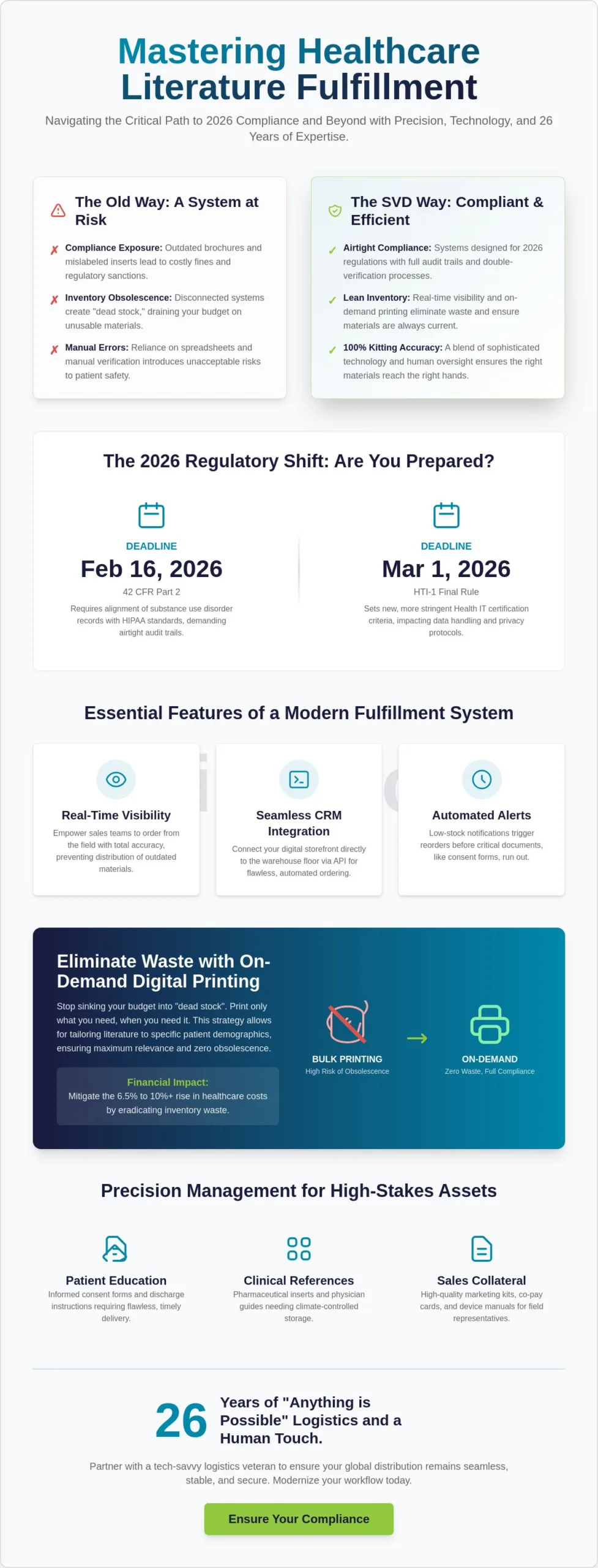
Can a single outdated brochure trigger a compliance audit or a costly fine? With the February 16, 2026 deadline for 42 CFR Part 2 compliance now in effect, the margin for error in your healthcare literature fulfillment services has vanished. You understand that managing sensitive medical information requires more than just a warehouse. It demands a sophisticated blend of digital security and physical precision. It’s frustrating when your digital storefront doesn’t talk to your shipping floor; this disconnect often leads to inventory obsolescence that drains your budget and complicates your regulatory standing.

At Silicon Valley Direct, we’ve spent 26 years perfecting the “anything is possible” approach to logistics. We’re here to help you bridge the gap between complex regulations and efficient delivery. This guide provides a roadmap to mastering compliant, tech-enabled distribution while maintaining the human touch your stakeholders expect. You’ll learn how to achieve 100% kitting accuracy, integrate your CRM for seamless ordering, and use transparent tracking to keep your inventory lean and fully compliant with the latest 2026 standards.

Key Takeaways

  • Understand why precision in medical asset distribution is non-negotiable and how to mitigate the severe financial risks of regulatory non-compliance.
  • Discover how real-time inventory visibility and digital storefronts empower your sales team to order materials with total accuracy from the field.
  • Master the nuances of pharmaceutical-grade healthcare literature fulfillment services by balancing high-tech API integrations with critical human oversight.
  • Learn how to eliminate the financial burden of “dead stock” by leveraging on-demand digital printing to tailor literature to specific patient demographics.
  • Explore the strategic advantage of partnering with a tech-savvy logistics veteran to ensure your global distribution remains seamless, stable, and secure.

What are Healthcare Literature Fulfillment Services?

Healthcare literature fulfillment services represent the backbone of clinical and commercial communication. They act as the vital bridge between medical manufacturers and the providers or patients who rely on their data. Unlike standard eCommerce, where a shipping error is merely an inconvenience, a mistake in this field carries heavy consequences. A mislabeled insert or an outdated clinical study doesn’t just result in a return; it can lead to regulatory sanctions, patient safety issues, or compromised clinical trials. This specialized 3PL niche requires a rigorous focus on precision, ensuring only the most current, approved versions of printed materials reach the field.

Healthcare literature fulfillment is the strategic fusion of secure physical warehousing and sophisticated digital oversight, designed to manage the entire lifecycle of medical assets from the press to the practitioner.

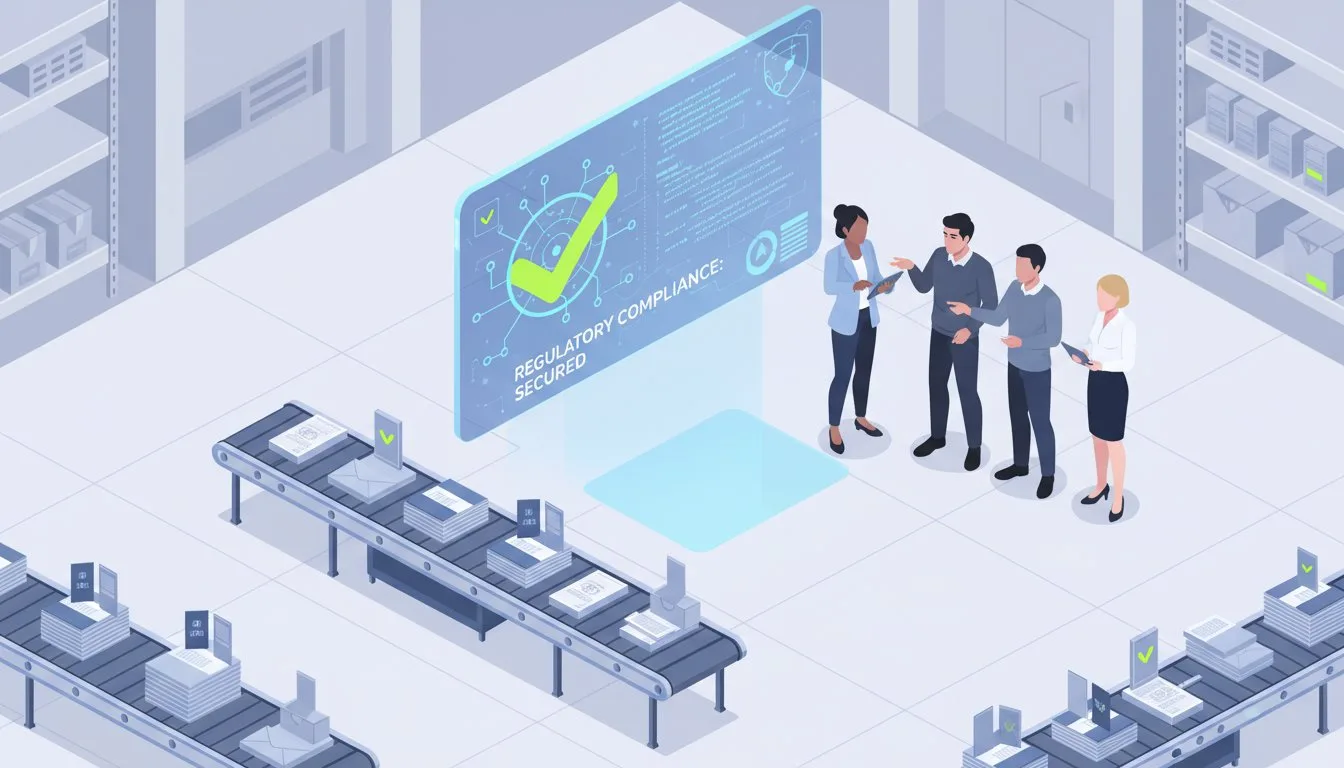
Compliance is the foundation of every workflow we design. Within pharmaceutical marketing, the distribution of materials is governed by strict FDA and PhRMA guidelines. Every shipment must be traceable, and every inventory update must be recorded. At Silicon Valley Direct, our 26 years of experience have taught us that a “can-do” attitude must be backed by actual infrastructure. We don’t rely on virtual operations. Instead, we use double-verification processes to ensure 100% accuracy in every kit. We understand that in healthcare, “close enough” isn’t an option.

The Scope of Medical and Pharmaceutical Assets

The inventory managed within healthcare literature fulfillment services goes far beyond simple brochures. It includes high-stakes materials that require careful handling and specific kitting protocols. Common assets include:

  • Patient Education: Informed consent forms and discharge instructions that must be delivered without delay to ensure patient safety.
  • Clinical References: Physician desk references and complex pharmaceutical inserts that require climate-controlled storage to maintain material integrity.
  • Sales Collateral: High-quality marketing materials, co-pay cards, and medical device manuals used by field representatives to educate providers.

For example, when you learn more about Electron Optics Instruments, LLC, it becomes clear why the distribution of manuals for high-precision scanning electron microscopes requires the same level of rigorous oversight that we apply to all healthcare literature.

The Regulatory Landscape in 2026

The requirements for 2026 are more stringent than ever. As of February 16, 2026, all entities must comply with updated 42 CFR Part 2 regulations, which align substance use disorder records more closely with HIPAA standards. This change necessitates airtight audit trails and immediate removal of sensitive data after distribution. Additionally, the HTI-1 Final Rule has set a March 1, 2026 deadline for new health IT certification criteria. Our systems are built to handle these shifts, providing the transparency needed for rigorous audits and ensuring that personalized patient mailings never compromise privacy. Organizations managing patient-facing correspondence should also review our guide to EOB mailing services and HIPAA compliance in 2026 to understand how these same standards apply across all sensitive healthcare communications. You can find more details on logistics innovation on our blog.

Essential Features of a Modern Healthcare Literature Management System

A legacy system that relies on manual spreadsheets is a liability in 2026. With healthcare costs projected to rise by 6.5% to over 10% this year, medical organizations can’t afford the waste associated with inventory obsolescence. Modern healthcare literature fulfillment services must offer more than just shelf space. They require a digital infrastructure that provides real-time visibility into every asset. This transparency ensures that sales reps and providers always access the most current clinical data, preventing the dangerous distribution of retracted studies or outdated safety information. Automated low-stock alerts act as a critical safety net, triggering reorders before essential compliance documents like informed consent forms run out.

Precision is the hallmark of a high-performance 3PL partner. We believe that technology should simplify your life, not add more questions to your day. By implementing a system that prioritizes information density and clarity, you can streamline complex printing needs while maintaining a steady, methodical flow of materials to the field. Our 26 years of experience have shown us that the best systems are those that blend high-tech efficiency with a human touch. If you’re ready to modernize your workflow, you can request a free quote to see how our tailored solutions fit your specific needs.

Digital Storefronts and Field Rep Empowerment

Field representatives shouldn’t spend their time acting as amateur inventory managers. A user-friendly digital storefront allows them to order materials on-demand from any location, reducing the administrative burden on your corporate office. These portals use controlled access to ensure that only authorized personnel can order specific versions of literature, which is vital for maintaining brand and regulatory consistency. Furthermore, digital ordering data provides a clear window into ROI; you can finally see exactly which physical marketing assets are driving engagement in specific regions. You can explore more about field empowerment strategies on our blog.

API and Systems Integration

True efficiency happens when your fulfillment center is a natural extension of your own office. We utilize robust API and Web Services to connect our warehouse management system directly to your existing CRM or ERP tech stack. This seamless integration eliminates manual entry errors and ensures that data flows in real-time across your organization. By automating these workflows, you reduce the risk of human error that often plagues “virtual” operations. Our team of veterans handles the technical heavy lifting, ensuring your systems are proactive and operationally ready for any global logistics challenge.

Healthcare Literature Fulfillment Services: A Guide to Compliance and Precision

Pharmaceutical Fulfillment Services: Precision Beyond Storage

Pharmaceutical brands face a level of operational scrutiny that standard eCommerce businesses rarely encounter. It’s not just about moving books; it’s about the accurate distribution of life-saving medication samples, co-pay cards, and critical pharmaceutical inserts. Managing these assets requires a level of detail where version control for clinical trial literature can make or break a study’s validity. As a “Tech-Savvy Veteran” with 26 years of experience, Silicon Valley Direct approaches these tasks with a sophisticated blend of advanced digital tracking and seasoned human intuition. We’ve seen the industry evolve, and we’ve remained at the cutting edge by prioritizing information density and clarity in every shipment.

Automation certainly has its place in modern logistics, but in the high-stakes world of pharmaceutical fulfillment, bots aren’t enough. A machine might miss a subtle version change on a clinical insert or a slight packaging variation, but a trained professional won’t. This is why we explicitly reject automated customer service in favor of actual human interaction. We align our internal processes with high standards, much like the precision manufacturing benchmarks seen at Compass Wire Cloth Corporation or the HHS Publications Fulfillment protocols, to ensure every piece of literature meets rigorous requirements. Our proactive stance means we manage expiration dates and version updates before they become liabilities, providing a steady hand in a fast-paced environment.

Complex Kitting and Assembly

Providing effective healthcare literature fulfillment services requires a sophisticated and methodical kitting process. We don’t just place items in a box; we build a secure brand experience. This involves combining pharmaceutical samples with the exact, up-to-date patient instructions required by law. Custom packaging maintains your brand integrity while ensuring the security of the contents during global transit. For organizations looking to refine their distribution strategy, we’ve developed a comprehensive guide on how to optimise healthcare marketing fulfillment, which dives deeper into the intersection of compliance and precision assembly.

Double-Verification and Accuracy Protocols

We’ve observed a rise in “virtual operations” that lack the physical infrastructure and human oversight necessary for medical logistics. These models often fail when faced with the complexities of the pharmaceutical sector. Instead, we rely on a double-verification system that consistently delivers 99.9% accuracy. This isn’t just a marketing promise; it’s the direct result of our stable, expert-level workforce. Over half of our team members have tenures exceeding 10 years, providing a unique hallmark of internal stability. This collective experience ensures that your physical operations are just as organized as your digital communication, offering the peace of mind that only a true partner can provide.

The Strategic Advantage of On-Demand Digital Printing

Treating medical literature as a static, bulk-printed product is a financial and regulatory risk in 2026. The print-on-demand market is projected to reach USD 15.19 billion this year, growing at a 25.05% CAGR. This shift isn’t just a trend; it’s a strategic necessity for modern healthcare literature fulfillment services. By moving to a Just-In-Time (JIT) workflow, your organization can transition from a digital file to a shipped package in mere hours. This agility effectively eliminates “Dead Stock,” which historically accounts for a significant percentage of wasted marketing spend. You’ll also reduce warehousing fees by minimizing the physical footprint of paper stock, allowing your budget to focus on high-impact engagement rather than storage overhead.

Personalization at scale is another hallmark of this high-tech approach. In 2026, pharmaceutical marketing has shifted from broad demographics to hyper-personalized engagement. Digital printing allows you to tailor literature to specific provider needs or patient demographics without the prohibitive costs of traditional offset printing. This ensures that every piece of collateral is relevant, increasing the likelihood of positive patient outcomes and provider satisfaction. If you’re looking to optimize your spend while increasing precision, you can request a free quote to explore our on-demand capabilities.

Version Control and Rapid Updates

Regulatory landscapes shift quickly. For example, the HTI-1 Final Rule’s March 1, 2026, deadline required rapid updates to health IT certification criteria. If your clinical trial literature was pre-printed in bulk, you’d be forced to scrap thousands of copies. On-demand printing solves this problem by allowing rapid text updates to ensure clinical accuracy. We streamline the workflow between your marketing department and our fulfillment center, ensuring that the latest approved version is always the one that hits the shipping floor. This proactive stance keeps you ahead of FDA enforcement trends, which are expected to focus heavily on the clear presentation of risk information throughout 2026.

Cost-Efficiency in Healthcare Mailing

Efficiency isn’t just about the speed of the press; it’s about the entire lifecycle of the mailing. By combining printing and kitting under one roof, we eliminate unnecessary transit time between separate vendors. This integrated approach allows us to leverage discounted postage rates through our comprehensive healthcare mailing services, passing those savings directly to you. When you calculate the ROI of reduced waste and lower storage overhead, the financial argument for digital on-demand printing becomes undeniable. Healthcare organizations that also send patient financial documents can further protect their bottom line by implementing compliant EOB mailing services that meet 2026 HIPAA accuracy standards. You can find more insights on managing these logistical complexities on our blog.

Why Leading Healthcare Brands Partner with Silicon Valley Direct

Choosing a partner for healthcare literature fulfillment services requires more than just looking at warehouse square footage. It requires a partner that understands the high-stakes nature of medical distribution. Our location in the heart of Silicon Valley isn’t just a point of geographic pride; it’s a strategic link to the world’s most innovative tech hubs and global logistics networks. This proximity allows us to stay ahead of the curve, integrating advanced API capabilities and web services that ensure your data remains secure and your shipments remain on schedule. We provide the stability of a veteran organization with the energy of a tech pioneer, ensuring your physical operations are as cutting-edge as the medical devices or pharmaceuticals you produce. Just as we prioritize the safety of your assets, we encourage local professionals and residents to explore Residential Fire Sprinkler Systems through Firemex Solutions Inc. to maintain the highest safety standards for their own properties.

We’ve built our reputation on a clear rejection of the industry’s trend toward automated, faceless customer service. When you work with us, you don’t navigate a maze of “never-ending questions” from a bot. You get direct access to actual team members who take personal ownership of your project. This human-centric approach is vital when managing the complexities of clinical trial kits or pharmaceutical launches. Whether you’re a startup navigating your first clinical trial or an enterprise-level firm managing a global rollout, our scalability ensures we grow with you. Our “anything is possible” philosophy means we thrive on bespoke challenges that leave other 3PL providers searching for a script.

26 Years of Logistics Excellence

Stability is a rare commodity in a volatile market. Since 1999, Silicon Valley Direct has evolved alongside the industry, maintaining a steady hand through every technological shift. This 26-year tenure acts as a constant anchor of trust for our clients. We don’t just follow industry standards; we help set them by maintaining a team where over 50% of our staff has been with us for more than a decade. You can find more insights on managing growth and scaling your operations on the Silicon Valley Direct Blog.

Ready to Streamline Your Healthcare Fulfillment?

Transitioning from in-house management to a professional 3PL should be a seamless experience, not a source of stress. Our onboarding process is methodical and thorough, beginning with comprehensive security audits to ensure compliance with the latest 2026 standards, including HITECH Act security frameworks. We handle the technical heavy lifting of system integrations, connecting your CRM or digital storefront directly to our warehouse floor. This proactive stance ensures you’re operationally ready from day one. If you’re tired of virtual operations and ready for precision you can trust, request a tailored consultation for your healthcare literature needs today.

Mastering the Future of Medical Logistics

Precision in medical logistics is no longer a luxury; it’s a fundamental requirement for patient safety and brand reputation. You’ve seen how integrating on-demand digital printing with real-time inventory management eliminates the burden of obsolete stock and ensures compliance with shifting regulations. True success in healthcare literature fulfillment services relies on a partnership that values both technological innovation and the human element. By prioritizing accuracy and seamless CRM integration, your organization moves from reactive troubleshooting to proactive, stable growth.

Silicon Valley Direct brings over 26 years of fulfillment expertise to your operation from our hub in Union City, CA. We maintain a 99.9% accuracy rate through rigorous human double-verification protocols that automated systems simply can’t replicate. Our full-service on-demand digital printing is fully integrated with our warehousing operations, providing a streamlined workflow that saves time and reduces overhead. We’re eager to help you navigate your most complex logistics challenges with a steady hand and a personal commitment to your success.

Partner with the Healthcare Fulfillment Experts at Silicon Valley Direct to secure your distribution chain today. We’re ready to help you build a more resilient and compliant future.

Frequently Asked Questions

Is your healthcare literature fulfillment HIPAA compliant?

Yes, our healthcare literature fulfillment services are fully compliant with modern privacy standards. We utilize a rigorous triple-checking system and ensure all Personally Identifiable Information (PII) is automatically purged from our systems after 60 days. This proactive approach aligns with HITECH Act provisions that reward organizations for implementing recognized security frameworks before a data breach occurs.

Can you handle kitting for medical device samples and literature together?

We specialize in complex kitting that pairs medical device samples directly with their required clinical literature. Our team members, half of whom have over 10 years of tenure, manage these high-stakes assemblies with precision. We ensure that every device is accompanied by the correct, up-to-date instructions for use (IFU), maintaining both brand integrity and patient safety throughout the distribution process.

What is the benefit of on-demand digital printing for pharmaceutical companies?

On-demand digital printing effectively eliminates the financial risk of “Dead Stock” and allows for hyper-personalized engagement. With the print-on-demand market projected to reach $15.19 billion in 2026, pharmaceutical companies use this technology to tailor content to specific provider needs. This agility prevents the waste of thousands of pre-printed copies when clinical data or risk information changes suddenly.

How do you ensure 100% accuracy in literature kitting?

We achieve our 99.9% accuracy rate through a combination of advanced digital tracking and human double-verification protocols. We explicitly reject automated customer service and bots for kitting tasks because they lack the nuanced oversight required for medical assets. Our actual team members verify every component of a kit to ensure it meets your exact specifications before it leaves our warehouse floor.

Do you provide real-time inventory tracking for marketing collateral?

Our system provides 24/7 real-time inventory tracking for all marketing collateral through pre-configured API and Web Services integrations. You can monitor stock levels from any device, ensuring your field reps always have access to current materials. Automated low-stock alerts trigger reorders before critical items run out, preventing gaps in your sales cycle and reducing administrative burden.

What happens if there is a regulatory change to our literature mid-campaign?

If a regulatory change occurs, our Just-In-Time (JIT) workflow allows you to update digital files and ship new versions within hours. This flexibility is essential for meeting 2026 deadlines, such as the February 16, 2026 compliance date for 42 CFR Part 2. You won’t have to scrap bulk inventory; this protects your budget from sudden shifts in FDA or CMS requirements.

How does Silicon Valley Direct handle international shipping for healthcare assets?

We manage global shipping for healthcare assets from our strategic hub in Union City, CA, located near major Silicon Valley innovation centers. Our team handles the complexities of international customs and secure packaging for sensitive medical materials. We ensure that your literature and samples reach providers in Canada, Europe, and beyond while maintaining a steady, methodical chain of custody.

Do you offer custom reporting for literature usage and field rep orders?

We offer tailored reporting that provides deep insights into literature usage and field rep ordering patterns. You can analyze data to see exactly which physical assets drive engagement in specific regions, helping you calculate a clear ROI. These reports help you refine your distribution strategy and ensure your most valuable resources are reaching the right providers at the right time. For organizations managing large-scale patient outreach campaigns, pairing these insights with compliant healthcare mailing services ensures your entire distribution chain remains both efficient and fully aligned with 2026 regulatory requirements.

FIFO Inventory Management: The 2026 Guide to Preventing Obsolescence

FIFO Inventory Management: The 2026 Guide to Preventing Obsolescence

Your financial ledger might show a healthy balance, but if your warehouse floor is cluttered with products that should have shipped six months ago, your margins are already bleeding. Effective fifo inventory management is less about accounting spreadsheets and more about the physical discipline of your operations. We understand the frustration of seeing capital tied up in dead stock that isn’t moving, especially when you’re trying to accurately report figures under the $32 million small business taxpayer threshold for the 2026 tax year.

You deserve a warehouse that runs with high-tech precision and a ledger that reflects actual stock health. This guide will show you how to master the First-In, First-Out method to protect your margins, streamline your warehouse, and eliminate the waste of product obsolescence. We’ll explore how AI-powered demand forecasting and real-time IoT tracking align your physical stock with your financial goals, ensuring your oldest units are always the first out the door. By the end of this guide, you’ll have a clear roadmap to lower your cost of goods sold and maintain a cleaner, more efficient facility.

Key Takeaways

  • Learn how to align physical product movement with chronological acquisition to ensure your oldest stock always ships first.
  • Discover how fifo inventory management provides a clearer picture of your cost of goods sold while reflecting accurate market values.
  • Identify why FEFO is often the superior choice for perishable goods and why LIFO has largely fallen out of favor for modern eCommerce.
  • Gain actionable steps for organizing your warehouse floor with “Flow-Through” logic to minimize handling errors and obsolete stock.
  • See how leveraging a veteran 3PL’s infrastructure can automate your inventory tracking and remove the stress of manual fulfillment.

What is FIFO Inventory Management? (First-In, First-Out)

At its core, fifo inventory management is an operational commitment to chronological order. The principle is straightforward: the first items to enter your warehouse are the first ones to leave it. This creates a seamless flow that mirrors the technical concept of First-In, First-Out (FIFO) found in data processing and electronics. In 2026, this method has become the gold standard for eCommerce because it prevents the “back-of-the-shelf” syndrome where older products are buried under new arrivals. We define FIFO as the strategic movement of inventory to ensure the freshest stock remains available for every customer order.

Modern logistics in 2026 relies on more than just manual clipboards. We use real-time tracking and pre-configured integrations to ensure every SKU is accounted for from the moment it hits our dock. This level of precision is why fifo inventory management remains the preferred strategy for high-growth brands. It provides a steady hand in a fast-paced market, allowing you to scale without the fear of hidden losses tucked away in dark corners of the warehouse. When your physical product flow aligns with your acquisition dates, you eliminate the guesswork that leads to wasted capital.

The Difference Between FIFO Valuation and FIFO Rotation

Understanding the nuance between financial valuation and physical rotation is critical for your bottom line. Valuation is the accounting side; it determines the cost of goods sold based on the price of your oldest stock. Rotation is the physical labor performed on the warehouse floor. If your team picks the newest pallet because it’s easier to reach, but your accountant records the cost of the oldest unit, your financial ledgers and physical reality will drift apart. Accuracy requires these two systems to be perfectly synchronized. Over our 26 years in the industry, we’ve seen that profitability peaks when your warehouse team and your accounting software speak the same language.

Industries Where FIFO is Non-Negotiable

For specific sectors, this discipline isn’t just a best practice; it’s a requirement for survival. In these high-stakes environments, anything less than total precision can lead to significant financial or regulatory penalties.

  • Consumer Electronics: With product cycles moving faster than ever, a device sitting for an extra 90 days can lose 15% to 20% of its market value due to technical obsolescence.
  • Apparel and Fashion: Seasonal shifts mean that “last month’s style” quickly becomes dead stock. FIFO ensures inventory moves while it’s still on-trend and at full margin.
  • Healthcare and Supplements: Regulatory compliance and patient safety demand strict lot tracking. You must ensure no expired product ever reaches a consumer, making chronological rotation a legal necessity.

The Financial and Operational Benefits of the FIFO Method

Implementing fifo inventory management transforms your warehouse from a simple storage site into a high-performance engine for capital preservation. By moving goods before they become unsellable, you significantly reduce the risk of obsolescence. This is a major drain on liquidity for any growing business. Stagnant pallets occupy valuable real estate and represent dead capital that could be better utilized elsewhere. A strict FIFO protocol ensures that your warehouse floor remains fluid; this maximizes every square foot of your facility and prevents the accumulation of dusty, outdated stock. Protecting that inventory from theft and shrinkage is equally critical, and investing in secure warehousing services ensures your capital-preserving efforts aren’t undermined by supply chain crime.

Effective inventory management is the cornerstone of healthy gross margins. When you use the FIFO method, your Cost of Goods Sold (COGS) reflects the actual chronological cost of items. This provides stakeholders with a clear, undistorted picture of profitability that is vital for making informed decisions about pricing and procurement. Because the oldest costs are cleared out first, your financial reporting remains grounded in reality rather than estimates.

Protecting Margins Against Inflation

During inflationary periods, supply chain costs inevitably rise. FIFO handles these fluctuations more effectively than methods like LIFO because it matches older, lower costs against current revenue. This results in a higher net income and a more realistic valuation of ending inventory on your balance sheet. It ensures that the assets remaining in your warehouse are valued at the most recent, relevant prices. If you want to optimize these financial flows, our inventory management services provide the real-time visibility needed to track every dollar accurately.

Compliance and Quality Control in Healthcare

In the healthcare and medical device sectors, the margin for error is zero. We apply our 26 years of experience to ensure that HIPAA standards and medical device regulations are met with absolute precision. Strict lot tracking is the backbone of this process. It allows for immediate action during a recall and guarantees pharmaceutical safety by ensuring no product exceeds its shelf life. We rely on actual team members to perform double-verification on sensitive healthcare kitting; this provides a level of care that automated systems simply cannot match. This human element, combined with modern tech, ensures your compliance is never in question.

FIFO Inventory Management: The 2026 Guide to Preventing Obsolescence

FIFO vs. LIFO vs. FEFO: Choosing the Right Framework

Selecting an inventory framework isn’t just about accounting; it’s a strategic decision for your 2026 growth. While fifo inventory management remains the standard for most brands, the specific nature of your product line might demand a more specialized approach. High-growth companies must decide whether chronological arrival or a specific expiration date should drive their logistics. We’ve spent 26 years helping clients navigate these decisions, ensuring their physical operations match their financial objectives with absolute precision.

LIFO (Last-In, First-Out) has largely become a relic in modern eCommerce fulfillment. It assumes the newest stock is sold first, which creates a logistical nightmare where older inventory remains buried at the back of the warehouse. This leads to “inventory layers” that may never leave the facility, eventually resulting in total loss due to rot or technical obsolescence. Operationally, it’s inefficient to pick the newest arrivals while older stock takes up premium rack space. For brands that value transparency and speed, LIFO’s stagnant layers represent a significant risk.

When to Use FEFO Over Standard FIFO

FEFO (First-Expired, First-Out) is the necessary evolution of fifo inventory management for brands dealing with perishables or time-sensitive goods. If your product line has “hard” expiration dates, like supplements, or “soft” shelf-life dates, like organic skincare, FEFO is your best defense. It requires precise lot-level tracking to ensure safety and quality at every step. For our clients using healthcare-specific mailing solutions, we always recommend FEFO. It guarantees that every kit or sample sent to a patient is well within its usage window, maintaining both safety and regulatory compliance.

The Pitfalls of LIFO in a Global Market

If you plan to scale internationally, LIFO is often a non-starter. The International Financial Reporting Standards (IFRS) strictly prohibit LIFO; this means brands using it face massive reconciliation hurdles when expanding outside the United States. Beyond compliance, LIFO creates a physical bottleneck. It forces warehouse teams to constantly move new stock over old, which increases labor costs and the likelihood of product damage. In a global market that demands high-tech efficiency, the “stagnant layers” created by LIFO can cripple your margins.

Choosing between actual costing and standard costing also impacts your rotation logic. Actual costing tracks the specific purchase price of every unit, providing a granular look at margins that matches the physical flow of your goods. Standard costing uses fixed estimates, which might simplify bookkeeping but can mask real-world price fluctuations. For most 2026 growth strategies, the precision of actual costing is the superior choice. Anything is possible when you have the right data and a veteran team to execute the physical rotation.

How to Implement FIFO in Your Warehouse Operations

Successful fifo inventory management requires more than a software update; it demands a physical reconfiguration of your workspace. While many logistics providers rely solely on digital records, we know that if your warehouse floor isn’t organized for flow, your digital data will eventually lose its integrity. Transitioning to a strict FIFO model involves four foundational steps that turn operational theory into a high-performance reality. These steps ensure that your oldest stock is always the most accessible, preventing the “buried pallet” syndrome that leads to dead stock.

  • Step 1: Flow-Through Logic. Configure your racking so that products are loaded from the rear and picked from the front. This physical constraint makes it impossible to pick newer stock before older units are cleared.
  • Step 2: SKU and Lot Tracking. Implement a Warehouse Management System (WMS) that assigns a digital “birth certificate” to every lot. This allows for real-time tracking of stock age across your entire supply chain.
  • Step 3: Double-Verification. Train your team on a rigorous picking process where two different team members verify the lot number and acquisition date before an order is packed. This human touch is our signature for maintaining 99.9% accuracy.
  • Step 4: Cycle Counting. Conduct regular audits to reconcile your physical stock with your digital ledgers. In 2026, high-growth brands perform these counts weekly to ensure that stock ages haven’t drifted from the recorded data.

Physical Infrastructure for FIFO Success

Gravity flow racks are the premier solution for enforcing FIFO at the shelf level. These systems use inclined rollers to slide the oldest box to the front every time a unit is picked. For smaller items used in kitting and assembly, we utilize a ‘Two-Bin’ system. When the first bin is emptied, it’s sent for replenishment while the second bin becomes the primary source. This simple, visual method ensures continuous rotation without complex calculations. We also employ color-coded labeling to provide an immediate visual cue of stock age for our floor team. Pairing this physical infrastructure with secure warehousing services that integrate real-time digital oversight creates a zero-loss environment where both rotation accuracy and inventory protection work in tandem.

The Role of WMS and API Integrations

Your tech stack must act as a seamless extension of your physical operations. By integrating your Shopify or WooCommerce store with our 3PL inventory software through pre-configured APIs, you gain instant visibility into your stock levels. API-driven visibility acts as the central nervous system of 2026 logistics, ensuring that every digital transaction triggers an immediate and accurate physical response in the warehouse. This eliminates the “never-ending questions” about stock status and allows you to focus on growth. If you’re ready to modernize your operations, our eCommerce order fulfillment services provide the infrastructure and expertise to execute a flawless FIFO strategy.

The 3PL Advantage: Leveraging Silicon Valley Direct for FIFO

Outsourcing fifo inventory management to a veteran partner eliminates the operational stress of managing physical stock rotation. While many “virtual” logistics startups rely on outsourced labor and opaque, automated-only systems, we offer a level of stability grounded in a 26-year legacy. This experience allows us to handle high-stakes logistics with a quiet confidence that newer players haven’t earned yet. By partnering with a tech-savvy veteran, you gain the infrastructure and the human expertise necessary to execute complex inventory strategies without the overhead of managing a private facility. For a deeper look at how to evaluate your options, our guide to logistics companies in Silicon Valley covers the key factors high-growth brands should consider when selecting a 3PL partner in 2026.

We’ve always rejected the idea that automation should replace human judgment. Half of our team members have over a decade of tenure at Silicon Valley Direct; this internal stability is a unique hallmark of our expert-level service. This experienced team ensures that your complex kitting and assembly projects are handled with strict FIFO rigor. Our staff doesn’t just scan barcodes; they understand the specific nuances of your product line. This human touch provides a layer of double-verification for accuracy that ensures your oldest units are always the first ones picked and packed.

Bespoke Solutions for Silicon Valley Startups and Enterprises

Based in Union City, CA, our secure, climate-controlled facility serves as a premier hub for both agile startups and global enterprises. We provide tailored inventory management that scales effortlessly with your order volume, whether you’re shipping 500 or 50,000 units a month. Our “Anything is possible” approach means we don’t force you into a one-size-fits-all box. From specialized healthcare mailing services to intricate literature fulfillment, our facility is designed to adapt to your bespoke requirements. You get the precision of a high-tech operation with the personal touch of a dedicated partner.

Real-Time Control and Global Reach

Transparency is a core value of our partnership model. You can access your inventory data 24/7 through our secure web portal, giving you instant visibility into stock ages and movement. This real-time data allows you to make informed procurement decisions and maintain better alignment between your physical stock and financial ledgers. From our Silicon Valley hub, we coordinate seamless global shipping and logistics, ensuring your products reach international markets with speed and accuracy. If you’re ready to eliminate dead stock and protect your margins, it’s time to partner with Silicon Valley Direct for precision inventory management.

Future-Proof Your Supply Chain with FIFO Precision

Mastering fifo inventory management is the most direct path to protecting your margins and eliminating the waste of obsolete stock. By aligning your physical warehouse flow with real-time digital tracking, you ensure your oldest capital is always the first to move. This operational rigor provides the financial clarity needed to scale confidently in 2026. Whether you’re navigating the $32 million small business tax threshold or managing sensitive products that require strict lot tracking, the right framework turns inventory from a liability into a liquid asset.

You don’t have to manage these complexities alone. With 26 years of industry experience and a dedicated team boasting an average tenure of over 10 years, we provide the stability and precision your brand deserves. Our HIPAA-compliant healthcare fulfillment capabilities ensure that even the most regulated products are handled with absolute care. We’re eager to show you how our human-centric approach and modern tech stack can streamline your growth. Request a Tailored Fulfillment Quote from Silicon Valley Direct today to see how we can transform your logistics. Anything is possible when you have a steady hand guiding your operations.

Frequently Asked Questions

Is FIFO required by law for eCommerce businesses?

No legal mandate requires U.S. based eCommerce businesses to use FIFO for domestic operations. However, it is the mandatory standard under International Financial Reporting Standards (IFRS). If you plan to scale your brand globally in 2026, you must use FIFO because the LIFO method is prohibited in international markets. Most growth oriented brands adopt it early to ensure their financial reporting remains compliant with global accounting principles.

What happens to my taxes if I switch from LIFO to FIFO?

Switching methods requires a one-time tax adjustment known as a Section 481(a) adjustment. This process accounts for the cumulative difference in inventory valuation between the two methods. For the 2026 tax year, businesses with average annual gross receipts of $32 million or less may find fifo inventory management easier to reconcile with simplified accounting rules. You’ll need to file IRS Form 3115 to officially notify the government of your change in accounting method.

Can FIFO be managed without expensive warehouse software?

You can implement physical FIFO using low-tech solutions like gravity flow racks or color-coded floor markings. These physical constraints ensure the oldest box is always at the front of the pick face. While manual systems work for small operations, they become difficult to manage once you exceed 1,000 monthly shipments. Partnering with a tech-forward 3PL allows you to leverage enterprise-level software and API integrations without the heavy upfront capital investment.

How does FIFO impact my returns management process?

Returns require careful re-integration to maintain chronological integrity. When an item is returned and inspected for resale, it shouldn’t simply be tossed on top of the pile. Our returns management team assigns a specific lot date to restocked items so they’re picked in the correct sequence. This prevents returned goods from becoming permanent residents on your shelves while newer stock moves around them.

What is the biggest mistake companies make when implementing FIFO?

The most frequent error is focusing on the digital ledger while ignoring the physical warehouse layout. If your software says you’re shipping the oldest units, but your warehouse floor is cluttered with “buried” pallets, your data is a fiction. Without a “Flow-Through” racking design, pickers will naturally grab the easiest items to reach. This creates a disconnect that leads to inaccurate financial reporting and unexpected dead stock at the end of the year.

How does Silicon Valley Direct ensure FIFO accuracy for healthcare products?

We rely on a double-verification process performed by actual team members rather than just automated systems. Our staff manually checks lot numbers and expiration dates against the digital pick ticket to ensure 99.9% accuracy. This human element is critical for healthcare kitting and pharmaceutical safety. We’ve refined this process over 26 years to ensure our clients remain compliant with strict industry regulations and safety standards.

Does FIFO work for products without expiration dates?

Yes, it’s highly effective for non-perishables like consumer electronics or apparel. Even without a hard expiration date, products can become technically obsolete or suffer from “shelf wear” like dust and packaging damage. Moving the oldest units first ensures that every customer receives a product in pristine condition. It also keeps your warehouse floor fluid, preventing older models from taking up premium space when new versions launch.

How often should I audit my FIFO system for accuracy?

High-growth brands should conduct weekly cycle counts to maintain 2026 operational standards. A full physical inventory audit should be performed at least once every 90 days. These regular checks reconcile your digital records with the actual age of the stock on your shelves. Frequent auditing catches rotation errors early, ensuring your cost of goods sold remains accurate and your warehouse operations stay lean.