The Ultimate 3PL Onboarding Checklist: A Strategic Guide for 2026
What if the biggest threat to your brand’s growth isn’t a market shift, but the silence of ‘dark’ inventory during a warehouse move? It’s a common anxiety for scaling businesses that fear losing visibility or encountering hidden setup fees. You need a partner who acts as a steady hand, drawing on over 25 years of operational history to ensure your transition is precise. That’s why we’ve developed a comprehensive 3pl onboarding checklist to eliminate technical friction and ensure your data remains secure from the very first scan.
We believe that successful logistics integration requires a blend of high-tech visibility and high-touch human oversight. By following this strategic guide for 2026, you’ll master the transition with a 100-point plan designed for a zero-error move. We’ll preview the essential stages of API synchronization, physical stock verification, and the reporting methods needed to maintain real-time control. This roadmap ensures your new partnership feels like a natural extension of your own team, providing the stability you need to grow without the typical growing pains.
Key Takeaways
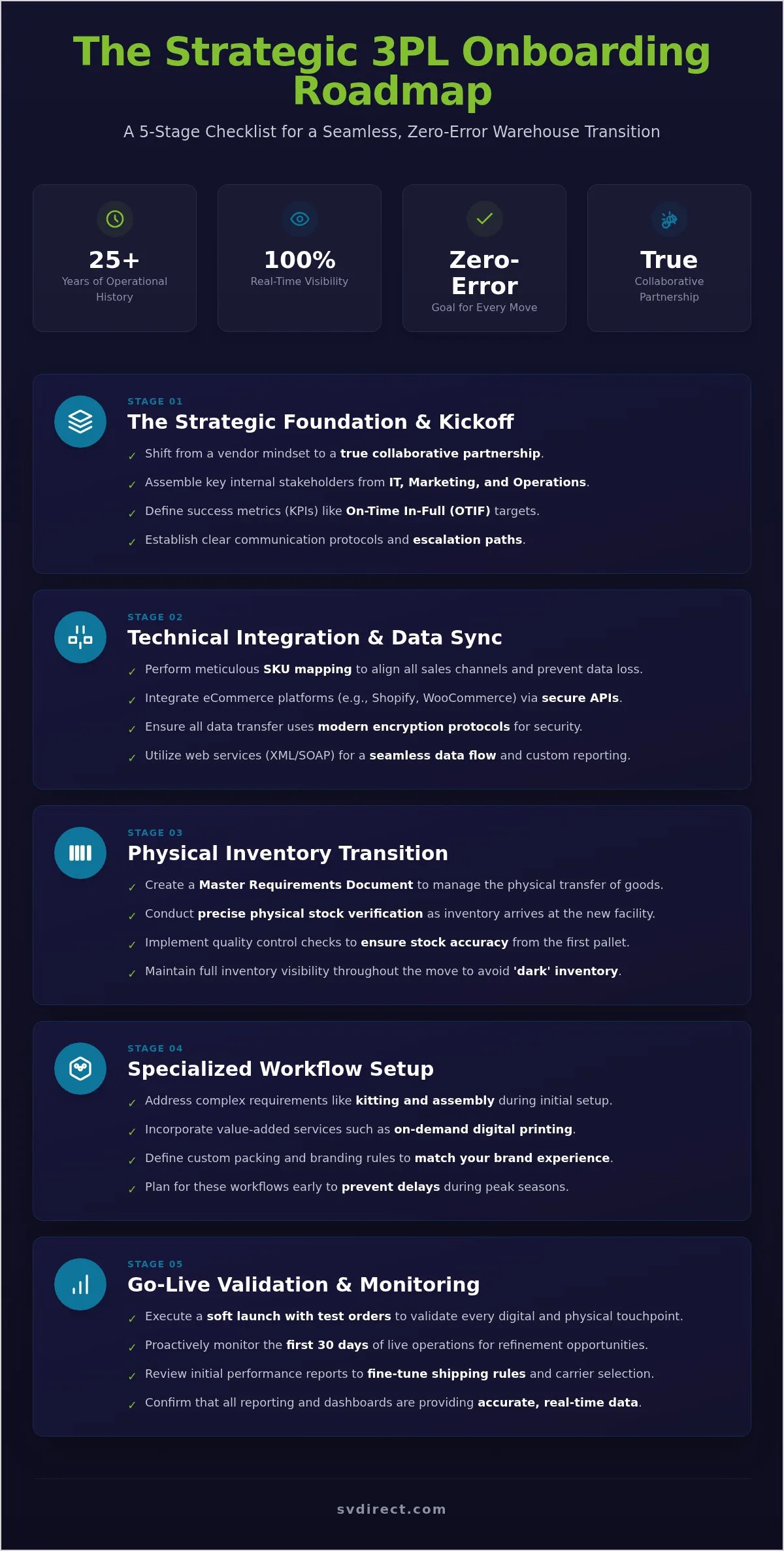
- Successful integration starts by shifting from a vendor mindset to a true partnership. This collaborative approach ensures your logistics provider operates as a seamless extension of your internal team.
- A comprehensive 3pl onboarding checklist must prioritize technical synchronization and precise SKU mapping. These steps are vital to preventing data loss and ensuring your inventory remains visible throughout the move.
- Utilize a Master Requirements Document to manage the physical transfer of goods. This structured process provides the clarity needed to maintain stock accuracy from the moment your first shipment arrives.
- Incorporate specialized workflows like on-demand digital printing and complex kitting into your initial setup. Addressing these technical requirements early prevents operational delays during your peak seasons.
- Execute a soft launch with test orders to validate every digital and physical touchpoint. Monitoring the first 30 days of live operations allows for the proactive refinement of shipping rules and carrier performance.
The Strategic Foundation: Pre-Onboarding and Kickoff
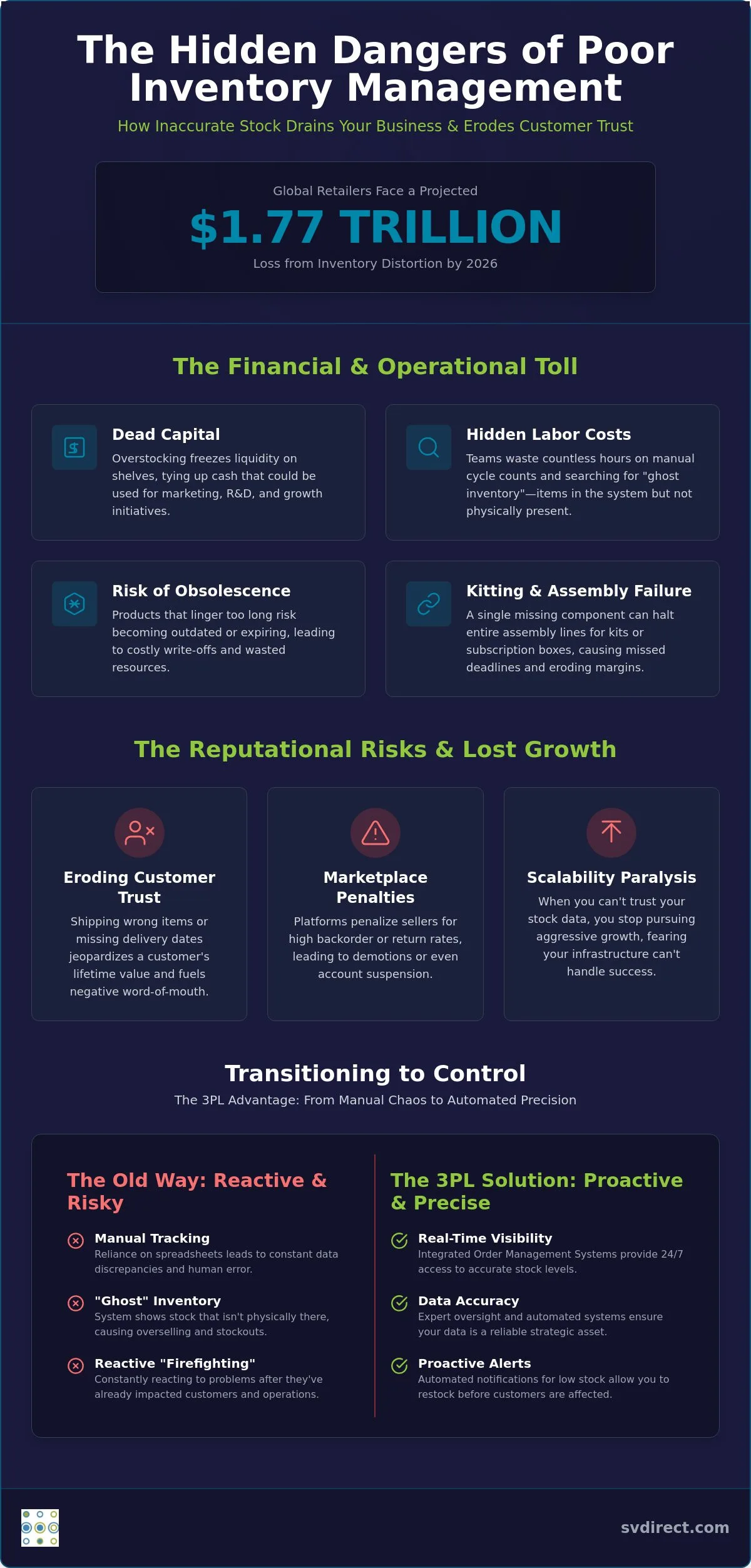
At its core, Third-party logistics (3PL) onboarding is the systematic alignment of your digital sales channels, backend data, and physical inventory with a fulfillment partner’s operations. It isn’t just a simple software handshake. It’s a high-stakes transition that requires a steady hand to avoid “dark” inventory or data loss. Viewing this move through the lens of a 3pl onboarding checklist helps you shift from a transactional vendor mindset to a collaborative partnership. A vendor simply ships boxes; a partner integrates with your team to solve problems before they reach the customer, creating a foundation for long-term scalability.
Establishing Your Success Metrics (KPIs)
Precision is the hallmark of high-performance logistics. You must define what success looks like before the first pallet arrives. We recommend setting “On-Time In-Full” (OTIF) targets that reflect your specific industry requirements, as healthcare mailing needs differ from consumer electronics. Using a 3pl onboarding checklist ensures that accuracy benchmarks for inventory receiving and order picking are established early. Our Remote Control™ system provides 24/7 visibility into these metrics through 120+ standard reports, so you’re never guessing about your stock levels.
Communication and Project Management
Effective logistics management requires moving beyond endless email chains. A proactive communication cadence, led by a dedicated project manager, prevents the hectic warehouse environment that causes errors. This human-centric approach ensures that your account manager understands the nuances of your assembly needs. You can learn about SVD’s proactive problem-solving philosophy to see how dedicated oversight transforms the shipping experience. This proactive stance ensures your operations remain grounded and accessible even during rapid growth.
Technical Integration: Syncing Your Digital Ecosystem
The digital handshake between your storefront and our warehouse is where operational speed is won or lost. Integrating your eCommerce platform, whether it’s Shopify or WooCommerce, requires more than just a simple plugin installation. It demands a meticulous SKU mapping process to ensure every item variant aligns perfectly across all sales channels. This technical alignment is a core component of any robust 3pl onboarding checklist. Without it, you risk duplicate entries or “ghost” stock that disrupts the customer experience. Our approach prioritizes a seamless data flow that eliminates manual entry errors and provides a stable foundation for growth.
Maintaining security in 2026 means adhering to the latest encrypted data transfer protocols. We ensure that every transaction and customer detail is protected during the sync. This commitment to data integrity allows you to focus on scaling while we handle the mechanical complexities of order transmission. With 85% of supply chain executives planning to increase AI spending in 2026, having a clean data foundation is no longer optional. A precise 3pl onboarding checklist ensures that your data is structured correctly from day one, allowing you to leverage advanced forecasting tools effectively.
Leveraging Web Services and API Integration
We utilize platform-agnostic XML and SOAP protocols to facilitate effortless communication between disparate systems. These programmatic interfaces empower your developers to build custom user dashboards tailored to your specific reporting needs. The AddOrder method streamlines real-time transaction submission by allowing your external systems to programmatically push new orders directly into our management system for immediate processing. This level of flexibility ensures that your technical ecosystem remains agile and responsive to market demands.
Proprietary Data Management Tools
Visibility shouldn’t end when the warehouse doors close. Our proprietary Remote Control™ system offers the ultimate advantage by providing 24/7 access to your inventory and order histories. You can explore our Remote Order Management system to see how we provide 120+ standard reports at your fingertips. This tool doesn’t just display data; it acts as an early warning system with automated notifications for low inventory levels and backorders.
This high-tech efficiency is always backed by human expertise. While our systems handle the heavy lifting of data synchronization, our account managers provide the personal oversight necessary to catch nuances that algorithms might miss. If you’re ready to see how a high-performance partner can stabilize your digital operations, you might want to request a custom quote tailored to your integration needs.
Physical Inventory Transition and Quality Control
The digital sync discussed in the previous section provides the visibility, but the physical migration of your stock is where a partnership is truly tested. A successful transition relies on a Master Requirements Document (MRD). This blueprint defines every physical attribute of your products, from precise dimensions to exact weights. It ensures that when your inventory arrives, there are zero discrepancies between what was sent and what is shelved. This document is a non-negotiable part of your 3pl onboarding checklist, acting as the source of truth for the entire operations team.
Coordinating the “Big Move” from your old facility requires meticulous timing. It isn’t just about loading trucks. It’s about staging shipments to prevent bottlenecks and ensuring your inventory doesn’t “go dark” during transit. Once your goods reach our doors, our inbound receiving protocols take over. We verify quantities, weights, and product condition against the MRD with absolute precision. Our quiet, organized facility methodology isn’t just a slogan. It’s a deliberate operational choice to reduce the noise and chaos that lead to receiving errors. This calm environment allows our staff to focus, ensuring your inventory is available for sale the moment it’s processed.
The Systematic QC-Check Process
Inspection is a core pillar of our 25 year operational history. For complex kitting or hand assembly, a systematic QC-Check process is essential to maintain brand integrity. We believe inspection at every stage is non-negotiable because catching a mistake at the end of a run is often too late. For brands with high-value inventory, secure and climate-controlled warehousing provides an additional layer of protection. You can learn more about Secure Warehousing for High-Value Electronics to understand how we protect specialized assets through every step of a 3pl onboarding checklist.
Inventory Categorization and Storage
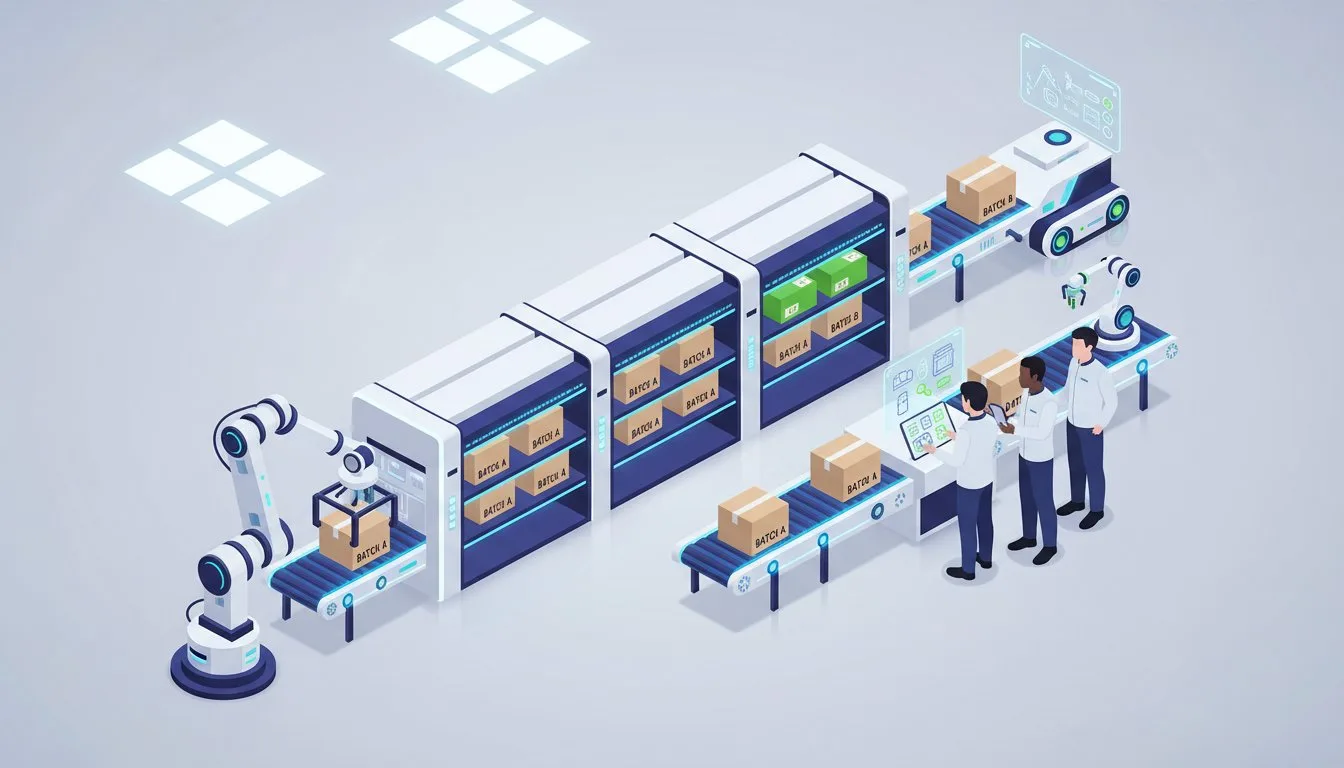
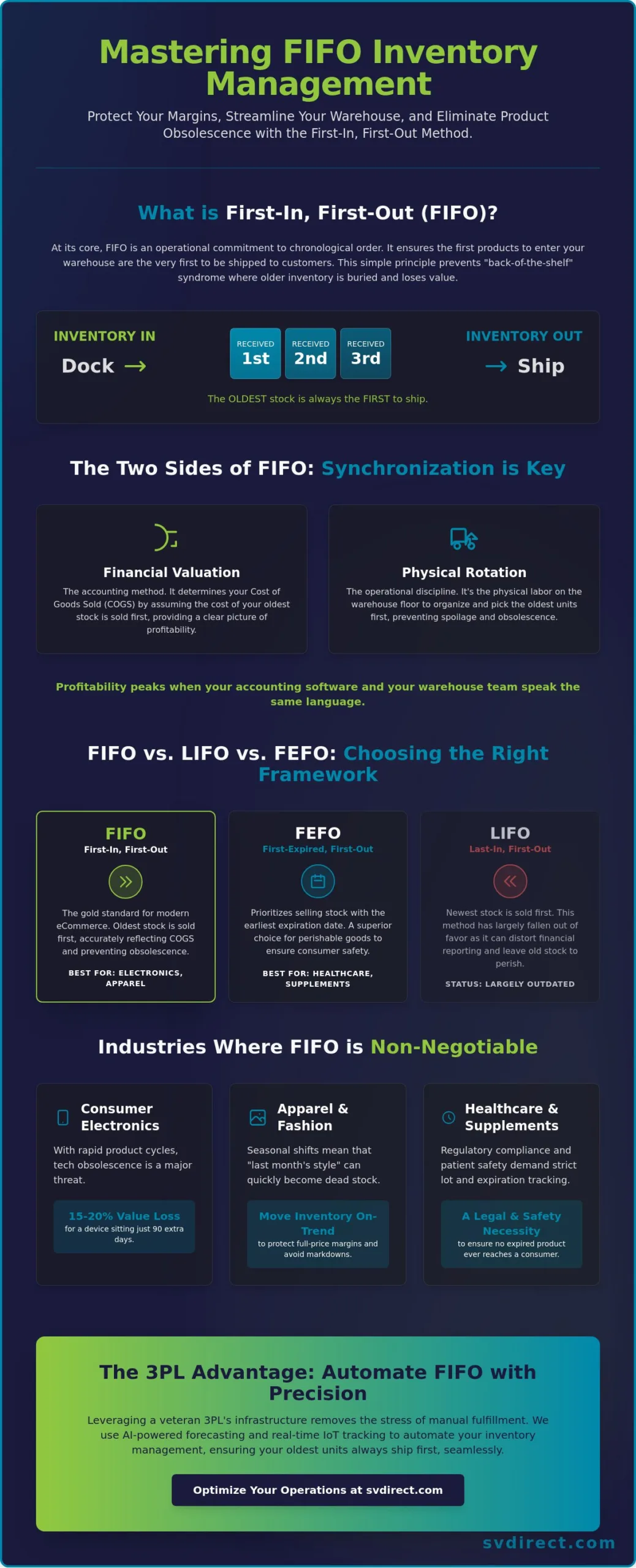
Speed in fulfillment starts with how items are shelved. We use ABC analysis to organize inventory, placing high-velocity products in the most accessible zones for faster pick-and-pack cycles. For items requiring strict accountability, we set up serial number tracking at the product level. This ensures you can trace every unit from the moment it enters our facility until it reaches the customer’s doorstep. We also manage literature and promotional assets alongside your primary products. This integrated approach ensures that marketing collateral is always available for kitting, maintaining a consistent brand experience across every package shipped.
Onboarding for Specialized Workflows: Kitting and Printing
Healthcare-specific compliance adds another layer of complexity to the transition that many providers overlook. If you handle medical kits or patient communications, your onboarding process must verify HIPAA-compliant protocols for mailing and data handling. Our facility is designed to manage these sensitive requirements with the same quiet, organized precision we apply to eCommerce orders. This ensures your brand remains compliant while benefiting from high-performance logistics infrastructure. Managing these intricate requirements within your 3pl onboarding checklist prevents operational bottlenecks and legal risks during high-volume launches.
Just-In-Time Digital Printing Setup
Configuring 4-color digital printing for short-run materials requires high-resolution standards to maintain brand quality. We utilize HP Indigo 5500 liquid ink technology to ensure that every print-on-demand asset meets a 300 dpi standard. This setup allows for rapid adjustments to marketing materials without the lead times associated with traditional offset printing. It’s a proactive way to manage promotional literature and seasonal inserts. You can discover our Print-on-Demand capabilities to see how we bridge the gap between digital marketing and physical fulfillment through high-tech integration.
Kitting and Assembly Precision
Complex kitting, from subscription boxes to intricate software packages, demands a rigorous assembly process. We develop detailed assembly instructions and quality benchmarks for every hand-kitting project. Our systematic QC-Check process ensures that each kit is built to your exact specifications, whether it’s for promotional fulfillment or tradeshow support. For a deeper look at these processes, see our Kitting and Assembly Services: Strategic Guide. This level of oversight provides the stability needed for high-stakes assembly work.
The Go-Live Validation and 30-Day Monitoring
The transition from planning to execution is the most high-stakes moment of the logistics journey. We recommend a “Soft Launch” phase to validate every digital and physical connection before opening the floodgates. By processing a small batch of test orders, you can confirm that the digital handshake between your store and our facility is flawless. This validation step is a critical milestone in our 3pl onboarding checklist, ensuring that shipping rules and carrier selections trigger correctly. It’s much easier to refine a process during a controlled pilot than during a full-scale launch where customer expectations are already on the line.
Once live, the focus shifts to monitoring carrier performance and the accurate application of discounted shipping rates. We use the first month to establish a robust returns management workflow, which is essential for building long-term customer trust. Returns shouldn’t be a secondary thought. They’re a vital part of the brand experience that requires the same precision as outbound fulfillment. Reviewing the first month’s reports allows us to identify any minor friction points and refine the operational rhythm. With 76% of supply chain leaders reporting improved forecast accuracy in 2026, using this initial data to sharpen your inventory planning is a proactive move for future growth.
Validation and Troubleshooting
After the initial launch, we conduct a post-onboarding audit to identify any hidden inefficiencies. This isn’t a one-time check but a commitment to operational excellence. Our stakeholders have 24/7 access to live reporting through the Remote Control™ system, providing total transparency into every movement and order status. This ensures that everyone from IT to marketing remains informed and confident. For a broader look at shipping complexities and international regulations, see our Global Shipping Services: 2026 Strategic Reference.
Earning Long-Term Trust
A successful 3pl onboarding checklist is just the beginning of a continuous improvement journey. We move beyond the initial setup to look for ways to optimize your supply chain as your brand scales. You need a partner who thinks outside the box, offering bespoke problem-solving that automated bots simply can’t provide. Our multi-decade history is anchored in the belief that human oversight is the ultimate differentiator in a tech-driven market. This proactive attitude ensures your business remains agile, stable, and ready for the demands of a global marketplace.
Ready for a seamless transition? Contact Silicon Valley Direct today
Securing Your Growth with a Precision-Driven Partnership
Mastering a logistics transition requires more than just a software sync. It demands a high-touch approach that aligns your digital ecosystem with a quiet, organized physical facility. By utilizing a comprehensive 3pl onboarding checklist, you’ve established a source of truth that prevents data loss and ensures your inventory never goes dark. Integrating specialized workflows like complex kitting and high-resolution digital printing early on creates a seamless brand experience from day one. This proactive strategy turns your fulfillment operations into a stable foundation for scaling.
Since 1999, we’ve acted as a steady hand for brands navigating these technical and physical complexities. Our proprietary Remote Control™ system provides the 24/7 visibility you need to maintain informed confidence throughout the go-live phase and beyond. This isn’t just about moving boxes. It’s about building a partnership where physical operations are as organized and reliable as your digital strategy. We’re committed to ensuring your transition is error-free and your stock is visible from the moment it reaches our doors.
Your brand deserves a partner that treats your growth with personal commitment and technical precision. We’re ready to help you turn your logistics from a source of anxiety into a powerful engine for your 2026 expansion.
Frequently Asked Questions
What is a 3PL client onboarding checklist?
A 3PL client onboarding checklist is a structured roadmap that aligns your digital ecosystem, physical inventory, and operational standards with your logistics partner. This comprehensive 3pl onboarding checklist ensures that data syncs correctly and stock is verified before shipping begins. It serves as a source of truth for both your internal team and our account managers, preventing data loss and ensuring a seamless operational integration from the very first day of the partnership.
How long does the 3PL onboarding process typically take?
The onboarding timeline typically spans two to six weeks depending on your operational complexity. While a simple eCommerce integration might be finalized quickly, projects involving complex kitting or healthcare mailing require additional time for rigorous testing. We prioritize a methodical pace to ensure every API connection and physical receiving protocol is perfect. This steady hand approach prevents the hectic warehouse environments that lead to errors during rapid growth or seasonal peaks.
What data does a 3PL need to begin the system integration?
System integration begins with your SKU list, product dimensions, weights, and API credentials for your eCommerce platforms. We also need any specific assembly instructions for kitting or high-resolution assets for on-demand digital printing. Providing this data through a Master Requirements Document allows our Remote Control™ system to establish 24/7 visibility immediately. This organized data foundation is essential for maintaining real-time stock accuracy and ensuring that your reporting remains precise and actionable.
How do I prevent shipping delays during the move to a new 3PL?
Preventing delays requires a “Soft Launch” phase where a small batch of test orders is processed before the full transition. This pilot validates that your shipping rules and carrier selections are functioning correctly within the digital ecosystem. By identifying friction points in a controlled environment, you avoid the silence of “dark” inventory during the move. Our proactive problem-solving philosophy ensures that your customers never experience a disruption in service while we refine the operational rhythm.
What are the common mistakes businesses make when onboarding a 3PL?
A common mistake is viewing the transition as a purely technical software sync rather than a collaborative partnership. Businesses often overlook the importance of physical stock verification or fail to define clear escalation paths for technical issues. Within a robust 3pl onboarding checklist, these human elements are just as critical as the API connections. Ignoring specialized workflows like variable data printing or returns management early on can also create bottlenecks that slow down your long-term scalability.
Can I integrate my existing custom software with a 3PL system?
Our system is designed to integrate with custom software through platform-agnostic XML and SOAP protocols. These programmatic interfaces allow your developers to build custom dashboards or push real-time transaction data directly into our Order Management System. This flexibility ensures that your existing digital investments remain valuable while gaining the benefit of our 25 years of operational history. You don’t have to change your entire workflow to gain high-tech efficiency and human oversight.
How much does 3PL onboarding cost for a small business?
Onboarding costs are generally determined by the complexity of your technical setup and the volume of inventory being transitioned. While setup fees in the industry can range from $250 to over $1,000, we focus on providing a bespoke quote that reflects your specific needs. This might include configurations for HP Indigo digital printing or specialized healthcare compliance. Investing in a precise setup prevents hidden fees and operational errors that could cost much more later.
What happens if my inventory levels don’t match during the transition?
We perform a physical count to reconcile your digital records with the actual stock in our facility if discrepancies arise. This verification process uses your Master Requirements Document as the source of truth to identify where gaps occurred during the move. Our Remote Control™ system then updates your inventory levels in real-time to ensure your storefront reflects accurate data. This transparent approach ensures your partnership is built on a foundation of trust and operational precision.