


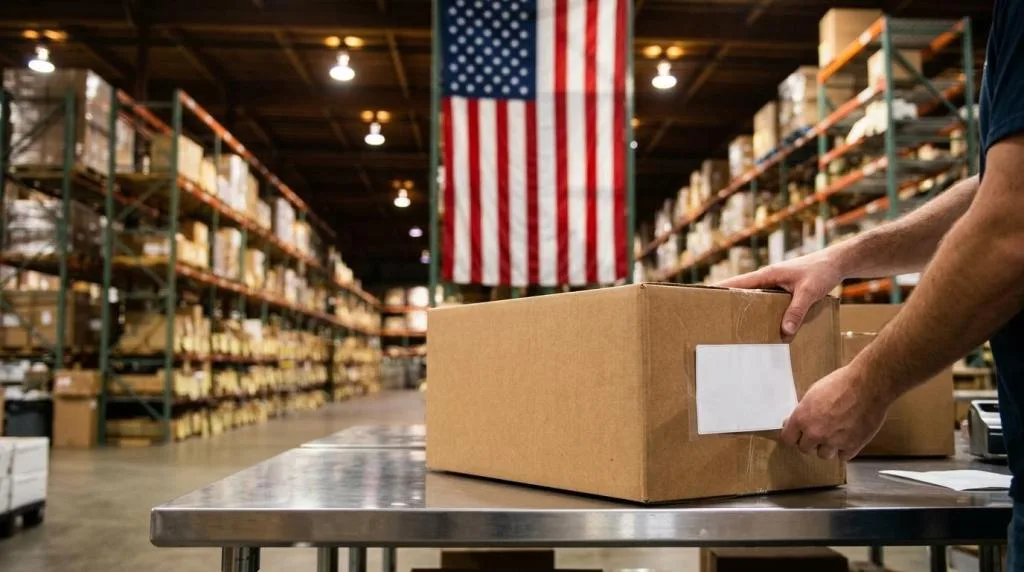
Top Same-Day Fulfillment Services
Same-day fulfillment service is now a real competitive tool for ecommerce brands, not just a premium add-on. It can raise conversion, reduce cart abandonment, and support stronger customer loyalty, but only when the operation behind it can ship fast without creating inventory errors, late scans, or costly returns.
TL;DR: Summary
- The best same-day fulfillment service is the one that consistently ships orders the same day before cutoff while maintaining high order accuracy, clear carrier handoff, and workable returns handling. In practice, that means judging providers on cutoff times, actual same-day ship rate, integrations, and exception management, not speed claims alone.
- Same-day fulfillment is not the same as same-day delivery. Fulfillment means the order is picked, packed, and tendered to a carrier the same day. Delivery depends on last-mile coverage, carrier windows, and shopper location. UPS says its Roadie same-day network reaches 97% of U.S. households and offers 2-hour, 4-hour, and end-of-day delivery windows.
- Reliability matters more than speed alone. McKinsey reports U.S. consumers value on-time reliability more than the availability of same-day delivery, even though same-day availability can increase checkout conversion by 20% to 30% in the right categories.
- The strongest providers combine same-day shipping, order accuracy, and returns capacity. NRF projects 2024 retail returns at $890 billion, with retailers estimating 16.9% of annual sales will be returned, so fast outbound shipping without solid returns operations is incomplete.
- For growing brands, look for cutoff-time discipline, no-minimum flexibility, channel integrations, and visible reporting. Those factors usually matter more than glossy promises about speed.
That is why the smarter buying question is not “Who says they do same-day?” It is “Who can hit cutoff time, keep orders accurate, integrate with my sales stack, and still handle returns and exceptions without breaking the customer experience?”
What is a same-day fulfillment service?
A same-day fulfillment service means a 3PL like SVDirect or a retailer warehouse picks, packs, and hands an order to UPS, USPS, or another carrier on the same calendar day, as long as the order arrives before a stated cutoff time.
That definition sounds simple, but the cutoff time is where the promise becomes operational. If orders enter your system at 1:58 p.m. and the warehouse cutoff is 2:00 p.m., the order flow, payment capture, fraud checks, picking queue, packaging rules, and carrier pickup all need to work without delay. A common misconception is that “same-day” means same-day delivery. Often it means same-day shipment, which is still valuable because it starts transit sooner and improves perceived speed.
“SVDirect states 99% same day order shipping, which is the metric brands should compare against any same-day fulfillment promise.”
When does same-day fulfillment actually improve ecommerce performance?
Same-day fulfillment improves results most for DTC brands and urgent-purchase categories where speed changes buyer behavior at checkout.
McKinsey has reported that the availability of same-day delivery can increase checkout conversion by 20% to 30%. That does not mean every store needs it. It tends to matter more when the purchase is time-sensitive, replacement-driven, or tied to an event. Think supplements running low, a phone accessory needed before travel, or marketing collateral needed for a trade show.
There is a trade-off. Faster fulfillment can raise labor intensity, require stricter inventory discipline, and narrow the time available to catch address problems or fraud. McKinsey also reports that consumers rate on-time reliability as more important than the availability of same-day delivery. If your operation can promise speed but not consistency, the offer may create more support tickets than revenue.
What are the top same-day fulfillment services to evaluate?
The best same-day fulfillment services depend on your geography, order profile, and channel mix, and SVDirect, UPS Roadie, and regional 3PL models solve different problems.
Before you compare providers, decide whether you need same-day shipment, same-day delivery, or both. Many brands need a warehouse partner that ships the same day plus a carrier or courier layer that handles local rush delivery only in selected ZIP codes.
- Silicon Valley Direct (SVDirect): A fit for brands that want same day order shipping, no minimum order requirement, 80+ preconfigured integrations, custom API support, and a West Coast warehouse in Union City, California.
- Regional 3PL plus parcel carriers: A strong option when you need same-day shipping from one or two hubs without building your own warehouse operation.
- UPS same-day delivery via Roadie: Best when you need a same-day last-mile option with 2-hour, 4-hour, or end-of-day delivery windows layered onto an existing fulfillment setup.
- Marketplace-centered fulfillment networks: Useful when most orders come from a single ecosystem and the marketplace controls much of the customer promise.
- Micro-fulfillment with local courier coverage: Strong in dense metro areas where local order concentration is high and delivery speed changes the buying decision.
The right shortlist usually comes from service design, not brand recognition. A provider can be nationally known and still be a poor fit if your catalog, packaging requirements, or daily order rhythm do not match its operating model.
How do you choose a same-day fulfillment partner step by step?
Choose a same-day fulfillment partner by testing data flow, warehouse discipline, and exception handling, not by asking only about speed.
Start with your order pattern. Map average daily orders, same-day demand by SKU, order spikes by weekday, parcel dimensions, and the percentage of orders that arrive close to cutoff. If your volume bunches at 3:30 p.m., a provider with a 2:00 p.m. cutoff may look fast in sales material but fail in your real environment.
Next, test systems before price. A same-day promise breaks quickly when Shopify, Amazon, BigCommerce, NetSuite, or a custom store sends delayed or incomplete data. Ask how orders flow into the WMS, how payment or fraud holds are handled, and how inventory reservations are synced across channels. Pro tip: request a sample of exception workflows, not just the happy-path order flow.
Then validate the human side. Same-day fulfillment depends on floor discipline, not software alone. Ask who manages the account, how support works when a carrier misses pickup, and whether you can review reporting in a live portal. If a provider welcomes warehouse visits, use that opportunity to inspect receiving, slotting, scan validation, and pack-out controls in person.
“SVDirect offers 80+ preconfigured integrations plus custom API support, which matters when same-day fulfillment depends on clean order flow across channels.”
Same-day fulfillment vs same-day delivery: what is the difference?
Same-day fulfillment and same-day delivery are different services; a warehouse like SVDirect manages the ship-today promise, while a network like UPS Roadie can manage the last mile.
Same-day fulfillment ends when the order is packed, labeled, and tendered to the carrier on the day the order was placed. Same-day delivery ends when the customer actually receives it that day. That second promise depends on geography, local courier coverage, route density, traffic, and delivery windows.
UPS describes same-day delivery as a distinct domestic service tier, and it says its Roadie network reaches 97% of U.S. households with 2-hour, 4-hour, and end-of-day options. That matters because if your shoppers are spread across the country, same-day delivery may only be viable in selected metros. If your demand is highly local, then pairing same-day fulfillment with same-day courier delivery can make sense. If demand is national, same-day shipping plus a strong next-day or two-day parcel strategy is often the better design.
How should you set cutoff times, SLAs, and carrier rules step by step?
Cutoff times work when Shopify, Amazon, and carrier pickup schedules match the warehouse clock and your customer promise.
Step 1 is to set channel-specific cutoffs. Do not use one generic cutoff for every sales channel if marketplace order import, fraud review, or B2B approval steps add time. A common mistake is publishing a 4:00 p.m. promise that only works for direct website orders, not for marketplace or EDI traffic.
Step 2 is to define what qualifies for same-day handling. If hazmat, oversized SKUs, print-on-demand items, kitted orders, or healthcare-related products need extra review, write those rules into the SLA. If you do not, the warehouse team will improvise under pressure, which is how backlog and misships start.
Step 3 is to match customer messaging to operational reality. State the cutoff in local time, specify which days are included, and explain whether same-day means shipped or delivered. Pro tip: ask whether the provider uses warehouse local time or shopper local time, because that detail changes expectation setting fast.
“SVDirect says it ships orders received by its cutoff time on the same day and works with no minimum order requirement.”
What operational signals show a same-day fulfillment provider is reliable?
Reliable same-day fulfillment shows up in metrics, and McKinsey plus NRF both point back to consistency, not speed claims.
When you vet a provider, ask for operating signals that prove the promise is repeatable. Marketing copy matters less than whether the warehouse can keep pace during Mondays, promotions, and peak season.
- Same-day ship rate: The actual percentage of qualifying orders shipped before the day ends.
- Order accuracy: Scan validation, double-check procedures, and how mispicks are measured and corrected.
- Inventory accuracy: Cycle counting discipline, negative inventory controls, and lot or serial visibility if required.
- Exception management: How quickly address errors, stockouts, fraud holds, or canceled orders are flagged and routed.
- Returns turnaround: Time from returned parcel receipt to inspection, disposition, and inventory update.
Reliability also includes pickup discipline. A provider can finish picking at 5:15 p.m. and still miss the real carrier handoff if labels are created after trailer close or driver departure. That is why “label printed” is not the only milestone worth watching.
“A Silicon Valley Direct customer reported no errors across more than 1,000 packed and shipped orders, which is the kind of proof same-day programs need.”
In-house same-day fulfillment vs 3PL: which is better?
In-house same-day fulfillment suits stable local volume and direct control, while a 3PL suits variable demand, multi-channel selling, and broader reach.
Running same-day fulfillment in-house gives you immediate oversight of labor, packaging standards, and inventory placement. That can work well if order volume is predictable, your catalog is simple, and most orders ship from one metro. It becomes harder when your sales channels multiply, returns rise, or staffing gaps hit during promotions.
A 3PL shifts the model from fixed operational overhead toward outsourced execution. That usually helps startups and growing brands that need flexibility, systems integration, and room to scale without signing a bigger lease or building a warehouse leadership team. The trade-off is that you need tighter SLA language and cleaner reporting, because control moves from your floor to a partner’s operation. If your brand requires custom unboxing, regulated workflows, or very unusual packaging, in-house may still win.
How do returns, inventory placement, and accuracy affect same-day fulfillment?
Returns, inventory placement, and pick accuracy shape customer trust as much as shipping speed, and NRF’s 2024 numbers make that clear.
NRF and Happy Returns project 2024 retail returns at $890 billion, with retailers estimating 16.9% of annual sales will be returned. That means a fast outbound program without a workable returns process is incomplete. If returned inventory sits unprocessed, your available stock becomes less reliable, which makes same-day promises harder to keep.
Inventory placement matters too. A Union City, California warehouse can be a strong West Coast node, especially for brands serving Silicon Valley, the Bay Area, and Pacific states. But if demand is national, one warehouse may not be enough to keep transit times competitive everywhere. A common misconception is that same-day fulfillment alone solves delivery speed. It does not. Inventory still has to sit near the customer, or near enough that parcel transit stays acceptable.
- Returns-heavy categories: Need fast intake, grading, and restock rules to keep sellable inventory available.
- Urgent-purchase categories: Need late cutoffs, high pick accuracy, and visible carrier handoff.
- National brands: Often benefit from two-node inventory placement more than one oversized warehouse.
How do you launch same-day fulfillment without disrupting customer experience step by step?
Launch same-day fulfillment with a pilot, and use store data plus carrier scan data to control the promise before expanding.
Step 1 is to start narrow. Pick a subset of SKUs, one or two sales channels, and a defined set of ZIP codes or customer segments. That keeps operational noise low while you verify cutoff performance, packaging time, and scan compliance. If the pilot includes products with stable dimensions and low return rates, the signal is even cleaner.
Step 2 is to publish precise promise language. Tell customers whether orders placed before a stated time ship the same day or arrive the same day. Add email and SMS touchpoints that confirm handoff to the carrier. If there are weekend exceptions, say so clearly.
Step 3 is to expand only after the dashboard supports it. Watch same-day ship rate, first carrier scan timing, order accuracy, backlog aging, and return cycle times together. If same-day ship rate rises while return defects or support contacts spike, the rollout is moving too fast. The best launches grow from a controlled pilot into a repeatable operating standard, not a rushed marketing claim.